Glycolic Acid: Understanding AHAs and Why This One Works

Glycolic Acid: Understanding AHAs and Why This One Works

Written by Founder, Amir Karam MD

Quote Icon

Glycolic acid is also one of the most well-studied AHAs, with research showing measurable improvements in clarity, signs of aging, and skin tone.

As a facial plastic surgeon, I’ve spent more than two decades helping people improve the health and appearance of their skin. One pattern I’ve seen repeatedly is this: the most effective ingredients are often the most misunderstood. 

Glycolic acid is a perfect example. It’s powerful, well-studied, and capable of delivering visible improvements when used correctly. Yet it’s also one of the ingredients most likely to cause frustration when it’s used without a plan. This article is meant to change that.

My goal is to help you understand what glycolic acid actually is, how it works within the category of alpha hydroxy acids, and why a controlled, routine-level approach, like the one used in Trifecta, where glycolic acid is already built in, leads to real, lasting skin refinement.

What Is Glycolic Acid and Why Is It So Effective?

Glycolic acid is an alpha-hydroxy acid, commonly referred to as an AHA. It works primarily on the surface of the skin, where many visible skin concerns begin. Research consistently shows improvements in clarity, visible signs of aging, and overall skin tone with regular use, often within weeks rather than months.

At a biological level, glycolic acid helps older surface cells shed more evenly. It loosens the bonds that hold dead skin cells in place so they don’t accumulate and create roughness, dullness, or uneven texture. When this process becomes orderly, the skin looks smoother, brighter, and more refined.


What Is an AHA?

Alpha hydroxy acids are water-soluble exfoliating acids that work on the outer layers of the skin. Their primary role is to support healthy skin renewal by improving how evenly surface cells shed.

It’s important to distinguish AHAs from another category of exfoliating acids, BHAs:

  • AHAs (like glycolic acid and lactic acid) focus on texture, brightness, and tone. They're helpful for dull skin, roughness, and uneven skin texture that sits on the surface.
  • BHAs (like salicylic acid) are oil soluble and move into pores. They are better suited for excess oil, congestion, blackheads, and clogged pores.

This distinction matters because not all exfoliation targets the same concern. If your skin looks tired, uneven, or lacks clarity rather than oily or congested, an AHA is often the more appropriate tool.


Why Glycolic Acid Works Differently Than Other AHAs

Among AHAs, glycolic acid stands out. Glycolic acid is the smallest alpha-hydroxy acid. That small molecular size allows it to interact with the skin very efficiently, which is why it’s known for delivering smoothing and brightening.

That efficiency is also why formulation matters so much.

In poorly designed products or when used too aggressively, glycolic acid can overwhelm the skin barrier. But, when used with intention, it becomes a reliable way to guide the skin’s natural renewal process without creating instability.

How well glycolic acid works depends on how it’s formulated and used in your routine.


How Glycolic Acid Is Used in Skincare

Glycolic acid isn’t a one-size-fits-all ingredient. Results depend on how it’s delivered and how well it’s matched to the skin. When it works well, it’s because these four variables are aligned:

When these variables are aligned, glycolic acid becomes a steady signal rather than a stressor.


The Skin Benefits of Glycolic Acid

When glycolic acid is strategically integrated, improvements tend to be cumulative and predictable. That’s because exfoliation is really about managing surface buildup. As dead skin accumulates in the stratum corneum, the complexion becomes dull and uneven.

Clearing that buildup restores brightness.

These benefits develop as the skin’s natural renewal process becomes more organized and consistent:

01.
Refines skin texture
by helping compacted surface cells release more evenly. This reduces roughness and eliminates the need for mechanical scrubbing, which can irritate skin.

02.
Brightens dull skin
by restoring even light reflection. When surface buildup is reduced, light reflects more cleanly, giving the skin a clearer and more energized appearance.

03.
Supports an even skin tone
by limiting patchiness caused by uneven shedding, product residue, and surface congestion. This helps the complexion look smoother and more uniform.

04.
Helps soften discoloration
, including post-inflammatory unevenness. By encouraging steady cell turnover, pigmented surface cells move through the shedding cycle predictably.

05.
Improves the appearance of fine lines
by reducing roughness that can exaggerate them. Smoother skin reflects light more evenly, which visually softens fine lines and wrinkles.

06.
Reinforces collagen signaling
by supporting biological pathways associated with skin renewal and firmness. Over time, this contributes to improved overall skin quality.

07.
Enhances product performance
by clearing surface debris that interferes with absorption. Serums and moisturizers apply more evenly and penetrate effectively when the skin is refined.

08.
Promotes clearer-looking skin
by reducing outer layer buildup that can make the complexion look congested, even when breakouts aren’t the primary concern.


These changes don’t happen all at once.

They build gradually as the skin’s renewal process becomes more regulated.


How To Use Glycolic Acid Without Overdoing It

Glycolic acid comes in many forms, and how it’s delivered matters just as much as the ingredient itself. In practice, most issues with glycolic acid don’t come from the acid, but from using too much, too often, or in formats that overwhelm the skin.

In everyday skincare, glycolic acid is typically used in one of three ways:

  • Short-contact formats (cleansers): Brief exposure that supports regular surface renewal and is often the most tolerable option.
  • Leave-on products (toners, serums, creams): Longer contact time can deliver stronger exfoliation, but requires more careful frequency and barrier support.
  • Professional peels (in-office): Higher-strength treatments where exposure time and skin response are closely managed under supervision.

Aestheticians commonly use glycolic acid in routine facials, applying it as a light chemical exfoliant to refresh the skin without triggering irritation. The goal isn’t intensity. It’s steady refinement that keeps the skin bright and balanced.

Problems tend to arise when glycolic acid is treated as something to layer aggressively or escalate quickly. Using formulas that are too strong, stacking multiple exfoliants, or increasing frequency too fast can lead to dryness, sensitivity, and barrier disruption.

In those cases, the skin often looks worse, not better.

For most people, glycolic acid works best when it’s part of a routine that the skin can tolerate consistently. Whether it’s used on its own or incorporated into an existing regimen depends on the format, the skin’s condition, and how well the barrier is supported. More exfoliation isn’t better. The right amount, used predictably, is what delivers lasting clarity.


Incorporating Glycolic Acid Into Your Skincare Routine

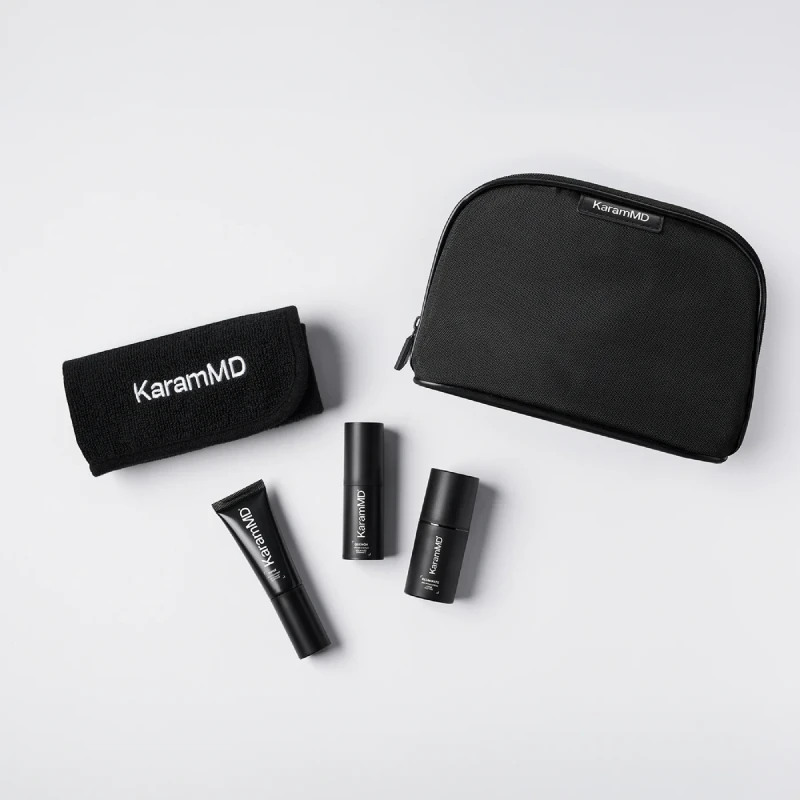
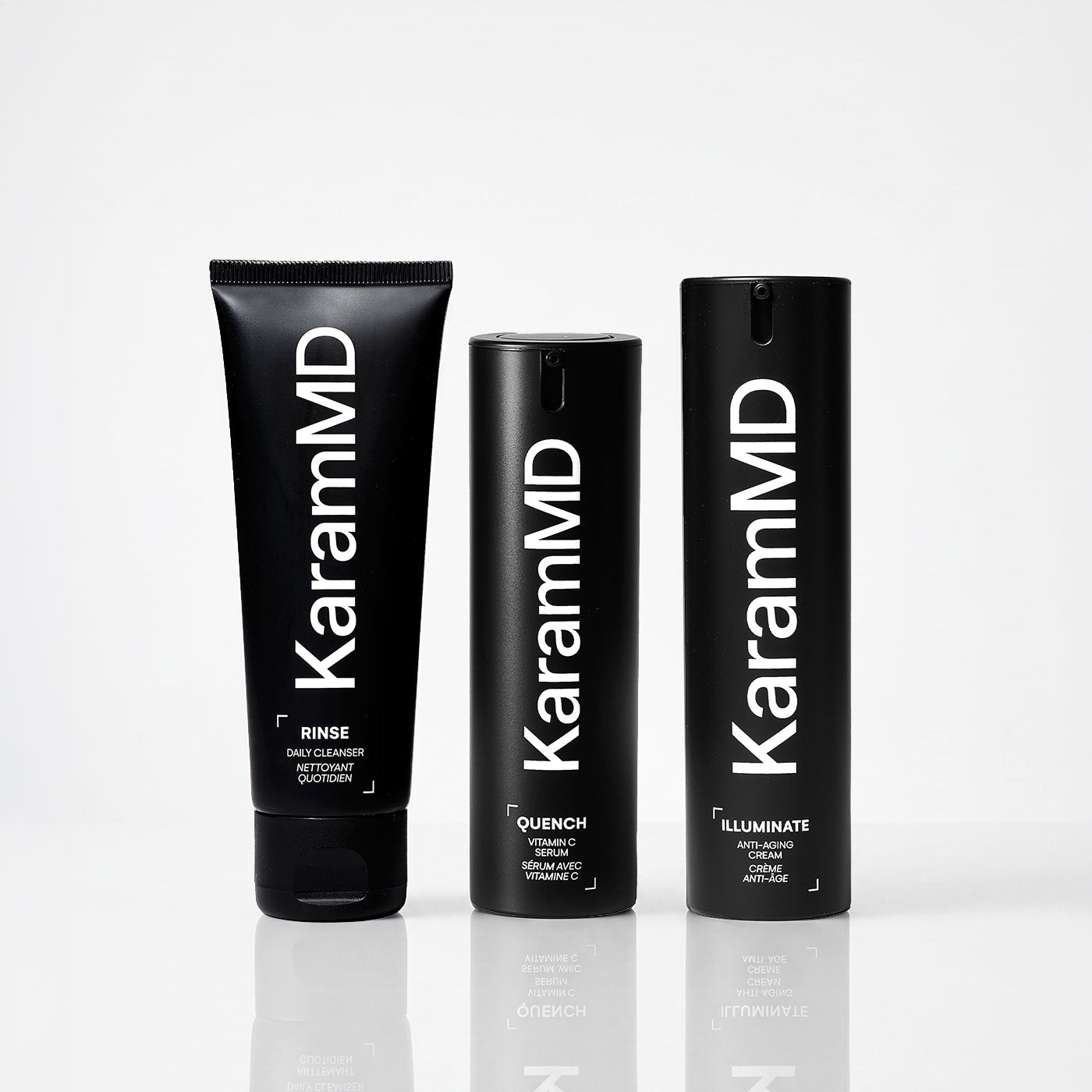
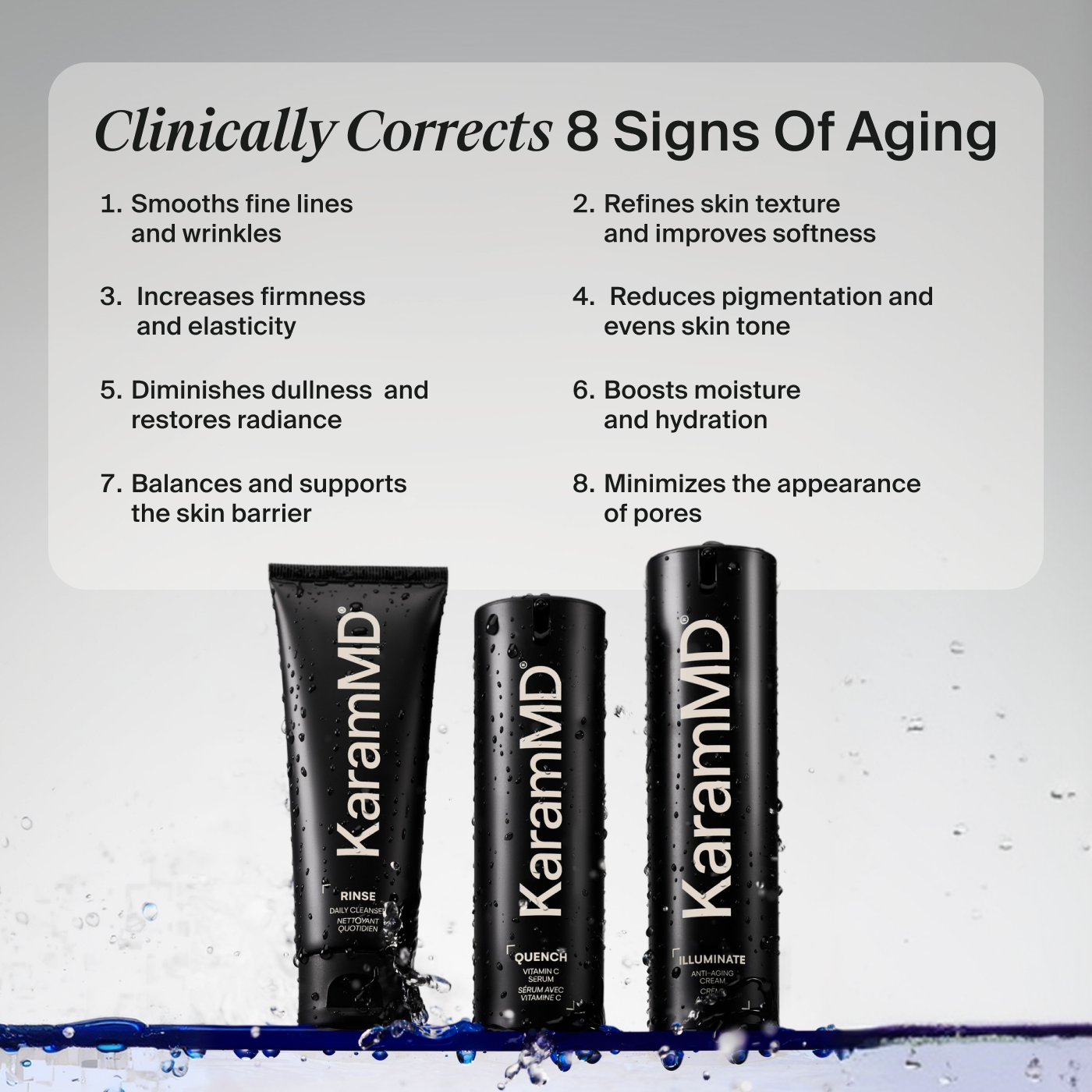
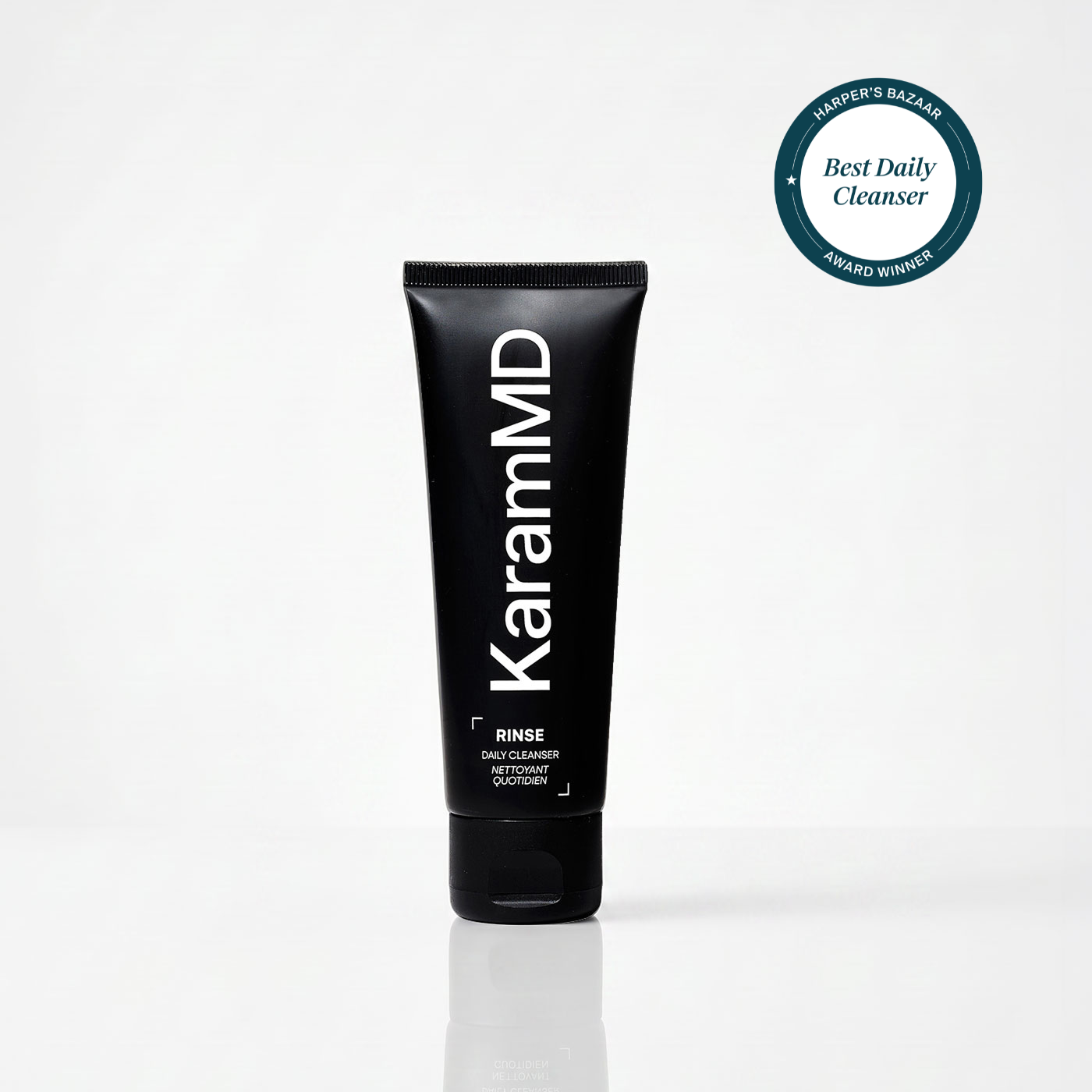
Glycolic acid works best when it’s treated as routine level support, not as a once-in-a-while treatment day. That philosophy is built directly into how I use glycolic acid in Rinse Daily Cleanser, the first step of the KaramMD Trifecta.

Cleansing sets the tone for everything that follows. Rinse is designed to remove more than dirt and oil. It clears residual buildup that can dull the complexion and interfere with how products perform, while keeping the skin toned, comfortable and harmonized.

Rinse balances the power of glycolic acid with barrier-supporting ingredients:

  • Apple amino acids cleanse without stripping your skin's oils and naturally balance pH
  • Aloe Vera soothes discomfort and hydrates to calm the skin during daily cleansing
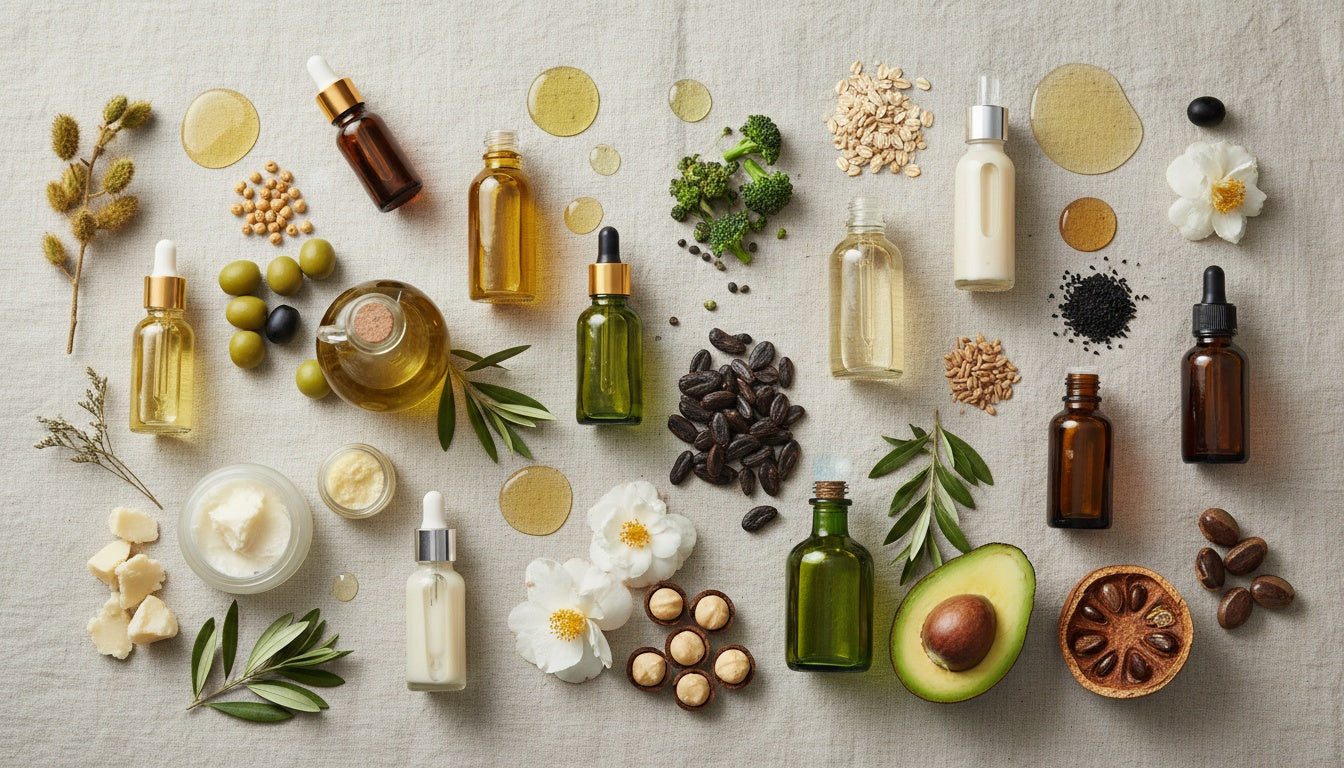
  • Broccoli seed oil provides lightweight lipid support to maintain barrier comfort
  • Willowherb extract for antioxidant protection against daily environmental stress

Rinse creates a stable baseline you can return to daily. When the first step supports the skin instead of destabilizing it, the rest of the routine can do its job more effectively.

Because glycolic acid increases cell turnover, it can increase sun sensitivity by exposing newer surface cells. Daily SPF is essential to protect results and reduce the risk of irritation or uneven pigmentation. This isn’t about fear. UV exposure remains the leading driver of premature aging and discoloration, and protecting the skin is what allows progress to compound rather than reverse.

Exfoliation can also occur in ways other than chemical acids.

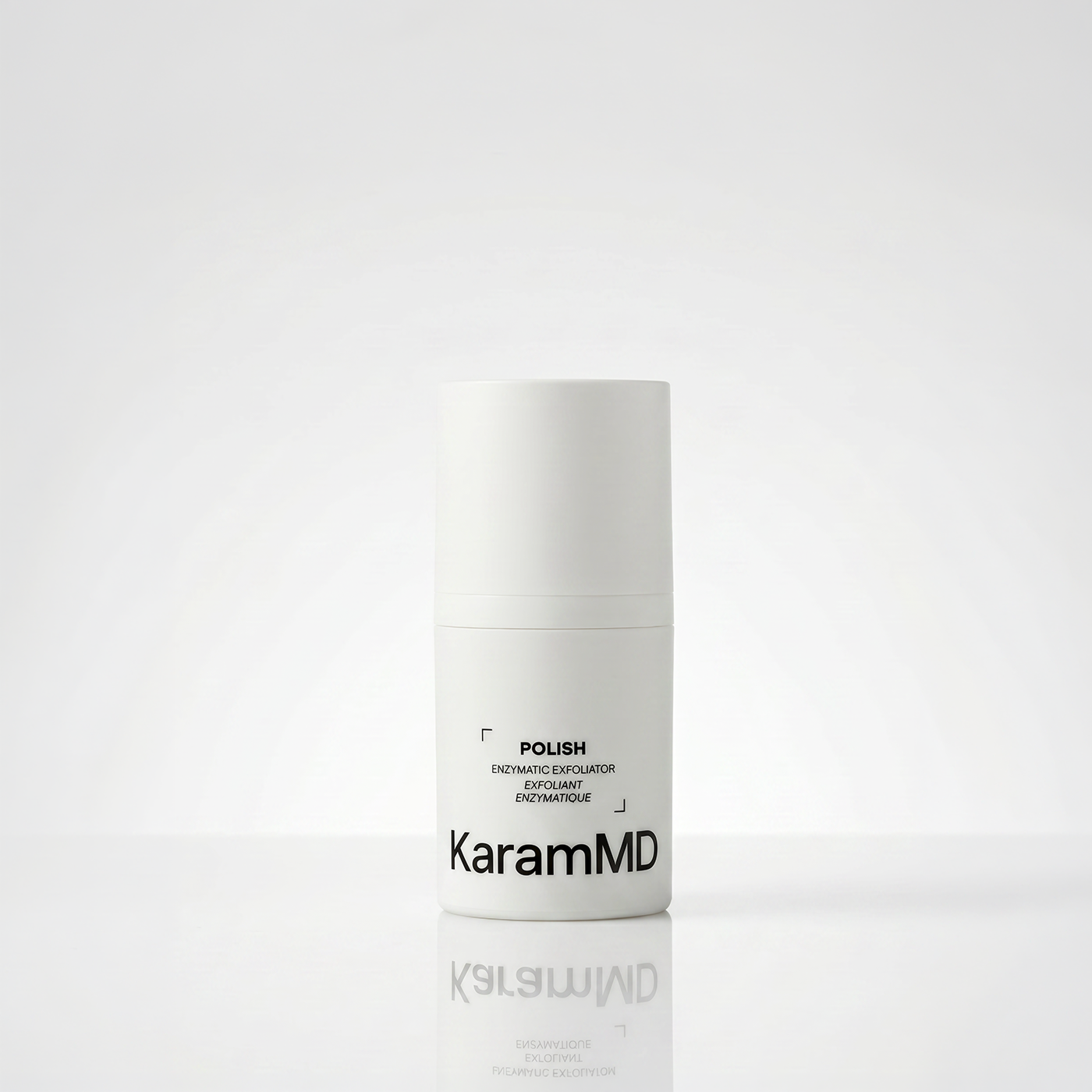
In some routines, physical or enzymatic exfoliation can achieve a deeper level of refinement without increasing acid exposure. That’s why many people in our community supplement glycolic acid with Polish, which helps lift compacted surface cells more actively while remaining gentle on the skin. Used thoughtfully, this approach delivers the same net effect, clearer, more luminious skin, without compounding dryness, sensitivity, or barrier disruption.


Glycolic Acid Through a Smarter Lens

Glycolic acid is often framed through a maximum strength mindset, as if progress should feel intense. In reality, most setbacks don’t come from the ingredient itself. They come from breaking the conditions that allow skin to improve steadily.

In my practice, those conditions come down to what I call the three Cs: commitment, consistency, and continuity. When glycolic acid is used through this lens, the goal shifts from intensity to repeatability. You choose a formula your skin can handle, apply it on a schedule you can sustain, and maintain that signal without disruption.

Trifecta was built around that exact approach, which is why glycolic acid is already included in the system.

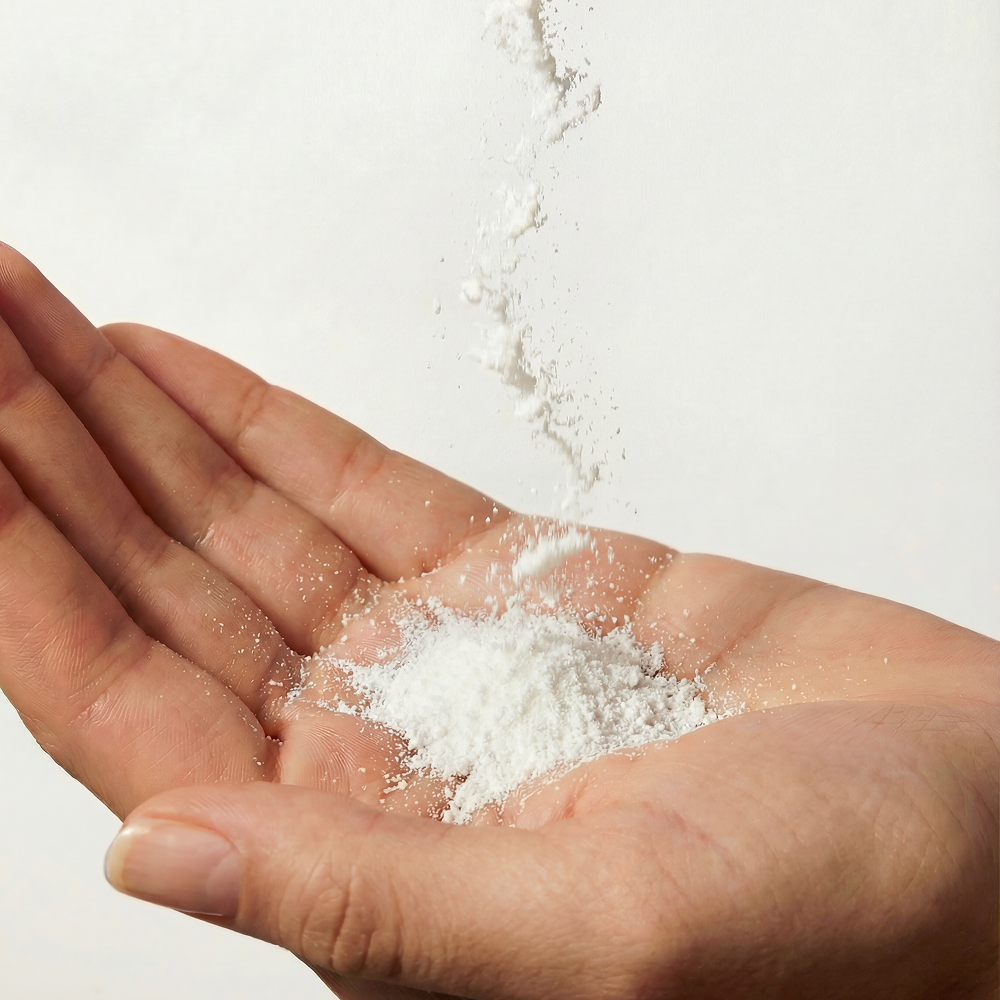
If you’re interested in learning how other evidence-based ingredients fit into a well-designed routine, you can explore additional KaramMD Journal ingredient articles on azelaic acidniacinamidearnica flower, and coconut milk powder as complementary guides.

Frequently Asked Questions

What Is Glycolic Acid?
Plus Icon Minus Icon

Glycolic acid is a water-soluble alpha hydroxy acid derived from sugar cane. In skincare, it’s used to gently exfoliate the skin, support cell turnover, and improve the appearance of dullness, uneven tone, and early signs of aging.

Is Glycolic Acid An AHA?
Plus Icon Minus Icon

Yes. Glycolic acid is an alpha hydroxy acid (AHA). AHAs work by exfoliating the surface of the skin, helping to improve texture, clarity, and overall tone. Glycolic acid has the smallest molecular size of the AHAs, which is why it can be especially effective when used appropriately.

What Are The Benefits Of Glycolic Acid For Skin?
Plus Icon Minus Icon

When used correctly, glycolic acid can improve skin clarity, smooth texture, support even tone, and soften the appearance of fine lines. These benefits come from steady, repeatable use rather than high strength or aggressive application.

How Often Should I Use Glycolic Acid?
Plus Icon Minus Icon

Frequency depends on the formula and your skin’s tolerance. More is not better. A routine-level approach that your skin can tolerate consistently, like Trifecta, is what delivers long-term improvement without triggering irritation.

Can I Use Glycolic Acid With Retinol?
Plus Icon Minus Icon

Yes, but how you use them matters. Glycolic acid and retinol are both active ingredients, so they should be introduced thoughtfully and not layered aggressively.


In Trifecta, both are already included.

Do I Need An Additional Glycolic Acid If I’m Using Trifecta?
Plus Icon Minus Icon

No. Glycolic acid is already included in Trifecta as part of a controlled, routine-level system. Adding a separate glycolic acid product is usually unnecessary and can increase the risk of irritation without improving results.

Amir Karam MD

Board Certified Facial Plastic Surgeon
Founder / Creator of KaramMD Skin

Dr. Amir Karam is a world-renowned facial plastic surgeon specializing in facial and skin rejuvenation. With over two decades of experience, he has helped countless patients achieve a naturally youthful, refreshed appearance. As an innovative surgeon, researcher, textbook author, and speaker, he is a leading authority in his field. Beyond performing surgical procedures that restore a youthful facial shape, he emphasizes the importance of skin quality, ensuring a comprehensive approach to facial rejuvenation. As the founder of KaramMD Skin, he is dedicated to making advanced skincare simple, effective, and accessible—helping you look as young as you feel.

7 comments

Carol Bell

I am 81 yrs old & would like to know what,the doctor thinks of SCULPTA.
Thanks You
———
KaramMD Skin replied:
Hi Carol—Thanks for your comment! SCULPTA can help improve skin thickness and firmness over time, especially when tailored to your individual needs. A consultation with a board-certified provider is always recommended to ensure the best and safest results. 💛

Anne Fitzpatrick

Explaining the difference between AHAs and BHAs is very helpful. Your intellectual approach based on scientific research really cuts through all the baloney in this space. Thank you! And btw, love your products.
———
KaramMD Skin replied:
Hi Anne—Thanks for your comment! Education and clarity are at the heart of everything we share, and it means so much to hear that this approach resonates with you. We’re grateful for your kind words and support.

Elizabeth Bullock

Which one do you recommend
———
KaramMD Skin replied:
Hi Elizabeth — Thanks for your comment! Our approach to glycolic acid is centered on gentle, consistent support rather than occasional treatment use. That’s why it’s built into Rinse, where it helps refine tone and clarity over time while keeping skin balanced and comfortable, setting the stage for the rest of your routine to perform at its best.

Laurie Chilcoat

Hi. I have been using the Trifecta for almost 3 months now and have seen quite an improvement!
My one problem is that I have Rosacea and I struggle to keep it under control. Would the addition of medical grade lactic acid ( recommended by a board certified NP in Dermatology) fit in somewhere in my skincare regimen? If so, at what step in your skincare system could I add this?
Thank you for your thoughts on this.
———
KaramMD Skin replied:
Hi Laurie —Thanks for your comment! We’re so glad to hear you’ve been seeing improvements. With rosacea-prone skin, it’s always wise to move thoughtfully and follow the guidance of your provider. If a professional has recommended lactic acid, it’s best used cautiously and separately from your core routine, allowing your skin time to respond. Listening to your skin and prioritizing barrier support is key.

Pamela S Burchill

So is additional glycolic acid needed or if I’m already using your trifecta system plus polish is that sufficient?
———
KaramMD Skin replied:
Hi Pamela —Thanks for your comment! For most people, the combination of the Trifecta and Polish provides sufficient exfoliation and skin renewal without the need for additional acids. Our philosophy is to support the skin consistently while avoiding unnecessary irritation from layering too many active products.

Leave a comment

All comments are moderated before being published.

This site is protected by hCaptcha and the hCaptcha Privacy Policy and Terms of Service apply.