



What is The Difference Between Microneedling and RF Microneedling?
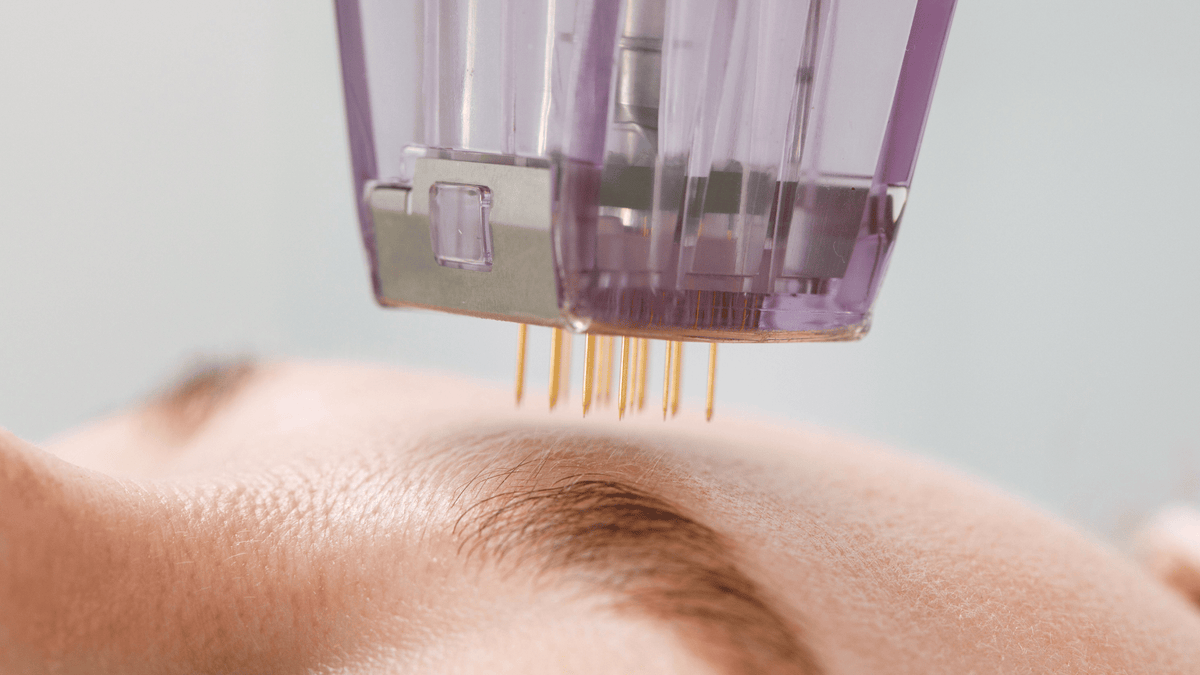
Microneedling improves skin quality by creating controlled micro-injuries that stimulate collagen production, while RF microneedling adds radiofrequency energy, or heat, delivered beneath the skin’s surface to accelerate collagen remodeling.
Traditional microneedling relies solely on the body’s natural healing process and works by creating very small, controlled micro-injuries in the skin using fine needles. These micro-injuries signal the skin to repair itself, which stimulates the production of new collagen.
Collagen is the structural protein that gives skin its firmness, smoothness, and resilience, and this process can improve texture, fine lines, and overall skin quality.
RF microneedling builds on this concept by adding controlled heat through radiofrequency energy to the microneedling process. During treatment, specialized needles penetrate the skin and deliver RF energy beneath the surface. The heat causes collagen fibers to contract and can stimulate new collagen formation more efficiently.
In theory, when this energy is delivered conservatively and stays within the dermal layer, RF microneedling may provide a modest enhancement compared to microneedling alone. The key phrase here is “in theory,” because these benefits depend entirely on proper technique, depth control, and a clear understanding of skin anatomy.





12 comments
Jane Vale
What do you think about neogen? Would this or Pladuo which is similar , interfere with the ability of a plastic surgeon to do their job properly? Does RF micro needling make a plastic surgeon’s job harder? Are they treatments that stick layers of the skin together making the plastic surgeon’s job more difficult? Are they best avoided if you intend to have a face lift ?
———
KaramMD Skin replied:
Hi Jane—Treatments like PlaDuo (nitrogen/argon plasma) primarily affect the surface and superficial dermal layers of the skin. They generally do not make facelift surgery impossible or unsafe, but repeated or aggressive treatments can change skin quality, which may require surgical technique adjustments. RF microneedling works deeper and, when done frequently or aggressively, can create fibrosis (scar tissue) that may make facelift dissection more technically complex. These treatments don’t “stick layers together,” but they can alter the natural tissue planes surgeons rely on. None of these treatments automatically prevent a facelift, but if surgery is being considered in the near future, it’s usually best to pause high-energy skin-tightening treatments and discuss timing with your surgeon.
Tabatha Maassen
I have been using the trifecta for 3 months and notice a huge difference. Great products. When it comes to adding in chemical peels, micro needling, and light laser treatments, how long should you wait between treatments? I am 52.
———
KaramMD Skin replied:
Hi Tabatha—Thanks for your comment! We’re thrilled to hear the Trifecta has made such a noticeable difference. When it comes to combining treatments, the timing really depends on your skin’s sensitivity, healing response, and the strength of the treatment. Since everyone’s skin reacts differently, it’s best to consult directly with your dermatologist or licensed aesthetic provider to create a plan tailored specifically for your skin type and concerns.
Susan Lovett
What is your most recommended service besides the facelift
———
KaramMD Skin replied:
Hi Susan—Thanks for your comment! Dr. Karam recommends chemical peels, microneedling, and light laser treatments that cause micro-injuries, stimulating the skin to build more collagen. Treatment success always comes down to realistic expectations, good patient selection, and follow-through with maintenance (sun protection, skincare, healthy lifestyle) to support the results.
Gena Aikman
Hi- I love my Karam products. Right now, I am not in a financial position to have my facelift, and I would only pick Dr. Karam. However, I would have to win the lottery, unless Dr. Karam ever has a contest to see how a 69-year-old could be a model…lol. I was thinking about the Morpheus 8, and now that is off the table. I would consider microneedling without the RF, after being educated by Dr. Karam.
My question is about my dermatologist, doing the Leuvian treatment…aka bluelight for pre-cancer, which is also covered by my insurance. I have an appointment in a month. Is this something that could actually be hurting my skin? They always tout that one of the benefits is that if there is something pre-cancerous, it will show up with this treatment. I’m a bit concerned. They also suggest consecutive treatments. It’s very painful, and I puff up and slowly heal about a week later. Really red for a week.
———
KaramMD Skin replied:
Hi Gena—Thanks for your comment! Blue light with Levulan is excellent for treating abnormal cells, but it is not an anti-aging treatment and can be inflammatory. If done frequently, it may temporarily stress the skin, so spacing treatments and focusing on barrier repair afterward is important, while always following your dermatologist’s guidance for cancer prevention.
Ann
Hello Doctor Karam,
What is your take on having PRP done without traditional Microneedling ?
Thank you for your time.
———
KaramMD Skin replied:
Hi Ann—Thanks for your comment! PRP without microneedling is very gentle and safe, but results are limited because penetration is minimal. PRP works best when paired with microneedling so it can reach the layers that stimulate repair.
Leave a comment
All comments are moderated before being published.
This site is protected by hCaptcha and the hCaptcha Privacy Policy and Terms of Service apply.