Debunking 4 Skincare Trends & Why We're No Longer Falling For Them

Debunking 4 Skincare Trends & Why We're No Longer Falling For Them

Written by Founder, Amir Karam MD

Quote Icon

Real change doesn’t come from switching products or trying every new trend. It comes from giving your skin the same clear signal, consistently.

Skincare has become a fast-moving trend cycle, and I understand why people get pulled into it. You’re trying to do the right thing for your complexion, but every week there’s a new ingredient, a new “must-have,” a new tempting reason to switch your skincare products.

The problem is that skin doesn’t respond well to near-constant change. It doesn’t work on an algorithm; it works on biology, and it needs a little time to settle, adapt, and recalibrate.

When I say “trends” throughout this post, I’m not talking about innovation. I’m not opposed to progress or cutting-edge ingredients – those things both matter. What I mean by trends is the relentless routine reset driven by hype, novelty, and social media, where you’re encouraged to keep starting over before you ever get clear feedback from your skin on what’s truly working.

Below, I’ll break down some common skincare myths that keep people stuck in this endless fad loop. You’ll learn how to spot “instant effects” that look good in the mirror but don’t lead to lasting, long-term results. And you’ll leave with practical filters you can apply to trends, so you know what to skip and how to stay consistent without overcomplicating your AM and PM ritual.

Trend #1.

Skin Cycling

THE MYTH: Your skin needs frequent breaks from actives to see results, and if it doesn't contain 8-10 steps, it’s ineffective.

Skin cycling is a viral TikTok trend where you rotating active ingredients on a 4-day cycle, instead of using them daily.

The typical schedule looks like: Night 1: Exfoliant. Night 2: Retinoid. Nights 3 and 4: Recovery with moisturizer only. It became popular because it felt structured and “smart.” Rotating actives on a schedule gave people a sense of control, especially if they were already overwhelmed, irritated, or tired of second-guessing. It made skincare feel more organized and manageable, like a clear set of instructions. Put it on a calendar, stick to it, and your skin will behave the way you want it to. But what skin cycling often misses is that this means you use only use a retinoid and exfoliant once or twice a week each. Over a month, that’s only 7 to 8 uses of your retinoid instead of 30 with daily use.

This on and off again cycle is actually not giving your skin it's best chance to acclimate and strengthen over time. Your skin responds best when the input is steady, and the regimen is built around barrier support, stimulating collagen production, and increasing cell turnover.

Consistency over intensity builds tolerance, and tolerance enables progress. If your overall plan keeps changing, it becomes harder to interpret what your skin is reacting to, what it’s benefiting from, and what’s irritating it. For many people, the real lever isn’t “breaks versus actives” – it’s choosing the right active, at the right strength, in a formula that plays well with the rest of your skincare routine.

THE TRUTH: Results come from a steady signal, not frequent breaks.

Actives work best when they support your skin’s natural renewal process in a steady, repeatable rhythm at a strength you can comfortably tolerate. When you take a lot of breaks, you often end up interrupting momentum, making progress feel slower and harder to read.

Instead of using a high-dose retinoid every four days, look for a gentler, well-formulated option, like one that uses Encapsulated Retinol, to help build tolerance, supports cell turnover and collagen support more steadily, and keeps your baseline more stable.

Breaks are sometimes necessary when your skin barrier is irritated, like after a treatment, but they should be a short, strategic response to feedback, not the foundation of your routine.

Trend #2.

“Breakthrough” Ingredients

THE MYTH: If it’s making headlines and celebrities are talking about, it must be backed by scientific evidence.

New trendy ingredients get attention because the storytelling is convincing. Scientific language can suggest precision and performance even when it's not there, or celebrities and TikTok docs start talking about them even when evidence is early. Big claims often focus on regeneration or even “DNA-level” change, but the gap is simple: almost any ingredient can be added to a formula. Presence doesn’t equal performance, and impressive language doesn’t guarantee meaningful results.

This is where “DNA repair” language, including ingredients such as salmon PDRN often appears. The most common outcomes are hydration, softness, and smoothness, however, there’s less evidence for long-term structural support, like collagen organization, elastin support, or barrier strengthening. That doesn’t mean these have no value – it means their role is often overstated and expectations should align with what the science supports.

When you see a new buzzword ingredient making big promises, as yourself: 'Is it backed by scientific studies?' and 'Are there proven long-term results?'

THE TRUTH: New isn’t better, but clinically proven is.

Novel ingredients can be enticing and interesting to check out, but trend popularity is not real clinical evidence. What reliably changes skin over time is a formula built around tested, well-studied actives, delivered at effective, tolerable doses, with a base that supports skin biology.

When it comes to DNA-level claims, it helps to be specific, and ingredients like salmon PDRN have limited clinical evidence in topical skincare for long-term structural change. If you want to try a celebrity-backed breakthrough, treat it like an add-on, not your foundation.

Look for either independent clinical testing on the finished formula, or a product that pairs the trendy ingredient with long-time proven performers - don't bet your results on hype alone.

Trend #3

Surface Results That Don’t Last

THE MYTH: If you look good immediately after applying a product, you assume it’s working, and that those surface results equate to actual skin changes.

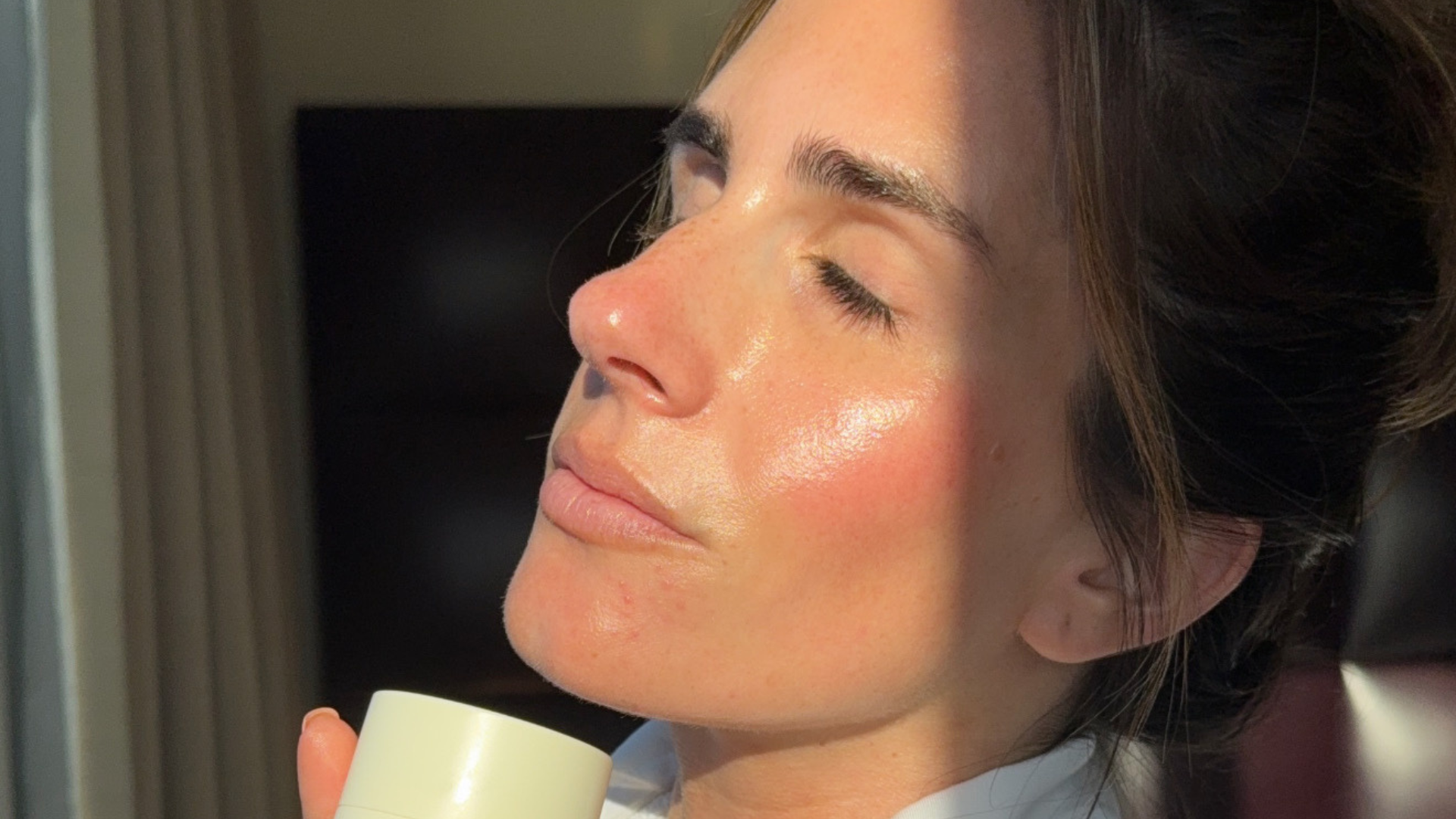
I’ll admit this trend is easy to fall for because the payoff is immediate. Skin can look tighter, glossier, and smoother within minutes, and you get a clear “I did something” feeling right after application. But in many cases, the effect comes from things like surface-level plumping, light-reflecting residue, or temporary tightening, where hydration and slip sit on top of the skin. The issue is that surface results aren’t the same as deeper, structural, biological progress.

When something offers amazing results instantly, these questions keep you honest: 'Does the benefit disappear by the next morning?' and 'Are improvements building gradually over weeks, or restarting every time?'

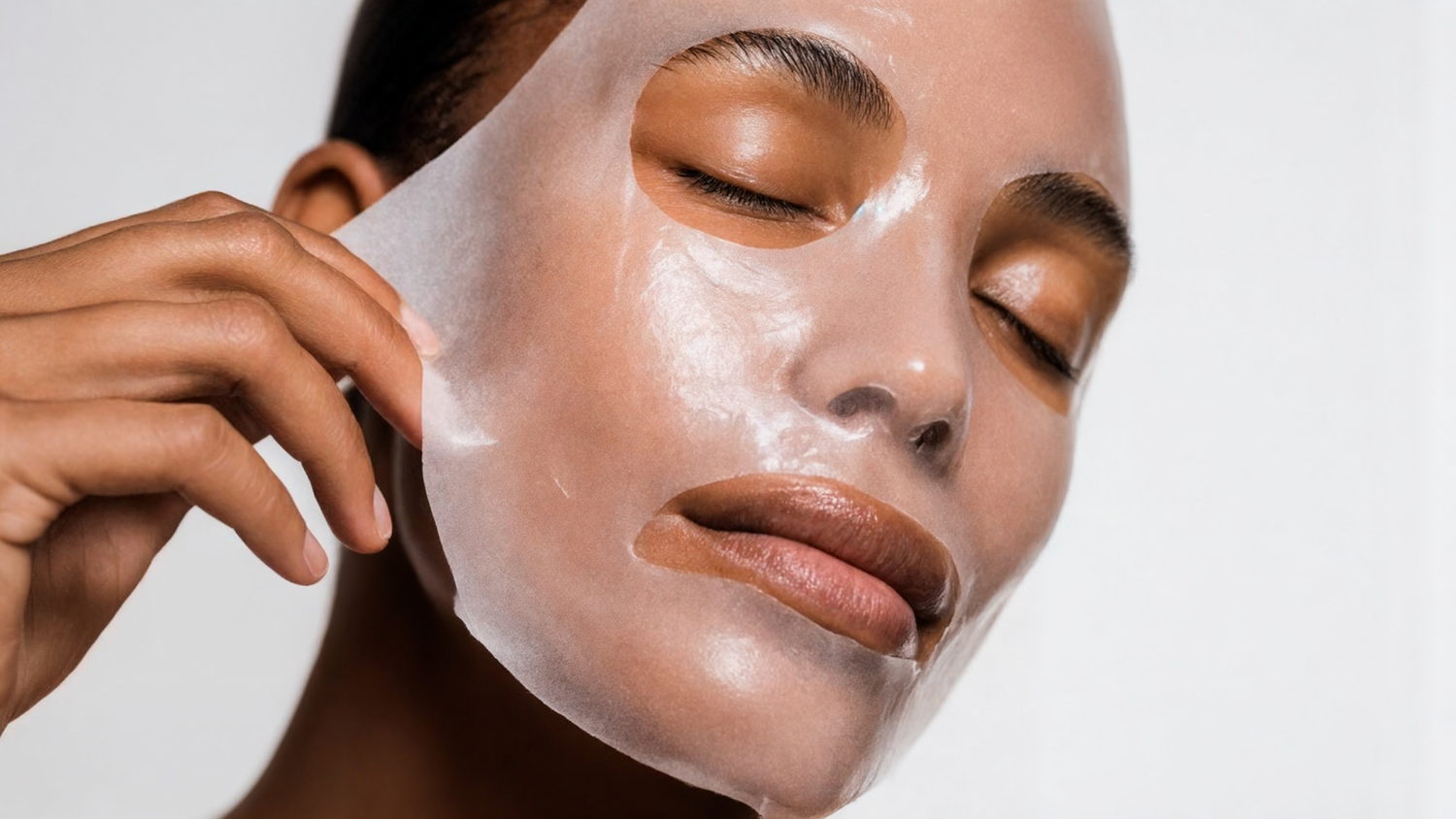
If the effect doesn’t last, the skin hasn’t truly adapted or stabilized; it’s simply wearing a temporary finish. This can be useful if you want to pop on a face mask for a little surface level plump before an event or night out, but don't invest long-term in products that don't have active ingredients. In those cases, there’s no meaningful fortification of the skin barrier, no consistent signal that supports reactivation of your body’s natural collagen or elastin production over time, and therefore no compounding improvement in resilience.

THE TRUTH: The best results take time, patience, and consistency - there is no quick fix.

Instant glow is often a surface effect, not progress. Find something that makes you truly glow - not just temporarily. Invest in products with active ingredients that support biological changes at a cellular level. If a product only helps you to look tight and dewy for a few hours, but is not making a lasting impact on hydration, wrinkles, texture, skin tone, or firmness day over day, it's not worth a spot in your daily routine.

Trend #4

Product Hopping

THE MYTH:  Your skin “gets used to” products, so you have to switch to keep switching your routine to see results.

The truth is simpler and reassuring. Skin doesn’t “outgrow” proven actives. Skincare ingredients such as retinoids, vitamin C, and peptides work by supporting cellular signaling and reinforcement over time, rather than delivering a one-off, quick-fix effect. Collagen and elastin support compounds with consistent use. The benefits build subtly, then hold. But product hopping happens because we tend to look for early results rather than long-term change. We see new influencers, with new trends, adding new steps and we hope that we will have quicker success down that path.

To separate a true lull from impatience or marketing pressure, ask yourself these questions: 'How much time have you given your current routine?' and 'Have you taken a photo since starting to notice if your skin improvements are building gradually?'

The skincare industry thrives on novelty and urgency, not continuity, because this is how they keep you coming back for more. The problem is that frequent switching disrupts the signaling that skin needs to adapt to, breaks the foundation before benefits can show, and increases irritation by constantly introducing new formulas and concentrations. Actual progress looks like subtle improvements that build month over month for more resilient skin as a whole.

THE TRUTH: Skin doesn’t get bored – it gets better with time.

Proven actives don’t stop working because your skin “gets used to them.” They work by reinforcing cellular processes that compound with repeated, uninterrupted use. What often fades is the early feedback, not the actual biological benefit. Product hopping interrupts that process before skin has time to adapt, resets progress, and increases the risk of irritation. Real results tend to look quieter at first, then steadier and more resilient month over month.

What We’re Doing Instead:

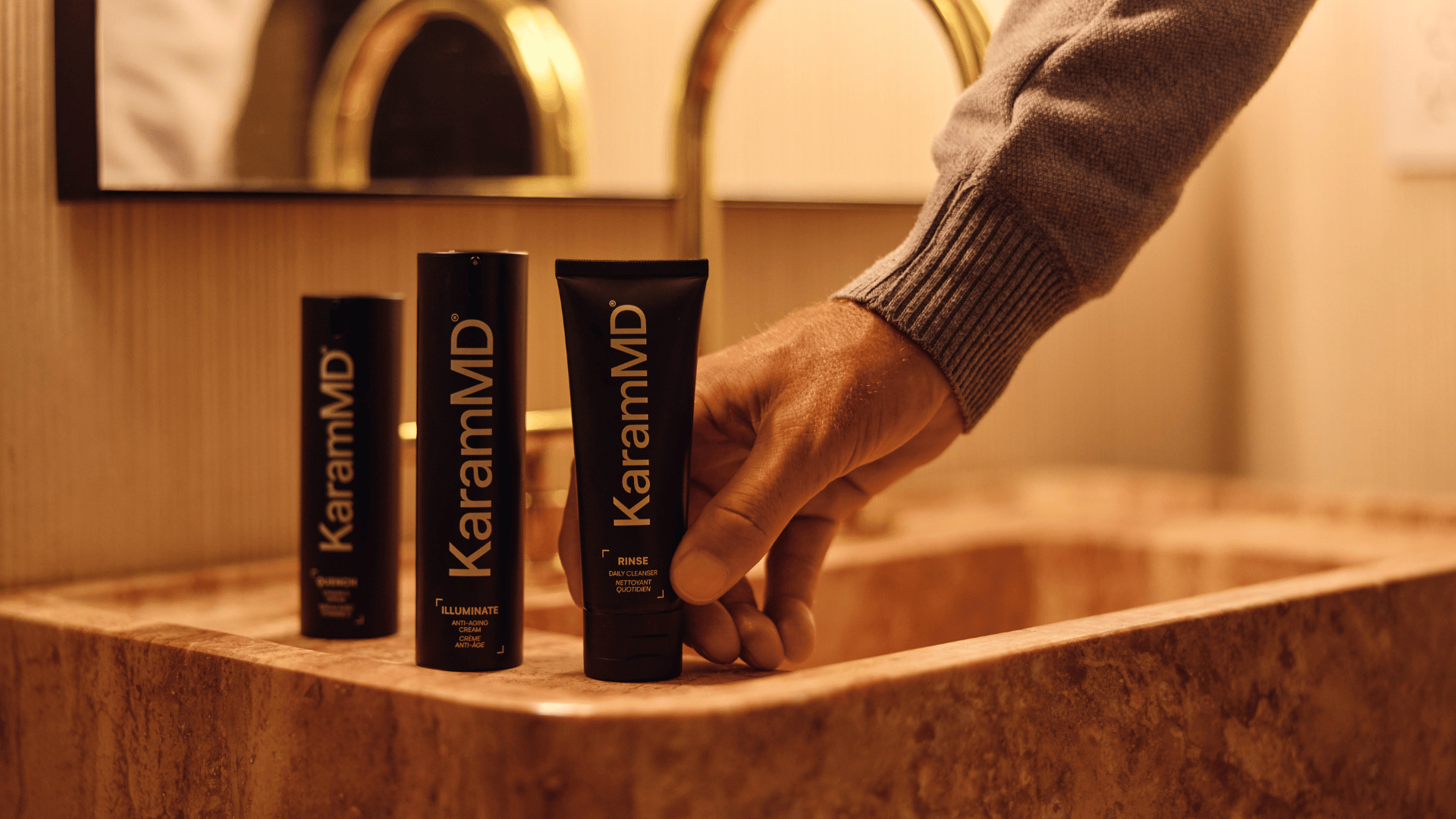
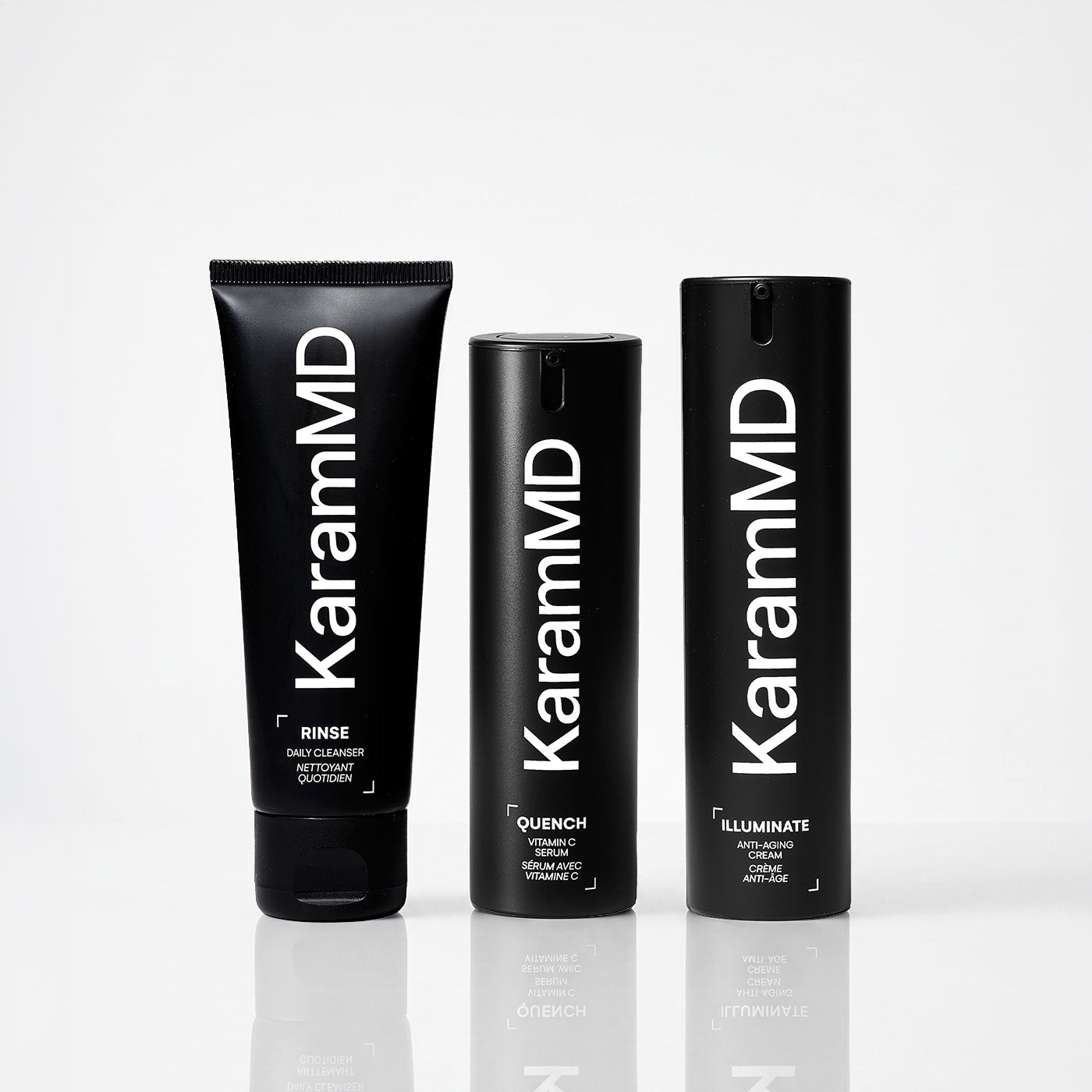
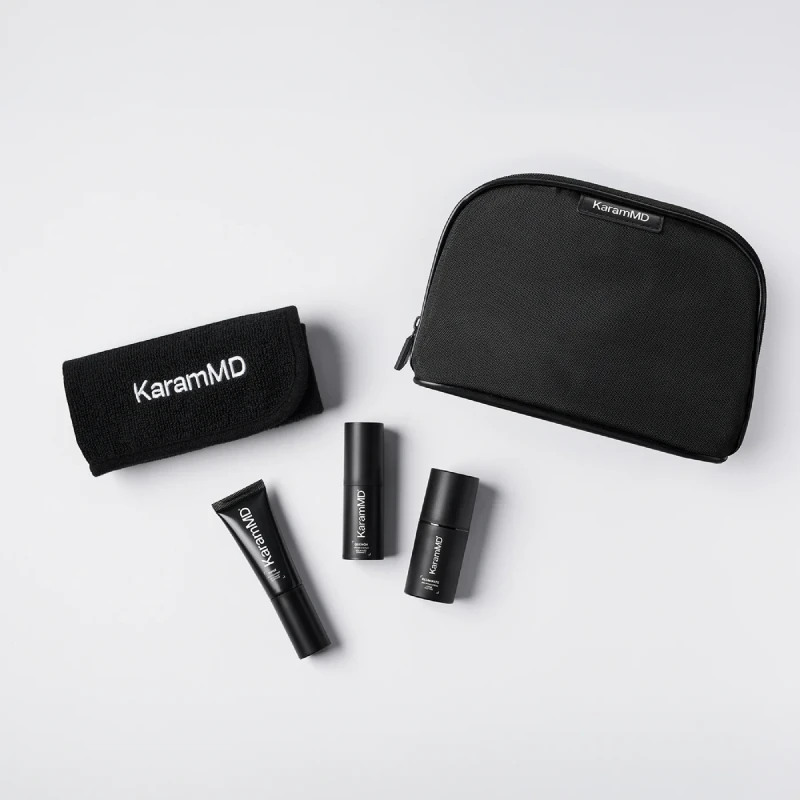
The KaramMD Trifecta Routine

Skin doesn’t benefit from switching trends all the time. It improves with daily, tolerable inputs: science-backed actives with decades of research, paired with formulas that support barrier repair, stability, strength, and long-term skin health so you can age well. When the routine is streamlined and realistic, results compound rather than resetting, allowing you to continue building on the progress you’ve made in a way that supports your skin and health. 

That philosophy is also precisely why, when I first explored creating an all-in-one product, I pushed back against the industry’s “more steps, more sales” approach.

The reason I wanted to put everything into a single product, was because I understand the appeal of simplicity. One bottle feels like the easiest answer. But after years of formulations and research, I realized I couldn't skip the foundations, because results require a beginning-to-end approach. So instead of forcing one single “hero” product to do everything, I built a complete system in which each step supports the next: cleansing, protecting, and finally, restoring. Trifecta created the optimal conditions your skin needs to repair and support collagen production over time for lasting, youthful results.

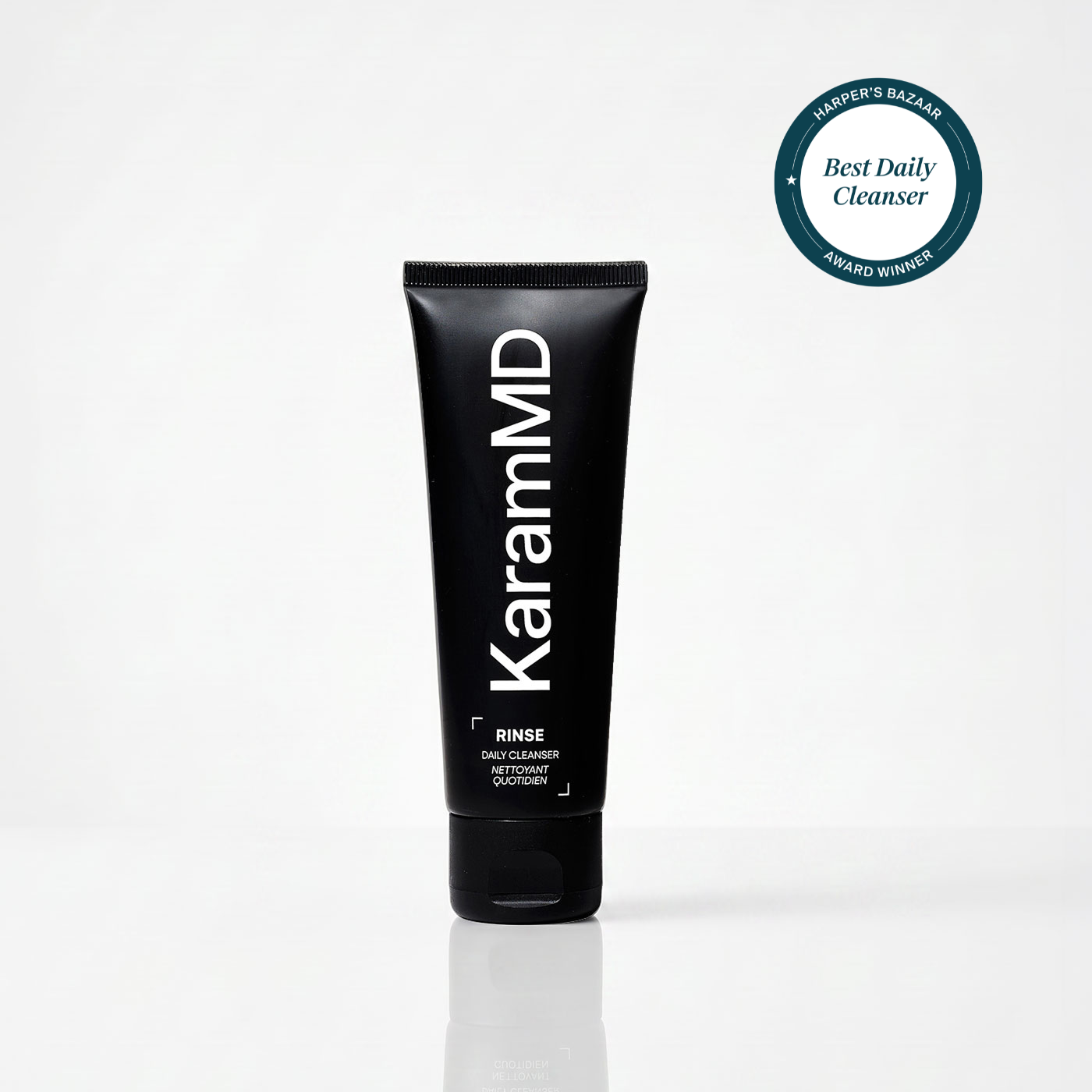
The Trifecta framework starts with Rinse, a cleanser designed to support pH harmony and prep the skin without stripping, so your actives can work the moment they’re applied while respecting your skin’s natural balance.

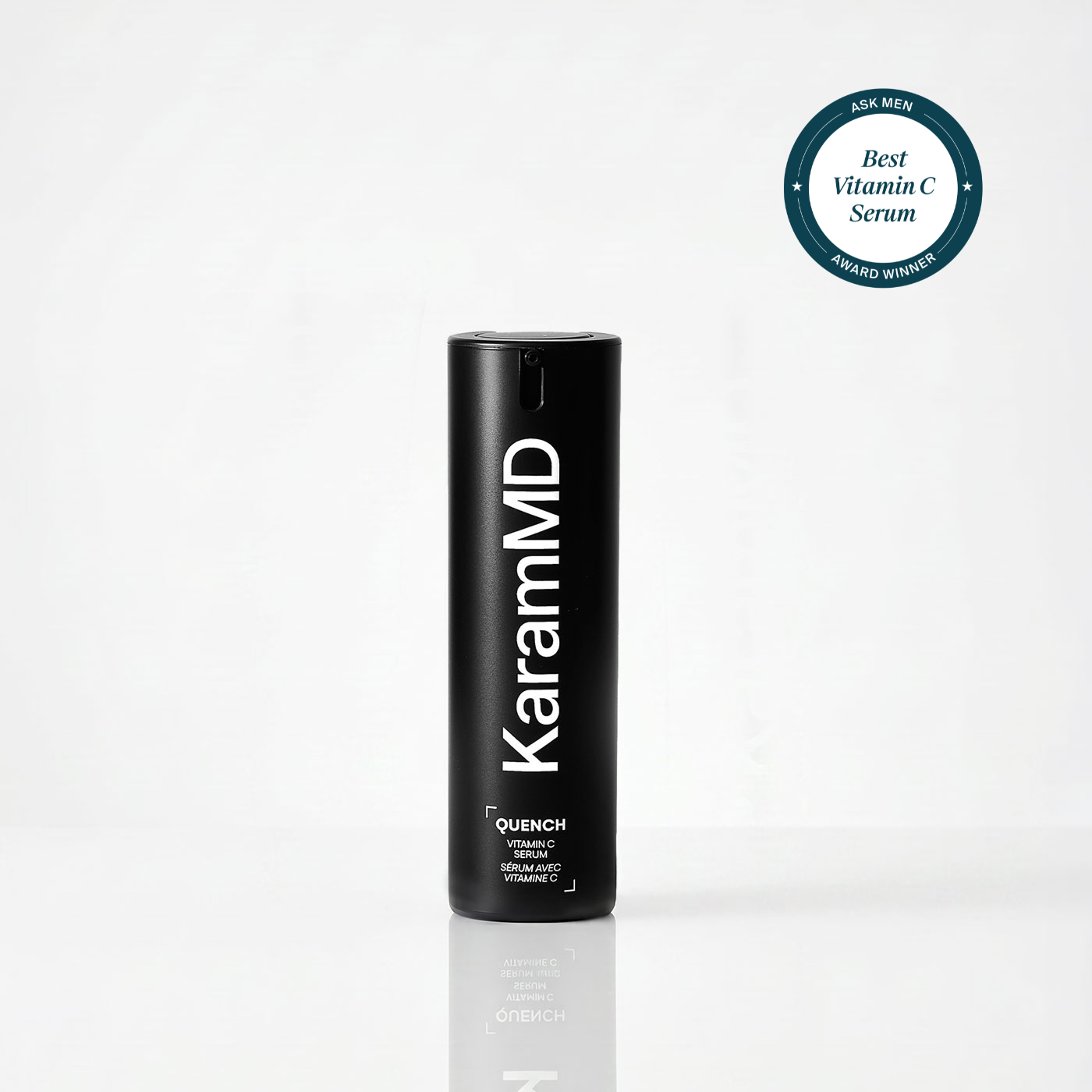
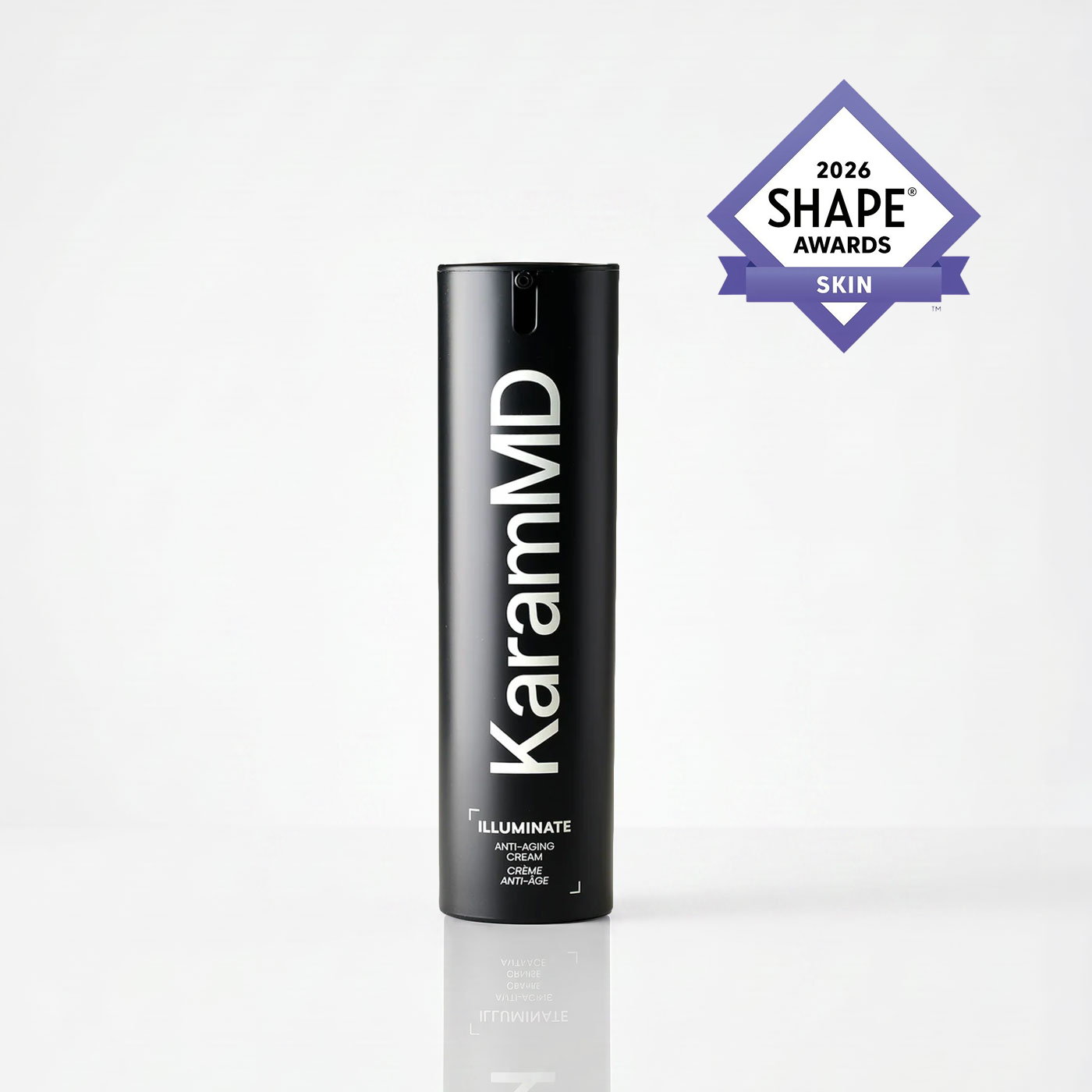
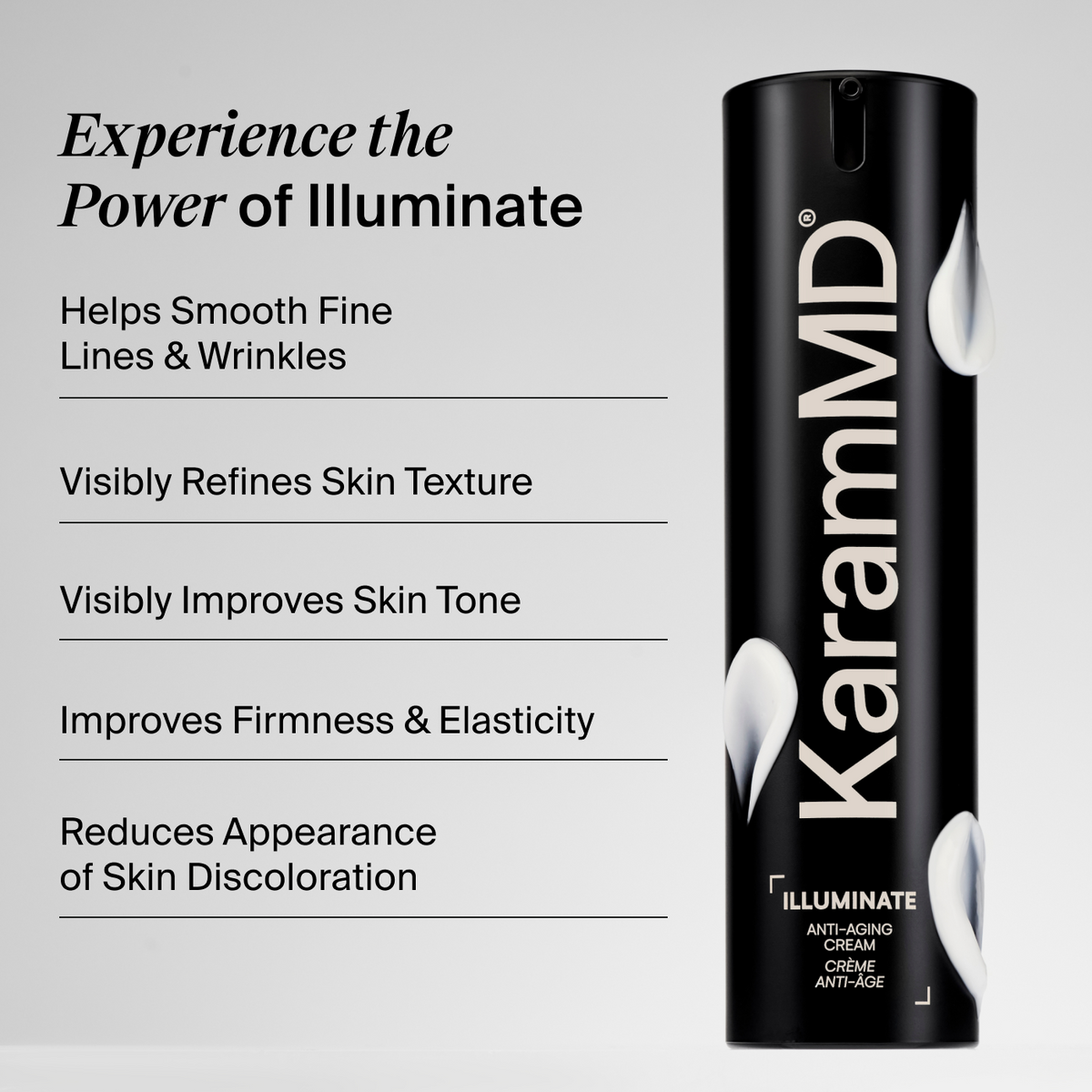
Vitamin C is essential for skin, but I didn’t want a one-note formula, so Quench includes 3 forms of vitamin C, supported by aloe and sodium hyaluronate for more synergy and overall tolerance. This sets everything up perfectly for Illuminate, which is an all-in-one multi-tasking anti-aging cream that has everything you need to resist and even reverse signs of aging when used consistently and continuously over time.

Trifecta is the opposite of trendy skincare, because it wasn’t built for buzz. It was made for longevity, balanced to support skin so you can stay consistent without needing add-ons or recovery periods.

Trends fade, but biology doesn’t. Skin doesn’t need novelty to thrive it needs commitment, consistency, and continuity.

The goal isn’t doing more. It’s doing what works, and staying with it long enough for your skin to show you the difference.

Amir Karam MD

Board Certified Facial Plastic Surgeon
Founder / Creator of KaramMD Skin

Dr. Amir Karam is a world-renowned facial plastic surgeon specializing in facial and skin rejuvenation. With over two decades of experience, he has helped countless patients achieve a naturally youthful, refreshed appearance. As an innovative surgeon, researcher, textbook author, and speaker, he is a leading authority in his field. Beyond performing surgical procedures that restore a youthful facial shape, he emphasizes the importance of skin quality, ensuring a comprehensive approach to facial rejuvenation. As the founder of KaramMD Skin, he is dedicated to making advanced skincare simple, effective, and accessible—helping you look as young as you feel.

Leave a comment

All comments are moderated before being published.

This site is protected by hCaptcha and the hCaptcha Privacy Policy and Terms of Service apply.