



What is The Difference Between Microneedling and RF Microneedling?
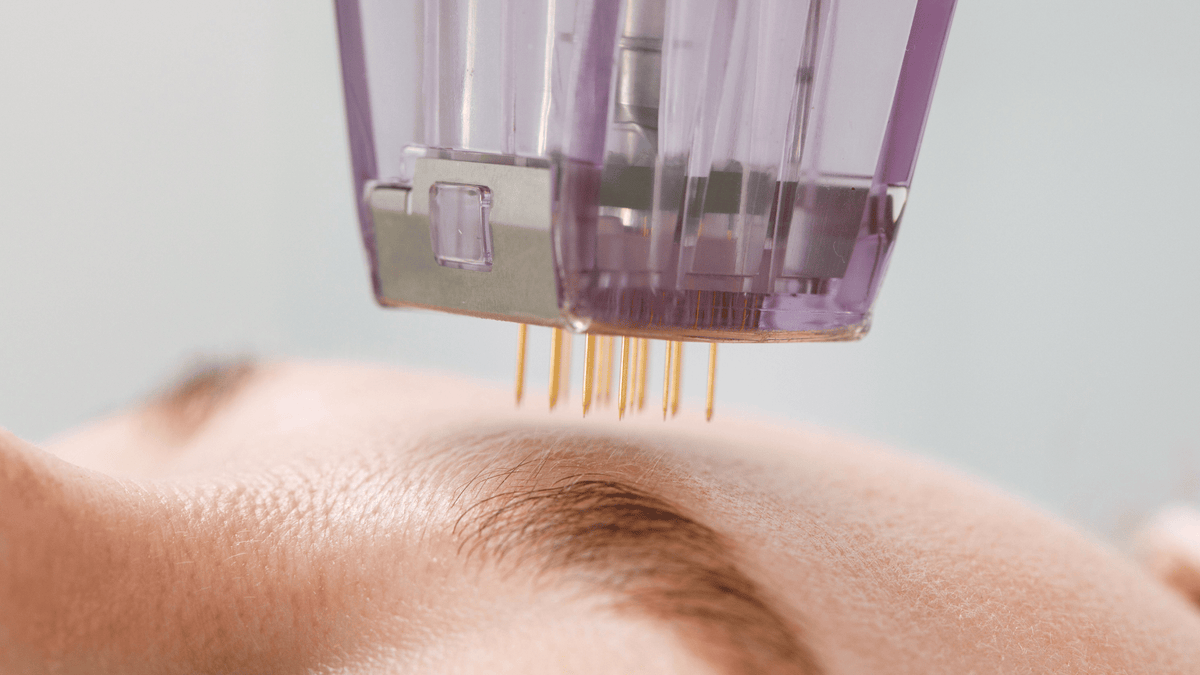
Microneedling improves skin quality by creating controlled micro-injuries that stimulate collagen production, while RF microneedling adds radiofrequency energy, or heat, delivered beneath the skin’s surface to accelerate collagen remodeling.
Traditional microneedling relies solely on the body’s natural healing process and works by creating very small, controlled micro-injuries in the skin using fine needles. These micro-injuries signal the skin to repair itself, which stimulates the production of new collagen.
Collagen is the structural protein that gives skin its firmness, smoothness, and resilience, and this process can improve texture, fine lines, and overall skin quality.
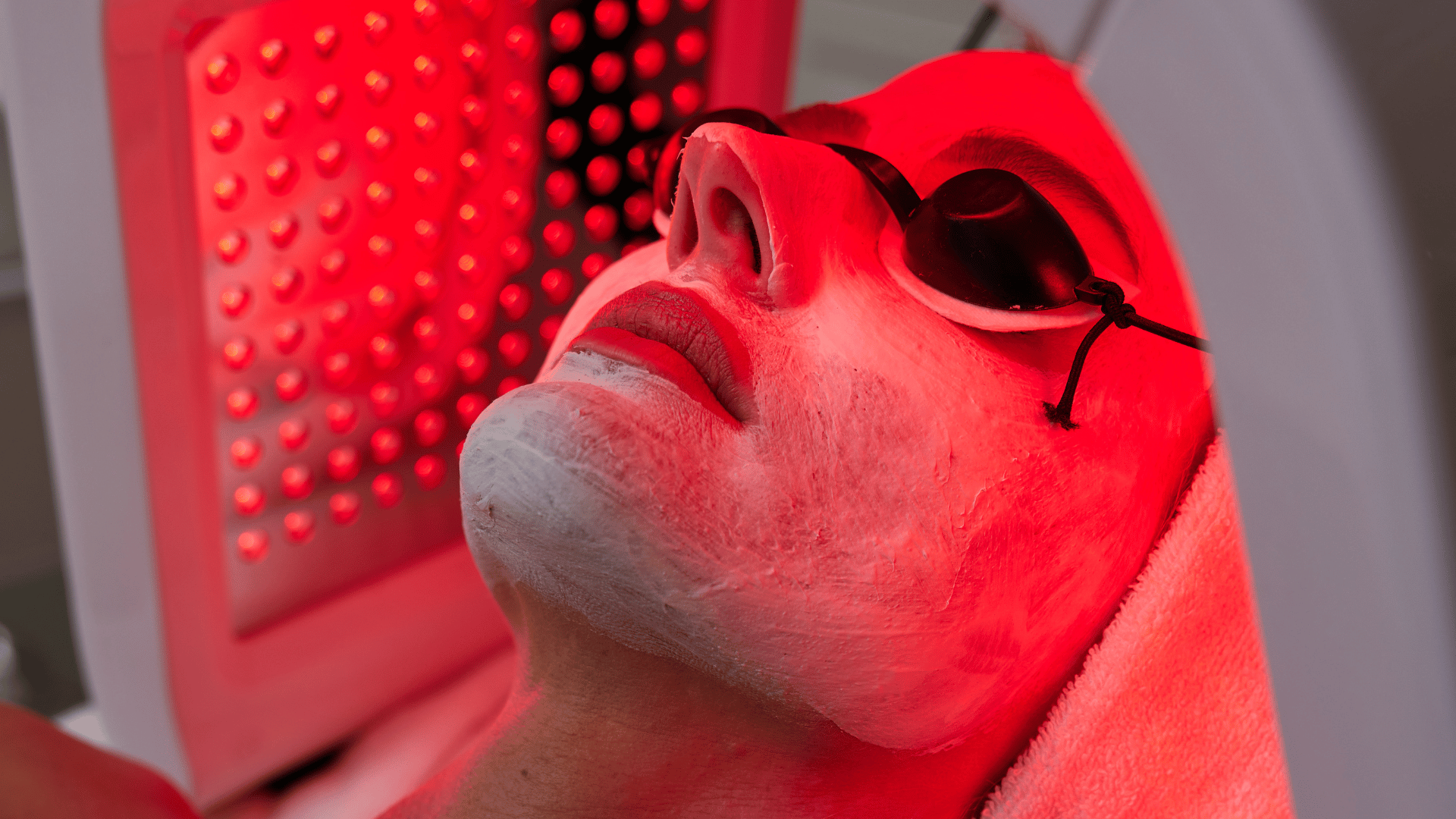
RF microneedling builds on this concept by adding controlled heat through radiofrequency energy to the microneedling process. During treatment, specialized needles penetrate the skin and deliver RF energy beneath the surface. The heat causes collagen fibers to contract and can stimulate new collagen formation more efficiently.
In theory, when this energy is delivered conservatively and stays within the dermal layer, RF microneedling may provide a modest enhancement compared to microneedling alone. The key phrase here is “in theory,” because these benefits depend entirely on proper technique, depth control, and a clear understanding of skin anatomy.






12 comments
Jan Declues
What types of Lasers do you use when you perform the laser treatments — do you use the erbium yag laser and is that the best for overall skin resurfacing of fine lines, pigmentation, smoothing and some tightening. Does it also work on the neck and jowls?
———
KaramMD Skin replied:
Thank you so much for reaching out, and great question! For details on the specific lasers used, including the erbium YAG, and whether it’s the right fit for your skin concerns and treatment areas, the best next step would be to request a virtual consultation directly with Dr. Karam’s office here: https://www.drkaram.com/getting-started/. You’re also welcome to reach them directly through their website, https://www.drkaram.com/.
Karen
Microneedling with PRP is mentioned but nothing about PRF. Is there an added benefit to having microneedling with PRF no coagulant vs. PRP?
——-
KaramMD Skin replied:
Hi Karen—Thanks for your question! While both PRP (Platelet-Rich Plasma) and PRF (Platelet-Rich Fibrin) are derived from your own blood, PRF skips the anticoagulant used in PRP processing, resulting in a fibrin-based matrix that releases growth factors more gradually over time (versus PRP’s faster release). Some providers feel this sustained release may offer added benefits for collagen stimulation and tissue remodeling, though research comparing the two specifically for microneedling is still developing. We’d recommend chatting with your provider about which option best fits your skin goals and treatment plan!
Annette Belus
Hi Dr Karan,I’ve been following you on instagram.You truly are a miracle worker.As per one of your comments I could not afford the procedure.I’m from Canada and the cost would be much more.I am curious to know what you would suggest for me.I am 65 years young.Also would you be able to recommend anyone in Toronto Canada that performs vertical restore?
———
KaramMD Skin replied:
Hi Annette—Thanks for your comment! Unfortunately, I am not able to make any other recommendations for surgeons, and the Vertical Restore is Dr. Karam’s patented facelift technique, so you will not be able to find someone else doing exactly what he does. However, I would suggest doing lots of research and finding someone else that has consistent results.
Dr. Karam does recommends you start with a committed skincare routine as soon as possible if you are considering a surgical procedure, because the health of your skin is going to be a big factor in your surgical results. So if you haven’t already, check out Trifecta as the best place to start your surgical journey!
Birgül Özgül
Thanks for your detailed and well understood information. It was very beneficial for me. I saw once more I’m on the right way🙏🙏
———
KaramMD Skin replied:
Hi Birgül—Thanks for your comment! We’re so glad the information was helpful and that it reinforced you’re on the right path with your skin. Feeling confident in your approach is such a great place to be. Wishing you continued success on your skincare journey! ✨
Barbara Kuykendall
My provider offers microneedling with exosomes. Is that something you have any information about ? Of course understandably it costs more but my research shows it might be worth our. How do you feel on that?
———
KaramMD Skin replied:
Hi Barbara—Thanks for your comment! Microneedling with exosomes is an emerging add‑on that some providers use to potentially enhance healing and collagen stimulation. Early small studies show promise, but larger, controlled research is still needed to confirm how much extra benefit exosomes bring compared with microneedling alone, and results can vary based on product quality and how the treatment is done.
Leave a comment
All comments are moderated before being published.
This site is protected by hCaptcha and the hCaptcha Privacy Policy and Terms of Service apply.