
Blue Light, Red Light, & UV Light: How Each Impacts Your Skin

Woman looking at her phone, possibly being exposed to blue light

Written by Founder, Amir Karam MD

Quote Icon

We’re living in a full-spectrum world. From early morning sunlight to late-night screen time, and targeted light therapies in between, the skin is constantly interacting with different wavelengths of light.

This can be both a good and bad thing. Some types can support skin health at a cellular level. Others, when overexposed, accelerate aging and disrupt the skin barrier.

Once you understand how different types of light behave and how your skin responds, you can make more intentional choices. 

The Basics: How Light Interacts With Your Skin

Light travels in wavelengths. Those wavelengths determine how deeply it penetrates the skin and what kind of effect it has once it gets there.

At a high level, you’re dealing with three main categories:

  • Infrared light: These are longer wavelengths that penetrate more deeply into the body. Far and mid-infrared light are experienced as heat and associated with improved circulation, reduced inflammation, and sweating. Near infrared light, on the other hand, does directly impact skin. 
  • Visible light: Including red and blue light, this is all the light we can see. These come from multiple light sources, which may include both natural (e.g. blue light from the sky) and artificial (e.g. blue light from screens or LED masks). 
  • Ultraviolet (UV) light: Shorter wavelengths that primarily affect the skin’s surface but can trigger deeper damage over time. These include UVA and UVB rays. 

When these wavelengths hit the skin, they’re absorbed by specific cells and molecules, like melanin, proteins, and mitochondria. These then convert that light into biological signals. Depending on the wavelength and dose, that signal can either support healthy function or contribute to cellular stress.

Because each layer of the skin has a different composition, the impact of light varies based on how deeply it penetrates.

  • The epidermis (your outermost layer) is rich in keratinocytes, melanocytes, and a diverse microbiome. As a result, light exposure here is more likely to influence pigmentation, barrier integrity, and microbial balance.
  • The dermis, just below, is where you’ll find structural components like collagen and elastin, along with blood vessels and fibroblasts. Light that reaches this layer can affect firmness, elasticity, circulation, and long-term skin resilience.

From a functional standpoint, most light exposure activates one of two pathways:

  • Damage pathways: oxidative stress, inflammation, and DNA disruption
  • Support pathways: increased cellular energy (ATP), improved circulation, and repair signaling

How do you know if you’re activating beneficial pathways—instead of triggering a cascade of damage? The difference comes down to the type of light, how much you’re exposed to, and how often. 

Red Light & Near Infrared (NIR)

Red light, and to some degree near infrared light (NIR), are the most buzzed about forms of light therapy. They’re also the most studied.

How Red Light Therapy Works

These wavelengths (typically around 630–700 nm, often paired with NIR in the ~700–900 nm range) are able to penetrate into the dermis, where they interact with mitochondria, the powerhouse of your cells. This results in increased production of ATP (cellular energy), which helps fuel repair processes, boosts collagen production, and modulates inflammation.

We have more information on red light therapy: This article breaks down the science behind the technology

How Red Light & NIR Impact Skin

These structural changes translate into visible improvements in skin quality over time. In fact, a 2023 study published in the journal Skin Research and Technology found that women who used red light therapy were able to reverse the visible signs of aging, as measured both by subjective assessments and objective imaging analysis.

  • Fewer wrinkles and smoothed texture: The above study found that red light usage was associated with reduced wrinkle depth around the eyes, improved density of the dermis (as measured by ultrasound analysis), and a more even texture on the cheek area. 
  • Reduced appearance of dark spots: A 2023 review published in the Journal of Clinical Medicine noted that red light was effective at easing hyperpigmentation. 
  • Eased inflammation, sensitivity, and redness: Research shows that photobiomodulation can reduce inflammatory biomarkers throughout the body. As for the skin specifically, a 2025 study found that red light was able to reduce inflammation progression
  • Improved wound healing: Research indicates that red light therapy can assist in faster healing by increasing cell turnover rate and supporting the skin’s repair pathways. 

Read next: “How often should I do red light therapy to get benefits?” and all your red light questions answered

Blue Light

Blue light is part of the visible light spectrum, and its impact on skin depends heavily on context.

How Blue Light Works

Blue light (roughly 400–490 nm) primarily affects the upper layers of the skin. It interacts with chromophores in the epidermis and the microbiome. We are exposed to blue light through many natural and artificial sources, including the sky, screens, and LED light devices. 

Unlike red or near infrared light, blue light doesn’t penetrate as deeply. Instead, its effects are concentrated in the stratum corneum, impacting pigmentation pathways, barrier function, and microbiome balance.

How Blue Light Impacts Skin

In dermatology, exposure to blue light is most commonly used as an acne treatment. But blue light’s impacts are quite broad—and can be both beneficial and disruptive. 

  • Targets acne-causing bacteria: Blue light can destroy C. acnes by activating porphyrins within the bacteria, making it a useful option for inflammatory breakouts.
  • Manages circadian rhythm: Blue light exposure during the day helps regulate your internal clock—including your skin’s clock genes—which indirectly impacts skin health by affecting the body’s repair processes, hormone cycles, and sleep quality.
  • Increased oxidative stress: Excessive blue light exposure, particularly from constant screen exposure, can generate free radicals, which may contribute to premature aging. While weaker than UV, the near-constant exposure from screens adds up. 

Which brings us to the category of light where the risk is far more direct—and where daily protection matters most: UV.

UV Light

Ultraviolet (UV) radiation is still the most significant external driver of skin aging and damage—and the one you need to take most seriously.

There are two primary types:

Together, these rays impact both the structure and integrity of the skin.

How UV Light Impacts Skin

UV light is responsible for up to 80% of visible skin aging, a concept often referred to as photoaging. At the cellular level, UV exposure triggers oxidative stress, damages DNA, and activates enzymes that break down collagen. Over time, repeated exposure leads to:

  • Loss of firmness and elasticity 
  • Hyperpigmentation and uneven tone
  • Fine lines and wrinkles
  • Increased risk of skin cancer

Unlike other forms of light, there’s no meaningful “benefit” to UV exposure for skin itself—only risk to be managed. However, UV exposure does play a role in one important physiological process: vitamin D production.

Learn more: A guide to finding your perfect sunscreen & protect your skin against sun damage.

UV Light & Vitamin D

Vitamin D is a fat-soluble hormone that plays a critical role in bone health, immune function, and overall metabolic balance. Your body produces it when UVB rays interact with the skin.

That said, you don’t need much sun exposure to maintain adequate levels.

Research suggests that about 10 to 30 minutes of incidental sun exposure, a few times per week, is sufficient for most people (a caveat: this is dependent on skin tone, location, time of day, and season). In reality, most people get enough exposure simply from daily life: walking outside, commuting, or running errands. 

It’s also worth noting:

  • Your face does not need to be the primary site of sun exposure
  • Any exposed skin can contribute to vitamin D synthesis
  • Even with sunscreen use, real-world application is imperfect, meaning some UVB still reaches the skin

So while vitamin D is essential, unprotected sun exposure—especially to the face—is not the way to get it. 

Want to know how to optimize vitamin D safely? This article explains vitamin D conversion from sun exposure, food & more.

Beyond The Light: How KaramMD Can Support (& Protect) Skin

Light’s impact on skin is an area we’re still actively unpacking. With the right wavelengths, used intentionally, light therapy can support regeneration, calm inflammation, and improve overall skin resilience.

But on the other end of the spectrum, light can also accelerate damage when exposure isn’t managed. Excessive blue light may contribute to oxidative stress over time, while UV radiation remains the leading cause of premature aging, collagen breakdown, and pigmentation.

Which brings us back to the fundamentals. 

The most effective approach is to build a consistent routine that helps your skin defend, repair, and function at its best.

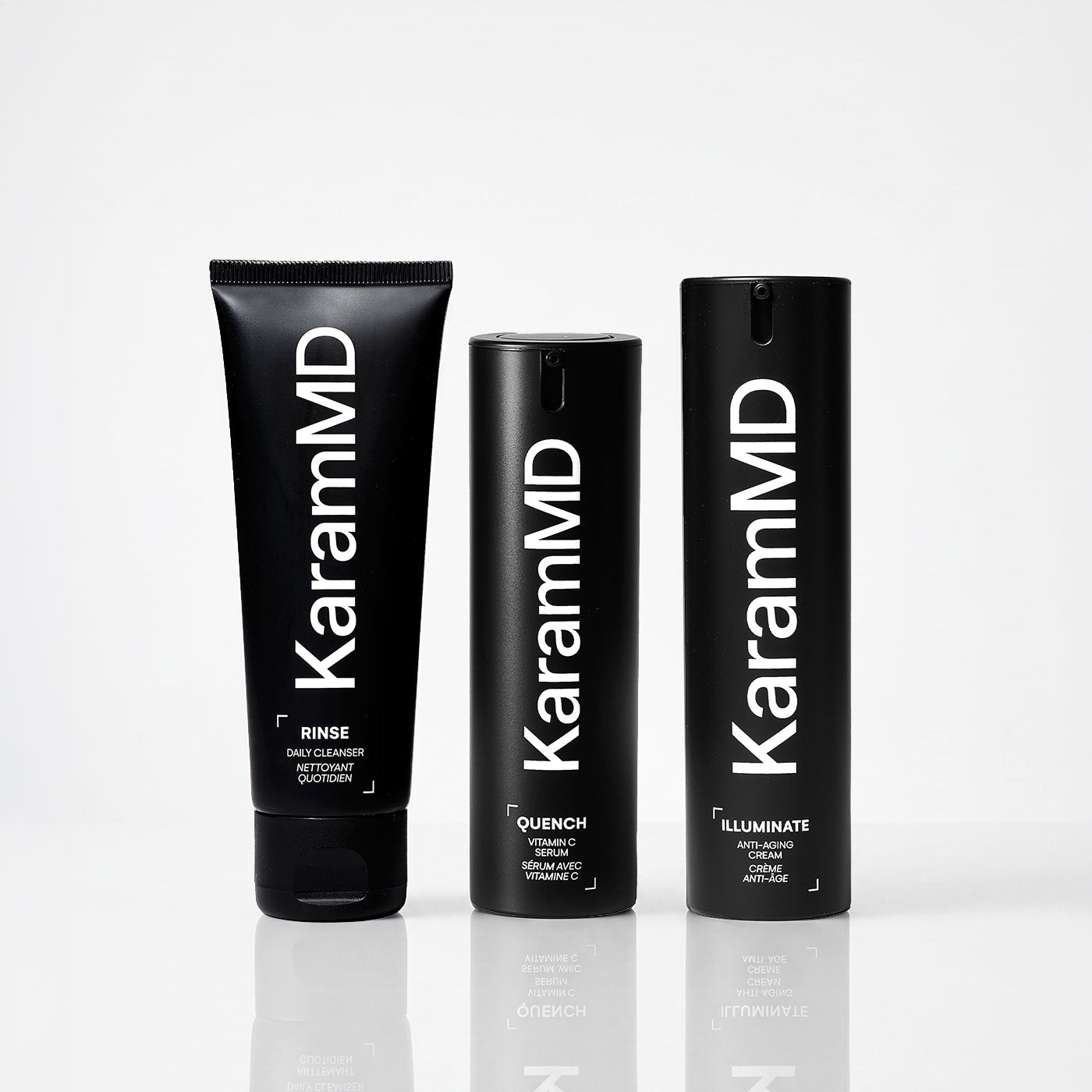
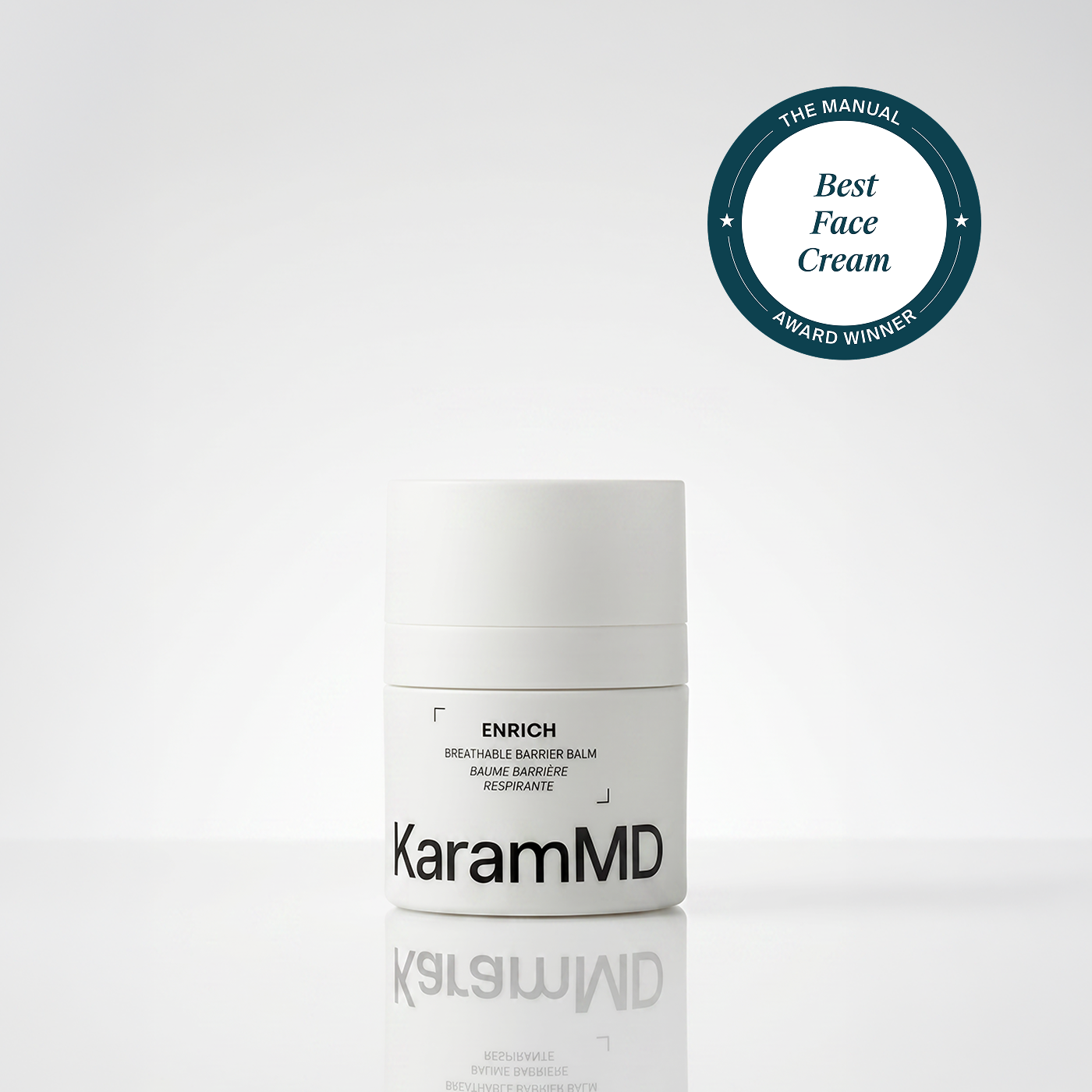
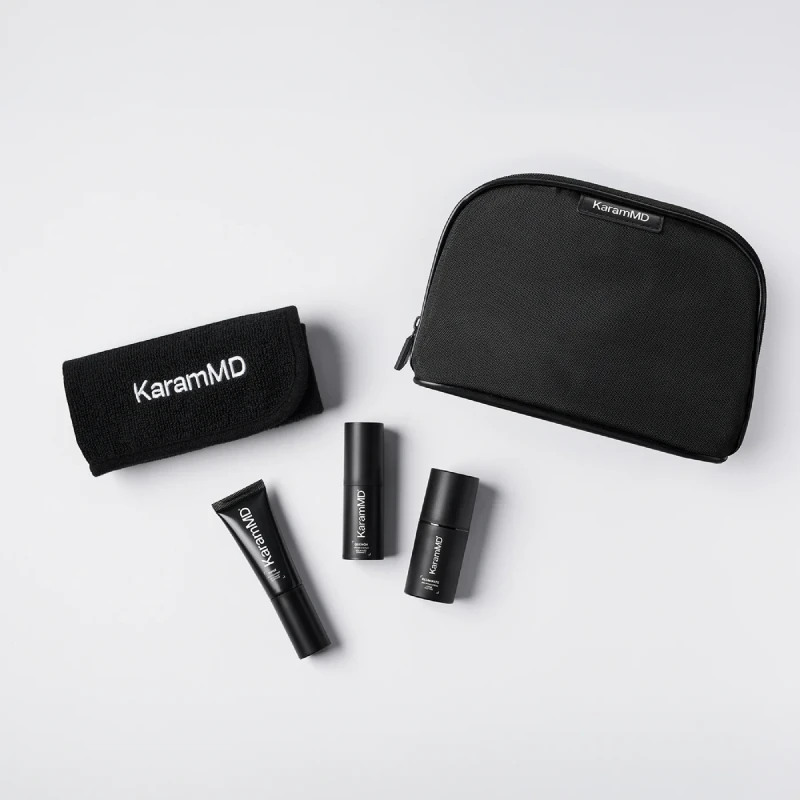
KaramMD Trifecta was developed with this in mind: a streamlined system designed to support collagen production, improve hydration, and strengthen the skin barrier. When used consistently—and paired with a broad-spectrum sunscreen—it helps create a more resilient foundation that can better withstand daily environmental stressors.

Up next: Learn about how antioxidants can buffer against environmental stress & UV damage 

Amir Karam MD

Board Certified Facial Plastic Surgeon
Founder / Creator of KaramMD Skin

Dr. Amir Karam is a world-renowned facial plastic surgeon specializing in facial and skin rejuvenation. With over two decades of experience, he has helped countless patients achieve a naturally youthful, refreshed appearance. As an innovative surgeon, researcher, textbook author, and speaker, he is a leading authority in his field. Beyond performing surgical procedures that restore a youthful facial shape, he emphasizes the importance of skin quality, ensuring a comprehensive approach to facial rejuvenation. As the founder of KaramMD Skin, he is dedicated to making advanced skincare simple, effective, and accessible—helping you look as young as you feel.

Leave a comment

All comments are moderated before being published.

This site is protected by hCaptcha and the hCaptcha Privacy Policy and Terms of Service apply.