
How Botox Changes With Age: When to Start, Long-Term Effects, & Mistakes to Avoid

How Botox Changes With Age: When to Start, Long-Term Effects, & Mistakes to Avoid

Written by Founder, Amir Karam MD

Quote Icon

Botox has a reputation for being easy. Book an appointment, sit for 30 minutes, and leave with smoother skin. Simple enough, no? 

And while that can technically be true, it’s also incomplete.

Neuromodulators (including Botox, Dysport, Daxxify, Jeuveau) work best when they are part of a long-term strategy. How you start, how often you use it, and how your face changes over time all influence your results. Because Botox isn’t static. Your face isn’t static. And what works in your early 30s likely won’t be the right approach a decade later.

If you’re thinking about starting Botox, or already using it, here’s what to know about how it evolves over time and how to approach it in a way that actually supports your skin long term. 

A Quick Refresher: How Wrinkles Form

Early on, almost all wrinkles are dynamic. Dynamic wrinkles are those that only appear with movement or when you make expressions. Think about the crinkles that appear around the eyes when you smile wide, the folds that form when you frown, or faint etches that show up with a raised brow. If those lines disappear at rest, they’re dynamic. 

With age, dynamic wrinkles slowly start to become static wrinkles. Static wrinkles are what we think of when we’re talking about aging - the visible lines that are more permanently etched into the skin, often showing up as crow's feet, marionette lines, the 11s, and forehead wrinkles.  

These wrinkles form through a combination of movement and changes in the skin itself. Every time a muscle contracts, it folds the skin in the same place. When you’re younger, your skin snaps back easily thanks to collagen, elastin, and hydration levels. But as those structural components decline, eventually, it stops bouncing back as efficiently. Those once-temporary folds start to set in.
How Botox Actually Works

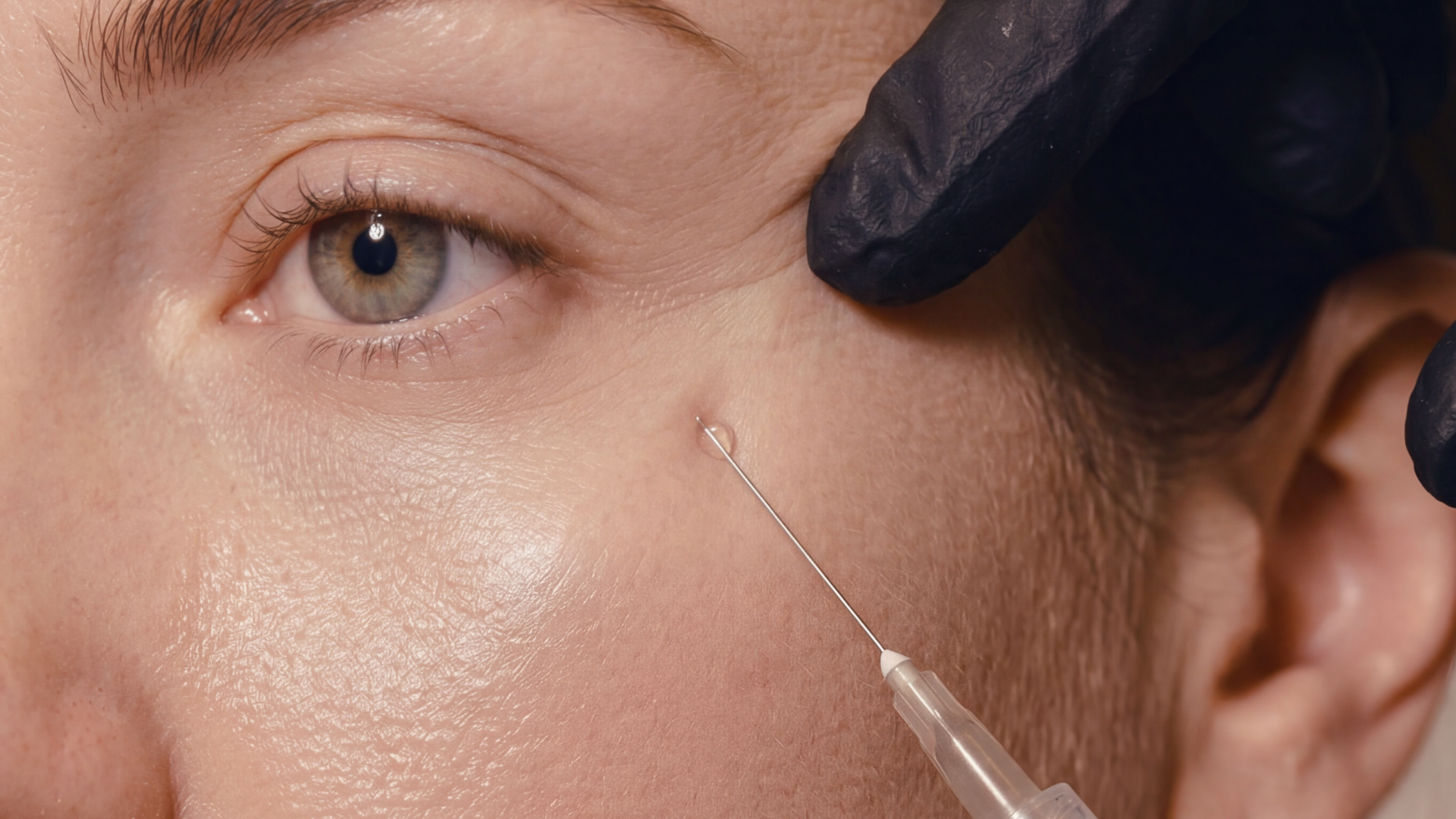
Neuromodulators (which we’ll often refer to as Botox throughout this article as a catch-all) work by temporarily blocking the neurotransmitter that tells your muscles to contract. When that signal is softened, the muscle relaxes, and the skin sitting on top isn’t creasing as repeatedly or as deeply. 

But it’s important to be clear about what Botox isn’t doing. It doesn’t stop aging, rebuild collagen, or improve skin quality. And because nerve signaling eventually returns, the effects are temporary.

In case you have any hesitations, we also want to remind you: Neuromodulators have been around for decades, are incredibly well researched, and have a strong safety profile. 

When Should You Start Botox?

As easy as it would be to give you an exact number, there’s no universally right answer to this question. Here is a general rule of thumb:


20s–early 30s: Preventive, But Conservative

Preventative Botox is simply a strategy to relax facial muscles in order to stop static wrinkle formation before it starts. Essentially, it’s all in the name: You’re preventing wrinkles in the first place

If you have strong, repetitive expressions—like deep frown lines or pronounced forehead movement—you might consider small, targeted doses. 

The key here is restraint. Find a provider with discerning taste. It’s a good sign if they tell you “less is more,” as starting too aggressively can backfire. If muscles are consistently underworked, they can weaken and even atrophy. In some cases, nearby muscles begin to compensate, creating imbalances that don’t always look natural.

Late 30s–40s: Correction Plus Prevention

At this stage, lines often start to linger even when your face is at rest.

Botox becomes less about prevention alone and more about treating. You may need slightly higher doses and more consistent treatments. Aim for getting injections once every 3-4 months. 

Treatments should be tailored to balance the face, not just target individual lines. That often means treating multiple areas in a coordinated way to maintain natural movement.

Want a useful roadmap to reference with your provider? Here's how to determine the best places to get Botox in your face

50s And Beyond: Strategic And Structural

By this point, facial aging is less about movement alone and more about structural shifts. Skin thins, fat pads shift and shrink, bone density declines, and it's important to note, your muscles are already working harder to counteract gravity. 

That means your approach to Botox needs to evolve too. 

Over-relaxing certain areas will lead to the face actually looking older. For example, treating the forehead too aggressively can weigh down the brows, while over-treating the lower face may contribute to sagging in areas like the jowls. In many cases, lower volume of Botox placed more strategically leads to better outcomes.

How Much Botox Is “Right”?

There’s no universal answer here, either, but there are general ranges that can offer a starting point.

  • The forehead: about 6-10 units 
  • The “11s”: about 8 to 12 units per side
  • Crow’s feet: about 8 to 12 units per side

But these numbers are just guidelines. So instead of focusing on the exact number, it’s more helpful to think about how Botox is being used.

  • Don’t freeze the face: As a general rule of thumb, use just enough to take the oomph out of the movement, but not eliminate it entirely. 
  • Ease into it: Conservative first treatments set you up for success later. Starting with a lower dose allows you to see how your face responds, then adjust over time. 
  • Adapt your dosage: Botox also isn’t a set-it-and-forget-it treatment. Your dosing should evolve with you.

To distill this down into a phrase: Technique drives the dosage. The skill and aesthetic judgment of your injector matter far more than units alone. 


When Botox Seems To “Stop Working”

At a certain point, many people feel like their Botox isn’t lasting as long, isn’t hitting the same way, or just isn’t delivering the results it used to. 

True resistance can happen, but it's rare.

Yes, it’s possible to build resistance to Botox, but it’s uncommon. In rare cases, the body can develop antibodies to the neurotoxin, making it less effective. This is more likely with very frequent treatments or consistently high dosing over time. But for the vast majority of people, that’s not actually what’s happening below the surface. Usually, it’s just other elements of aging becoming more visible. The issue isn’t the Botox—it’s the context it’s working within.

As you age, especially by the time you’re in your 50s, changes in your face go far beyond muscle movement. You’re also experiencing:

  • Volume loss in fat and bone
  • Thinning skin and reduced collagen
  • Gravity’s pull and tissue descent (what we think of as sagging)

Botox only addresses one piece of the puzzle (muscle contraction), but it doesn’t restore volume, lift tissue, or improve skin quality. So even if it’s softening movement effectively, other signs of aging may become more visible. This may give the illusion that it's doing less. 

What To Do When You Feel Your Botox Has “Stopped Working”?

Every aesthetic treatment has a limit. Botox can help prevent and soften expression lines, but it can’t counteract structural changes in the face. At a certain point, continuing to add more units won’t create better results. This is where people often get stuck. They keep trying to “fix” the same concern with more Botox, when what’s needed is a different approach entirely.

If you feel increasingly unsatisfied with your Botox, speak with your provider about what alternative strategies you need to take. It may mean you need to start utilizing complementary in-office treatments that can stimulate collagen production, replace volume loss, and address skin quality changes.

Or, it could be a sign it's time to consult with a board-certified plastic surgeon to see what might be appropriate for your goals. If this is the case, you can watch this video where I explain the limit of non-surgical treatments and what to do instead


The Long-Term Effects: What Happens If You Use Botox For Years?

Botox may be temporary and will eventually wear off, but the patterns it influences can have longer-term effects.

Fewer Wrinkles: All you need is a mirror to understand that Botox can smooth fine lines, but does that hold true for long-term changes? In 2006, a 13-year-long twin study was published in the journal Archives of Facial Plastic Surgery. One twin used Botox consistently over time while the other did not.

The twin who used Botox had fewer dynamic lines and less deeply etched wrinkles, particularly in high-movement areas like the forehead and around the eyes. In areas where neither twin received Botox (nasolabial folds), the wrinkles were comparable. 

This suggests that Botox doesn’t just temporarily smooth lines, it can influence how and where wrinkles form over time.

Muscle Behavior: With repeated use, Botox can subtly change how your muscles behave. 

When a muscle is regularly relaxed, it may begin to contract less forcefully over time. In some cases, this can help reduce habitual expressions, like furrowing your brow without realizing it. 

But this doesn’t mean the muscle stops working. When treatments are spaced appropriately and dosed conservatively, normal movement returns.


The Biggest Mistakes People Make With Botox

Be warned: small missteps can have a big impact.


01.
Freezing Your Face

A completely frozen face can look unnatural, but more importantly, it can disrupt the balance of how your features work together. Expression is part of what makes a face look healthy and beautiful. When you remove too much movement, the result can feel flat or even slightly off.


02.
Ignoring Daily Skincare

If you’re getting Botox quarterly, but then ignoring your skin’s daily needs, you’re doing yourself a huge disservice. 

First and foremost, wear sunscreen daily. Applying SPF, like EltaMD UV Sheer Broad-Spectrum SPF 50+, every morning is non-negotiable. 

From there, look for clinically studied ingredients like retinol, vitamin C, hyaluronic acid, peptides, and niacinamide. Each plays a distinct role in maintaining healthy, resilient skin—from supporting collagen production and cell turnover to improving tone, texture, and hydration.

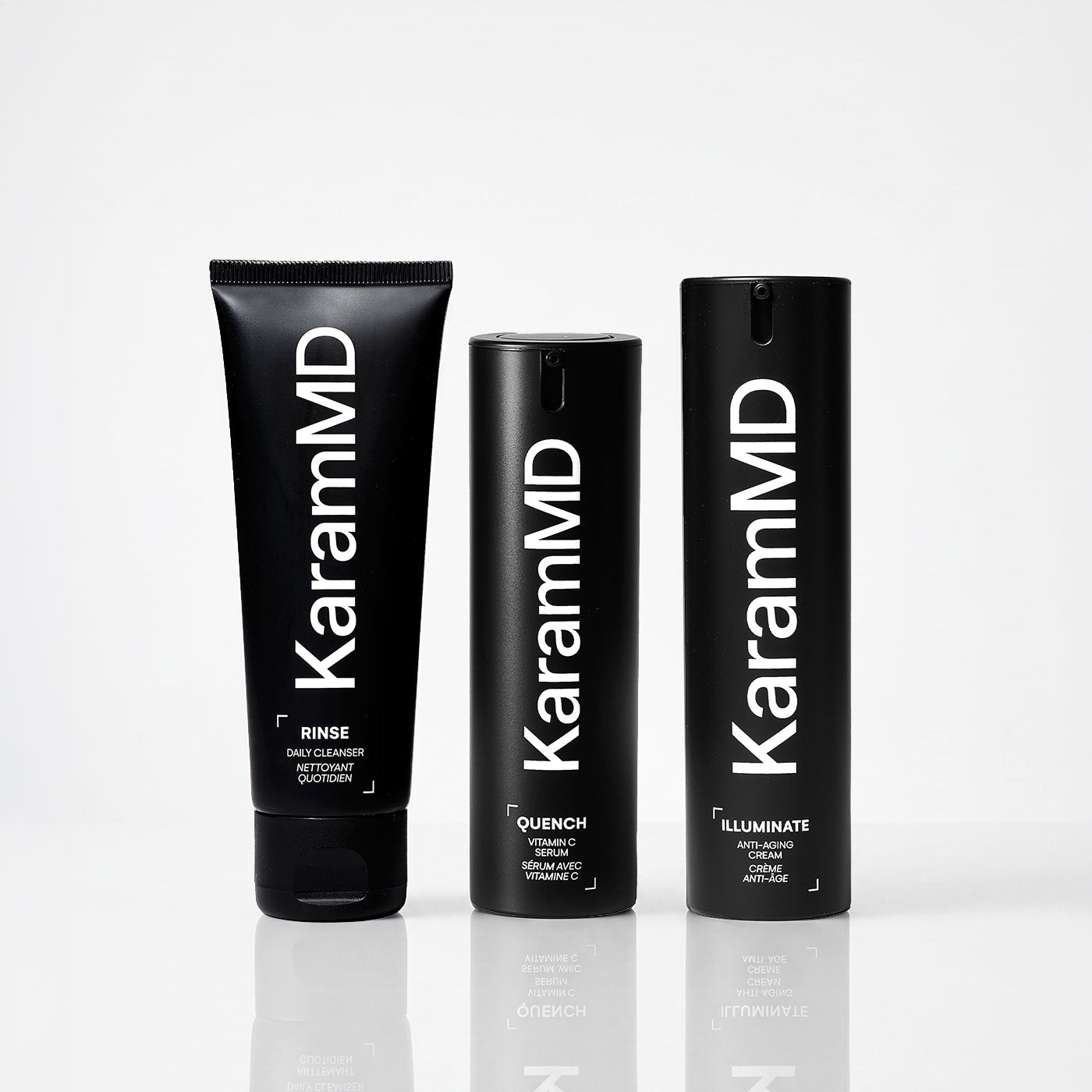
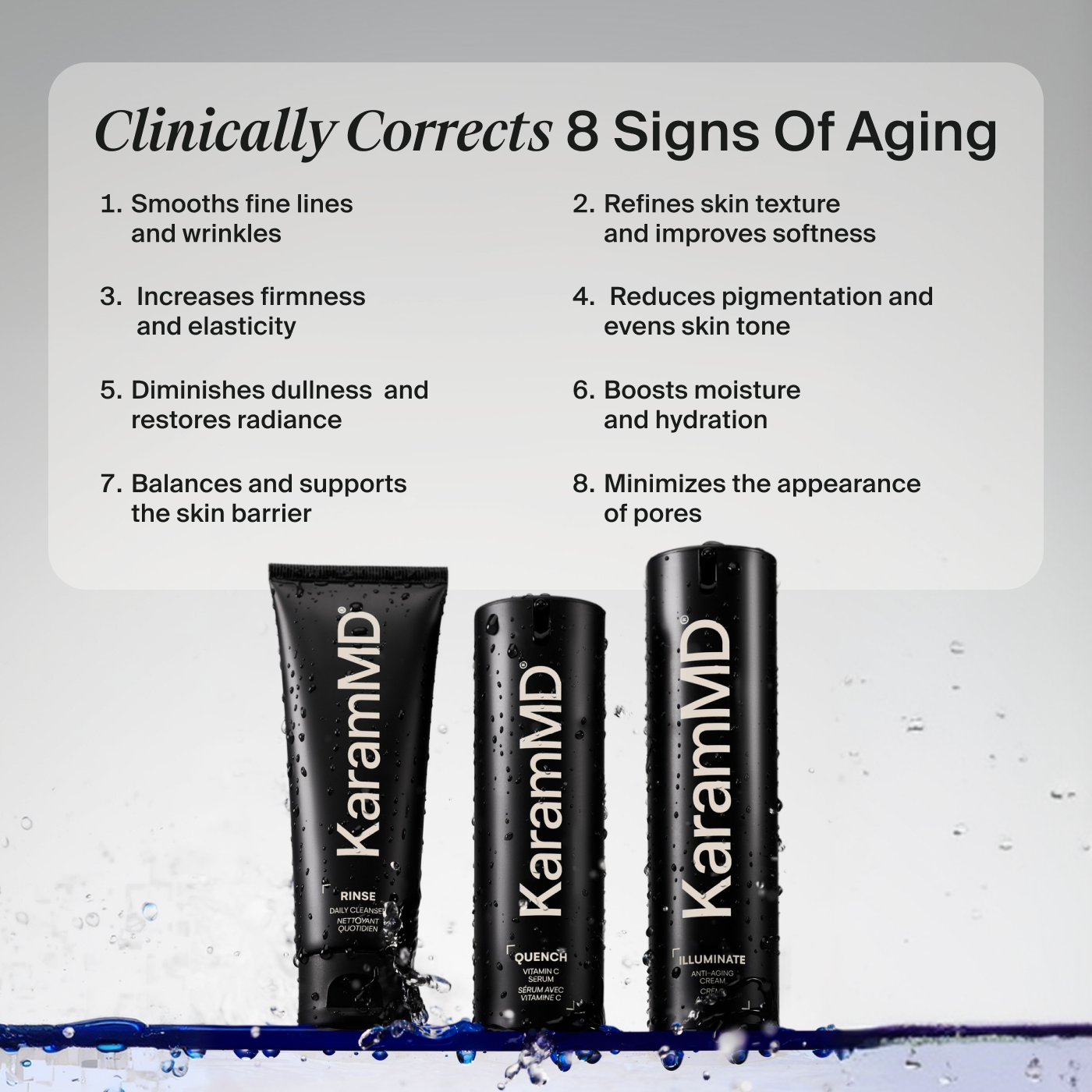
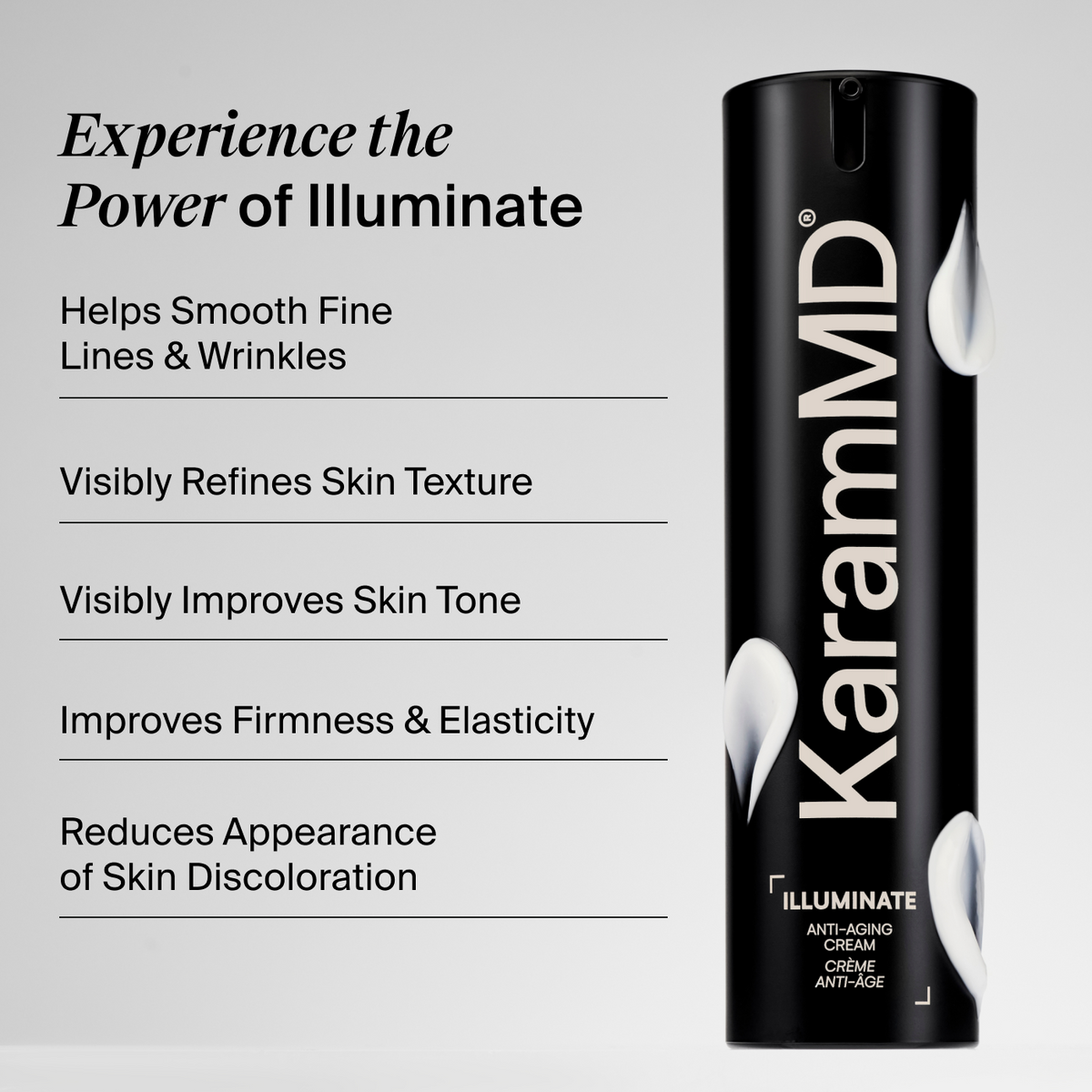
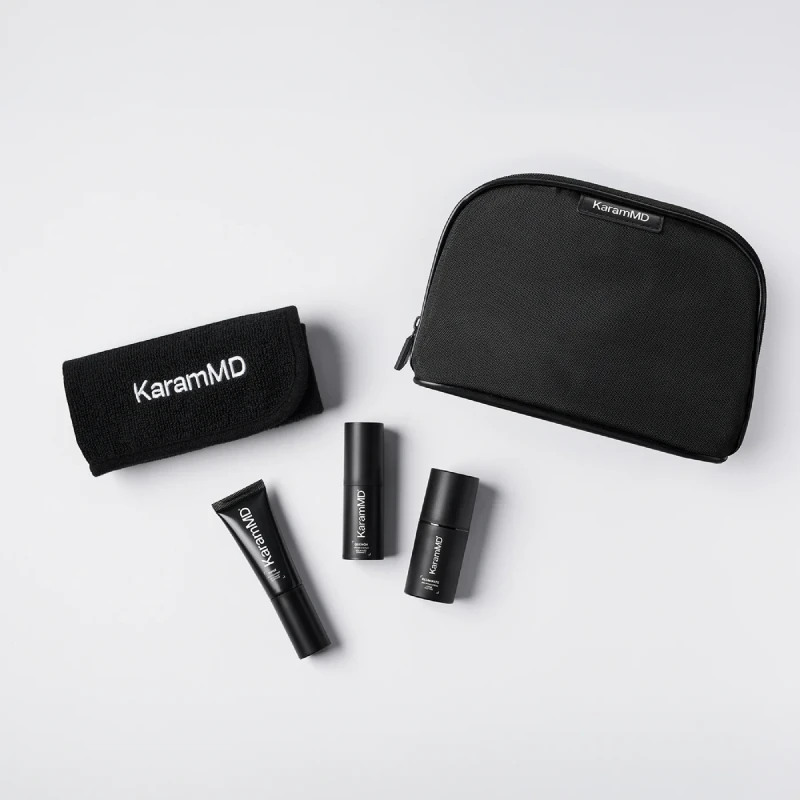
KaramMD’s Trifecta was designed with this exact goal in mind. The system combines these essential actives into a streamlined routine that is clinically shown to smooth wrinkles, boost hydration, and improve firmness over time.

03.

Getting A Follow-up Too Soon Or Too Late

Timing matters. Botox is designed to last about 3 to 4 months, and that’s typically the ideal cadence for follow-ups. At that point, movement is beginning to return—but hasn’t fully come back. The perfect sweet spot. 

If you go too soon, you’re not giving your muscles time to fully recover. Over time, that can contribute to unnecessary weakening. It’s also a waste of money.

If you wait too long, there’s nothing inherently wrong, but you may lose some of the cumulative benefit. 

04.

Switching Up Injectors

Every injector has a slightly different approach. When you bounce between providers, it becomes harder to build a cohesive, long-term plan.

The best outcomes come from working with someone who understands your face over time, tracks how your muscles respond, and evolves your treatment accordingly. In other words: put yourself in good hands, and stay there.

Interested in other mistakes to avoid? Here are the biggest Botox mistakes I see


The Perfect Complement To Injectables: KaramMD Trifecta

There’s no doubt that Botox can be a powerful tool to relax facial muscles and soften fine lines. But it’s only as effective as the skin sitting on top of those muscles. The reality is that no injectable—or even plastic surgery—can truly improve skin quality. Those approaches address movement, structure, and sagging. But luminous, even, resilient skin comes down to the products you use every single day. 

KaramMD’s Trifecta is designed as a streamlined, three-step routine. It combines essential ingredients into a system that supports skin at every level—helping to improve quality in a way injectables alone can’t. Pair the Trifecta with daily mineral sunscreen, and you’ve got all your bases covered. 

Amir Karam MD

Board Certified Facial Plastic Surgeon
Founder / Creator of KaramMD Skin

Dr. Amir Karam is a world-renowned facial plastic surgeon specializing in facial and skin rejuvenation. With over two decades of experience, he has helped countless patients achieve a naturally youthful, refreshed appearance. As an innovative surgeon, researcher, textbook author, and speaker, he is a leading authority in his field. Beyond performing surgical procedures that restore a youthful facial shape, he emphasizes the importance of skin quality, ensuring a comprehensive approach to facial rejuvenation. As the founder of KaramMD Skin, he is dedicated to making advanced skincare simple, effective, and accessible—helping you look as young as you feel.

1 comment

Susan Lovett

What peptides are included in the Karam regime?
———
KaramMD Skin replied:
Hi Susan—Thanks for your comment! The Trifecta includes Acetyl Tetrapeptide which can help improve the skin’s elasticity and firmness reducing the appearance of fine lines and wrinkles. Additionally it can help reduce puffiness and dark circles around the eyes by improving lymphatic circulation.

Leave a comment

All comments are moderated before being published.

This site is protected by hCaptcha and the hCaptcha Privacy Policy and Terms of Service apply.