


The 6 Biological Causes of Visible Skin Aging
Skin aging is more complicated than simply losing collagen or developing wrinkles. While genetics and time certainly play a role, environmental exposure and changes in skin biology contribute to what we eventually see in the mirror.
I like to organize these changes into six major processes:
- Collagen and elastin decline. These structural proteins give skin its strength, firmness, and elasticity. As they decline, skin becomes less resilient and wrinkles become more noticeable.
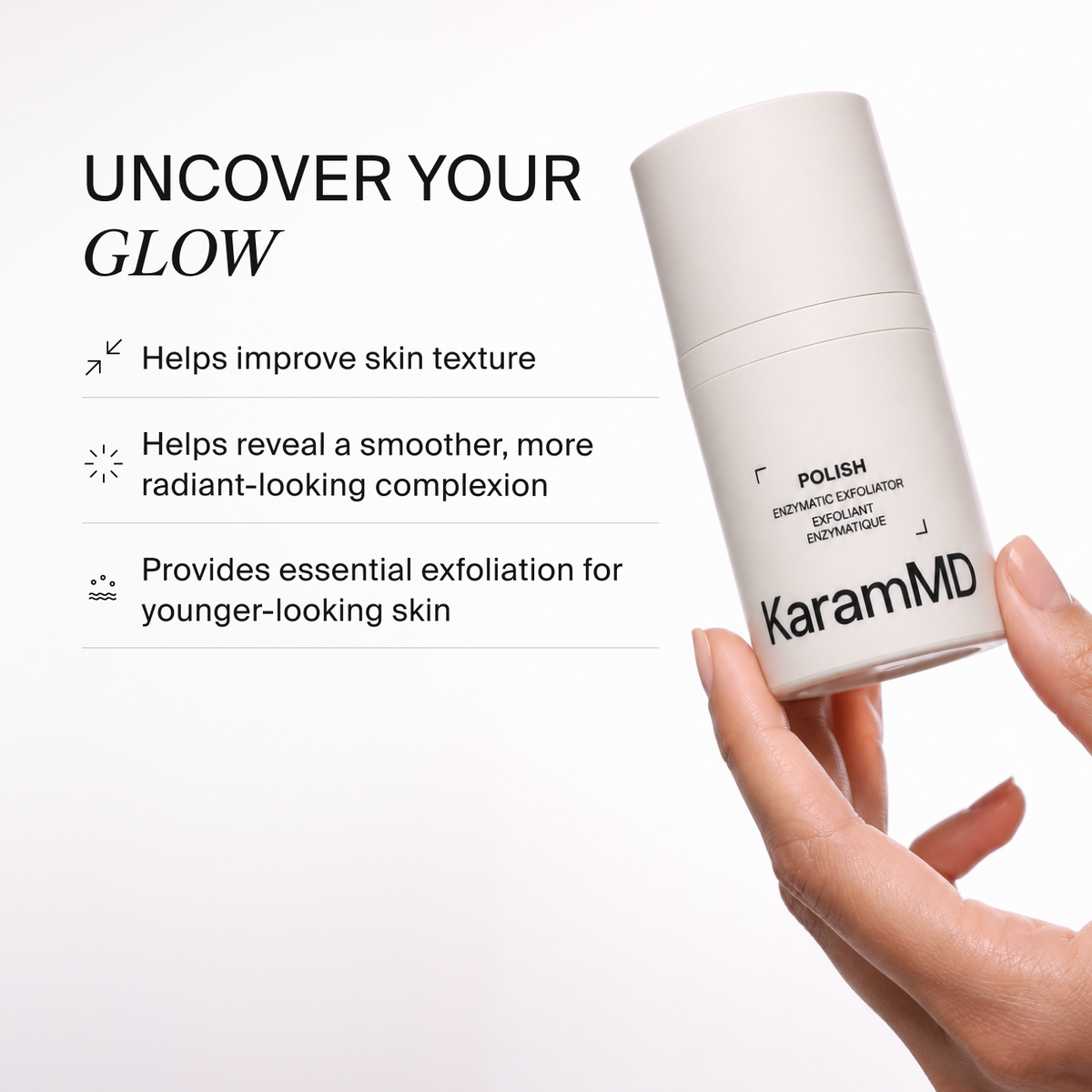
- Slower cell turnover. Skin renews itself less efficiently, allowing dead cells to accumulate and contributing to roughness, uneven texture, and dullness.
- Barrier dysfunction. The protective outer layer becomes less effective at retaining moisture and defending against environmental irritants.
- Inflammation and oxidative stress. UV exposure, pollution, and other environmental stressors contribute to cellular damage and accelerate visible aging.
- Moisture loss. Changes in the skin's ability to attract and retain water contribute to dehydration, reduced plumpness, and more visible fine lines.
- Pigment dysregulation. Changes in melanin production and distribution contribute to uneven skin tone, sun spots, and discoloration.
These aren't six completely independent problems. They are interconnected processes that often reinforce one another.
For example, environmental damage can accelerate collagen breakdown while also contributing to pigmentation changes. Barrier dysfunction can increase moisture loss and irritation. Slower cell turnover can make both texture and discoloration more noticeable.
That's why focusing on one ingredient or one visible concern often leaves important aspects of skin aging unaddressed.




Leave a comment
All comments are moderated before being published.
This site is protected by hCaptcha and the hCaptcha Privacy Policy and Terms of Service apply.