5 Ways Inflammation Is Quietly Aging Your Skin After 40

5 Ways Inflammation Is Quietly Aging Your Skin After 40

Written by Founder, Amir Karam MD

Quote Icon

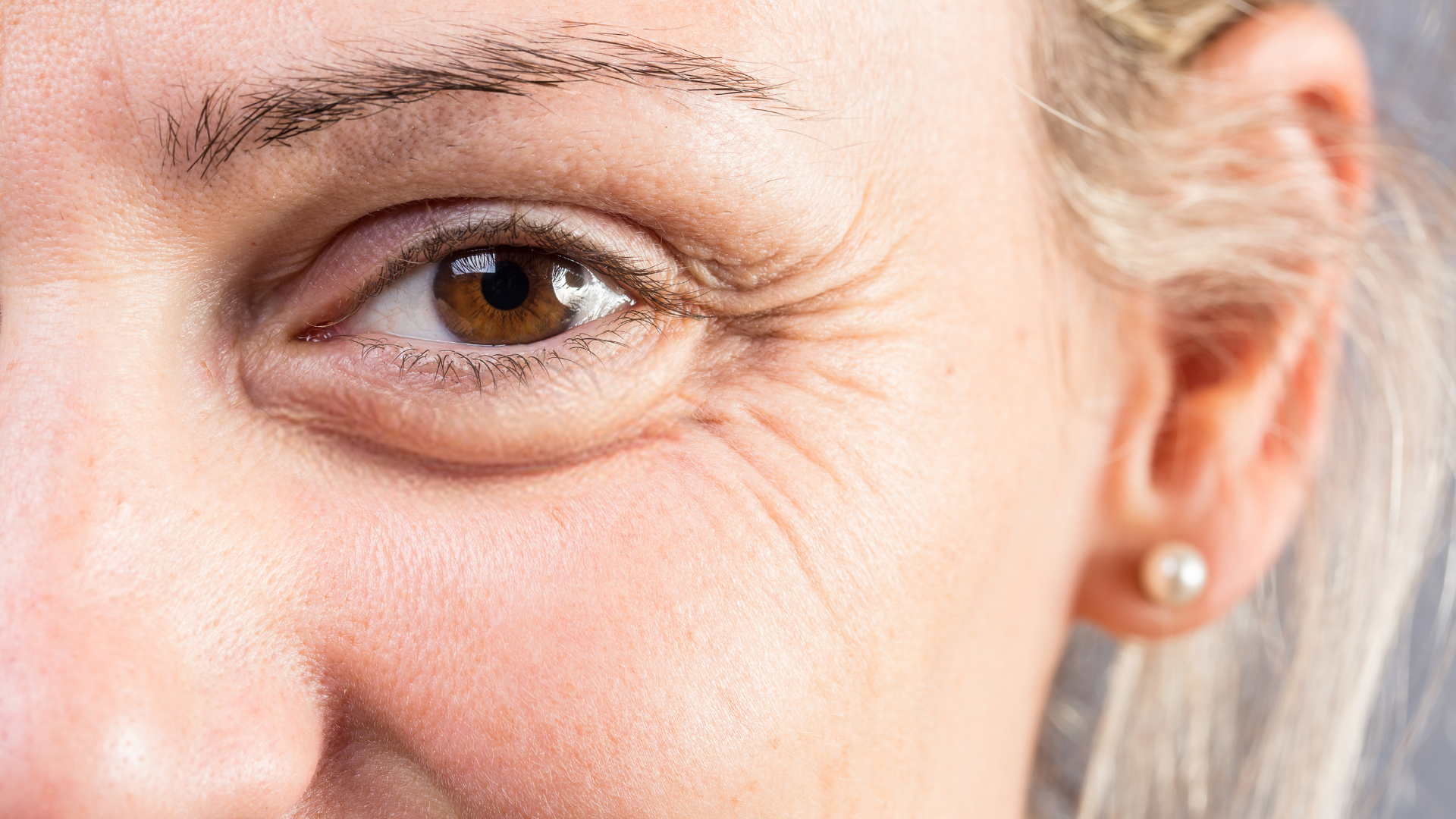
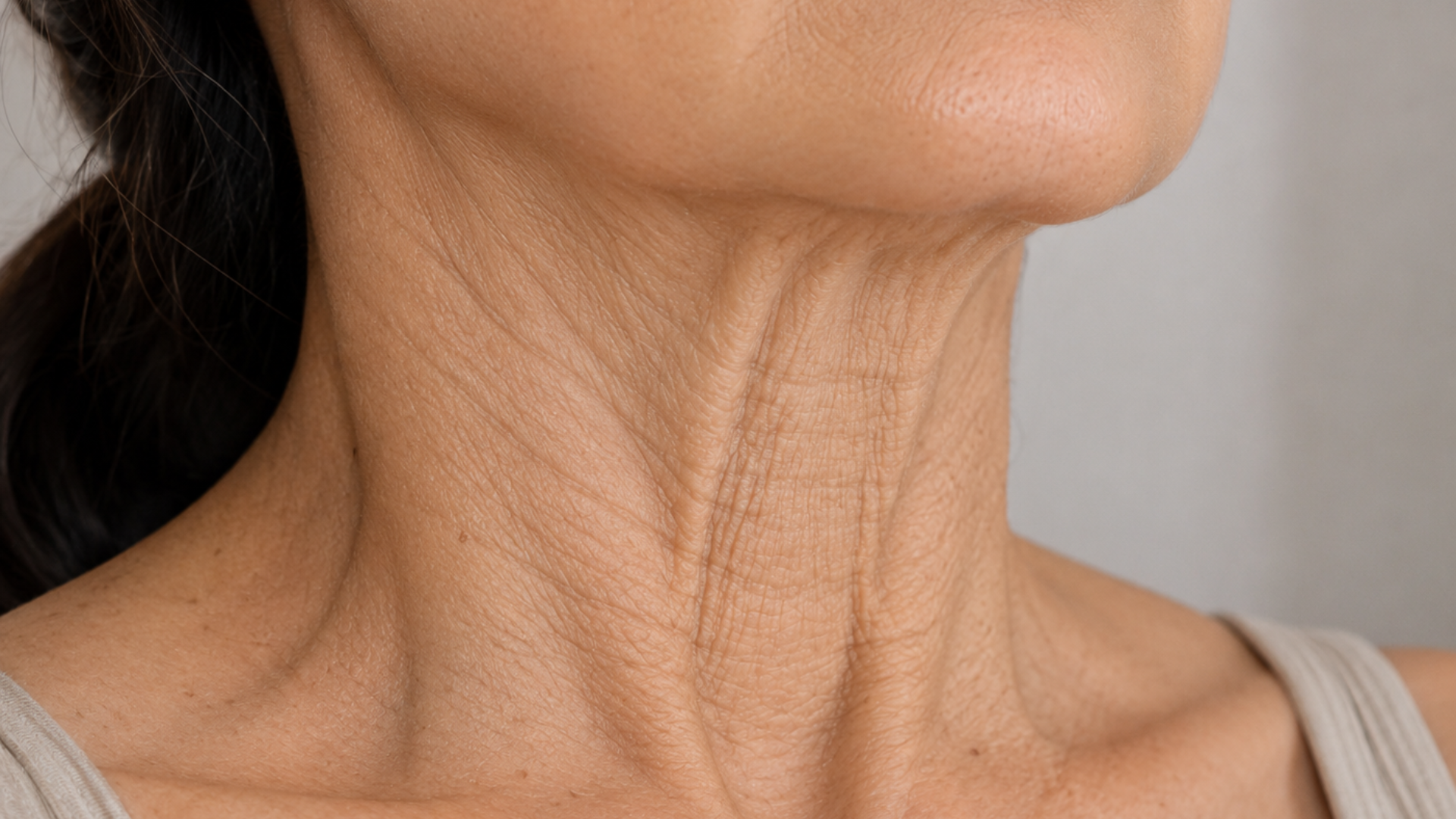
Something is aging your skin right now, and there's a good chance it can't be seen in the mirror.

This is chronic inflammation, one of the most overlooked drivers of skin aging after 40.

It isn't quite as easy to target as a new wrinkle or a sudden dark spot, and unlike a breakout or a sunburn, it never fully switches off. But, understanding how it works makes it a lot easier to do something about it.

What Is "Inflammaging" and Why Does It Matter for Skin Aging?

Inflammaging is the medical term for the low-grade, chronic inflammation that builds in the body with age, even in people who are otherwise healthy. Researchers now consider it one of the central mechanisms behind visible skin aging, including collagen loss and a weakened skin barrier.

Researchers coined the term to describe why aging bodies run a low level of inflammatory activity in the background, with no clear injury behind it. It's a well-documented framework in aging research, and it tends to show up in skin long before it shows up anywhere else.

Acute vs. Chronic Inflammation: What's the Difference?

  • Acute inflammation is inflammation working correctly. A cut, a sunburn, a breakout — the redness and swelling that follow are the immune system doing repair work, then clearing out.
  • Chronic inflammation has no obvious injury and no single trigger. It runs quietly, at a low level, for years. Autoimmune conditions like lupus, POTS, and Ehlers-Danlos syndrome represent this at its most extreme, but a far subtler version is active in the skin of most people over 40 — and it usually just looks like aging: dullness, thinning, sensitivity, slower recovery.

5 Factors Driving Chronic Inflammation + What Actually Helps

The most common culprits behind chronic inflammation, and what actually helps each one.

01.

Estrogen Withdrawal

Of the five causes here, this is the one that tends to hit hardest and fastest, because it's tied to a specific hormonal shift rather than a slow decline.

How Does Menopause Affect Skin Aging?

Estrogen decline during perimenopause and menopause removes two things from skin at once: the hormone that stimulates collagen production, and the hormone that was quietly keeping inflammation in check. Losing both together is why skin can suddenly feel thinner, more reactive, and less resilient.

Estrogen and collagen move together throughout life — plotted over time, collagen levels roughly mirror the estrogen curve, declining slowly through the 20s and 30s.

At perimenopause and menopause, that curve drops off a cliff, which is often why skin feels like it changed overnight rather than gradually.

Why Skin Becomes So Reactive During This Transition

Estrogen wasn't only driving collagen, it also worked as a built-in anti-inflammatory agent. When it drops, both jobs disappear at once, which is why products that felt fine for years can suddenly start to sting, seemingly out of nowhere.

It's worth naming a real gap here: research on how menopause affects the female inflammatory response specifically is still thin, since much of what's known about inflammation more broadly comes from studies done primarily in male subjects. A lot of generic skincare advice simply isn't built on data that reflects what's happening in menopausal skin.

What Actually Helps

There's no simple hack here. The most useful step is an honest conversation with a physician about hormone status. But, from a skincare standpoint, a few ingredients have the strongest evidence for stimulating collagen:

  • Retinol — supports collagen turnover and cell renewal
  • Peptides — signal skin to produce more collagen
  • Vitamin C — supports collagen synthesis and offers antioxidant protection

These are more reliable tools than anything promising to replace estrogen topically.

02.

Glycation

This cause has less to do with internal changes and more to do with what's on the plate each morning — and it's one of the least talked-about drivers of dull, tired-looking skin.

What Is Glycation and How Does Sugar Affect Skin Aging?

Glycation happens when sugar circulating in the bloodstream attaches to collagen and elastin, forming stiff, damaged structures called Advanced Glycation End Products, or AGEs. AGEs make collagen rigid instead of flexible, which shows up as dullness, a grayish cast, and a loss of skin's natural glow.

AGEs act almost like staples, cross-linking collagen fibers together, and they also trigger their own inflammatory response, which speeds up the breakdown of whatever collagen is left.

Research on skin AGEs and anti-glycation strategies consistently points to the same conclusion: blood sugar spikes translate directly into visible changes in skin quality.

Why Breakfast Matters More Than "Eat Less Sugar"

The first meal of the day sets the blood sugar tone for the hours that follow, so a high-glycemic breakfast has a bigger impact than the same food eaten later on.

Choices that spike blood sugar more than they appear to:

  • Sweetened or flavored yogurt
  • Flavored instant oat packets
  • Bagels and other refined-flour breads
  • Orange juice and sweetened cereal

Protein-forward swaps that flatten that spike:

  • Eggs and plain Greek yogurt
  • Nuts and avocado

Shifting the ratio doesn't require perfection to make a difference.

The Skincare Ingredient That Fights Glycation

Niacinamide has documented anti-glycation properties, backed by clinical research published in the Journal of the American Academy of Dermatology. A 12-week trial that found topical niacinamide measurably reduced skin yellowing, one of the clearest visible signs of AGE buildup, along with fine lines and blotchiness. Limiting AGE buildup limits the inflammatory response that speeds up collagen breakdown, managing, and preventing, visible signs of aging.

03.

A Compromised Skin Barrier

This cause runs in the opposite direction of the others. Instead of something in the body affecting skin, a damaged barrier is something happening in the skin, that sends inflammatory signals out to the rest of the body.

The skin barrier is the seal that keeps everything else in check.

When it holds up, it keeps moisture in and irritants out.

When it breaks down, it opens the door to the same chronic inflammation that speeds up visible aging, often well before dryness or sensitivity are noticeable.

Signs the Skin Barrier Is Weakening

The barrier reliably starts to weaken around age 50. Common signs include:

  • Baseline redness that doesn't fully go away
  • Products that sting or burn when they never used to
  • Rosacea flares with no obvious trigger
  • Skin that feels tight or reactive more often than not

Why This Matters Beyond the Skin — and the Simple Fix

A weakened skin barrier doesn't just let moisture escape — it releases inflammatory proteins called cytokines into the bloodstream. Cytokines then travel into general circulation, adding to inflammation elsewhere in the body meaning the skin barrier is a meaningful contributor to whole-body inflammation that can lead to signifigant health concerns, beyond just cosmetic implications.

The easiest way to prevent this is to support the skin barrier by:

04.

Cortisol and Chronic Stress

This is the cause most tied to daily life, which also makes it one of the more responsive to small, specific changes.

Can Stress Really Age Your Skin Faster?

Yes. Cortisol is inflammatory by design, and chronic stress keeps it elevated well beyond its intended short-burst role. Over time, elevated cortisol increases oil production, breaks down the skin barrier, and directly degrades collagen — a real, measurable structural change, not just a figure of speech.

Cortisol evolved to spike briefly for an acute threat, then return to baseline — harmless in that context. Modern, chronic stress instead keeps it elevated continuously.

A 2025 study of women aged 35 to 55 linked sustained psychological stress to measurable collagen downregulation and provided a structural explanation for the puffiness, breakouts, and flare-ups many people notice during stressful stretches.

Two Evidence-Backed Ways to Lower Cortisol

Completely eliminating stress isn't realistic, but there are ways to offset its effects.

Here are two free, research-backed ways to reduce stress:

05.

Your Own Skincare Routine

This is the one cause that isn't coming from outside the body — it might be coming from what's already sitting on the bathroom counter.

Is Your Skincare Routine Actually Causing Inflammation?

Layering too many high-strength actives — retinol, strong vitamin C, AHAs, harsh cleansers — twice a day can repeatedly strip the skin barrier instead of strengthening it. That triggers the same inflammatory cascade that ages skin faster, meaning an overly aggressive routine can work against the results it's meant to produce.

Signs a Routine Is Doing More Harm Than Good

  • Skin that looks reactive or sensitive despite a long, "advanced" routine
  • Breakouts that started or worsened after adding more products
  • Tightness or stinging that wasn't there before
  • Reaching for another product every time skin looks inflamed, instead of taking something away

How to Reset an Inflamed Routine

The issue usually isn't the actives themselves — it's unmanaged actives at aggressive doses, with nothing in the formula balancing and calming the inflammatory response they trigger.

For skin that's already reactive, the simplest reset works best:

Bringing It All Together

Estrogen withdrawal, glycation, a compromised skin barrier, chronic cortisol elevation, and an overly aggressive skincare routine all feed the same underlying process. Each one adds to inflammation and speeds up the visible signs of aging that most routines are trying to prevent in the first place.

Skin doesn't age in a vacuum — it responds, day after day, to hormones, blood sugar, barrier health, stress, and the products applied to it.

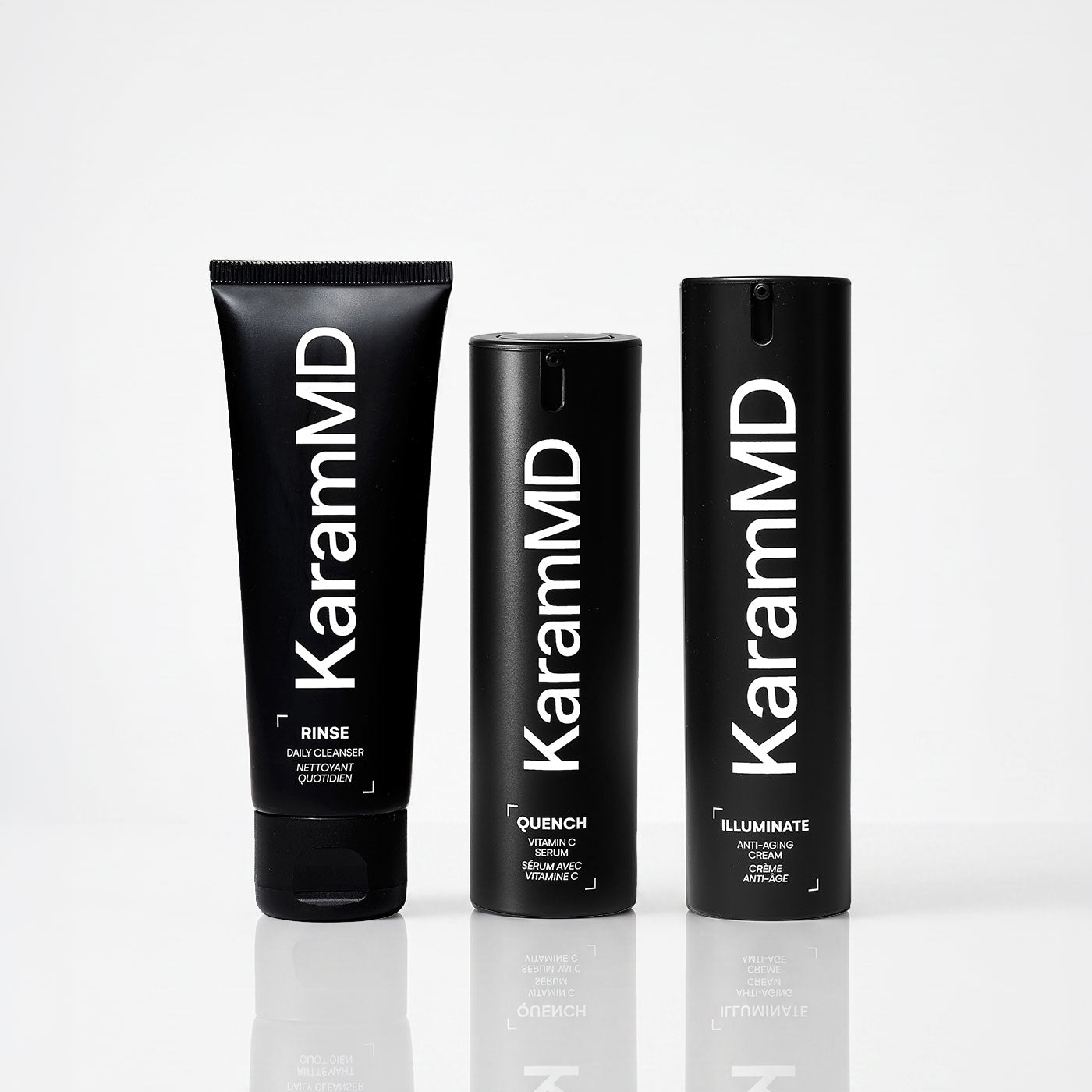
Addressing all five comes down to the same three things: collagen support, barrier protection, and calming ingredients working together instead of competing with each other. That's the framework behind Karam MD Skin's Trifecta System, a three-step routine built specifically to work against inflammaging rather than add to it.

Mapping the System to the Five Causes

  • Estrogen withdrawal: retinol, peptides, and vitamin C — the three ingredients with the strongest evidence for stimulating collagen — are built into Illuminate and Quench.
  • Glycation: niacinamide in Illuminate has documented anti-glycation properties, directly addressing the AGE-driven dullness and gray cast covered above.
  • A compromised skin barrier: Rinse cleanses without disrupting the barrier, and Illuminate is formulated with squalane and shea butter to reinforce it, supporting the same barrier function tied to whole-body inflammation.
  • Cortisol and chronic stress: the calming botanicals in Illuminate work to offset the inflammatory cascade that stress-elevated cortisol sets off in skin.
  • An overly aggressive routine: the Trifecta's actives are microdosed by design rather than layered at full strength — the difference between a system that delivers results and one that compounds irritation.

Three steps, twice a day: cleanse, treat, moisturize. Delivering meaningful concentrations of retinol, vitamin C, niacinamide, and peptides without overwhelming the barrier is what separates a routine that works against inflammaging from one that quietly adds to it.

Mapping the System to the Five Causes

  • Estrogen withdrawal: Retinol, peptides, and vitamin C — the three ingredients with the strongest evidence for stimulating collagen — are built into Illuminate and Quench.
  • Glycation: Niacinamide in Illuminate has documented anti-glycation properties, directly addressing the AGE-driven dullness covered above.
  • A compromised skin barrier: Rinse cleanses without disrupting the barrier, and Illuminate is formulated with squalane and shea butter to reinforce it, supporting the same barrier function tied to whole-body inflammation.
  • Cortisol and chronic stress: the calming botanicals in Illuminate work to offset the inflammatory cascade that stress-elevated cortisol sets off in skin.
  • An overly aggressive routine: the Trifecta's actives are microdosed by design rather than layering conflicting products at full strength — the difference between a system that delivers results and one that compounds irritation.

Three steps, twice a day, delivering meaningful concentrations of barrier-supporting actives without overwhelming the skin, is what separates a routine that works against inflammation from one that quietly adds to it.

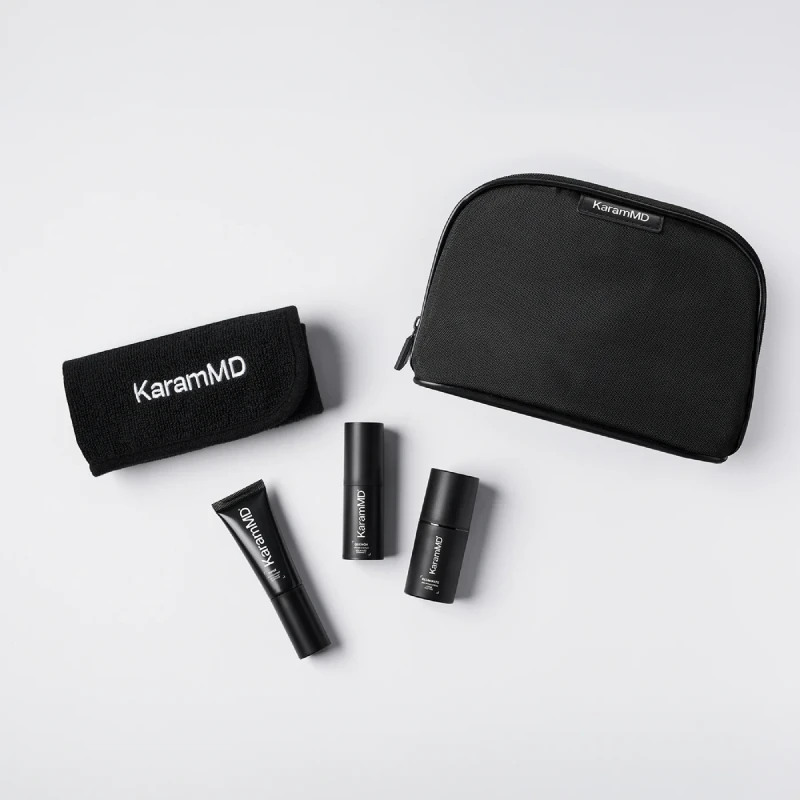
KaramMD Trifecta

CHF 321.00

20% OFF WITH SUBSCRIPTION

Trifecta's Three Steps

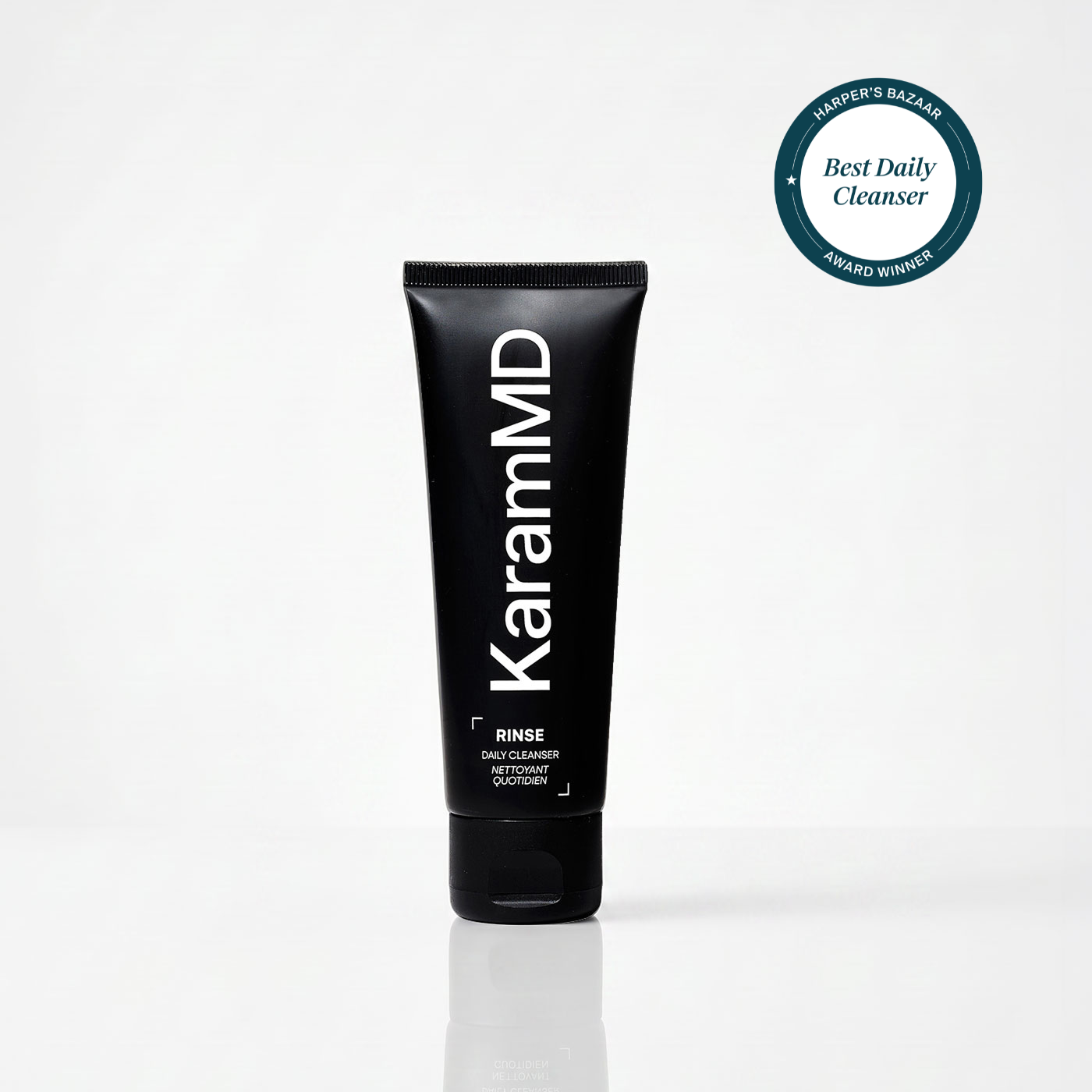
  • Rinse (cleanser): clears impurities without stripping the barrier. Its glycolic acid is dosed to stay on skin for only seconds before rinsing away, delivering gentle exfoliation without the barrier damage that comes from leave-on acids used at full strength.
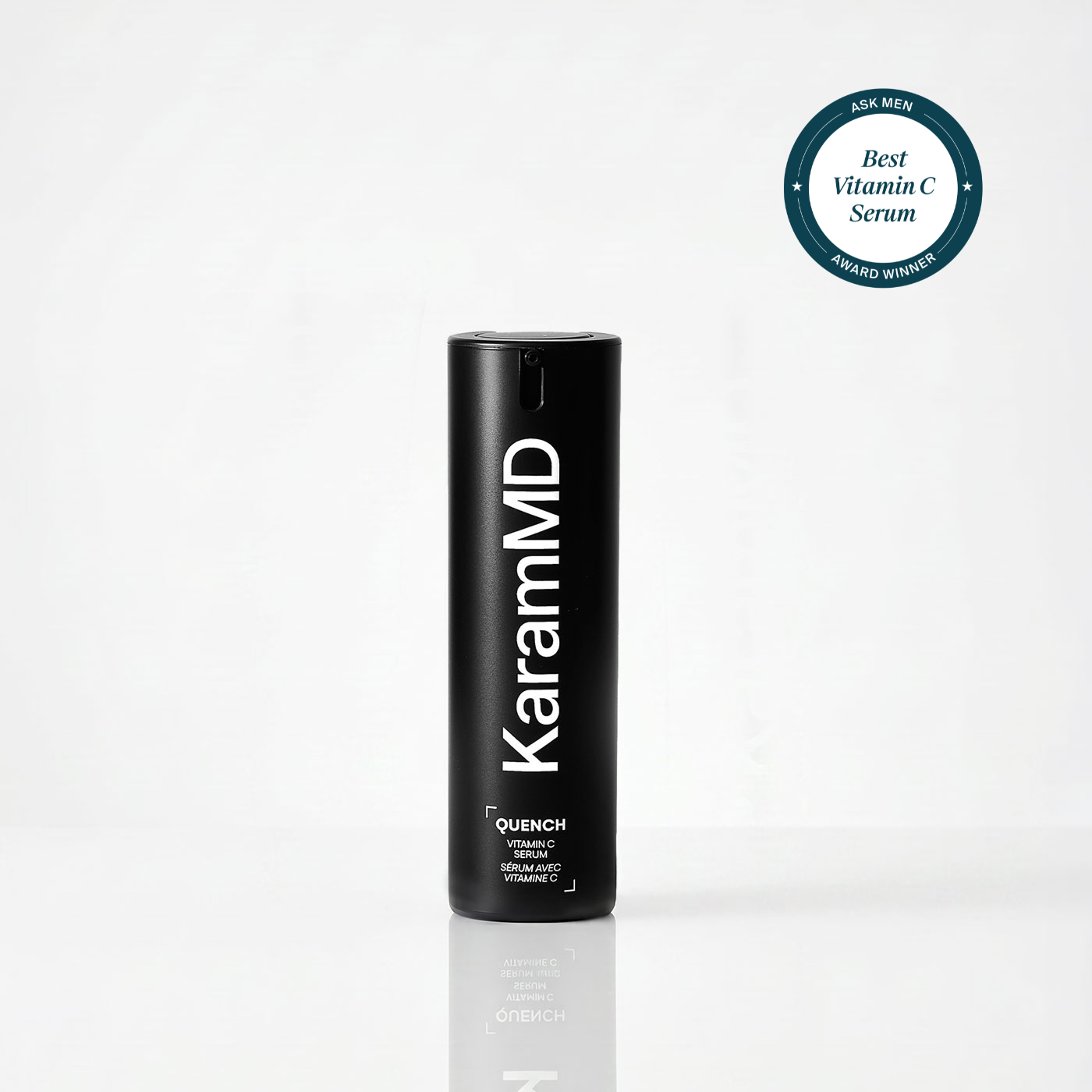
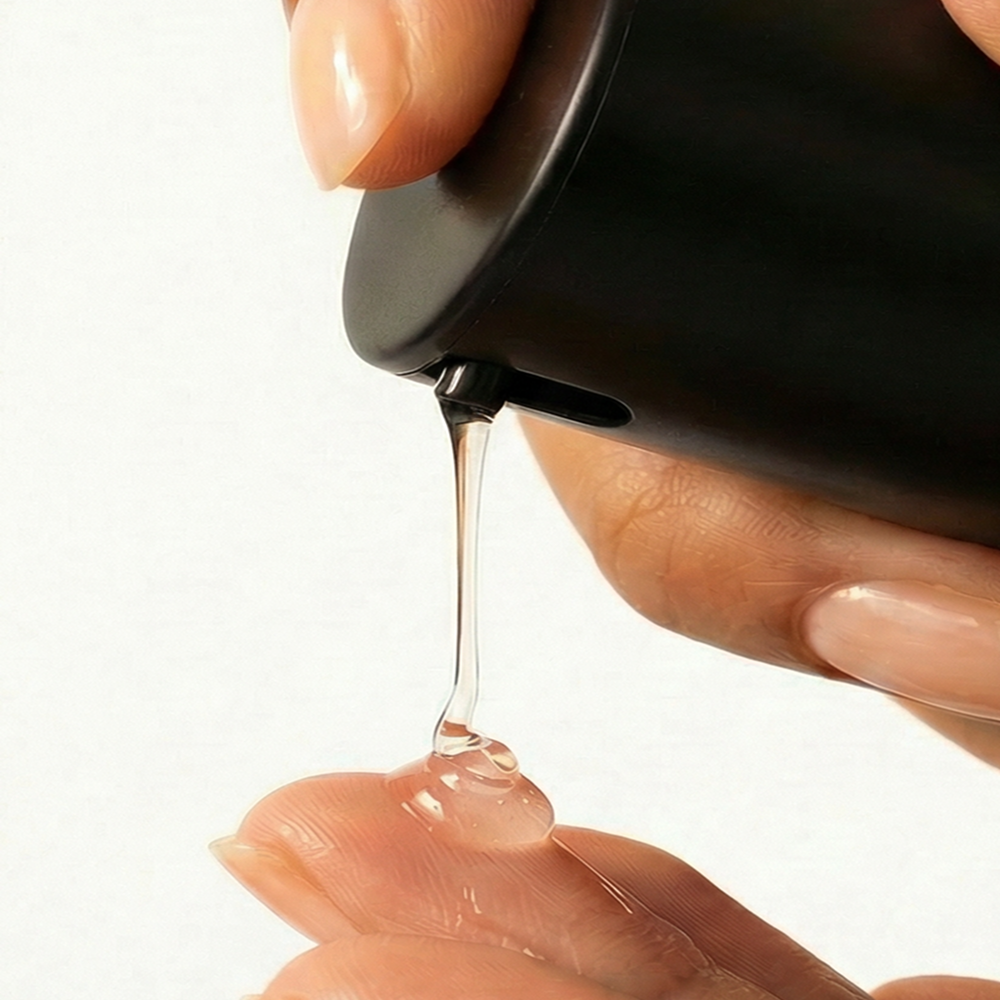
  • Quench (serum): delivers vitamin C in three stabilized forms alongside hyaluronic acid. Spreading vitamin C across multiple forms is gentler on skin than straight ascorbic acid, while still supporting collagen synthesis and antioxidant protection.
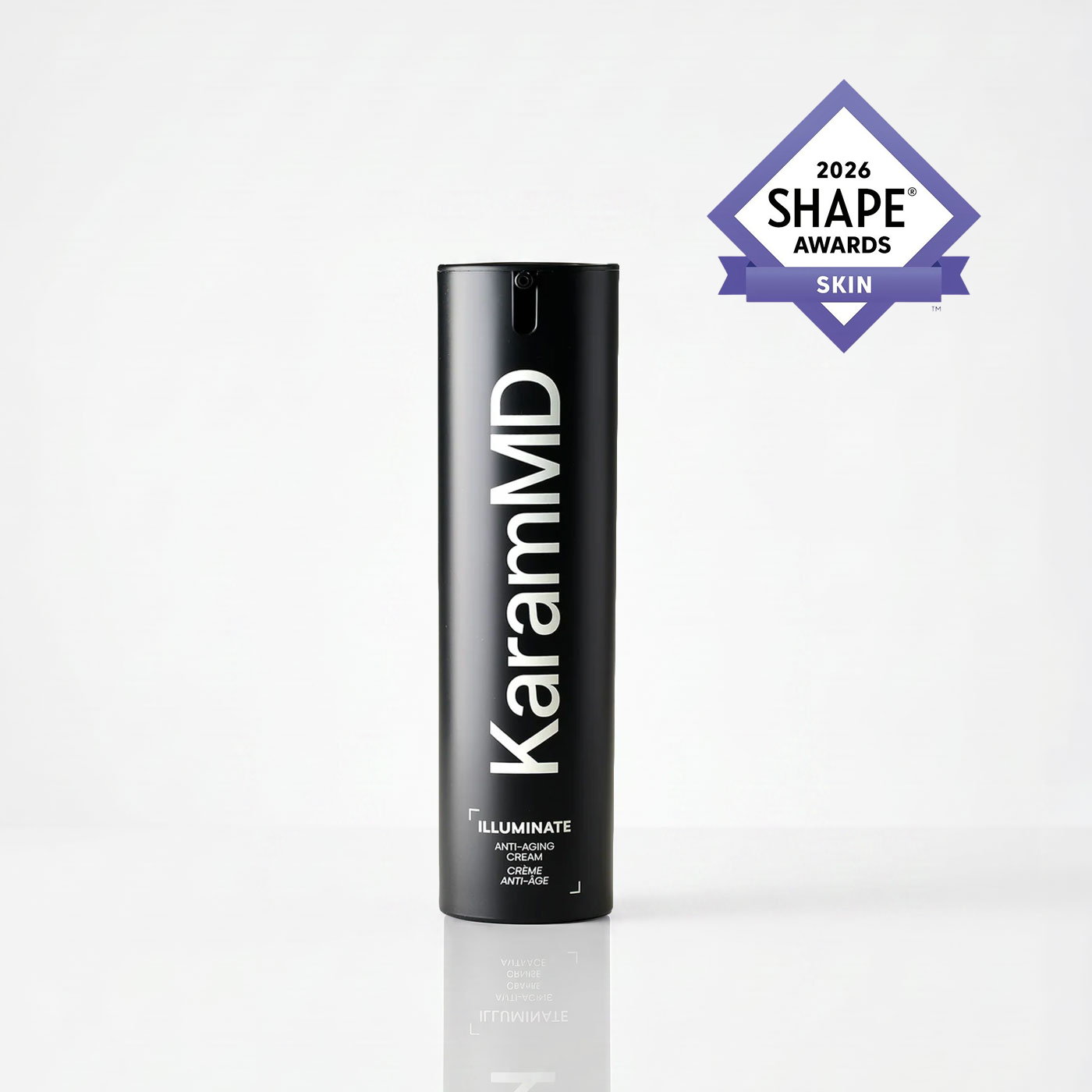
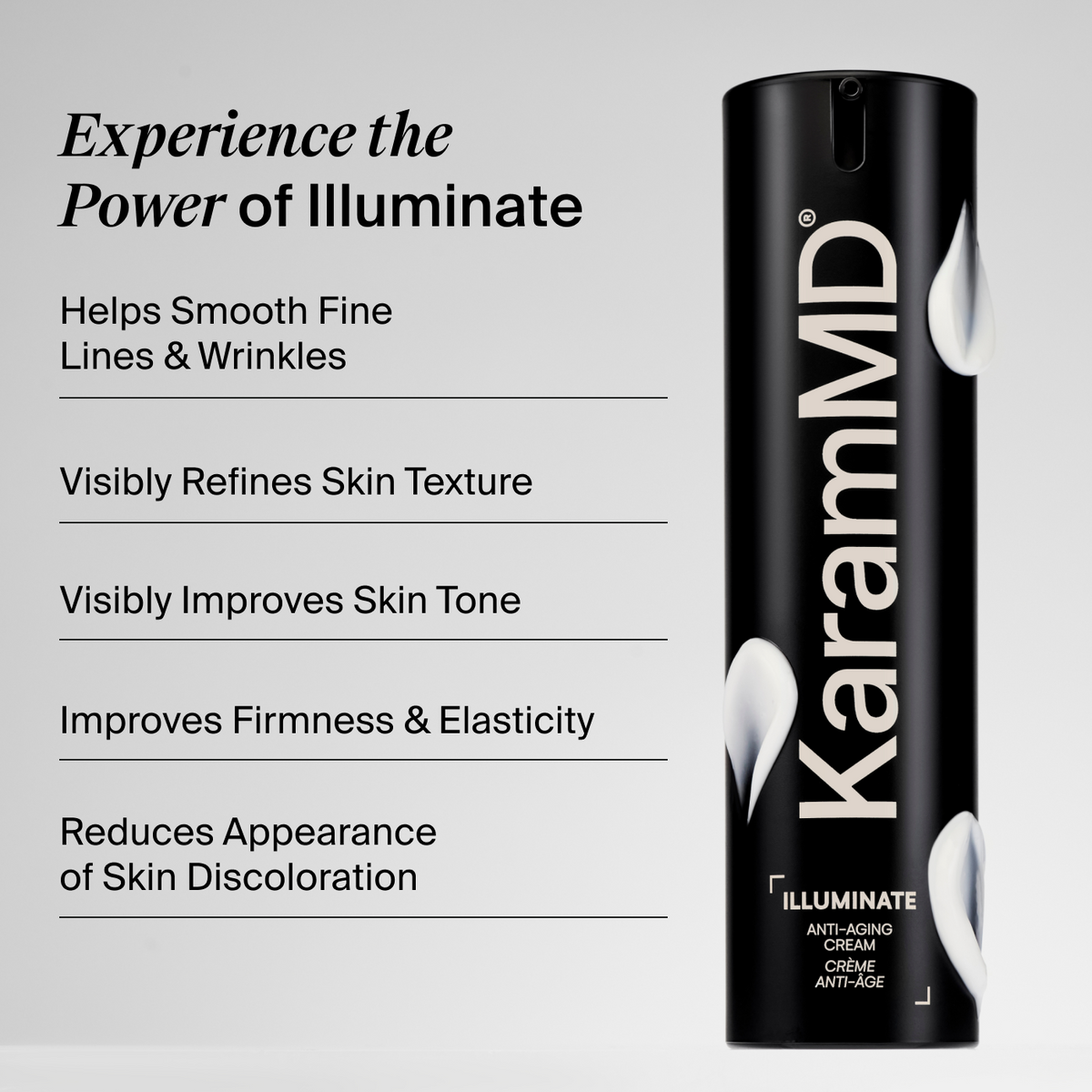
  • Illuminate (active moisturizer): combines retinol, niacinamide, and peptides with squalane, shea butter, and calming botanicals — fireweed, arnica, and calendula. Niacinamide helps skin tolerate retinol, while the botanicals offset the inflammatory response actives can otherwise trigger.
Amir Karam MD

Board Certified Facial Plastic Surgeon
Founder / Creator of KaramMD Skin

Dr. Amir Karam is a world-renowned facial plastic surgeon specializing in facial and skin rejuvenation. With over two decades of experience, he has helped countless patients achieve a naturally youthful, refreshed appearance. As an innovative surgeon, researcher, textbook author, and speaker, he is a leading authority in his field. Beyond performing surgical procedures that restore a youthful facial shape, he emphasizes the importance of skin quality, ensuring a comprehensive approach to facial rejuvenation. As the founder of KaramMD Skin, he is dedicated to making advanced skincare simple, effective, and accessible—helping you look as young as you feel.

Leave a comment

All comments are moderated before being published.

This site is protected by hCaptcha and the hCaptcha Privacy Policy and Terms of Service apply.