Why do hands often age faster than the face?
The hands are constantly exposed to ultraviolet light, weather, soaps, chemicals, and environmental stressors, yet most people protect them far less consistently than the face. Over time, the skin thins while structural fat is also lost, making the hands one of the earliest and most visible areas to show aging.
At What Age Do Hands Start To Look Older?
Most people begin to notice changes in their hands in their 40s, though the process starts much earlier. Volume loss and collagen decline begin gradually in the 30s, and cumulative sun damage that started in childhood continues to compound over time. The earlier you begin protecting and maintaining your hands, the more you can slow what becomes visible later.
Do Hand Creams Actually Work For Aging Hands?
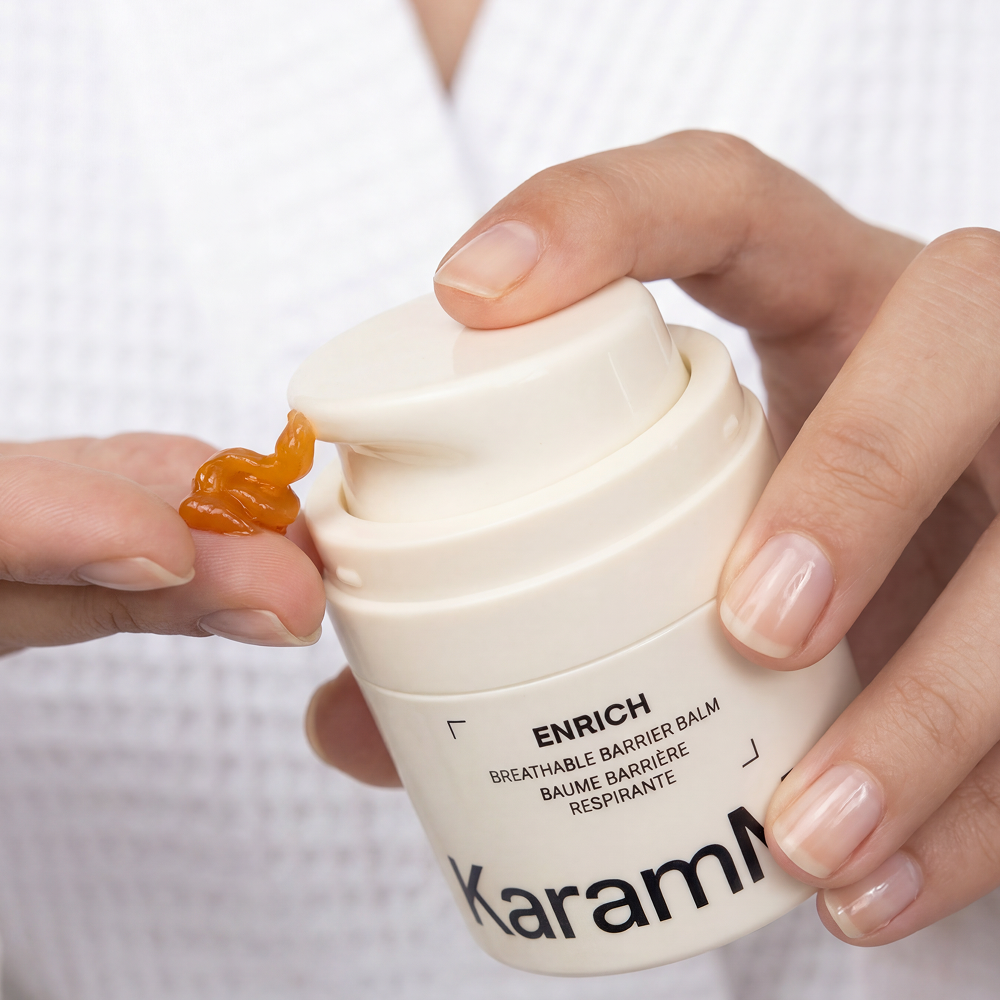
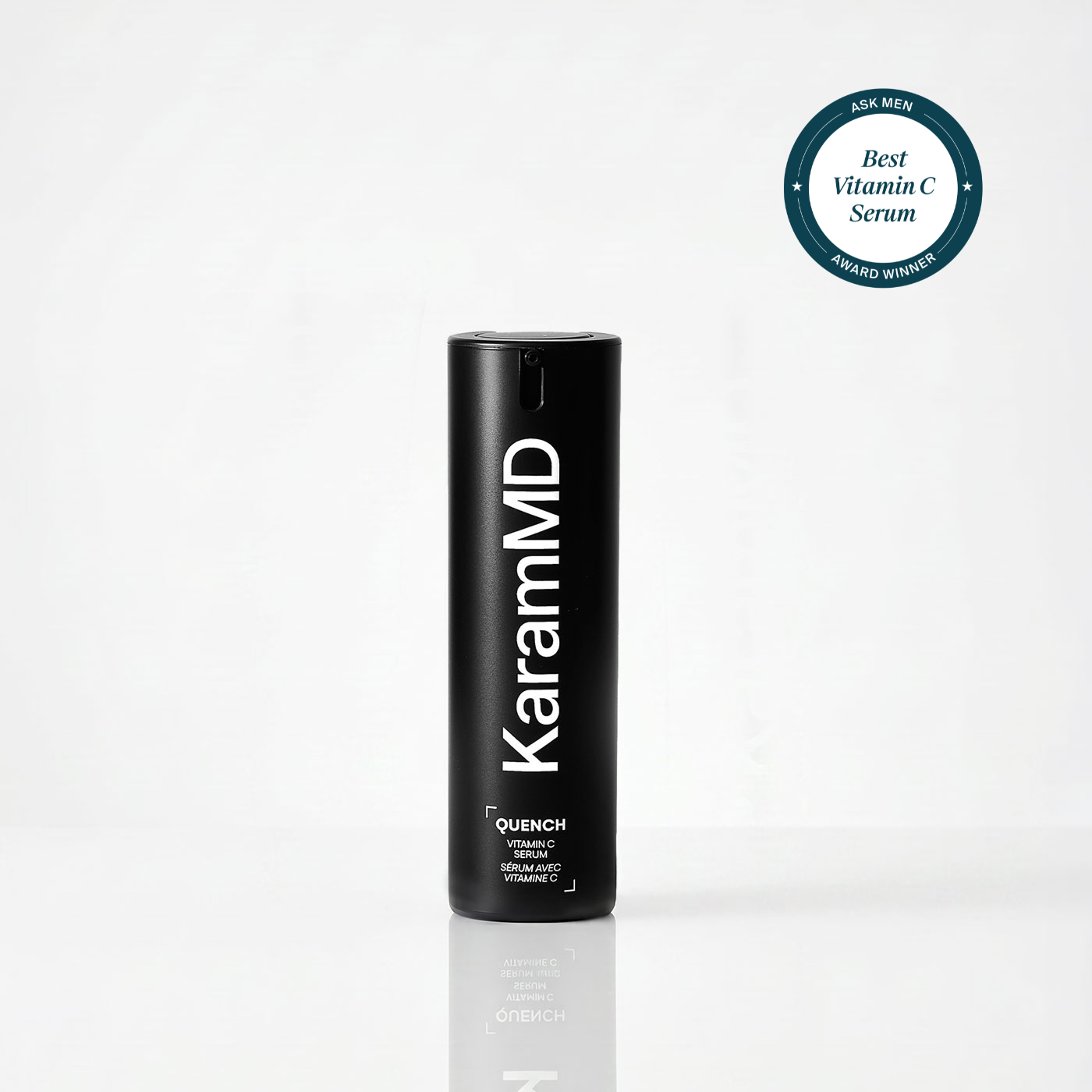
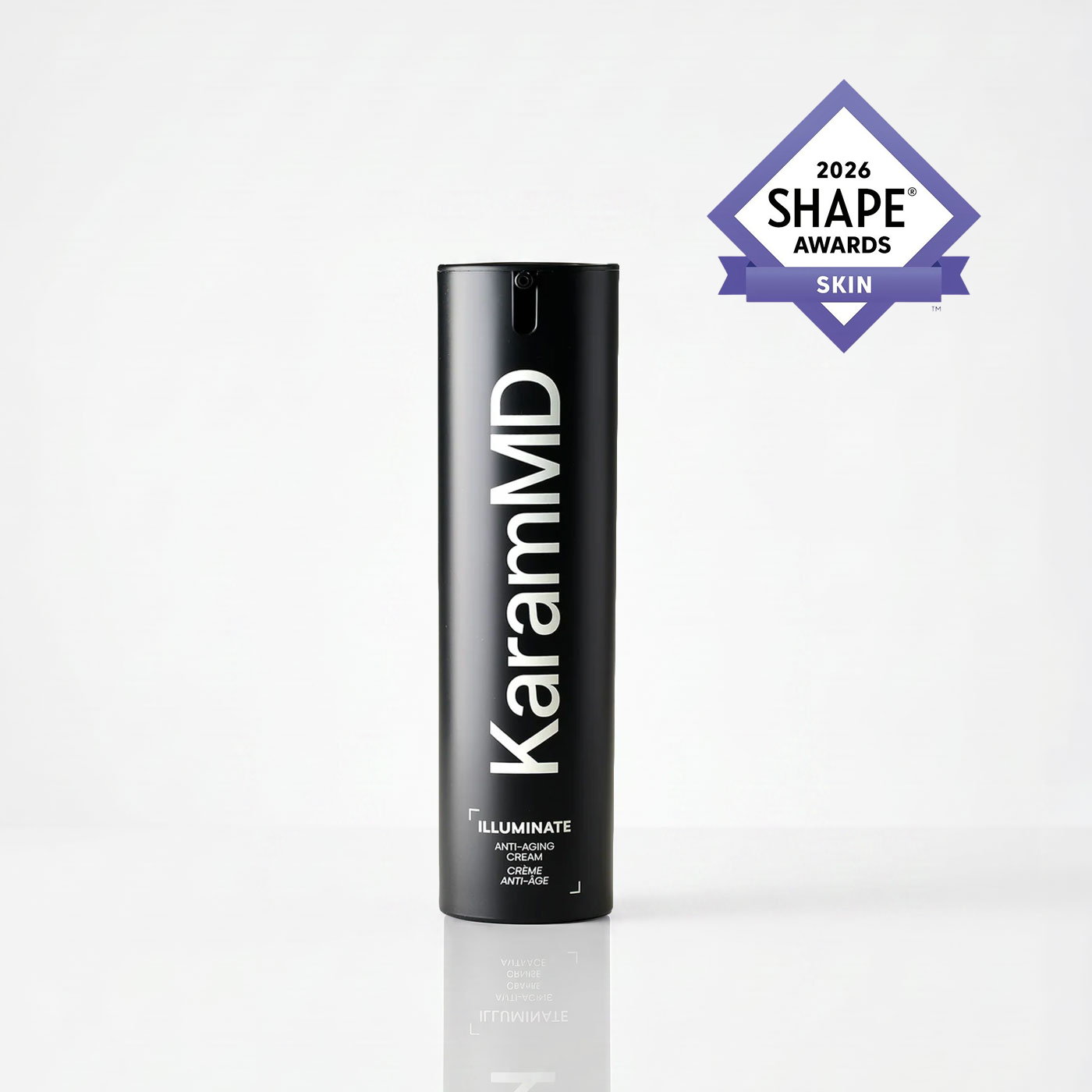
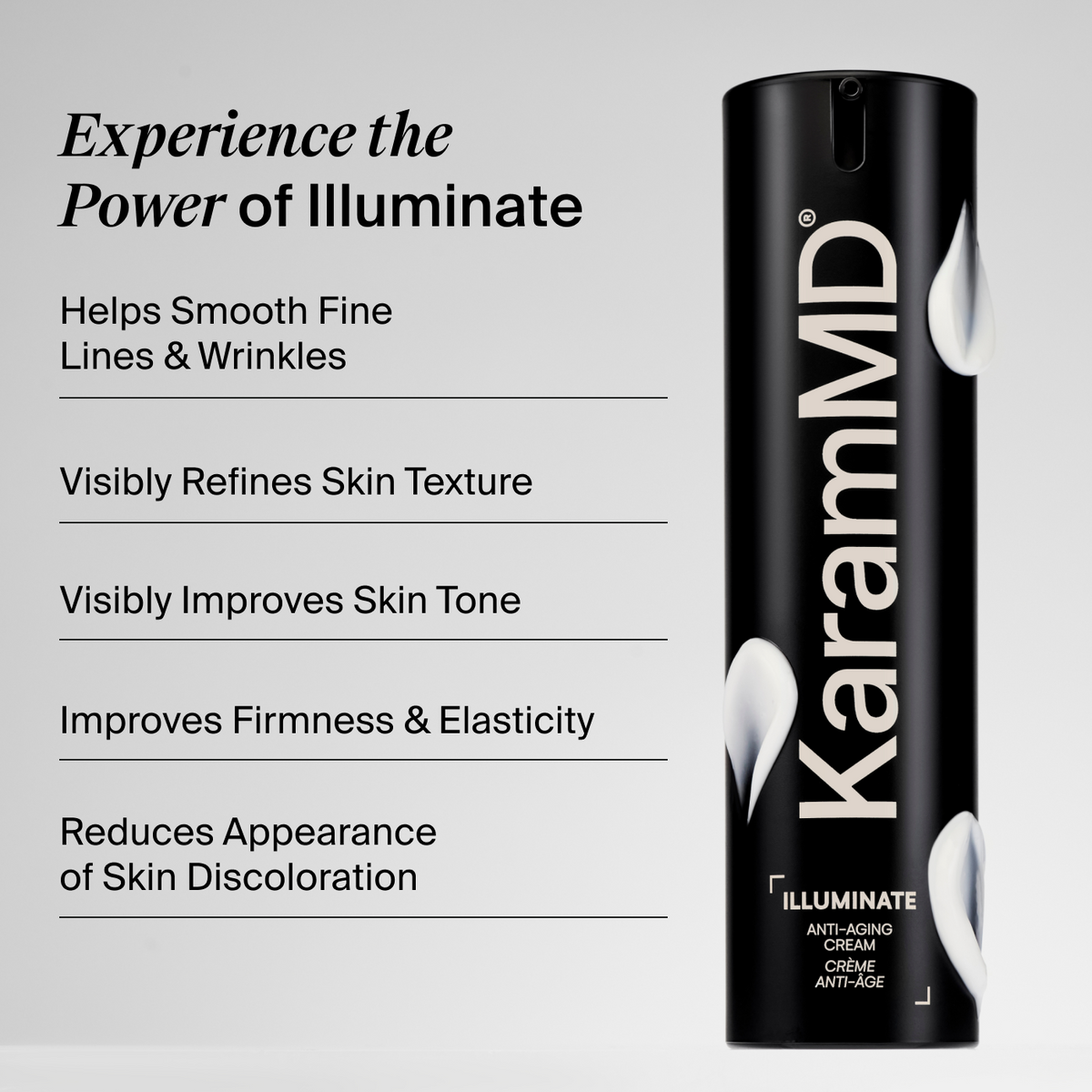
It depends entirely on what's in them. A basic moisturizer will hydrate and support the skin barrier, which matters. But for meaningful anti-aging benefits, you need actives: retinol to stimulate collagen and promote cell turnover, vitamin C to brighten and provide antioxidant protection, and SPF for daily defense. A hand cream without these ingredients is maintenance, not treatment.
Why Do My Hands Look So Veiny?
Visible veins in the hands are almost always a sign of volume loss rather than a vascular change. As the layer of fat beneath the skin diminishes with age, the veins, which haven't changed in size, have less cushion around them and become more prominent. This is a structural issue, which is why topical treatments alone won't fully address it. Restoring volume with hand rejuvenation treatments like fillers or fat transfer is the most effective way to soften their appearance.
Can skincare improve aging hands?
Yes — especially when it comes to skin quality, pigmentation, hydration, and collagen support. Ingredients like retinol, vitamin C, niacinamide, antioxidants, and daily sunscreen can significantly help maintain and improve the appearance of the hands over time.
Does sunscreen on the hands really make a difference?
Yes! The backs of the hands accumulate a tremendous amount of ultraviolet exposure over a lifetime, especially while driving and spending time outdoors. Daily SPF is one of the simplest and most effective ways to slow premature aging and pigmentation in the hands.
What is the best treatment for volume loss in the hands?
That depends on the degree of aging and the individual patient. Fillers such as Radiesse can restore softness and fullness while also stimulating collagen production. Fat transfer offers another very natural option, particularly for patients already undergoing facial rejuvenation surgery.
What is the difference between fillers and fat transfer for the hands?
Fillers are performed in the office with minimal downtime and provide immediate restoration of volume. Fat transfer uses your own tissue and can provide longer-lasting, very natural structural rejuvenation. In my surgical patients, fat transfer to the hands is often performed simultaneously with facial fat transfer to create better harmony overall.
Is it too late to improve aging hands?
Not at all. Prevention is ideal, but meaningful improvement can still be achieved through a combination of sun protection, skincare, collagen stimulation, and structural restoration when appropriate.







7 comments
Kim Laliberte
I am 63 years old. My hands have looked this age since I was in high school. I’ve been embarrassed of them
The entire life. Hearing you talk about procedures to make them look better touched my heart in ways you can’t imagine. I just wish I knew about this sooner (and wish there was help for my old lady fingers too). I also grew up with “alligator skin” which was later diagnosed as ichthyosis. My skin stays on my.. but a lot of it also sheds off (all over my bed, my clothes, the house— EVERYWHERE.) Nothing helps. It’s like a sandy beach everywhere I am. Beyond embarrassing.. so I never leave my house. I got teased and still get disgusting looks by people (including my friends).
I’ve been following you for years and a question. Breast cancer treatments and meds took a toll on my bones and now I have severe osteoporosis. I’ve had one kyphoplasty and two fusions in my back. I’ve been in pain ever since which is caused me to be very sedentary because it hurts so much to walk.
Over the years, this is caused the skin of my arms and legs to become very crepey and what I look like, honestly is what most people who are taking Ozempic, and those type of meds are looking like when they lose weight. I just had mine first because of me not moving much after my surgeries from 2015 and again in 2016 in 2018. My cancer was in 2008. I’m 5 feet tall because I lost 2 inches in height from my osteoporosis in the past few years and my weight fluctuates between 105 and 110 pounds actually weigh 94 pounds a few years ago are there any type of surgeries that can get rid of this crêpe? I know I can ask ChatGPT but I trust your answers more because you’re a real person.
Thank you for your time. I appreciate you.
~Kim🌸
———
KaramMD Skin replied:
Karen
I forgot to mention,,, the reason why I started to follow Dr K on utube was because of the episode he did on MELASMA,, have been suffering from this for about 8 years!!! Its extremely depressing,,, I started using his Trifecta,,, I’m on the second month,, I have noticed a little change,,,,will most likely have to use it every other month,,, trying to make it last d/t my budget. Thank you!💕
———
KaramMD Skin replied:
Hi Karen—Thank you for your comment and for sharing your story! Eight years is a long time to struggle with melasma, and we completely understand how emotionally draining it can be. We’re so glad to hear that you’ve already started noticing changes in just two months with the Trifecta. Melasma is one of the most stubborn skin conditions there is so patience and consistency are everything. As for stretching it out due to budget, that’s completely understandable but make sure you’re using it twice daily as directed and are diligent about daily SPF (which is non-negotiable with melasma!). Keep going, you’re on the right track!
Karen
OMG your lateral lift / filler / lips,,, AMAZING! You the luckiest!
Can I be your neice? lol.
Dr Karma doesn’t give prices?
Can you ask please.?
Will continue to follow your progress,,, you look great!
———
KaramMD Skin replied:
Hi Karen—Thank you for your comment! The most efficient way to get all the information for Dr. Karam’s procedures, you will need and request a virtual consultation at the link below:
https://www.drkaram.com/getting-started/
You can get pricing and downtime info and learn more about the procedures. If you decide to request a consult, you must submit the contact form and your photos and Dr. Karam’s surgical team will assess your candidacy and move forward from there.
Jean Hagley
Hi Dr Karam,
Is it safe to use filler (hyluronic acid) for my marionette and lip lines or is Botox safer?
Thank you
———
KaramMD Skin replied:
Hi Jean — Thank you for your comment! This is a great question and one that truly deserves a personalized answer, as the right approach depends on your individual anatomy, skin quality, and goals. We’d encourage you to reach out to Dr. Karam’s clinical team here for a proper consultation: https://www.drkaram.com/getting-started/
Gloria Nicholas
This was such informative topic so good to know about care of the aging hands from now on my hands will get the best care !and all of that will be what from what I have learned today we thank you, and appreciate you so much so for all these informative sessions keep up the good work Karam MD !
Leave a comment
All comments are moderated before being published.
This site is protected by hCaptcha and the hCaptcha Privacy Policy and Terms of Service apply.