



What Is Bakuchiol?
Bakuchiol is a naturally occurring compound extracted from the seeds and leaves of the Psoralea corylifolia plant, commonly known as the babchi plant. It has been used for centuries in traditional Ayurvedic and Chinese medicine for its healing and rejuvenating properties, and in recent years it has earned serious scientific recognition for its anti-aging and skin-renewing effects.
Here's what makes it genuinely interesting: bakuchiol is structurally completely different from retinol. It is not a vitamin A derivative, and it doesn't belong to the same chemical family at all. And yet, when researchers began studying it closely, they found it activating many of the same biological pathways that have a significant impact on visible signs of aging, but through an entirely different, gentler mechanism.
That distinction is the whole story. It's not that bakuchiol is a weaker version of retinol. It's that it achieves comparable results through a route that doesn't trigger the inflammatory response retinol is notorious for.
Does Bakuchiol Actually Work? What the Research Says
The comparison to retinol isn't marketing, it's backed by clinical research, which is what separates bakuchiol from the long list of ingredients that get hyped in the skincare world and then quietly disappear.
The most frequently cited study was published in the British Journal of Dermatology in 2018: a double-blind, 12-week clinical trial that put bakuchiol and retinol directly head-to-head. Both ingredients produced significant improvements in fine lines, wrinkles, skin firmness, and overall brightness. The critical difference? The bakuchiol group experienced significantly less irritation, redness, and peeling than the retinol group.
A separate study published in the International Journal of Cosmetic Science confirmed that bakuchiol activates many of the same genetic pathways as retinol—collagen synthesis, accelerated cell turnover, reduction of photodamage—without triggering the inflammatory cascade that makes retinol such a difficult ingredient for so many people to use consistently.
That last point matters more than it might seem. Consistency is where bakuchiol quietly wins. A traditional retinol that irritates your skin two nights out of seven will always underperform against a retinol alternative you can use every single morning and night without issue.



3 comments
Clare Berardi
Informative article re
Bakuchiol and Retinol. I started adding Enrich back in to my routine as final step to Trifecta. Makes a difference. Can /should Bakuchiol be applied as a serum prior to Enrich application? TY for your time. Great products!
———
KaramMD Skin replied:
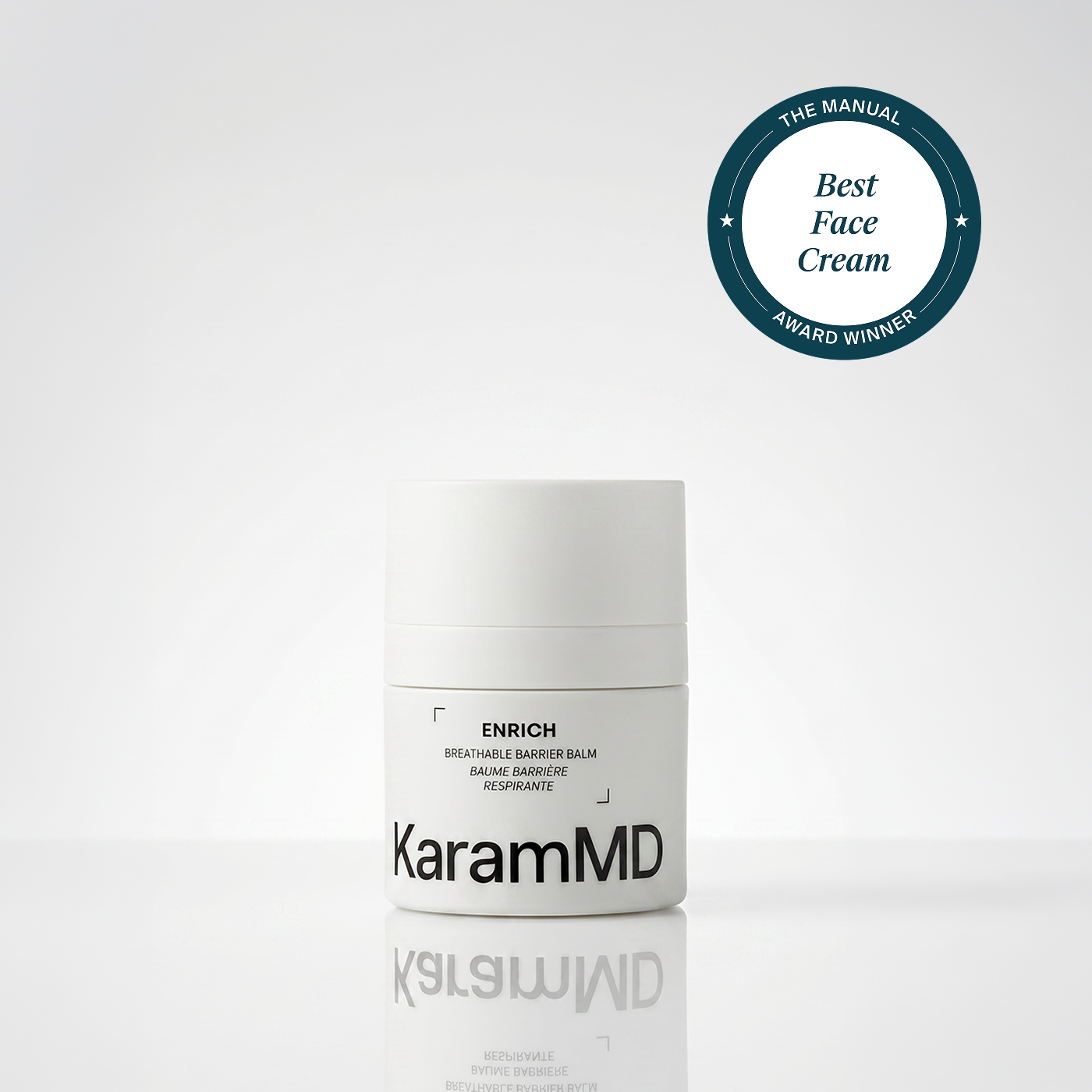
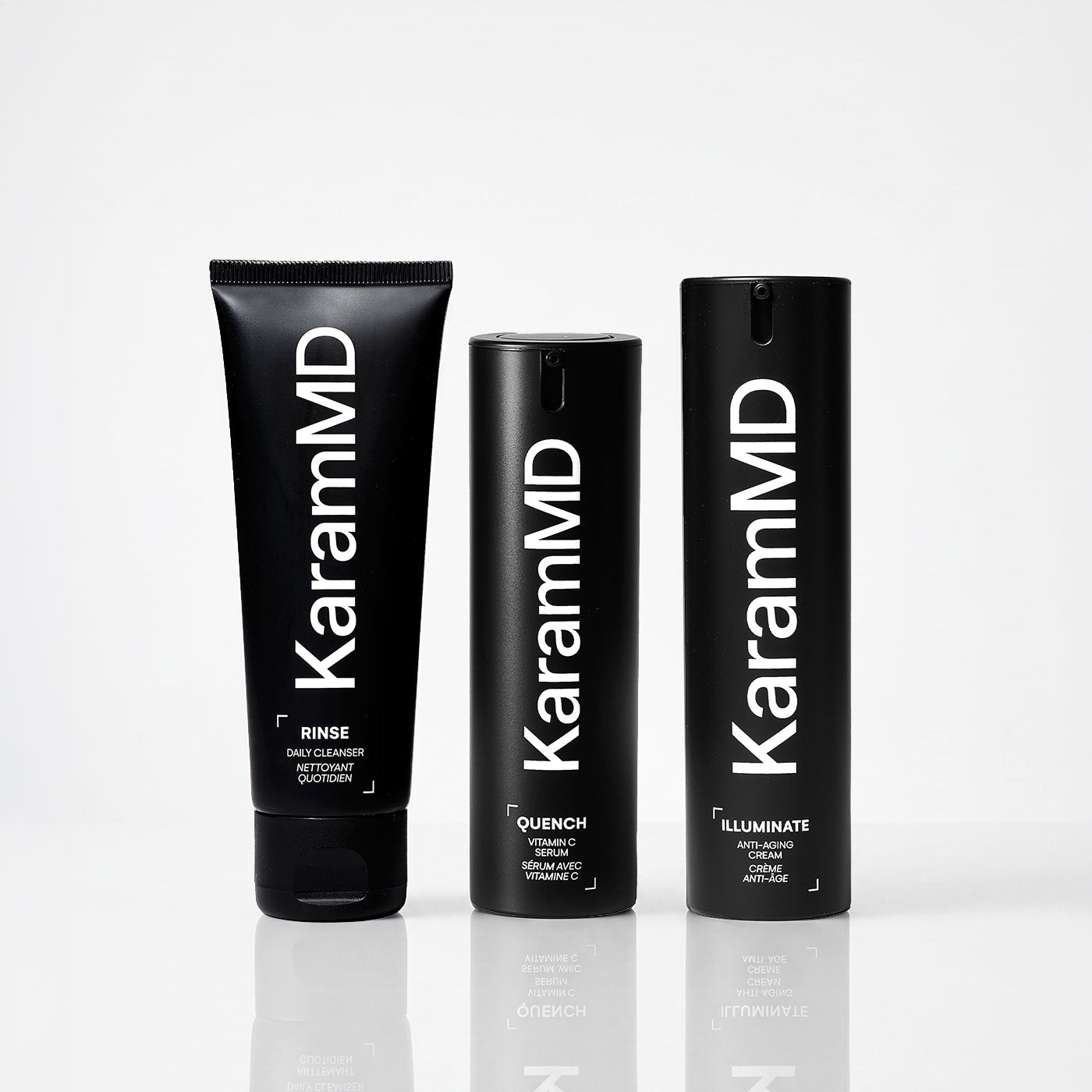
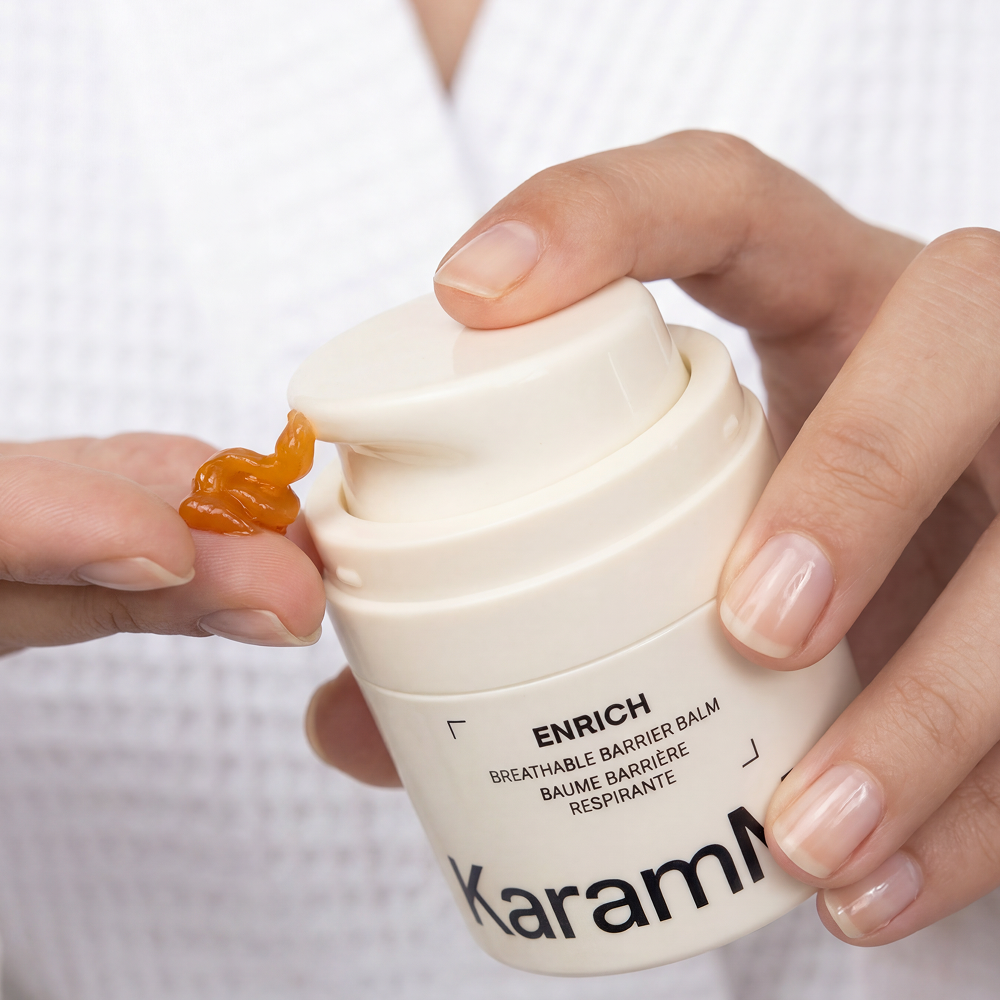
Hi Clare—Thank you for your comment and we’re so glad you’re enjoying your KaramMD products. You’re welcome to add a bakuchiol serum before Enrich if you’d like, but it’s not necessary — Illuminate already contains retinol, and Enrich already contains bakuchiol!
LUZ adriana ENRIQUEZ
HELLO, I HAVE BEEN FIGHTING WITH MELASMA FOR YEARS, I TRIED EUCERIN ANTIPIGMENT AND IT REALLY HELPS ME, BUT NOW I CHANGED TO TRIFECA AND MY MELASMA CAME BACK AND IT IS GETTING WORSE, I WANT TO ASK IF I CAN USE EUCERIN ANTIPIGMENT AND ALSO TRIFECA?
THANK YOU
———
KaramMD Skin replied:
Hi Luz—Thanks for your comment! It’s very common for skin to go through an adjustment period when starting a new routine, during which tone may appear more noticeable before improving. When combining products that target discoloration, it’s best to introduce them gradually and use them thoughtfully, as too many active ingredients at once can lead to sensitivity and affect overall skin balance. Keeping your routine simple, consistent, and focused on hydration and daily sun protection can make a big difference over time.
Judi Meyers
Very interesting and educational article. I have Enrich, but for me it’s definitely nighttime because it’s heavier and a bit “greasy”, thus not my choice under makeup. I’d love to use bid!!
———
KaramMD Skin replied:
Hi Judi—Thanks for your comment! We’re glad you found the article helpful! A little goes a long way when it comes to Enrich, and it certainly works best at night for some people. Using it twice daily is possible if your skin tolerates it, but for daytime under makeup, layering with a moisturizer might feel more comfortable. It’s all about balancing hydration with your routine preferences.
Leave a comment
All comments are moderated before being published.
This site is protected by hCaptcha and the hCaptcha Privacy Policy and Terms of Service apply.