Why do people think retinol shouldn't be used during summer?
This myth likely developed because retinoids can cause irritation, especially when someone is new to them or using a stronger formulation. Over time, a reasonable warning about sun protection evolved into the much broader belief that retinol should be stopped altogether during summer.
Does retinol make your skin more sensitive to the sun?
Retinol can increase irritation if skin is exposed to excessive sunlight without protection. This is why sunscreen and sun-protective habits are important. Most people can continue using retinol year-round.
Will I lose progress if I stop retinol for the summer?
You won't suddenly lose all of your results, but you may interrupt the long-term remodeling process that retinoids help support. More importantly, many people find themselves restarting the adjustment period every fall.
Should I stop vitamin C during summer?
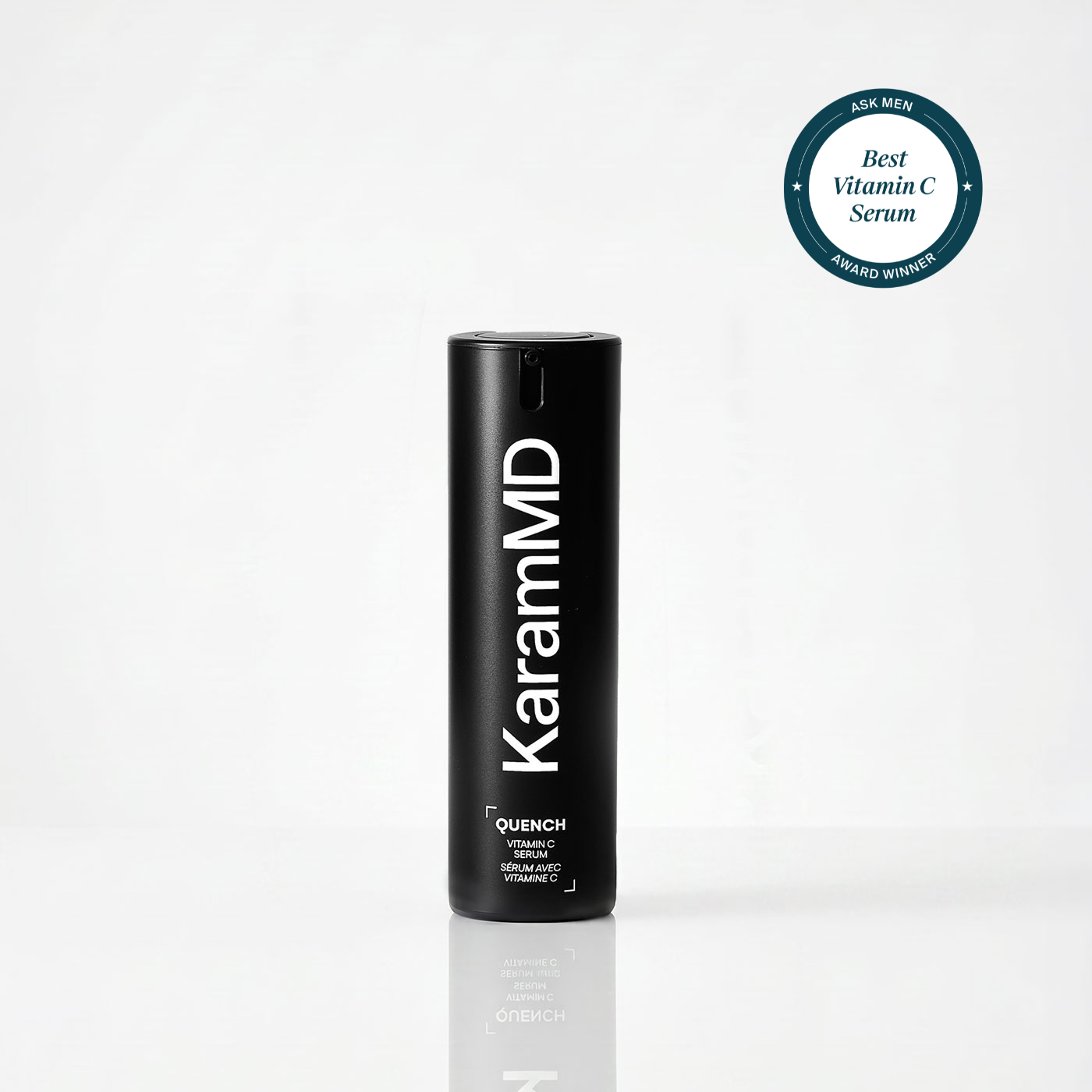
No. Vitamin C is an antioxidant that can help protect against oxidative stress caused by UV exposure and is often especially useful during summer months.
Does vitamin C make your skin more sensitive to the sun?
No. Vitamin C does not make your skin more vulnerable to UV damage. In fact, it helps support your skin's defenses against environmental stress.
Should I stop active ingredients before going on vacation?
No. Most people can continue using their active ingredients while traveling if they maintain good sun-protective habits.
Are chemical peels safe in summer?
Many chemical peels can be safely performed year-round when patients follow proper recovery and sun-protection instructions.
Can laser resurfacing be done during summer?
Yes. The key is minimizing excessive sun exposure before treatment and protecting healing skin afterward.
What is the biggest summer skincare mistake people make?
In my experience, it's focusing on the wrong problem. People worry about active ingredients while overlooking the cumulative effects of unprotected sun exposure.
Does aging slow down during summer?
Unfortunately, no. Collagen breakdown, pigmentation, oxidative stress, and other aging processes continue year-round.









3 comments
Tee
When I apply sunscreen, I find I have bits of cream that rub off leaving flaky bits. I am not sure if this is the Trifecta underneath or the sunscreen on top. I allow a good 30 minutes before applying sunscreen. Any suggestions how to get around this?
———
KaramMD Skin replied:
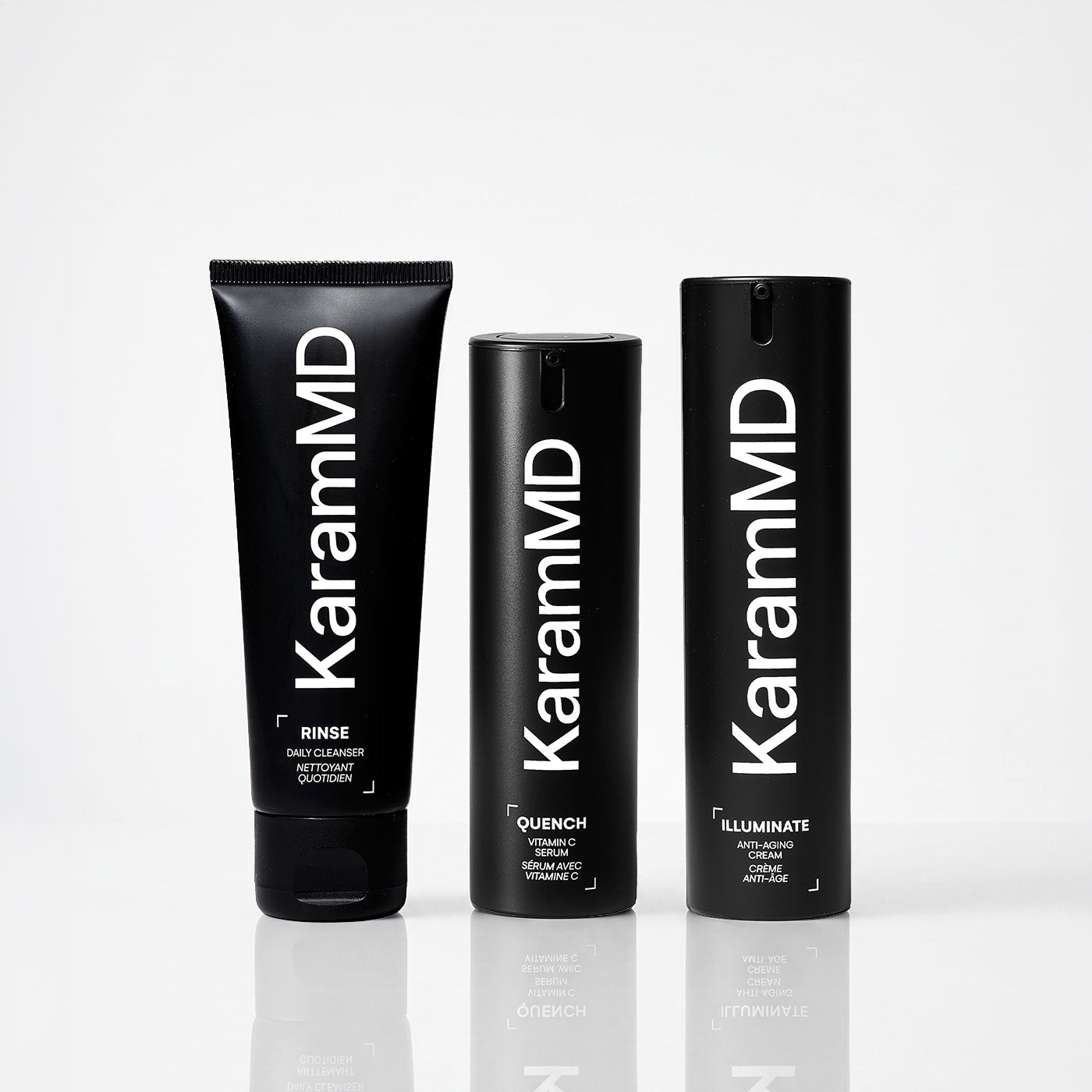
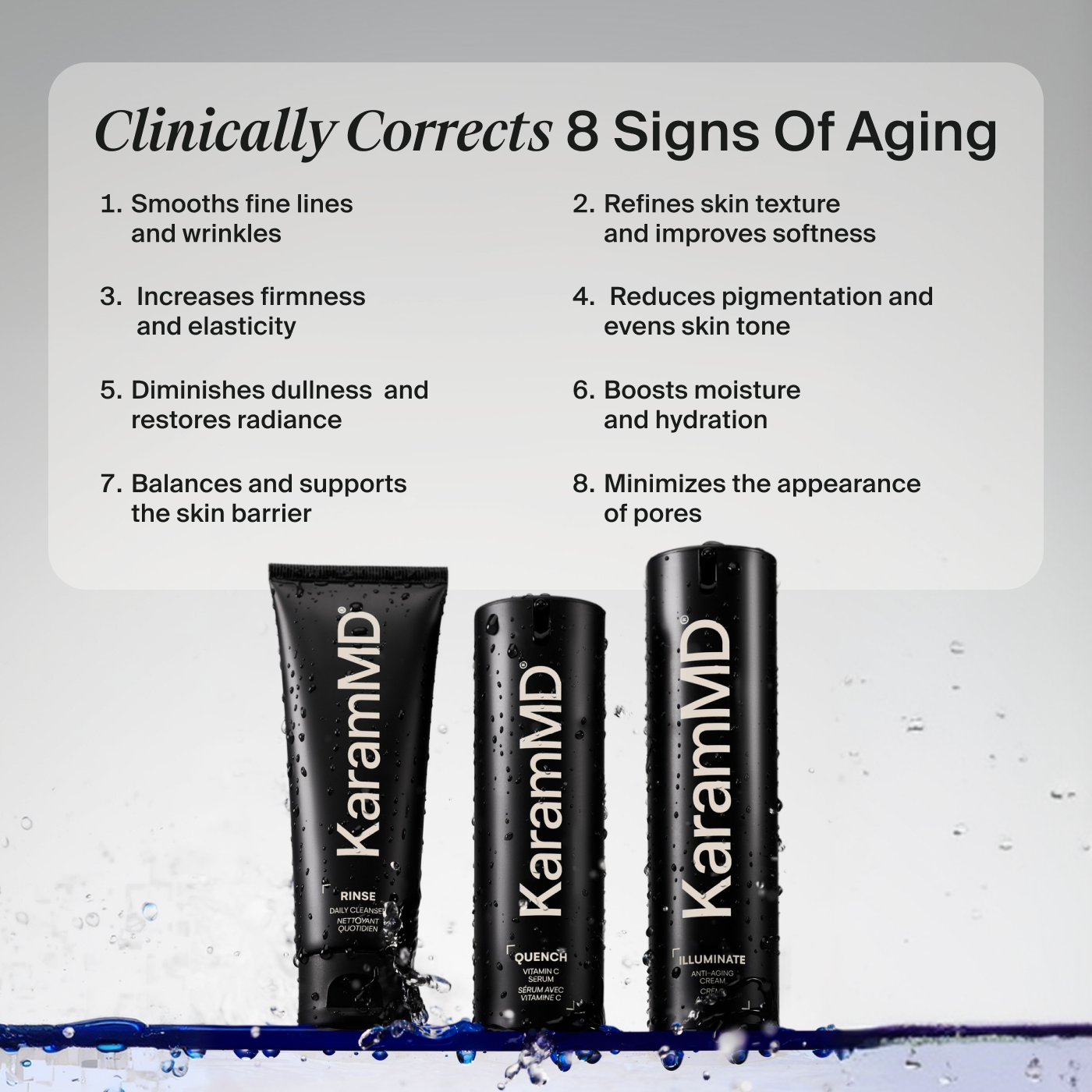
Hi Tina—Thank you for your comment. There are several reasons pilling can occur. The first and most common is that you are using too much product. Using too much product or layering multiple products excessively can overwhelm the skin and cause pilling. My first recommendation would be to try adjusting the amount of products you’re applying with each use. Apply each step in thin, even layers. There is no need to wait to apply Illuminate after Quench. Incorrect application technique like rubbing or massaging skincare products too vigorously can cause friction, also leading to pilling. Instead, gently pat or press products into the skin using upward motions to encourage absorption without disturbing the layers underneath.
John Patrick Guerin
face washing with water?as opposed to tissue off to clean sunscreen and makeup appreciate your so great advice
———
KaramMD Skin replied:
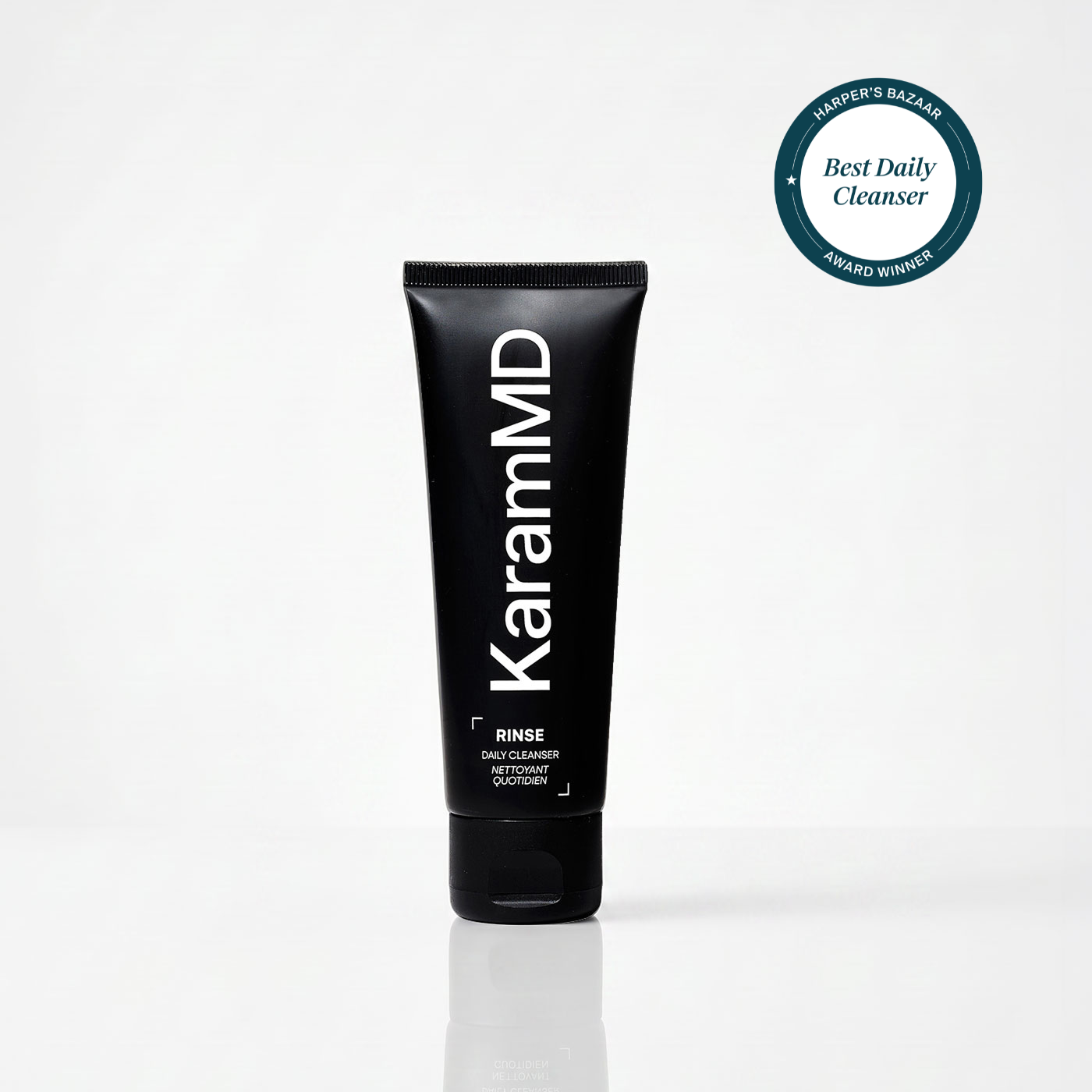
Hi John—Thanks for your question! Washing with water (ideally with a gentle cleanser) is definitely the better option over wiping off with a tissue. Tissues can just move product, dirt, and residue around rather than fully removing it, and the friction from wiping can also cause irritation, especially on days you’re removing sunscreen and makeup. A proper cleanse helps ensure sunscreen, makeup and daily buildup are fully lifted away rather than left behind on the skin, which is especially important before applying any actives or treatment products.
Adele Paquette
Does Dr. Karam’s practice offer laser treatments? Thinking about C02 or something similar.
———
KaramMD Skin replied:
Hi Adele—Thanks for your comment! Please visit Dr. Karams website drkaram.com for more information on their offerings!
Leave a comment
All comments are moderated before being published.
This site is protected by hCaptcha and the hCaptcha Privacy Policy and Terms of Service apply.