The Hidden Cost of Choosing the Wrong Routine: What Thousands of Patients Have Taught Me About Skincare

The Hidden Cost of Choosing the Wrong Routine: What Thousands of Patients Have Taught Me About Skincare

Written by Founder, Amir Karam MD

Quote Icon

In a skincare world flooded with thousands of products all promising life-changing results, how do you know who to trust, and who's just trying to sell you a story? 

For most of my career, I never imagined I would write an article about skincare philosophy. I was always heads down, focused on clinical medicine, surgery, and taking care of patients. My world revolved around understanding why faces age the way they do and how I could help people look as young as they feel. I wasn't paying much attention to beauty counters or the latest skincare trends. Quite honestly, I didn't think much about it at all.

My knowledge around skincare wasn't born from a single research paper, conference, or breakthrough moment. It developed gradually over 30 years and thousands of conversations with patients. In many ways, they became my greatest teachers.

And one of the greatest lessons they've taught me is: time is one of the few things your skin never gets back. Every day you spend on products that don't deliver is a day you could have spent building healthier, stronger, more resilient skin.

My background in research and the science of skin aging gave me one perspective, but my patients taught me that knowing who and what to trust is one of the most important questions to ask before making any skincare decision.

This has shaped the framework I use to separate meaningful innovation from marketing, and it's the same framework I'm sharing with you here.

What Thirty Years of Patients Taught Me About Skincare

Every consultation I have begins with the same question.

“Tell me what you’re doing for your skin.”

I’ve been asking that question for nearly thirty years.

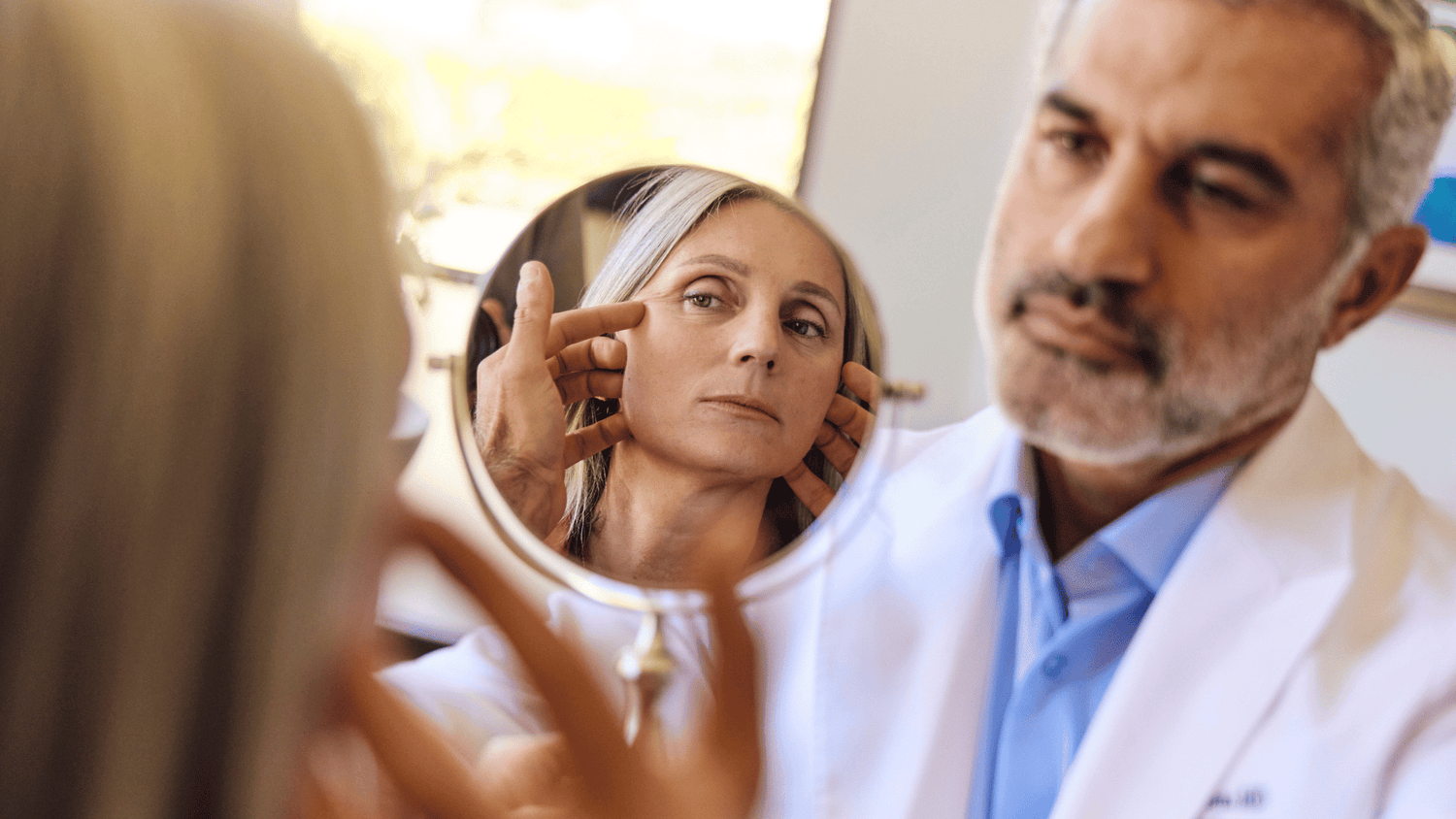
People are sometimes surprised by that because they’re coming to see me about surgery - but I’ve never believed surgery tells the whole story.

If my goal is to help someone look as young as they feel, then restoring youthful shape is only part of the equation. The skin is at least half of facial rejuvenation. You can perform a beautiful facelift, restore volume, reposition tissue, and refresh the eyes, but if the skin itself lacks health and vitality, you’ve only solved part of the problem.

Every patient sitting across from me represents twenty or thirty years of decisions. They’ve trusted different experts. They’ve bought different products. They’ve followed different routines. They’ve spent different amounts of time and money trying to take care of themselves. Without realizing it, I was observing thousands of long-term experiments unfolding right in front of me.

Scientific research will always be the foundation of medicine, but there is another education that only comes with time. When you’ve had the privilege of caring for patients over extended periods of time, you eventually get to see what actually happened. You see which decisions quietly compound over decades. You see which products disappear almost as quickly as they arrive. You see which philosophies consistently produce healthy skin.

Eventually, patterns begin to emerge.
Most patients seemed to fall into a handful of familiar groups.

01.

The Daily Ritualists

This group fascinated me. These were men and women in their fifties, sixties, and seventies whose skin looked noticeably healthier and more youthful than their peers'. Their faces had naturally matured, but their skin retained a brightness, smoothness, and resilience that stood out. Whenever I asked what they had done, I expected some remarkable story, but their answers were almost boring:

“I’ve always been good about sunscreen.”

“I’ve used the same core products for years.”

“I found a routine that made sense and just stayed with it.”

That was the common thread. No miracle ingredient. No secret treatment. Just thousands of ordinary mornings and evenings spent consistently caring for their skin with products grounded in science.

Those patients became some of my greatest teachers because they weren’t explaining a theory. They were living proof of what happens when consistency is attached to the right routine. They taught me that healthy skin isn’t usually the result of dramatic decisions. More often, it’s the result of thoughtful decisions repeated over and over again until the years quietly reveal their value.

02.

The Luxe Skincare Buyers

The second group taught me something equally important, although it was much harder to watch. These patients cared deeply about their skin. They were disciplined. They were motivated. Their bathroom counters were filled with beautifully packaged creams and serums. They had spent years faithfully following elaborate routines because they genuinely believed they were doing everything possible to slow the aging process.

Yet when I examined their skin, it looked exactly as I would expect for someone their age.

I always felt for these patients because they weren’t lacking commitment. They weren’t lazy or indifferent. In fact, they were often doing far more than the first group. But somewhere along the way they had become committed to products that sounded impressive but simply weren’t capable of meaningfully changing the biology of aging skin. They had mistaken beautiful marketing for effective formulation. Their consistency wasn’t the problem. The foundation they were being consistent with was.

03.

The Perpetual Seekers

Then there was a third group that has become increasingly common over the last decade.

Every few months they’re trying something new. A friend recommends an ingredient. An influencer discovers the latest breakthrough. A beauty editor declares that everything has changed. Their routine is constantly evolving because the advice they’re following is constantly evolving.

Ironically, despite all that activity, their skin often looks remarkably average for their age. Not because they’re doing nothing. But because they’re never doing one thoughtful thing long enough to allow it to work.

04.

The Non-Skincare Users

These are the people who simply never paid much attention to skincare. Life got busy. Careers, children, aging parents, responsibilities. Skin just wasn’t high on the priority list.

Their skin aged exactly as biology would predict, and therefore they looked their age.

The Origin of My Skincare Philosophy

What surprised me over time wasn’t just the observation of these decades of differences. It was something else: The third and fourth groups often arrived at remarkably similar destinations. One had spent years chasing every new promise. The other had done almost nothing. Yet the outcome frequently wasn’t very different.

That observation stayed with me because it taught me one of the most important lessons of my career: Consistency, by itself, isn’t enough.

Consistency has to be attached to something that actually works.

When people ask me where my philosophy comes from, that’s the answer.

It didn’t come from one lecture or one study. It developed quietly, consultation after consultation, as my patients unknowingly taught me what actually stands the test of time.

I learned from them when they got it right. I learned just as much when they got it wrong.

The Moment I Realized Marketing Was Winning

Around that same period in my career, another experience connected the dots.

I remember walking through a department store one afternoon, something I rarely did, and passing one beauty counter after another. Every display was beautiful. Elegant bottles. Luxurious jars. Sophisticated packaging. Every advertisement promised healthier, younger-looking skin. Every product sounded revolutionary.

Out of curiosity, I started asking questions.

What exactly is in these products? How are they supposed to work? What makes this one different from the next? And the more I learned, the more surprised I became.

Many of these products were perfectly good moisturizers, and there’s absolutely nothing wrong with a moisturizer. Healthy skin needs hydration. But hydration and rejuvenation aren’t the same thing. That afternoon I realized something I hadn’t fully appreciated before.

The problem wasn’t that good skincare didn’t exist. It absolutely did. The problem was that exceptional marketing and exceptional science often looked exactly the same to someone standing at the counter. How was anyone supposed to know the difference?

Thirty years ago, that confusion lived in department stores and glossy magazine advertisements. Today it lives on our phones. Every day someone confidently announces the next revolutionary ingredient. Every day another expert explains why everything you’ve been doing is suddenly outdated. Every day another product promises to change the future of skincare.

If I’m honest, I don’t blame people for feeling overwhelmed. In fact, I think most people are exactly where any thoughtful person would be. They’re motivated, hopeful, and trying to make the best decision they can with a thousand different voices pulling them in different directions.

Why It’s So Hard to Know Who to Trust

Companies have to innovate because that’s how businesses grow. Researchers are constantly trying to move science forward. Physicians see the world through the lens of medicine. Estheticians see it through the lens of skin health. Cosmetic chemists are fascinated by formulation. Influencers are rewarded for talking about what’s new because that’s how social media works. Everyone is speaking from a different perspective.

The problem is that consumers are standing in the middle of all those voices trying to answer one very personal question.

“What should I actually do?”

That’s a much harder question than most people appreciate.

It’s also why, over the years, I’ve become less interested in telling people what to buy and much more interested in helping them understand how to think.

Because once you understand the biology of skin aging, something interesting happens.

The noise starts to get quieter. You don’t need to memorize every ingredient, read every clinical paper, or watch every skincare video that appears in your feed. You simply need enough understanding to recognize the difference between something that has earned your confidence and something that is simply asking for your attention.

Those are very different things.

The Hidden Cost of Choosing the Wrong Skincare

Choosing the wrong skincare carries a hefty price tag. I don’t mean monetary cost; even those serums can be expensive. Money can be earned back. Time cannot.

Skin aging doesn’t pause while we’re using something that doesn’t work or experimenting with another trend. Every year collagen continues to decline, and sun damage accumulates. Biology simply keeps moving forward whether we like it or not. 

That’s why I worry less about the money people waste and more about the years they lose. To me, that’s the real opportunity cost. 

How I Decide What Deserves My Trust?

I approach skincare the same way I approach every decision in medicine:

What has earned my trust?

Trust is earned when something makes biological sense, demonstrates meaningful results, and continues to prove itself over time not only in the scientific literature, but in the faces of the patients I've cared for throughout my career.

I’ve often said: "Time tells,” and the older I get, the more convinced I become that those two words explain almost everything. Because over the years,  I’ve watched countless products, ingredients, devices, and procedures arrive with tremendous excitement. Some truly moved our field forward. Others disappeared a few years later, replaced by the next “big thing.”

Meanwhile, a handful of ideas simply refused to go away. These boil down to:

These ingredients and strategies have proven to be winners even as new innovations have arrived. None of these have automatically earned it a permanent place in someone’s daily routine. That takes something much harder to acquire: Time, and repeated observation. The humility to wait before making strong recommendations. And I actually think that’s one of the greatest responsibilities physicians have.

That’s because excitement and evidence aren’t the same thing. A skincare ingredient can be fascinating and have promising early research, but that doesn’t mean it's the future. That means, “we don’t know yet.”

I wish uncertainty weren’t viewed as weakness. In medicine, it’s often a sign of honesty. My patients trust me with their faces, and I can only responsibly recommend what time has proven actually works. 

Stop Searching. Start Building Confidence.

If someone asked me today for the single best advice I have for keeping skin looking healthy and youthful, I'd keep it surprisingly simple.

  • Learn enough about how skin ages that you understand the fundamentals
  • Protect your skin from the sun.
  • Use ingredients that have demonstrated meaningful results over decades, not just dominated headlines for a few months.
  • Take care of your body, because healthy skin has always been part of a healthy life.

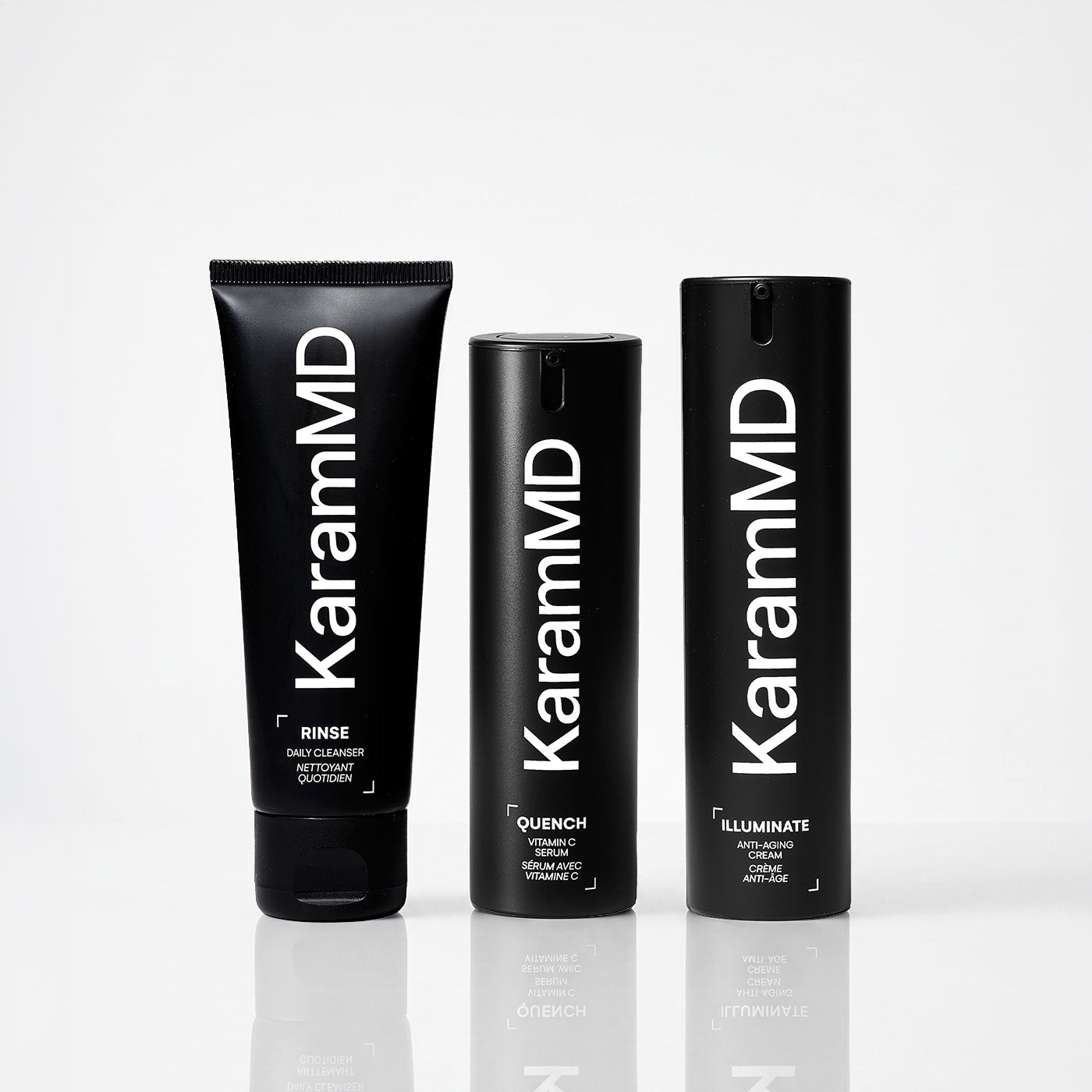
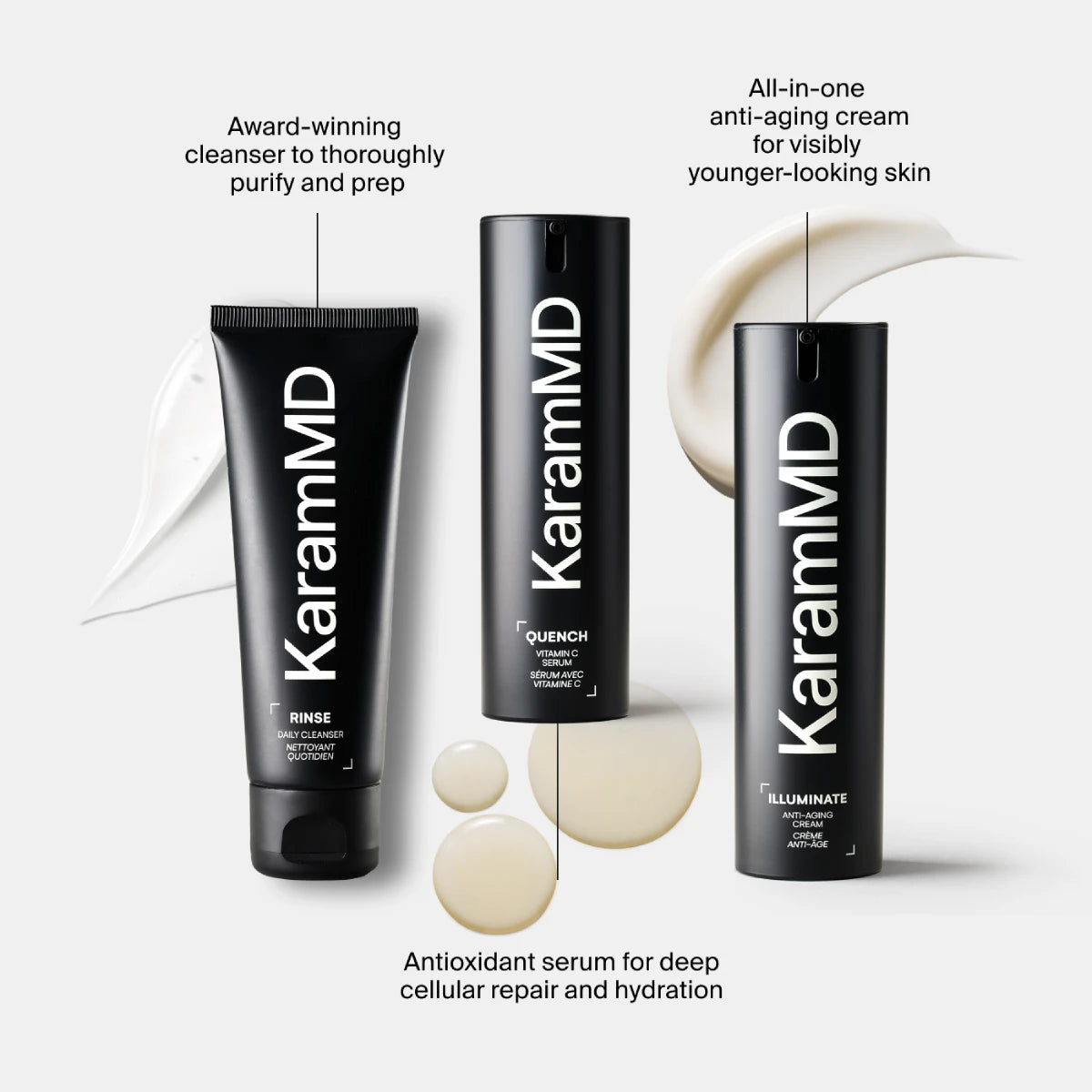
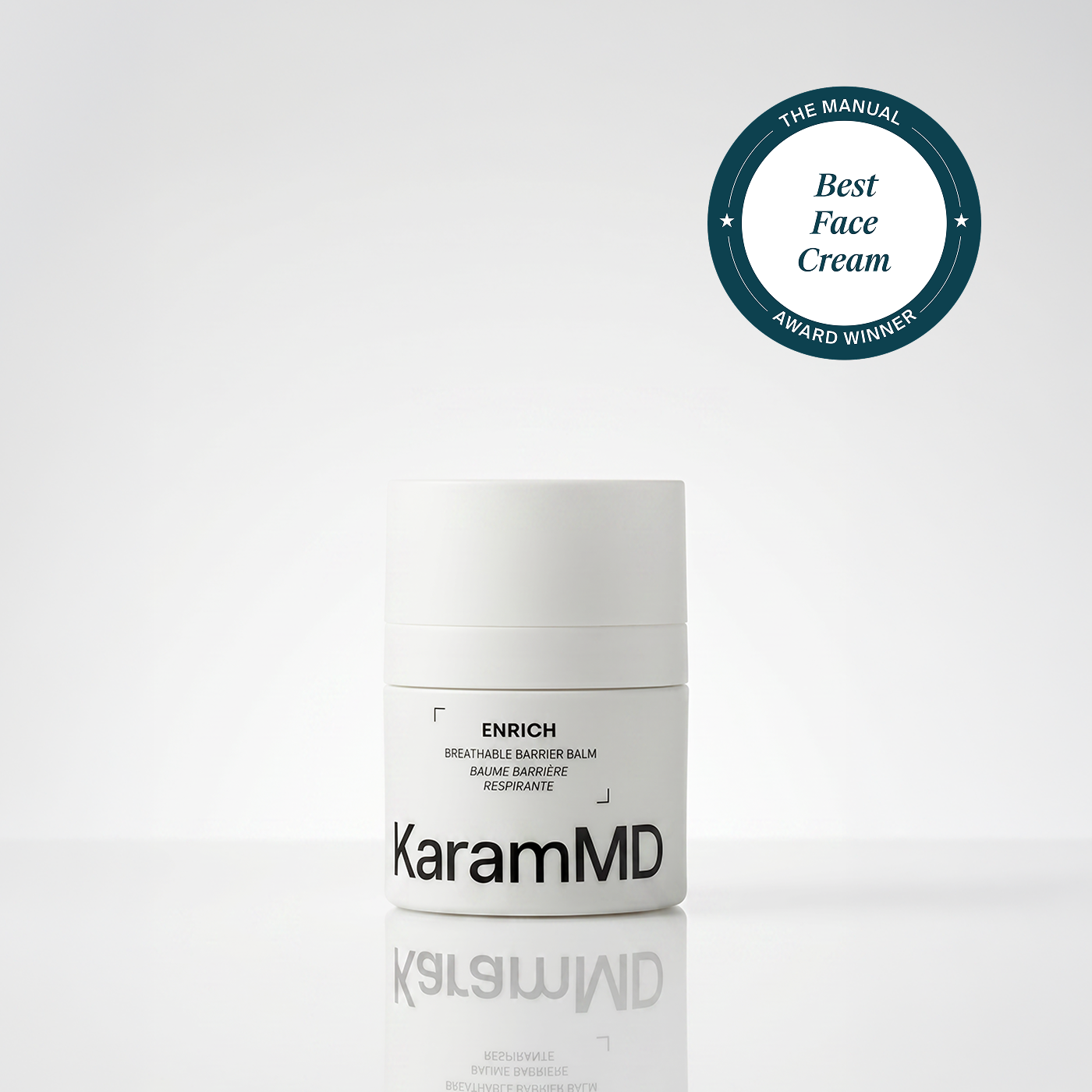
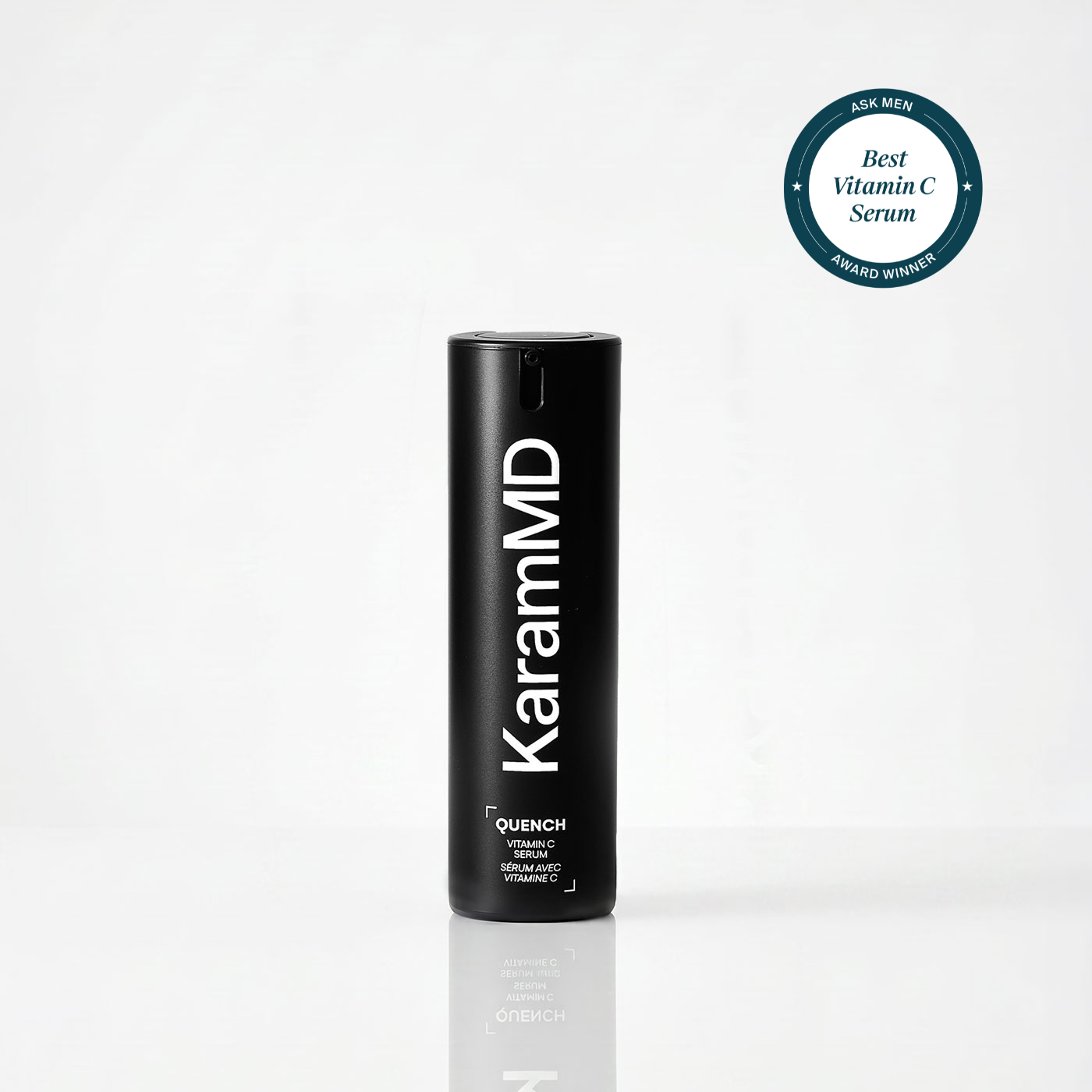
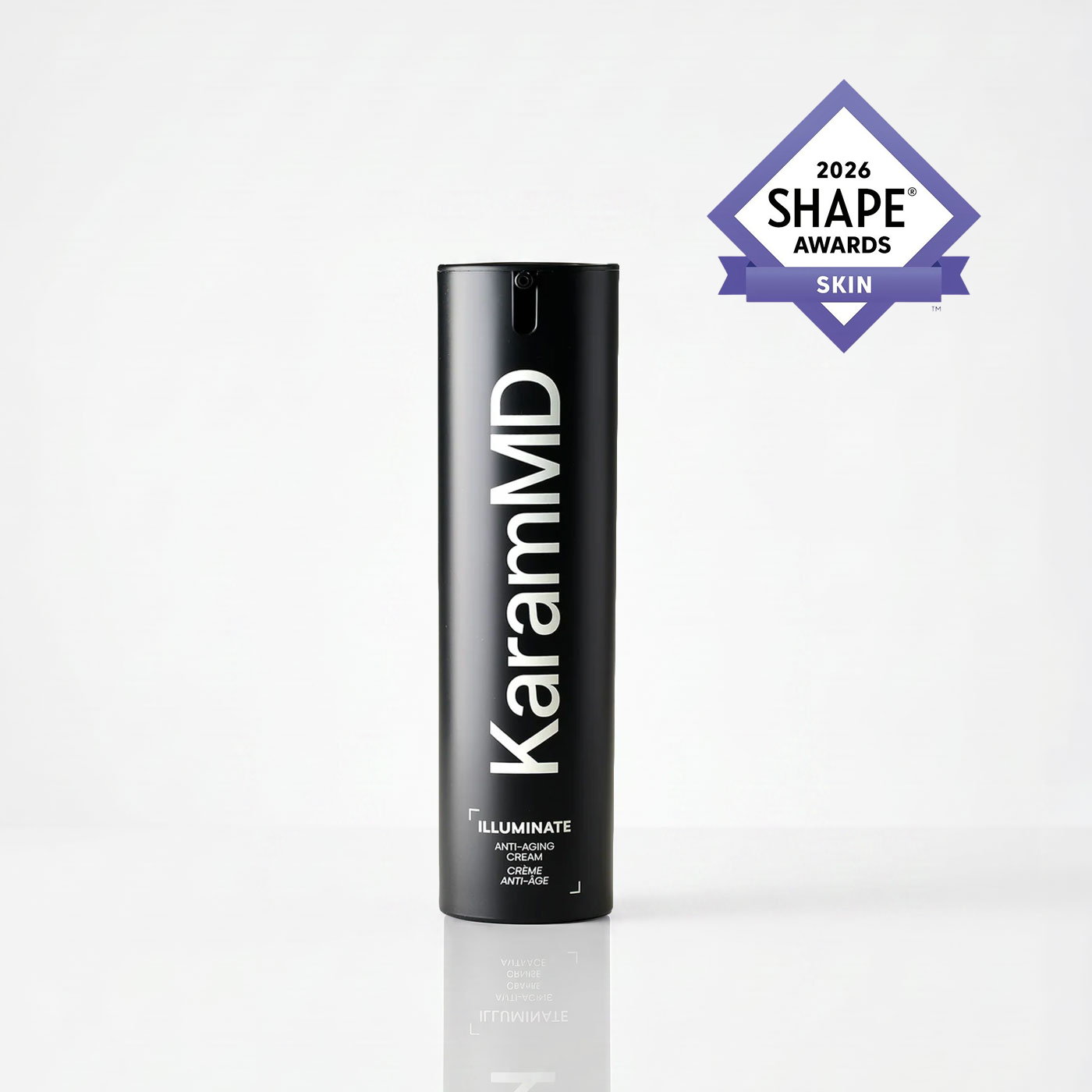
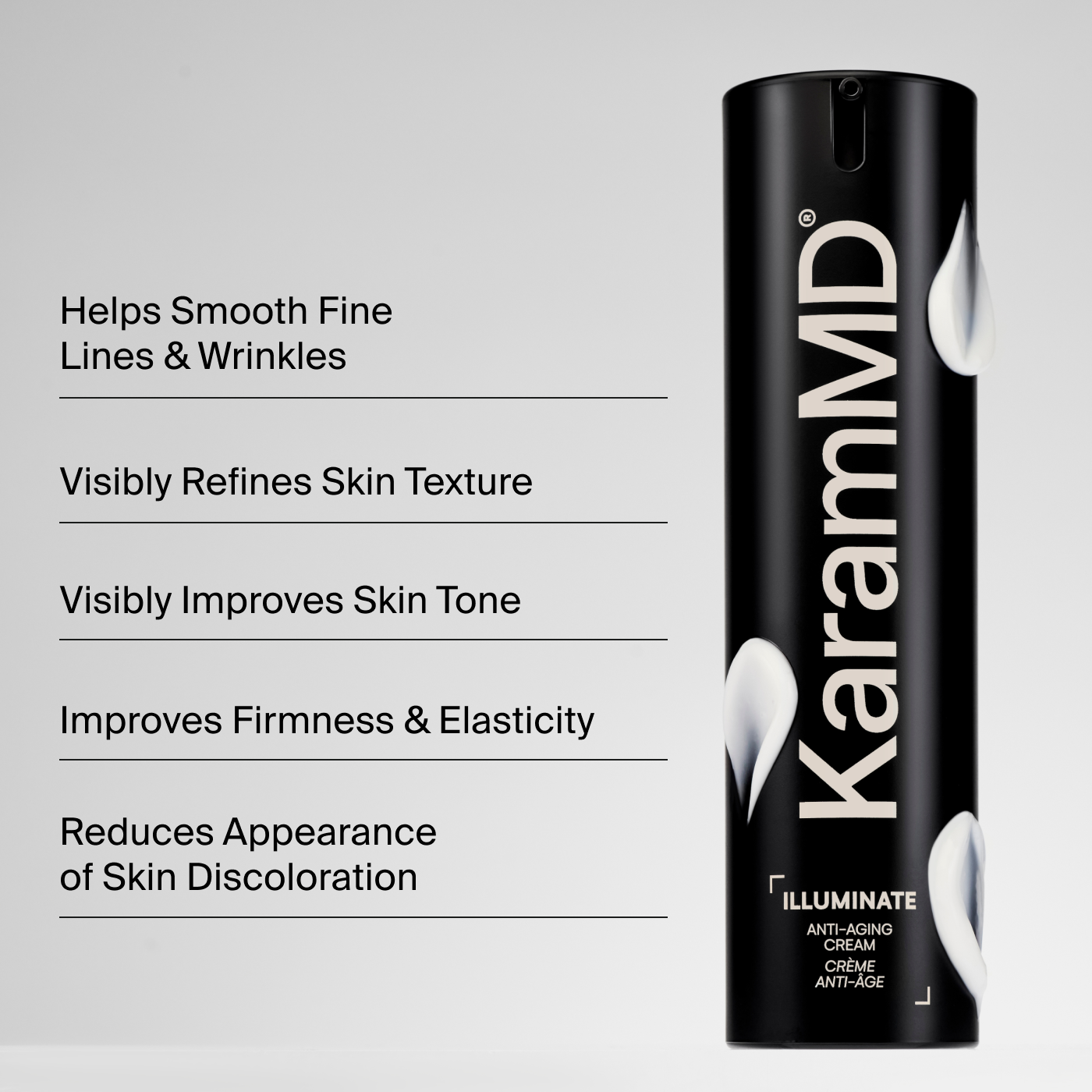
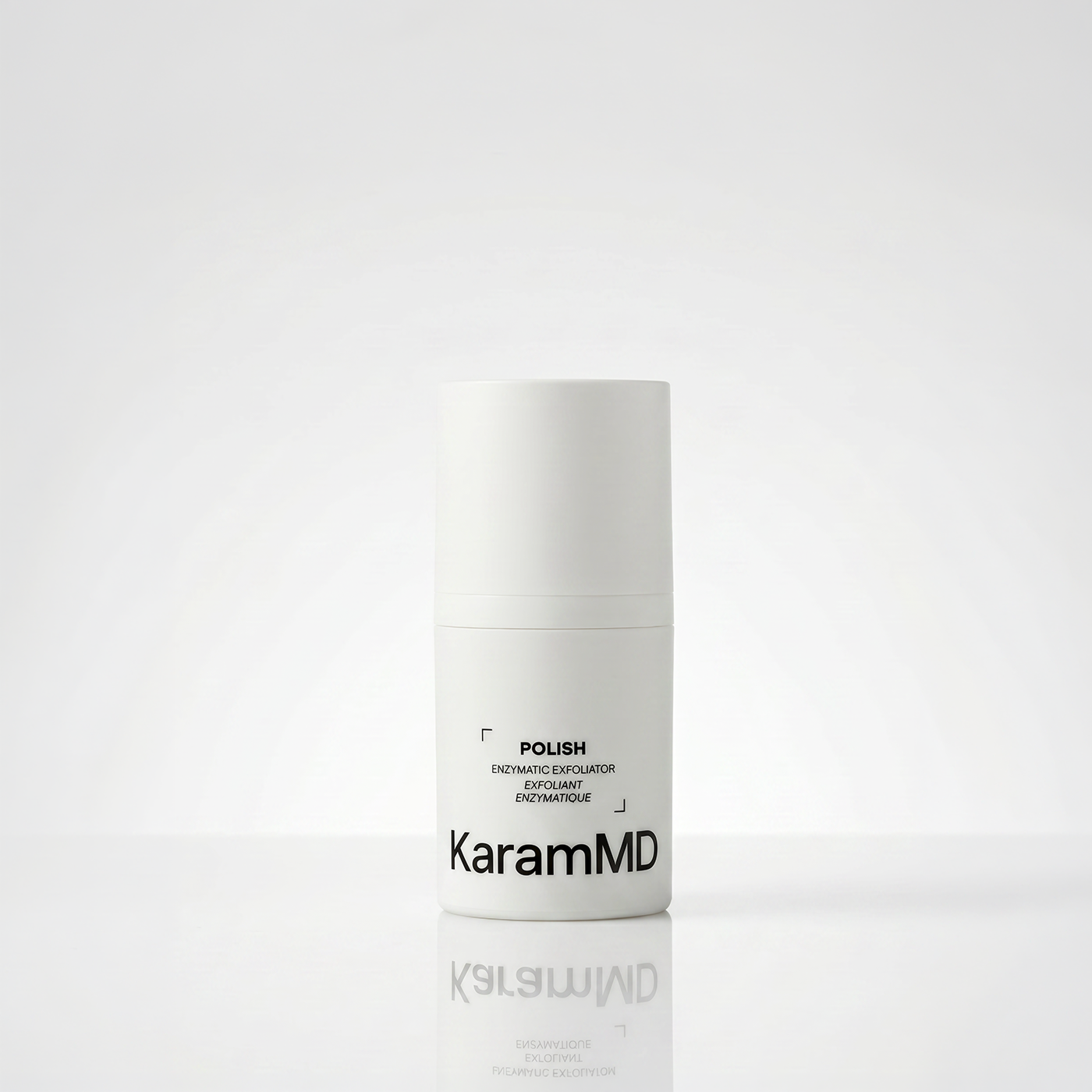
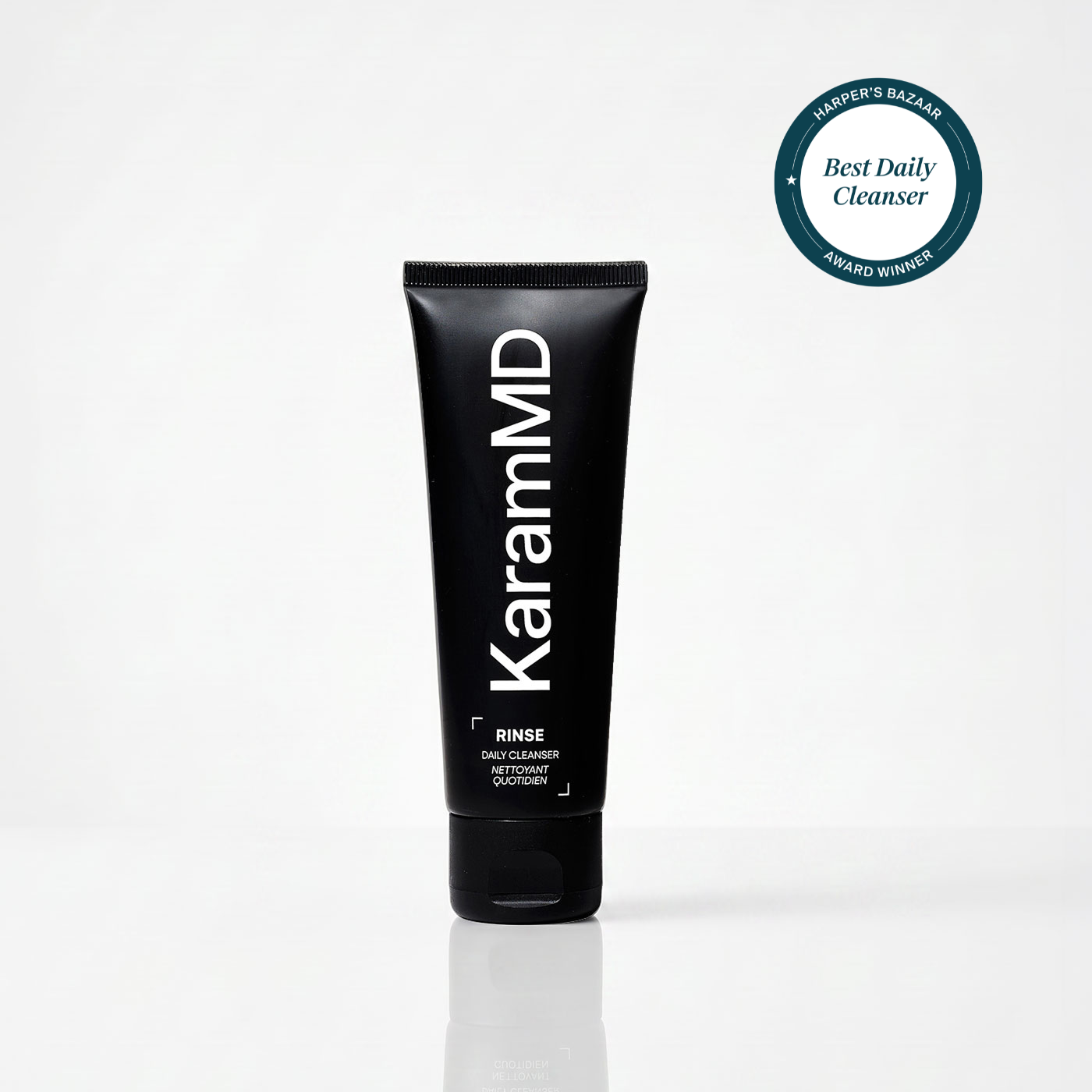
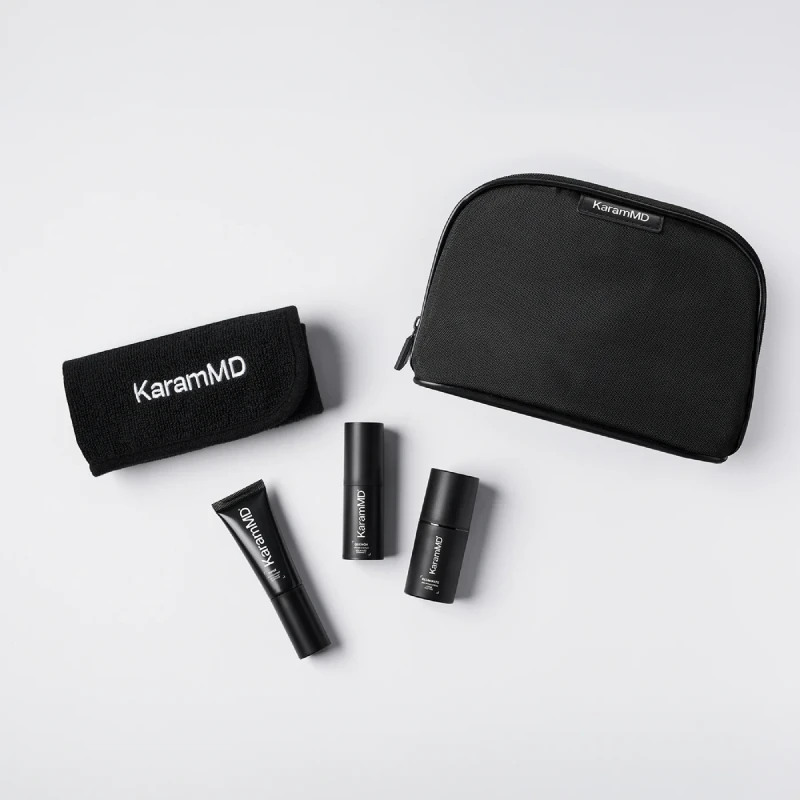
Those principles became the foundation of my KaramMD Trifecta. I didn't set out to create another skincare line. I set out to build the routine I wished every patient would follow: a streamlined system centered on the ingredients with the strongest scientific evidence, designed to be simple enough to use consistently for years.

Because that's the real secret. Healthy skin isn't built by chasing the next miracle cream and quick fix. It's built by making educated decisions over and over again. When your routine is grounded in biology instead of marketing, you can stop searching in every bottle, commit to a steadfast routine, and keep quietly and continuously progressing with products that have earned your trust and confidence. There's a certain peace of mind and freedom in that.

What I wish for every patient is as easy as protect your skin, be patient, and let good decisions compound over time.

Then go live your life, not trying to stop aging, but simply looking as healthy and vibrant on the outside as you still feel on the inside. Nothing more. Nothing less.

Amir Karam MD

Board Certified Facial Plastic Surgeon
Founder / Creator of KaramMD Skin

Dr. Amir Karam is a world-renowned facial plastic surgeon specializing in facial and skin rejuvenation. With over two decades of experience, he has helped countless patients achieve a naturally youthful, refreshed appearance. As an innovative surgeon, researcher, textbook author, and speaker, he is a leading authority in his field. Beyond performing surgical procedures that restore a youthful facial shape, he emphasizes the importance of skin quality, ensuring a comprehensive approach to facial rejuvenation. As the founder of KaramMD Skin, he is dedicated to making advanced skincare simple, effective, and accessible—helping you look as young as you feel.

Frequently Asked Questions

How do I know who to trust in skincare?
Look for recommendations grounded in biology, supported by evidence, validated over time, and consistent across experienced experts—not simply what’s trending today.

Why is skincare so confusing now?
Consumers are exposed to more information than ever before. Brands, influencers, physicians, estheticians, and cosmetic chemists often approach skincare from different perspectives. The challenge isn’t that everyone is wrong—it’s that everyone is speaking at the same time.

Are expensive skincare products better?
Not necessarily. Beautiful packaging and luxury branding don’t guarantee that a product contains ingredients capable of meaningfully improving skin health.

Does newer skincare mean better skincare?
No. Innovation is important, but “new” and “better” are not the same thing. Time remains one of the greatest validators of what truly works.

Which skincare ingredients have consistently stood the test of time?
Daily sun protection, retinoids, vitamin C, and other well-studied biologically active ingredients continue to have the strongest long-term evidence when used consistently.

Why is consistency so important?
Because skin changes slowly. The greatest improvements come from repeating good decisions over many years—not constantly changing routines. Consistency only matters when it’s attached to the right foundation.

What’s the biggest mistake people make?
Constantly searching for the next breakthrough instead of committing to a biologically sound routine long enough to allow it to work.

How does Dr. Karam evaluate new skincare ingredients?
By asking four questions: Does it make biological sense? Is there good evidence? Has it stood the test of time? And most importantly, what has he observed in patients over many years?

Can skincare really make a difference in aging?
Yes. While skincare can’t replace surgery when structural aging becomes significant, consistent use of proven ingredients combined with sun protection and healthy lifestyle habits can dramatically improve skin quality and help maintain a more youthful appearance.

What is the single most important takeaway from this article?
Learn enough to understand how your skin ages. Build a routine around principles that have earned your trust. Stay consistent. Then stop searching.

4 comments

Vilma Agosto

I just turned 55 and im interested in future plastic surgery and would like to know if you will have any free consultation.
———
KaramMD Skin replied:
Hello Customer Thank you for contacting us. Unfortunately, we are currently closed. Our business hours are Monday through Friday, 9AM to 5PM ET. Your message is important to us and we will respond promtply when we re-open. We appreciate your patience.

beth schwandt

Dark spots. For 65 yo. Help!!
———
KaramMD Skin replied:
Hello Customer Thank you for contacting us. Unfortunately, we are currently closed. Our business hours are Monday through Friday, 9AM to 5PM ET. Your message is important to us and we will respond promtply when we re-open. We appreciate your patience.

Sarah Hopkins

I really enjoyed reading this article. It just makes so much sense. Thank you.
———
KaramMD Skin replied:
Hello Customer Thank you for contacting us. Unfortunately, we are currently closed. Our business hours are Monday through Friday, 9AM to 5PM ET. Your message is important to us and we will respond promtply when we re-open. We appreciate your patience.

Shannon Larremore

Excellent article! I have seen a tremendous difference over the past year on Trifecta! Game changer, thank you!
———
KaramMD Skin replied:
Hello Customer Thank you for contacting us. Unfortunately, we are currently closed. Our business hours are Monday through Friday, 9AM to 5PM ET. Your message is important to us and we will respond promtply when we re-open. We appreciate your patience.

Leave a comment

All comments are moderated before being published.

This site is protected by hCaptcha and the hCaptcha Privacy Policy and Terms of Service apply.