RF Microneedling Explained: Safety, Science, and Realistic Expectations

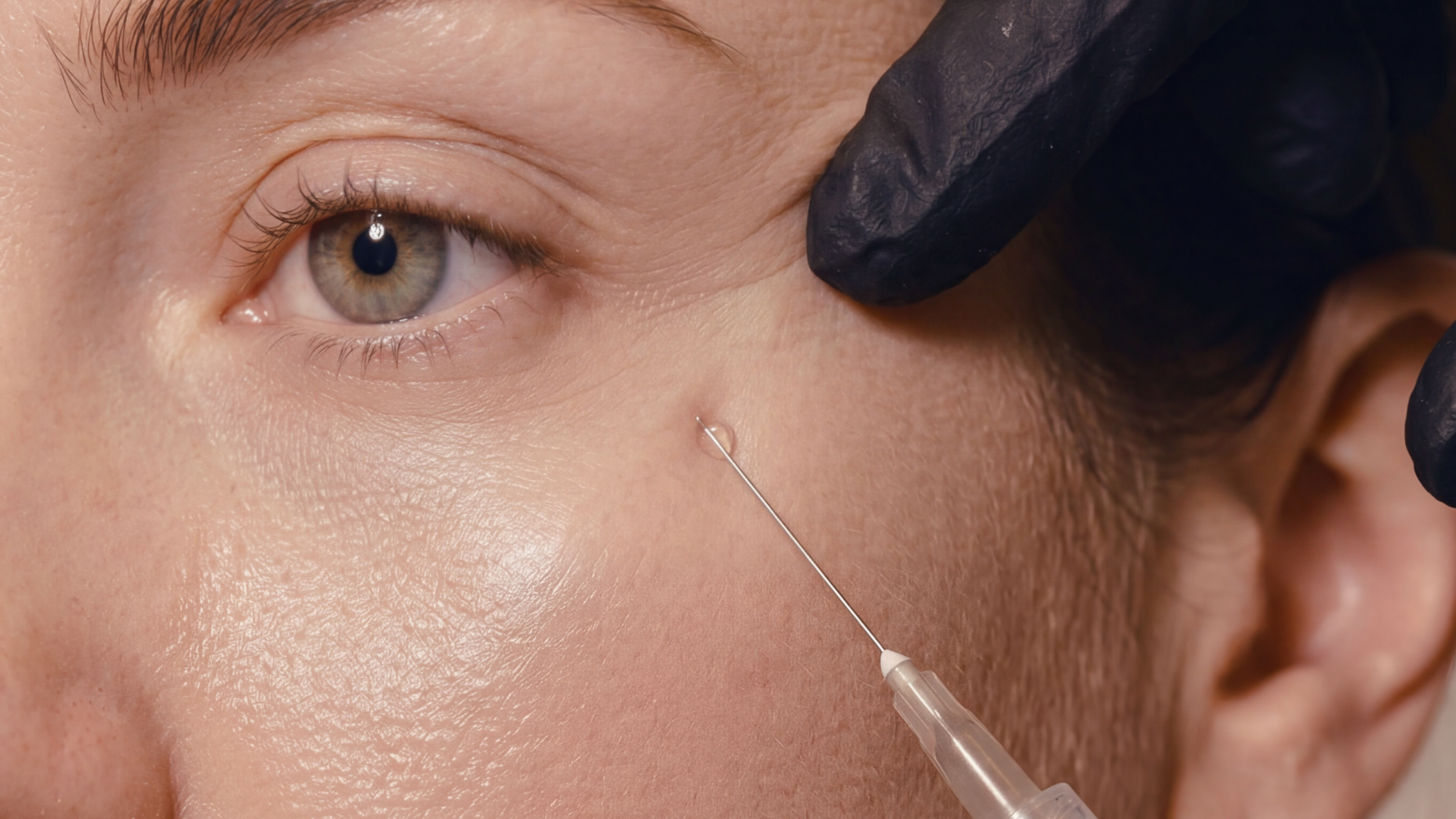
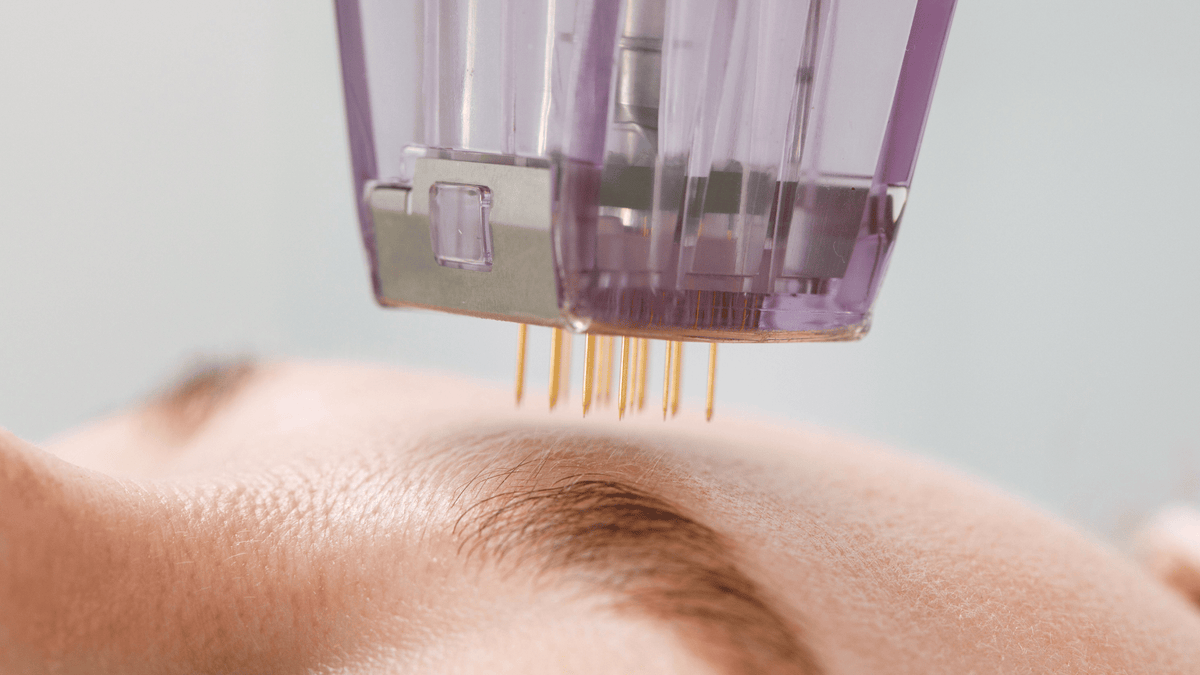
Woman getting RF microneedling done to her skin

Written by Founder, Amir Karam MD

Quote Icon

Radiofrequency (RF) microneedling is often marketed as a more powerful evolution of traditional microneedling — a technology that doesn’t just improve skin quality, but claims to tighten, lift, or even serve as a non-surgical facelift alternative.

However, as a plastic surgeon with decades of experience studying facial anatomy and skin aging, I want to help you understand what RF microneedling actually does well, where the science stops, and where marketing claims have gone too far.

This article is intended to help you separate fact from fiction, and more importantly, separate the benefits from the risks. I hope that by helping you understand your facial anatomy, the critical importance of depth, and the expectations along with the limitations of this treatment, you'll be able to make safer, smarter decisions for your skin.

What is The Difference Between Microneedling and RF Microneedling?

Microneedling improves skin quality by creating controlled micro-injuries that stimulate collagen production, while RF microneedling adds radiofrequency energy, or heat, delivered beneath the skin’s surface to accelerate collagen remodeling. 

Traditional microneedling relies solely on the body’s natural healing process and works by creating very small, controlled micro-injuries in the skin using fine needles. These micro-injuries signal the skin to repair itself, which stimulates the production of new collagen.

Collagen is the structural protein that gives skin its firmness, smoothness, and resilience, and this process can improve texture, fine lines, and overall skin quality.

RF microneedling builds on this concept by adding controlled heat through radiofrequency energy to the microneedling process. During treatment, specialized needles penetrate the skin and deliver RF energy beneath the surface. The heat causes collagen fibers to contract and can stimulate new collagen formation more efficiently. 

In theory, when this energy is delivered conservatively and stays within the dermal layer, RF microneedling may provide a modest enhancement compared to microneedling alone. The key phrase here is “in theory,” because these benefits depend entirely on proper technique, depth control, and a clear understanding of skin anatomy.

The FDA Reminder and What It Really Means for Patients

In March 2023, the US Food and Drug Administration issued a safety communication regarding energy-based aesthetic devices, including radiofrequency microneedling systems.

The FDA highlighted that improper use, especially excessive energy levels or deep needle penetration, can lead to complications such as burns, scarring, nerve injury, and unintended fat loss. They also emphasized that these devices aren't approved to replace surgical skin tightening or lifting procedures.

This reminder did not mean RF microneedling is unsafe. It reinforced a crucial point that often gets lost in marketing. Outcomes depend heavily on depth, technique, and anatomical understanding. When RF microneedling is pushed beyond the dermis in an attempt to tighten or lift the face, risk increases while benefit declines.

Where Marketing Starts to Drift From Science

RF microneedling is often advertised as an alternative to a non-surgical facelift.

This is where confusion begins.

Skin rejuvenation and skin laxity are not the same problem. Skin quality refers to texture, tone, pore size, and collagen density. Laxity refers to gravity, tissue descent, and loss of structural support. No non-surgical device can reverse gravity or reposition descended tissue.

Trying to force RF microneedling into a surgical role isn't innovation. It's a misunderstanding of anatomy.

Why Depth Is the Most Important Variable

To understand why depth matters, you need to understand facial anatomy.

  • The total thickness of facial skin is about 1 to 2 millimeters, depending on the area.
  • The dermis, where collagen is produced, sits 0.3 to 0.6 millimeters below the surface.
  • Beneath the skin lies the hypodermis, which is subcutaneous fat.

The skin is thin, and beneath it lies a separate layer made up of facial fat. Collagen production occurs within the dermis, which sits well above this fat layer.

Once RF microneedling goes deeper than about 1 mm, it's no longer treating the skin itself; it's being delivered directly into facial fat. Many RF microneedling devices allow penetration depths of 3 to 4 millimeters, which places the treatment well into the fat layer rather than within the skin where collagen remodeling occurs.

Heat plus fat equals fat loss. This explains why some patients experience:

  • Facial volume loss
  • Hollowing
  • Premature or accelerated aging
  • Changes that are difficult or impossible to reverse

These outcomes are not rare anomalies. They're predictable results when the anatomy is ignored.

In my practice, RF microneedling should never exceed 0.5 millimeters.

At 0.5 millimeters:

  • You're squarely within the dermis
  • You're targeting collagen, not fat
  • You're improving skin quality safely

Going deeper doesn't create tightening or lifting. It only increases risk without improving results. This principle is discussed extensively in my educational videos because it's one of the most misunderstood aspects of energy-based treatments.

The “More Is Better” Myth That Creates Problems

One of the most persistent misconceptions in aesthetic medicine is the idea that increasing energy, depth, or intensity automatically leads to better results. 

With RF microneedling, this assumption breaks down quickly. Once treatment moves beyond the dermis, additional depth and power no longer improve skin quality. They simply shift the treatment into tissue it was never intended to target. 

When providers chase surgical-level tightening with non-surgical tools, the issue is not the technology itself. It's the decision to push past anatomical limits rather than respect them. 

Precision, not intensity, is what determines whether RF microneedling helps or harms the skin.

Where RF Microneedling Actually Has Value

When used conservatively and correctly, RF microneedling can play a limited, supportive role in skin care.

RF microneedling can:

  • Provide a modest collagen boost
  • Improve texture and skin quality
  • Enhance results when layered onto a consistent skincare routine

It should be viewed the same way I view skincare itself. Incremental, supportive, and focused on long-term skin health.

RF microneedling is not:

  • A facelift alternative
  • A solution for true skin laxity
  • A treatment that benefits from aggressive depth

Skin laxity is a structural problem. It involves gravity, tissue descent, and loss of support at the fascia level. No amount of heat or collagen stimulation can reposition tissue. When RF microneedling is marketed as a tightening or lifting solution, expectations become unrealistic, settings become aggressive, and patients pay the price.

Knowing the difference between what's fact and what's false advertising not only protects patients, but this restraint also preserves the intended outcome.

My Final Perspective as a Surgeon

In my practice, there are very few situations where radiofrequency microneedling is truly necessary. While we do offer RF microneedling at my practice, it's by far our least popular treatment.

The foundation of youthful skin is consistent skincare with proven active ingredients, sun protection, and patience. For patients seeking an additional collagen boost, traditional microneedling is usually sufficient.

When RF microneedling is considered, it should only be performed by a highly experienced, conservative provider who understands facial anatomy and respects dermal-level treatment. The goal should never be lifting. It should be skin optimization.

If you want a deeper explanation of this topic, including visual anatomy and real-world examples, I invite you to watch my detailed YouTube video on RF microneedling safety and facial aging. It expands on everything discussed here and will help you make informed, confident decisions about your skin.

Education protects results. Respecting anatomy preserves youth.

Frequently Asked Questions

Can RF microneedling cause facial fat loss?
Plus Icon Minus Icon

Yes, when performed too deeply or with excessive energy, RF microneedling can damage subcutaneous fat, leading to volume loss and premature aging.

Does RF microneedling tighten loose skin?
Plus Icon Minus Icon

RF microneedling can improve skin quality and collagen density, but it doesn't tighten loose or sagging skin caused by tissue descent. Structural laxity requires surgical correction.

Is Morpheus8 safe?
Plus Icon Minus Icon

Any RF microneedling device can be safe or unsafe depending on how it's used. Depth control, energy settings, and provider experience matter more than the brand.

Is RF microneedling better than regular microneedling?
Plus Icon Minus Icon

For most patients, traditional microneedling alone provides sufficient collagen stimulation. The added heat from RF is rarely necessary and should be used conservatively.

Who is a good candidate for RF microneedling?
Plus Icon Minus Icon

Patients seeking mild skin texture improvement who already have good foundational skincare may benefit when treatment stays within the dermis and is performed by an experienced provider.

Amir Karam MD

Board Certified Facial Plastic Surgeon
Founder / Creator of KaramMD Skin

Dr. Amir Karam is a world-renowned facial plastic surgeon specializing in facial and skin rejuvenation. With over two decades of experience, he has helped countless patients achieve a naturally youthful, refreshed appearance. As an innovative surgeon, researcher, textbook author, and speaker, he is a leading authority in his field. Beyond performing surgical procedures that restore a youthful facial shape, he emphasizes the importance of skin quality, ensuring a comprehensive approach to facial rejuvenation. As the founder of KaramMD Skin, he is dedicated to making advanced skincare simple, effective, and accessible—helping you look as young as you feel.

9 comments

Birgül Özgül

Thanks for your detailed and well understood information. It was very beneficial for me. I saw once more I’m on the right way🙏🙏
———
KaramMD Skin replied:
Hi Birgül—Thanks for your comment! We’re so glad the information was helpful and that it reinforced you’re on the right path with your skin. Feeling confident in your approach is such a great place to be. Wishing you continued success on your skincare journey! ✨

Barbara Kuykendall

My provider offers microneedling with exosomes. Is that something you have any information about ? Of course understandably it costs more but my research shows it might be worth our. How do you feel on that?

———
KaramMD Skin replied:
Hi Barbara—Thanks for your comment! Microneedling with exosomes is an emerging add‑on that some providers use to potentially enhance healing and collagen stimulation. Early small studies show promise, but larger, controlled research is still needed to confirm how much extra benefit exosomes bring compared with microneedling alone, and results can vary based on product quality and how the treatment is done.

Jane Vale

What do you think about neogen? Would this or Pladuo which is similar , interfere with the ability of a plastic surgeon to do their job properly? Does RF micro needling make a plastic surgeon’s job harder? Are they treatments that stick layers of the skin together making the plastic surgeon’s job more difficult? Are they best avoided if you intend to have a face lift ?
———
KaramMD Skin replied:
Hi Jane—Treatments like PlaDuo (nitrogen/argon plasma) primarily affect the surface and superficial dermal layers of the skin. They generally do not make facelift surgery impossible or unsafe, but repeated or aggressive treatments can change skin quality, which may require surgical technique adjustments. RF microneedling works deeper and, when done frequently or aggressively, can create fibrosis (scar tissue) that may make facelift dissection more technically complex. These treatments don’t “stick layers together,” but they can alter the natural tissue planes surgeons rely on. None of these treatments automatically prevent a facelift, but if surgery is being considered in the near future, it’s usually best to pause high-energy skin-tightening treatments and discuss timing with your surgeon.

Tabatha Maassen

I have been using the trifecta for 3 months and notice a huge difference. Great products. When it comes to adding in chemical peels, micro needling, and light laser treatments, how long should you wait between treatments? I am 52.
———
KaramMD Skin replied:
Hi Tabatha—Thanks for your comment! We’re thrilled to hear the Trifecta has made such a noticeable difference. When it comes to combining treatments, the timing really depends on your skin’s sensitivity, healing response, and the strength of the treatment. Since everyone’s skin reacts differently, it’s best to consult directly with your dermatologist or licensed aesthetic provider to create a plan tailored specifically for your skin type and concerns.

Susan Lovett

What is your most recommended service besides the facelift
———
KaramMD Skin replied:
Hi Susan—Thanks for your comment! Dr. Karam recommends chemical peels, microneedling, and light laser treatments that cause micro-injuries, stimulating the skin to build more collagen. Treatment success always comes down to realistic expectations, good patient selection, and follow-through with maintenance (sun protection, skincare, healthy lifestyle) to support the results.

Leave a comment

All comments are moderated before being published.

This site is protected by hCaptcha and the hCaptcha Privacy Policy and Terms of Service apply.