Do Supplements Actually Work for Anti-Aging?

Do Supplements Actually Work for Anti-Aging?

Written by Founder, Amir Karam MD

Quote Icon

Before you spend money on another supplement promising younger-looking skin, make sure you’re not ignoring the things that actually make the biggest difference.

One of the questions I hear all the time is: “Dr. Karam, what supplements should I be taking for my skin?”

I can understand why. Walk into any health store, and you’ll find shelves lined with powders, capsules, gummies, and drinks all claiming to improve your skin from the inside out.

As great as it would be to swallow a pill and wake up to younger-looking skin, the truth is a little less exciting. There isn’t a single supplement or vitamin that can replace great skincare, a healthy diet, or sunscreen. In fact, I think most people have the order backwards. They spend hundreds of dollars on supplements hoping they’ll transform their skin while overlooking the things that actually drive skin health.

So let’s talk about what exactly supplements can do for your skin… and what they can’t.

Supplements Aren’t Treatments

Where I think people get into trouble is believing supplements are treatments. They aren’t. At best, they’re supporting players.

Supplements don’t stimulate collagen, reverse years of sun damage, replace daily sunscreen, or undo poor nutrition.

They definitely aren’t a substitute for an effective skincare routine.

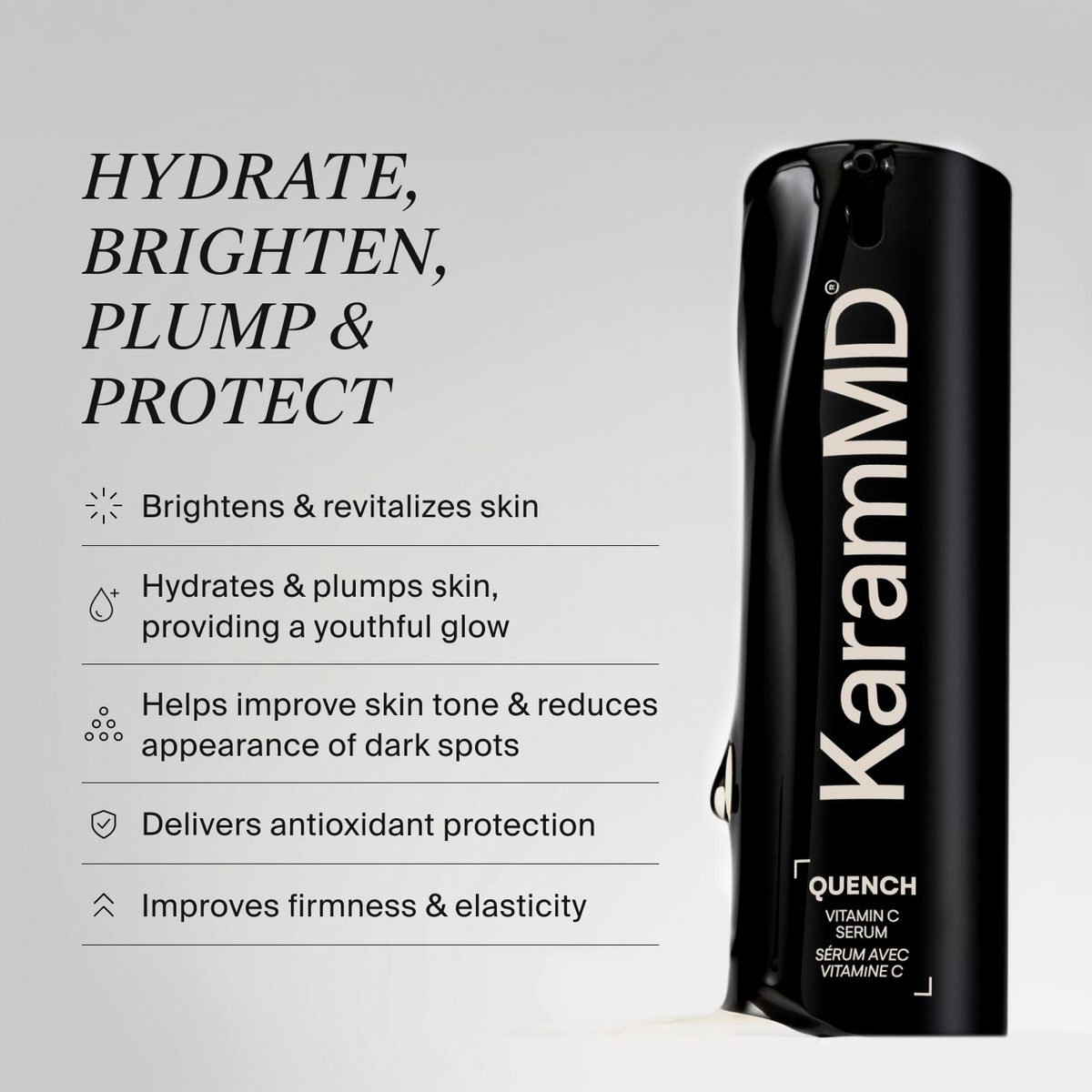
In order to rejuvenate itself, skin has to be given a reason to repair and rebuild. That’s exactly what ingredients like retinoids, vitamin C serums, growth-factor peptides, exfoliating acids, microneedling, and certain laser treatments are designed to do. They stimulate collagen production and encourage healthier skin remodeling.

But once you’ve created that stimulus, your body still needs the raw materials to actually build new collagen.

That’s where nutrition becomes important.

How to Make More Collagen

Collagen isn’t created out of thin air. Your body needs amino acids, vitamin C, copper, zinc, and other nutrients to synthesize new collagen fibers.

Think of it like building a house. Stimulating collagen production is like handing the construction crew a blueprint and telling them to build. Nutrition supplies the lumber, concrete, nails, and tools. But nutrition isn’t the same thing as supplements.

Focus on Your Diet for Anti-Aging 

Supplements and nutrition are two different things. That’s why when it comes to anti-aging, I always recommend focusing on your diet rather than taking a supplement.

A colorful, varied whole-food diet naturally provides many of the nutrients your skin depends on. Berries and citrus fruits provide vitamin C. Fish and avocados supply healthy fats. Nuts and seeds contribute vitamin E, copper, and zinc.

When you consistently eat this way, you’re supporting your skin and every other system in your body at the same time.

One concept I think people forget is that your skin is a part of your body. It’s your largest organ. The same lifestyle choices that influence your heart, brain, and muscles influence your skin.

Eating nutrient-dense whole foods, exercising, and sleeping well will benefit your whole body health, including your skin. 

How I Eat for Healthy Skin

For me, nutrition is still doing most of the heavy lifting. A varied whole-food diet supplies the majority of the nutrients your skin needs. That means plenty of fruits, vegetables, berries, citrus, fish, nuts, seeds, healthy fats, and quality protein.

Just as importantly, I try to minimize the things we know work against healthy skin, like excess sugar, ultra-processed foods, and highly processed carbohydrates.

These foods don’t just affect your overall health—they can also contribute to inflammation and other biological processes associated with skin aging.

Again, your skin is an organ. It responds to the same healthy choices as the rest of your body. 

The Supplements I Do Take 

For the most part, healthy eating comes first. Supplements play only a supporting role. This is where collagen fits into my own routine.

Many people assume I drink collagen every morning, but I actually start my day with whey protein. This gives me high-quality protein and amino acids.

I do consume collagen each day in the form of a cookie. My wife Neda mixes hers into her matcha.

Why do we do that? Collagen isn’t a miracle, and the research on hydrolyzed collagen peptides is actually fairly modest. Still, several studies suggest improvements in skin hydration, elasticity, and the appearance of fine lines, even though the exact biological mechanism isn’t completely understood.

One possible explanation is that collagen provides amino acids—including glycine—that your body uses when producing collagen, while also complementing a diet rich in other nutrients involved in collagen synthesis.

Do I think collagen alone is transforming anyone’s skin? No.

Do I think it’s a reasonable addition to an already healthy lifestyle? Yes.

It’s one more way to support a process that’s already happening.

My Three-Part Formula for Healthy Skin

If someone asked me where to spend their effort and money, this is the order I’d recommend.

Once those three pieces are in place, adding collagen—or another well-chosen supplement—can make sense as supportive nutrition. Just don’t expect it to replace the foundation.

The Biggest Mistake People Make

I think supplements have become one of the most misunderstood parts of skincare. They’re marketed as if they’re the solution. They aren’t.

When patients ask me what supplements I recommend for skin, I keep the list pretty short.

  • If your diet is poor, I’d rather help you improve your nutrition than recommend a shopping cart full of pills.
  • If your skincare routine isn’t stimulating collagen production, I’d rather fix that first.
  • If you’re skipping sunscreen every day, that’s where your attention belongs.

Once those foundations are in place, supplements can play a supportive role.

That’s exactly where they belong.

Amir Karam MD

Board Certified Facial Plastic Surgeon
Founder / Creator of KaramMD Skin

Dr. Amir Karam is a world-renowned facial plastic surgeon specializing in facial and skin rejuvenation. With over two decades of experience, he has helped countless patients achieve a naturally youthful, refreshed appearance. As an innovative surgeon, researcher, textbook author, and speaker, he is a leading authority in his field. Beyond performing surgical procedures that restore a youthful facial shape, he emphasizes the importance of skin quality, ensuring a comprehensive approach to facial rejuvenation. As the founder of KaramMD Skin, he is dedicated to making advanced skincare simple, effective, and accessible—helping you look as young as you feel.

Frequently Asked Questions

Do collagen supplements actually work for skin?
Some clinical studies suggest hydrolyzed collagen peptides may improve skin hydration, elasticity, and the appearance of fine lines. The improvements are generally modest, and the exact mechanism isn’t fully understood. I view collagen as supportive nutrition rather than a replacement for effective skincare or a healthy diet.

What are the best supplements for anti-aging skin?
Rather than focusing on a long list of supplements, I recommend starting with a healthy diet. Nutrients such as vitamin C, zinc, copper, omega-3 fatty acids, and adequate protein all support normal skin function. If your diet is already strong, collagen peptides may be a reasonable addition.

Is collagen better than protein powder?
They serve different purposes. Whey protein is a complete, high-quality protein that supports overall muscle and tissue health. Collagen peptides provide specific amino acids involved in connective tissue. They aren’t interchangeable, and many people can benefit from getting both through their overall diet.

Can supplements replace a skincare routine?
No. Supplements don’t stimulate collagen production the way retinoids, vitamin C, daily sunscreen, microneedling, or certain laser treatments can. They simply provide nutritional support for the rebuilding process.

What foods are best for healthy skin?
A varied whole-food diet remains the best nutritional strategy. I encourage people to eat plenty of berries, citrus fruits, leafy vegetables, fish, nuts, seeds, avocados, and other minimally processed foods while limiting excess sugar and ultra-processed foods.

Should everyone take collagen supplements?
Not necessarily. If you eat a healthy diet and follow a consistent skincare routine, collagen may be a reasonable addition, but it’s certainly not essential. Think of it as supporting healthy skin rather than creating it.

Is there one supplement that can reverse skin aging?
No. Skin aging is influenced by genetics, sun exposure, lifestyle, nutrition, and your daily skincare habits. No single supplement can reverse these changes on its own. The greatest improvements come from combining sun protection, evidence-based skincare, and a healthy lifestyle.

3 comments

Shannon Larremore

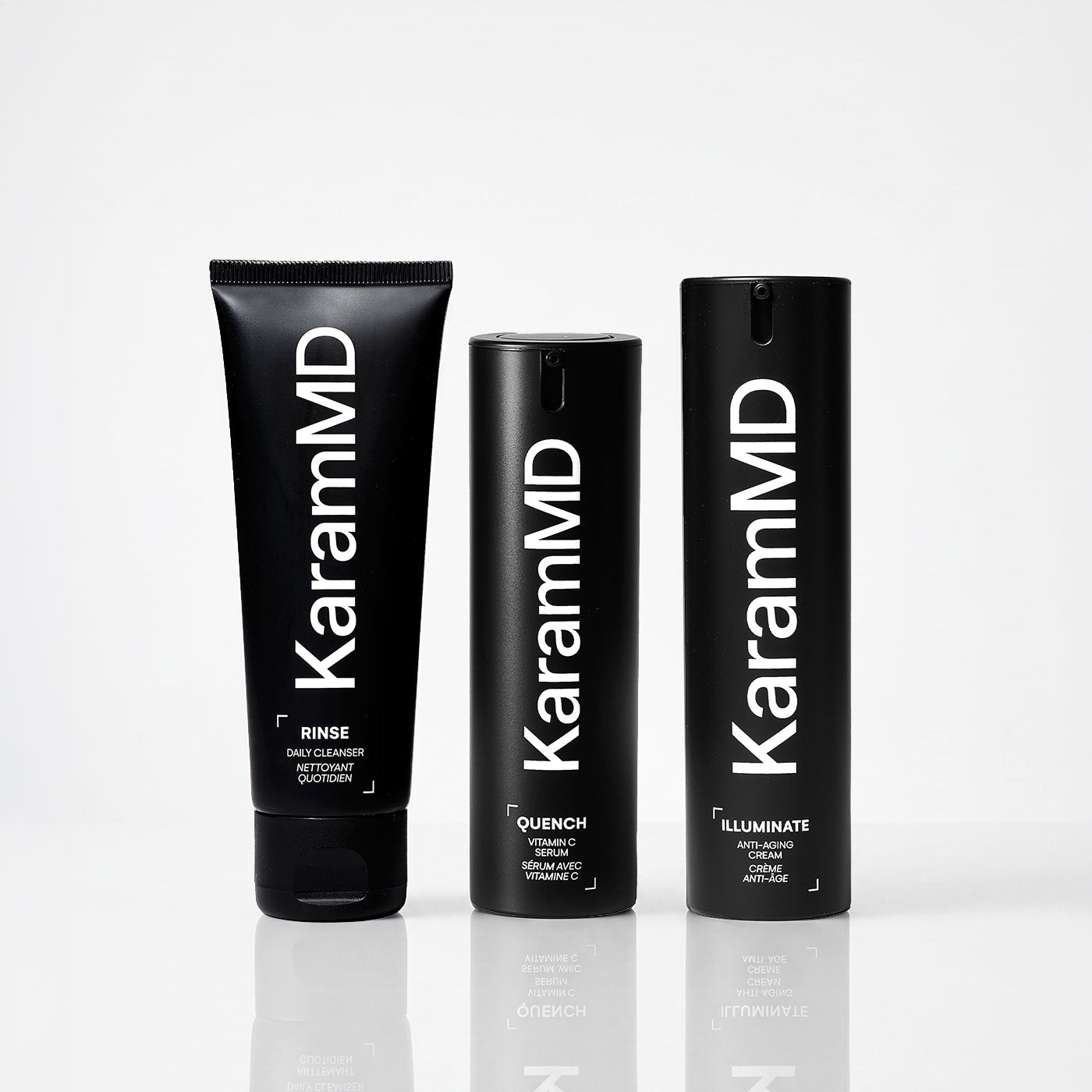
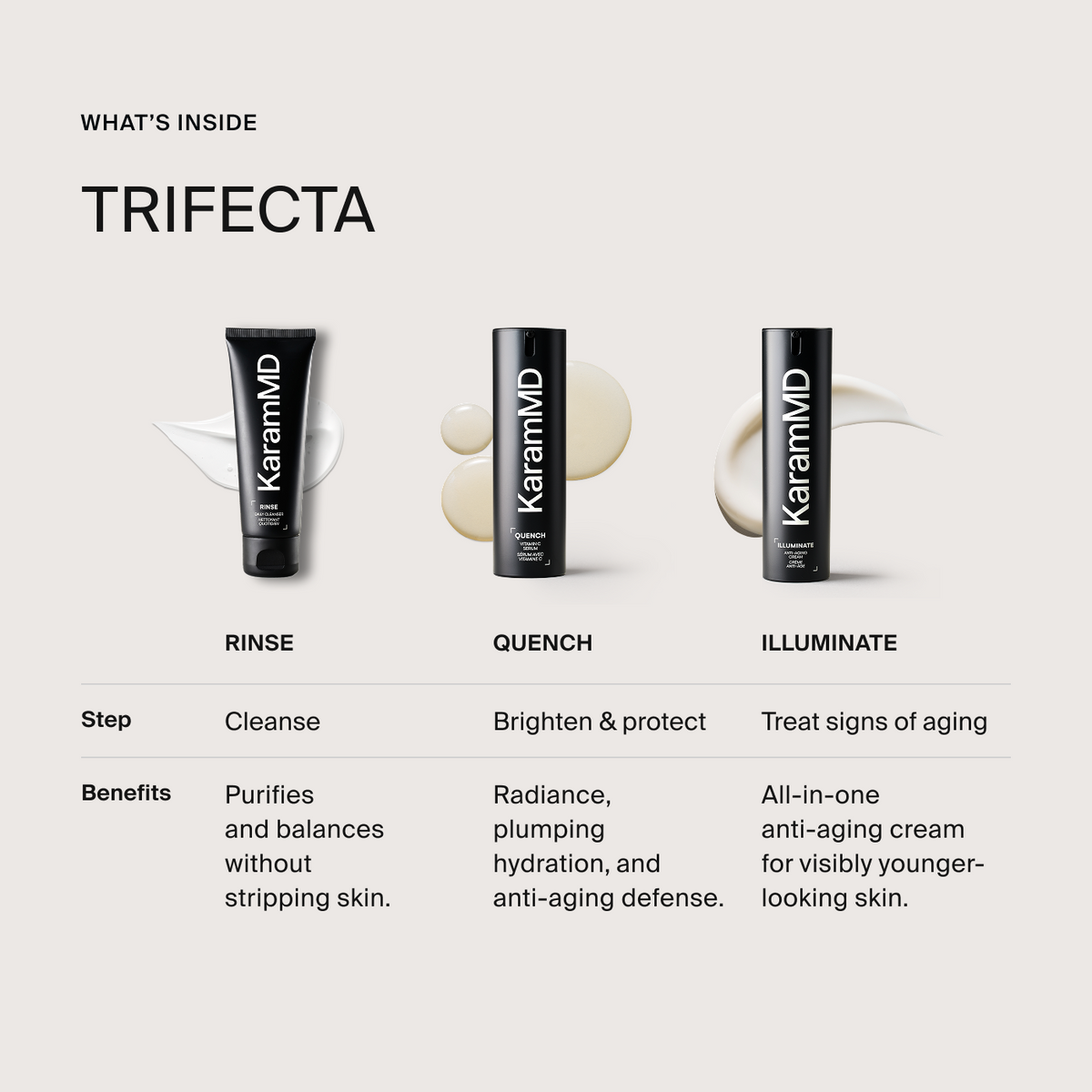
Great article! I really appreciated this perspective. It reinforces something I’ve experienced firsthand: there isn’t a magic pill for healthy, youthful-looking skin. The biggest difference has come from being consistent with the Trifecta skincare routine every single day, along with sunscreen and making healthy lifestyle choices. Consistency truly beats chasing the latest supplement trend.
I’ve been using Trifecta consistently, and I’ve seen how a simple, evidence-based routine can make a real difference over time. Supplements can certainly have a place, but I agree they’re meant to support—not replace—the fundamentals. Thanks for sharing such a practical, balanced approach.
———
KaramMD Skin replied:
Hello Customer Thank you for contacting us. Unfortunately, we are currently closed. Our business hours are Monday through Friday, 9AM to 5PM ET. Your message is important to us and we will respond promtply when we re-open. We appreciate your patience.

Nancy K Delp

Do u like Botox or dysport?
———
KaramMD Skin replied:
Hello Customer Thank you for contacting us. Unfortunately, we are currently closed. Our business hours are Monday through Friday, 9AM to 5PM ET. Your message is important to us and we will respond promtply when we re-open. We appreciate your patience.

Nancy K Delp

Do u like Botox or dysport?
———
KaramMD Skin replied:
Hello Customer Thank you for contacting us. Unfortunately, we are currently closed. Our business hours are Monday through Friday, 9AM to 5PM ET. Your message is important to us and we will respond promtply when we re-open. We appreciate your patience.

Leave a comment

All comments are moderated before being published.

This site is protected by hCaptcha and the hCaptcha Privacy Policy and Terms of Service apply.