Why I Started Saying “No” to Fillers: How My Perspective Has Evolved & What's Changed

Why I Started Saying “No” to Fillers: How My Perspective Has Evolved & What's Changed

Written by Founder, Amir Karam MD

Quote Icon

From the introduction of hyaluronic acid fillers to today’s filler-dissolving movement, my perspective on facial rejuvenation has changed dramatically over two decades of practice.

When I finished my surgical residency and started my facial plastic surgery fellowship, fillers were a very different story than they are today.

At the time, the primary filler being used was bovine collagen—a collagen product derived from cows. It was commonly injected into the lips and fine lines around the mouth. The results were modest, the longevity was limited, and most of us viewed it as a small adjunct rather than a major advancement in facial rejuvenation.

Then hyaluronic acid fillers arrived.

Products like Restylane began changing the landscape of aesthetic medicine almost overnight. These fillers lasted significantly longer than collagen because they utilized a process called cross-linking. Hyaluronic acid naturally exists throughout the body, but in its native form it is broken down very quickly. By cross-linking the hyaluronic acid molecules together, manufacturers were able to create a filler that could remain in the tissues for months rather than days.

What made the timing particularly interesting was that another major conversation was taking place at the exact same time: Why does the face age in the first place?

It was a major breakthrough. But as with many breakthroughs, some of the long-term effects weren't fully understood at the time.

Since then, our understanding has changed, and my perspective has evolved. So here's where I now believe fillers fit into a modern approach to achieving natural, youthful-looking results.

Understanding Facial Aging

To understand why hyaluronic acid fillers became so popular, it helps to understand the prevailing theory of facial aging at the time.

Many physicians viewed aging primarily as a problem of volume loss. A youthful face was compared to a plump grape. With age, it became a raisin. The answer seemed straightforward: restore the missing volume.

On the other side of the debate were plastic surgeons who viewed aging primarily as a problem of tissue descent and laxity. Their answer was to reposition the tissues through surgeries like a facelift or neck lift. 

As I entered practice, neither explanation felt completely right. My observation was that aging wasn’t one thing: some patients lost volume, others developed laxity, and most experienced both. That belief would eventually shape my entire approach to facial rejuvenation.

When Fillers Became the Answer to Everything

As fillers gained popularity, the volume-loss theory became increasingly dominant.

One of the first areas hyaluronic acid fillers became popular in “correcting” was the nasolabial fold—the crease that runs from the side of the nose to the corner of the mouth. For years, many practitioners believed this fold was one of the primary signs of aging and therefore one of the most important areas to fill.

The problem was that young people have nasolabial folds, too. Depending on the person, they are not necessarily a sign of aging. Still more and more filler was being placed directly into these folds.

At the same time, fat transfer was becoming increasingly popular. Some surgeons began approaching facial aging almost entirely as a volume deficiency. Large amounts of fat were transferred throughout the face in an effort to restore youthfulness.

For me, this was one of the first signs that something wasn’t quite adding up.

The faces looked fuller. But they didn’t always look younger.

Over time, the philosophy expanded and then came the concept of the “liquid facelift.” Fillers moved from the nasolabial folds into the cheeks, temples, jawline, lips, chin, and under-eye area. The idea was to inject enough filler and restore a youthful appearance. 

The problem was that we were increasingly asking fillers to perform a job they were never designed to do. Fillers are excellent at adding volume but they are not effective at repositioning descended tissues.

New products entered the market. New techniques were developed. More physicians adopted the philosophy that volume replacement was the primary answer to facial aging.

If some filler was good, more filler seemed better. At least that was the thinking.

When I Started Saying "No"

By the late 2010s, I found myself saying “no” to filler far more often. Patients would return requesting additional filler, and increasingly I felt that this wouldn’t deliver the result they wanted.  

I was seeing faces become wider, cheekbones broader, and jawlines heavier—often the opposite of what creates a youthful appearance.

Youthful faces tend to have a softer, heart-shaped contour. As we age, tissues descend and collect lower in the face. Adding more volume to already sagging tissues can gradually make the face appear wider, squarer, and older.

Ironically, filler was often giving the exact opposite effect of what creates a youthful appearance.

What many patients were hoping would make them look younger was sometimes making them look different instead.

And not always in a good way.

This was around the time I began moving away from the idea that filler could serve as a primary anti-aging strategy.

The Pillow Face Era & Filler Longevity

Then something interesting happened. The public started noticing that faces were getting bigger but not younger. The term “pillow face” entered the conversation, and patients began questioning whether fillers could be overused.

As public awareness grew, a number of celebrities began speaking openly about dissolving their fillers. Courtney Cox discussed removing fillers that she felt had altered her appearance, and members of the Kardashian family were reported to be dissolving filler, too. The filler-dissolving movement was born.

At the same time, our understanding of the longevity of fillers shifted. For years, the conventional understanding was that hyaluronic acid filler would dissolve naturally in 6 to 12 months. Then imaging studies using ultrasound and MRI started teaching us that filler can persist significantly longer than expected.

This helped explain something many practitioners had observed clinically. Patients were returning every six or so months because they believed the previous filler had disappeared. More was added and more again. Over time, volume was being layered on top of volume.

At the same time, we started learning more about the body’s long-term response to filler. Because filler is a foreign material, the body’s immune system can respond with tissue remodeling and fibrosis (excessive buildup of tough, fibrous scar tissue).

This is one reason why dissolving long-standing filler isn’t always as simple as many people expect. 

What Should You Do If You’re Unhappy With Your Fillers?

The first thing I would tell you is not to panic. One of the most common mistakes I see is patients assuming every facial change they dislike is filler and that all of it needs to be dissolved immediately. That’s not necessarily the case. 

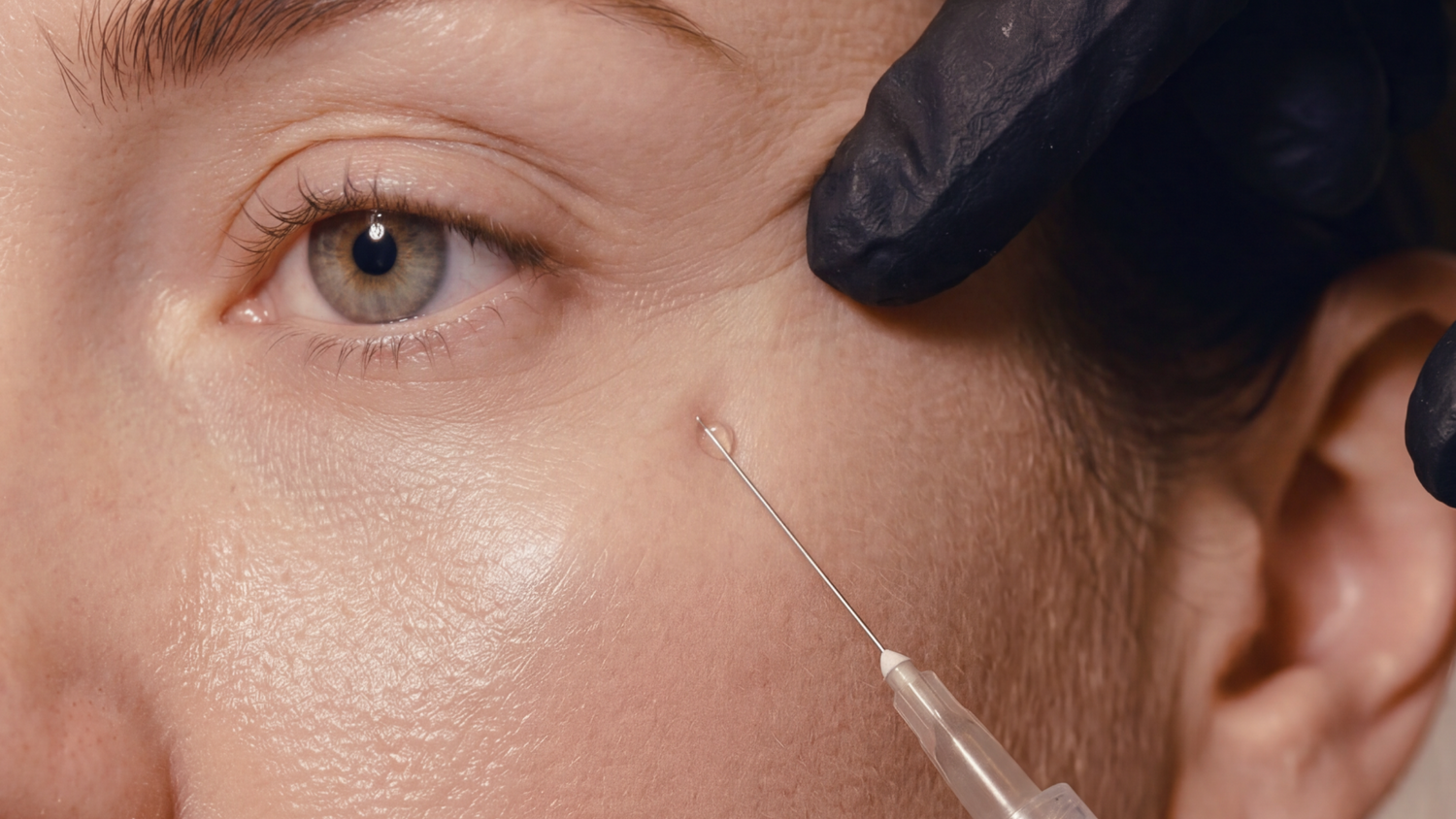
If your filler was placed recently and you’re unhappy with the result, we can inject hyaluronidase (an enzyme that breaks down hyaluronic acid) to easily reverse the effect. 

When filler has been placed repeatedly over many years, however, we may be dealing with a combination of residual filler, tissue remodeling, and fibrosis. It’s also important to understand that filler is rarely distributed evenly throughout the face. If someone has had filler placed throughout the cheeks, jawline, lips, temples, and under-eye area over many years, dissolving everything can be a lengthy process.

Occasionally, the face can temporarily appear uneven, wavy, or lumpy as different areas respond differently to treatment. For this reason, I generally recommend approaching filler dissolution thoughtfully and gradually.

There are physicians who specialize in ultrasound-guided filler dissolution and perform multiple treatments over a period of months. While that isn’t something we routinely perform in our practice, it is an available option for patients who are pursuing more comprehensive removal.

One area where we do routinely dissolve filler is under the eyes. Under-eye filler frequently attracts water and can create persistent puffiness or a tired appearance. In these situations, dissolving the filler can often be extremely helpful. Once the filler is removed, I frequently prefer fat transfer when volume replacement is still needed.

My Current Approach to Using Filler

This article is not an argument against filler. They are one of the most important advancements in aesthetic medicine.

Today, in our practice, we use fillers every week. The difference is that we use them very differently than we did 15 years ago. 

Today, whether I’m using filler or fat transfer, my philosophy is much more conservative than it was earlier in my career.

I frequently restore volume around the eyes, temples, lips, and select areas around the mouth and chin. I rarely place significant volume into the cheeks.

Part of that evolution has come from my experience with the Vertical Restore technique. When tissues are repositioned back where they belong, I often find there is far less need to fill them. The result is often a more natural appearance that still looks like the patient.

The Bigger Lesson

My biggest takeaway from the evolution of filler is that sometimes we don’t fully understand the long-term impact of a treatment until years later. This is one of the humbling realities of medicine.

After thousands or even millions of treatments, we learned where fillers shine and where they fall short. We learned that some filler can persist longer than we once believed. Perhaps most importantly, we learned that replacing volume and restoring youthful anatomy are not always the same thing.

After more than 20 years of practice, that’s the lesson I carry with me every time I evaluate a patient considering filler today.

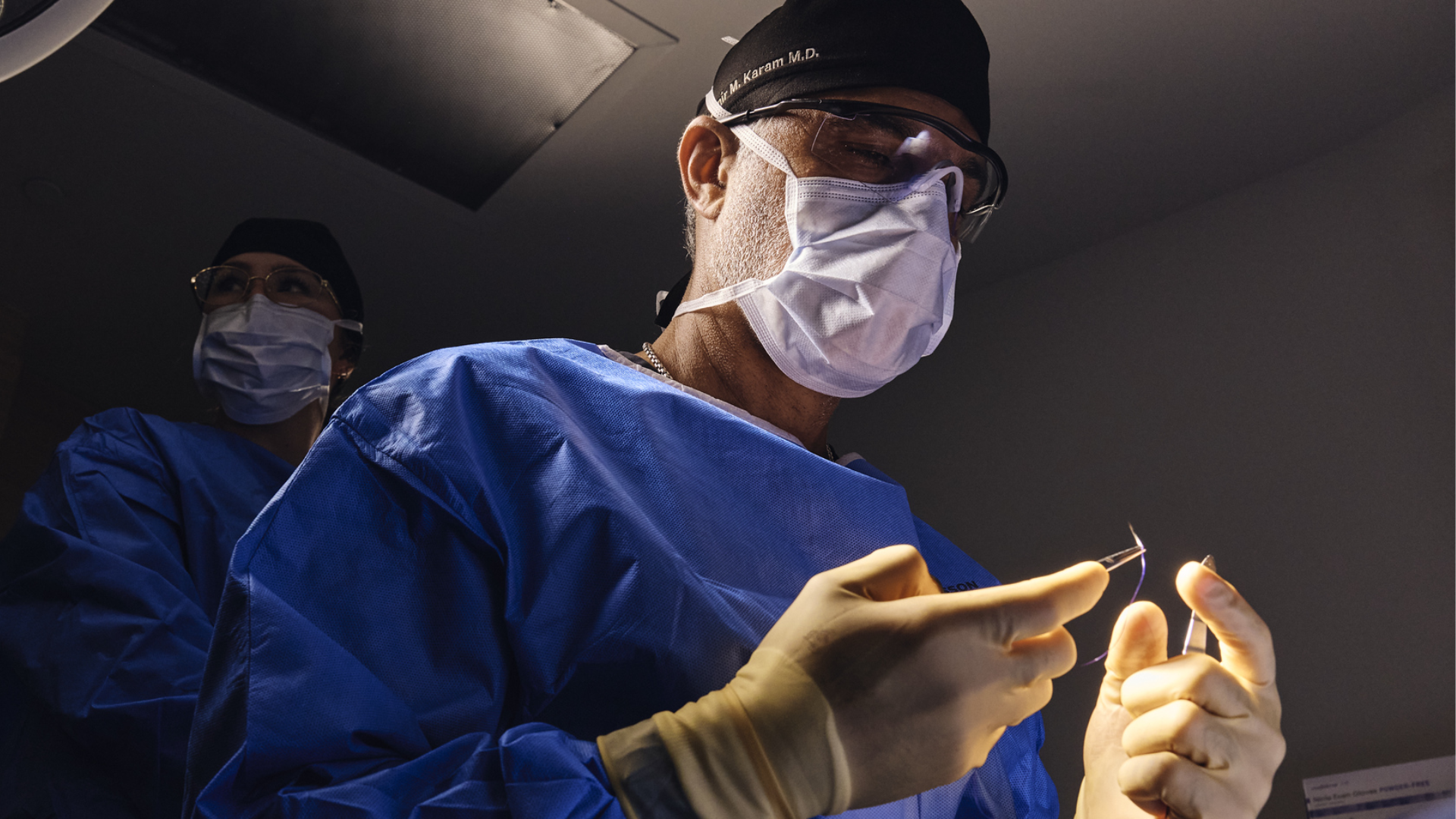
Amir Karam MD

Board Certified Facial Plastic Surgeon
Founder / Creator of KaramMD Skin

Dr. Amir Karam is a world-renowned facial plastic surgeon specializing in facial and skin rejuvenation. With over two decades of experience, he has helped countless patients achieve a naturally youthful, refreshed appearance. As an innovative surgeon, researcher, textbook author, and speaker, he is a leading authority in his field. Beyond performing surgical procedures that restore a youthful facial shape, he emphasizes the importance of skin quality, ensuring a comprehensive approach to facial rejuvenation. As the founder of KaramMD Skin, he is dedicated to making advanced skincare simple, effective, and accessible—helping you look as young as you feel.
Leave a comment

All comments are moderated before being published.

This site is protected by hCaptcha and the hCaptcha Privacy Policy and Terms of Service apply.