
Why I Didn't Use Skincare for 20 Years—Even as a Facial Plastic Surgeon

Why I Didn't Use Skincare for 20 Years—Even as a Facial Plastic Surgeon

Written by Founder, Amir Karam MD

Quote Icon

I couldn’t start a skincare routine until I solved the problem that kept holding me back.

For more than 20 years, I recommended skincare to my patients while never using it myself. That may sound strange coming from a facial plastic surgeon, but it's true.

Here’s the thing: I understood the biology of skin aging. I had studied the science. I spent years educating my patients about the importance of using active ingredients to slow the aging process. Eventually, skincare became one of the foundational pillars of my entire philosophy of facial rejuvenation.

Yet despite all of that, I never used a drop of skincare myself.

It’s not that I doubted the science or somehow thought I was immune to skin aging. I simply couldn't motivate myself to start.

Why I Couldn't Stick to a Traditional Skincare Routine

Looking back, I think I was struggling with the same issue that prevents many people from taking care of their skin today.

I knew too much.

The more I learned about skin aging, the more I understood that a truly comprehensive skincare routine wasn't just one product.

Healthy skin requires addressing multiple biological processes simultaneously.

  • Collagen declines.
  • Pigmentation develops.
  • Oxidative stress accumulates.
  • Skin texture changes.
  • The barrier becomes less resilient.
  • Hydration decreases.

To address all of those factors, traditional skincare usually means layering multiple products: a retinoid, vitamin C, antioxidants, exfoliants, hydrators, barrier repair, pigment control, and more. And usually different routines in the morning and evening. In many cases, that meant eight to ten different products.

This wasn't just something I understood academically.  It was a cornerstone of my practice. I think about aging through the lens of Skin and Shape: skincare improves skin quality; surgery addresses structure

Years of studying skin biology taught me that great skin is the cumulative effect of consistent care over time. I saw that in my patients, and in my wife, Neda, whose decades-long commitment to skincare produced the kind of healthy, resilient skin that only consistency can create.

The problem was that I knew myself well enough to know I would never maintain that routine. My schedule was already packed with surgery, consultations, family responsibilities, travel, and everything else that comes with running a busy practice. The thought of spending fifteen or twenty minutes every morning and every evening applying products in a specific order felt unrealistic.

If I was going to do skincare, I wanted to do it properly. But because I couldn't see myself adhering to an eight-to-ten-step routine for the rest of my life, I never started.

That was my mistake.

For years, I convinced myself that the only options were doing everything or doing nothing.

So I didn’t do anything at all.

What Happened When Sun Damage Finally Caught Up With Me

Through my 20s and 30s, I got away with doing nothing. My skin still looked good.

Whenever we performed VISIA skin analysis in the office (an advanced imaging system that measures wrinkles, pigmentation, pores, texture, and other markers of skin health), my scores were strong. I had very few wrinkles, minimal pigmentation, and relatively healthy skin overall.

Then I reached my mid-40s, and everything started to change. VISIA scans began showing more pigmentation. Eventually, I didn't need the scans to tell me what was happening. I could see it clearly when I looked in the mirror. The pigmentation was visible in the mirror. The dark patches beneath my beard and along my neck had become obvious enough that I couldn't ignore them anymore.

What struck me wasn't that it was happening. I had spent years studying skin aging and understood exactly why it was occurring.

What struck me was how quickly decades of sun exposure seemed to surface once it finally became visible.

I grew up in Southern California and spent most of my younger years outdoors. I rode bikes, skateboarded, played tennis, played sports, and spent countless hours in the sun. Like many people from that era, daily sun protection wasn't a priority.

I knew that exposure would eventually show up. I just didn't realize how dramatic it would be once it did. For the first time, science had become personal. The very aging changes I had spent years educating patients about were now appearing in my own skin. I couldn’t ignore them anymore.

Why Most People Struggle to Stay Consistent With Skincare

I knew I wasn't the only person struggling with this problem. Over the course of my career, I had watched hundreds of patients abandon skincare routines. 

They would start with enthusiasm: Purchase the products, learn the steps, and commit themselves to the process. Then life would happen. Three months later, they were using some of the products. Six months later, many had stopped altogether. Not because the products weren't working. Not because they didn't care. Because the routines were difficult to maintain.

I had spent years battling with the same issue myself. Even the best skincare routine in the world won't help if people can't realistically use it every day. I realized I could either continue watching my skin age from the sidelines, or I could finally solve the problem.

Creating a Simple Skincare Routine That Actually Works

After I realized that adherence was the problem, it took me nearly four years to come up with a solution. 

My original goal was simple: Create something comprehensive enough to address the major categories of skin aging while remaining simple enough that I (and all of my patients) would actually use it every day.

At first, I hoped the solution could be a single product. The deeper I got into the formulation process, however, the more I realized that wasn't realistic. 

Every attempt to simplify the routine created a new challenge. If we combined too much, we compromised performance. If we separated everything into individual products, we ended up right back where we started.

For years, we worked through that tension.

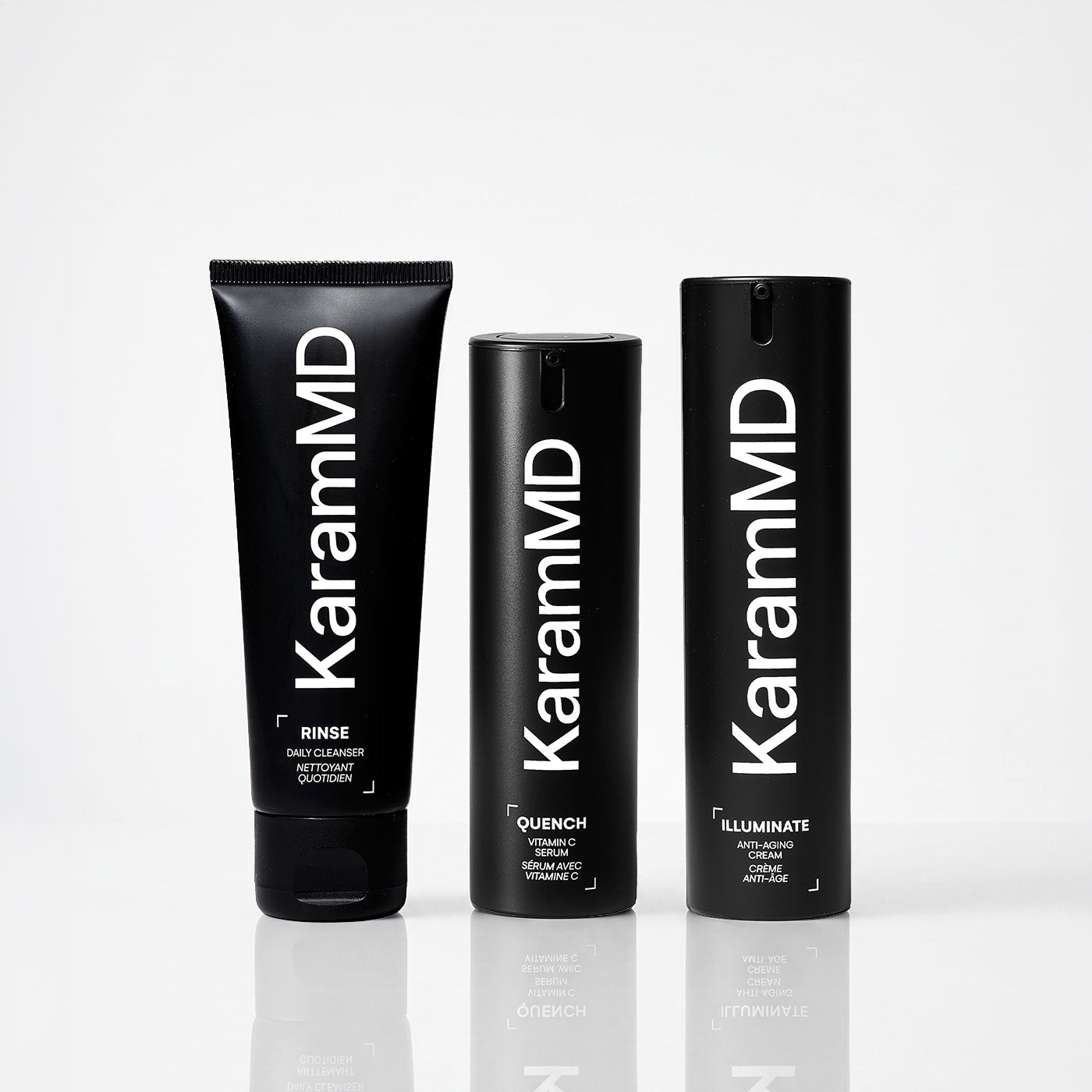
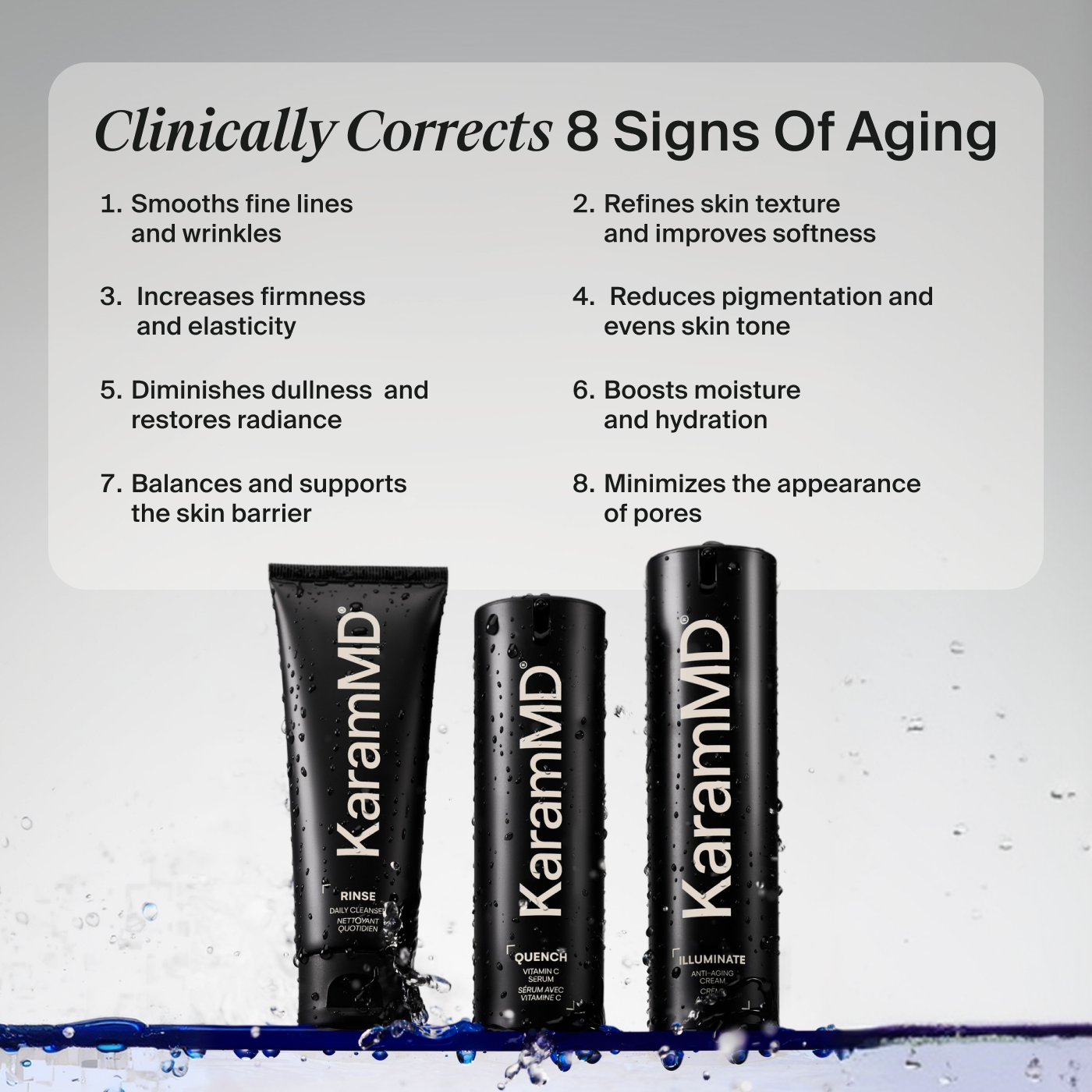
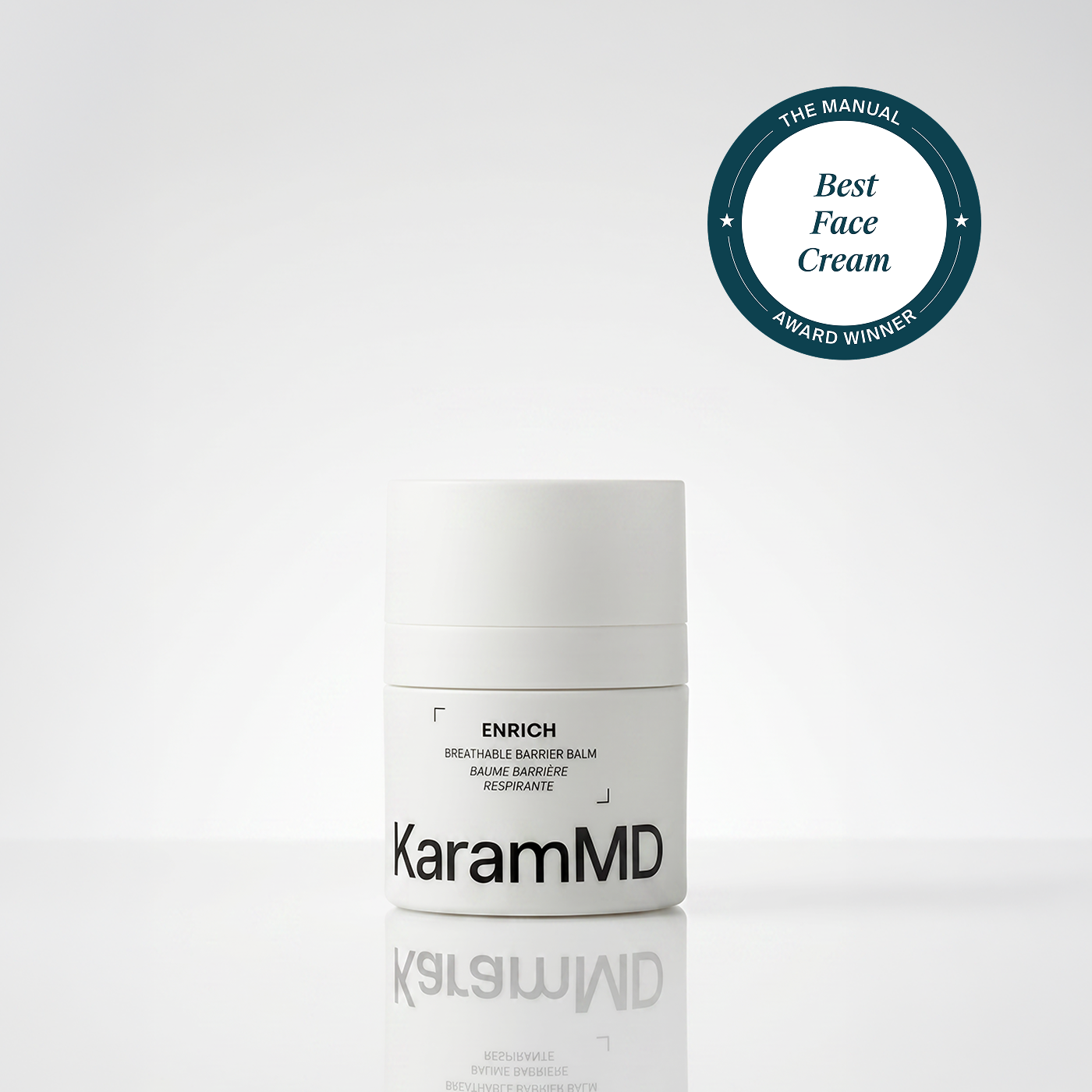
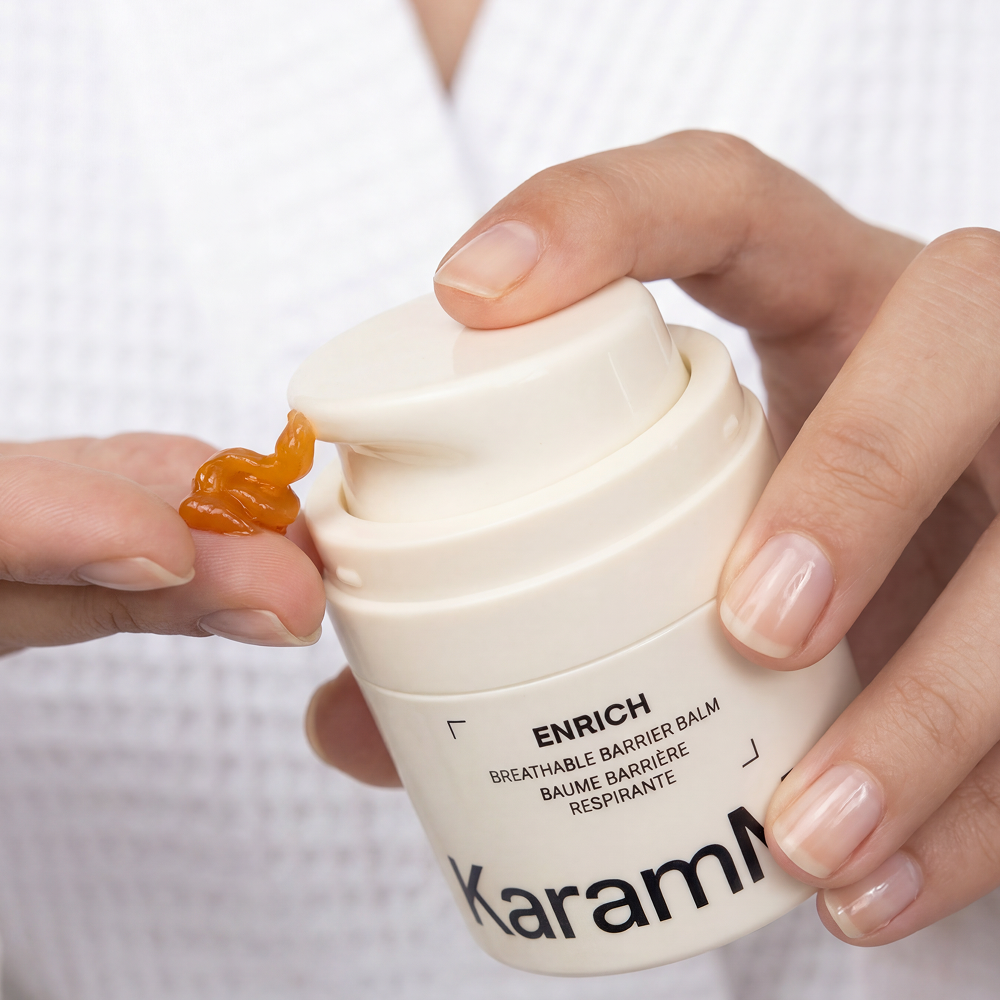
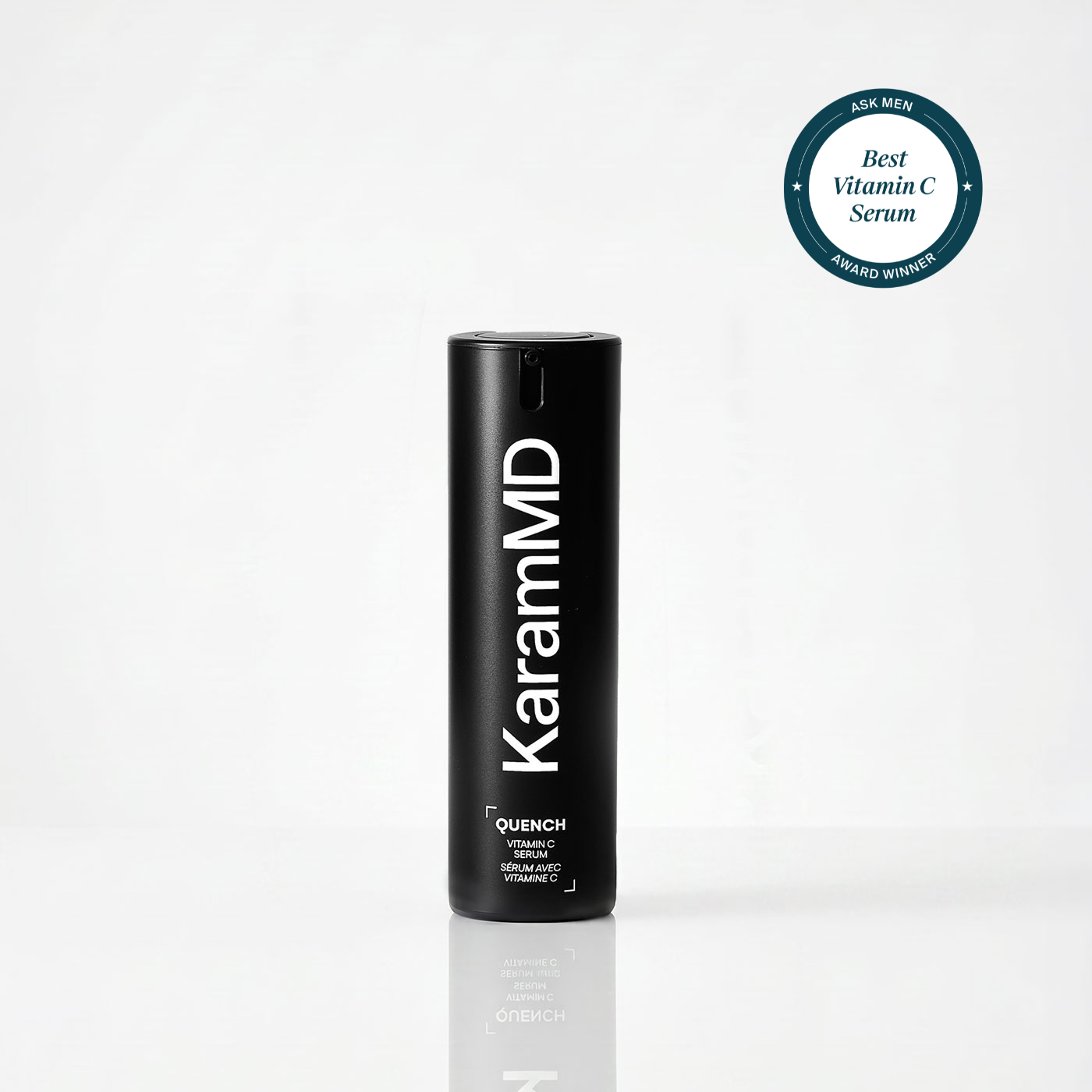
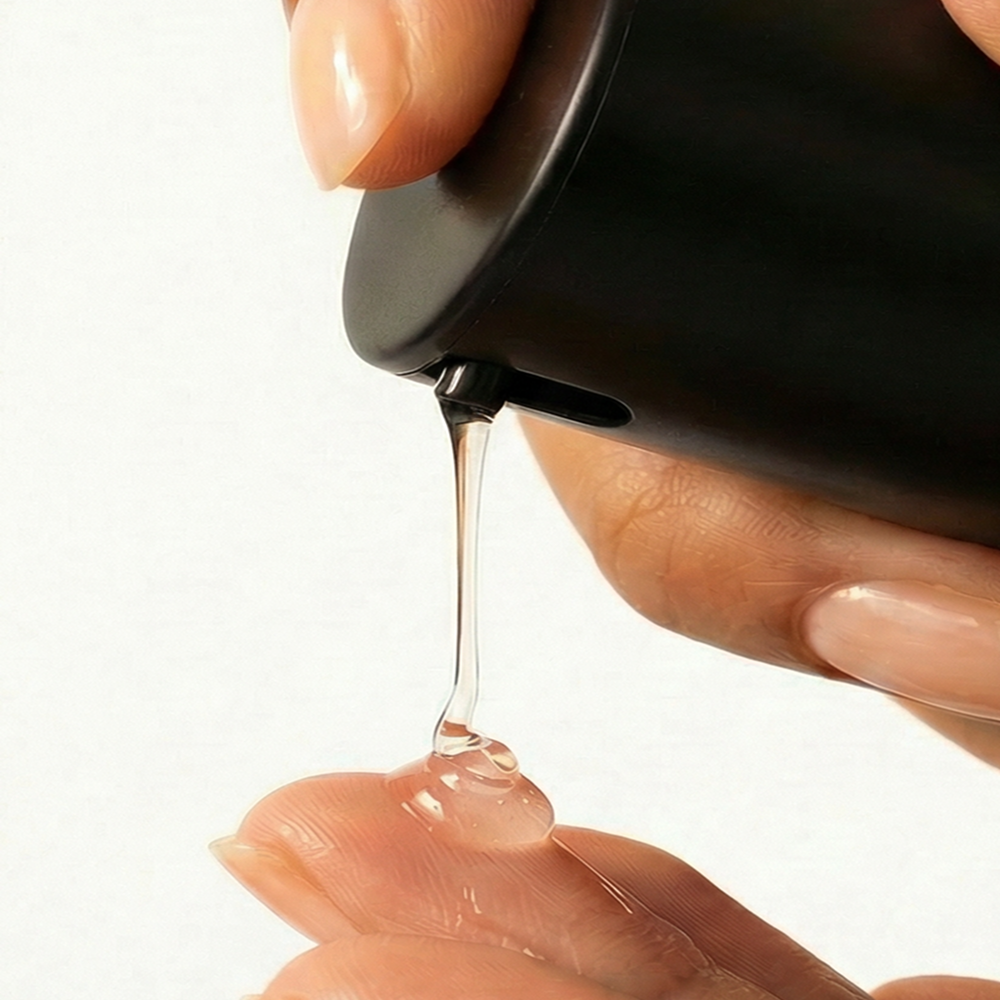
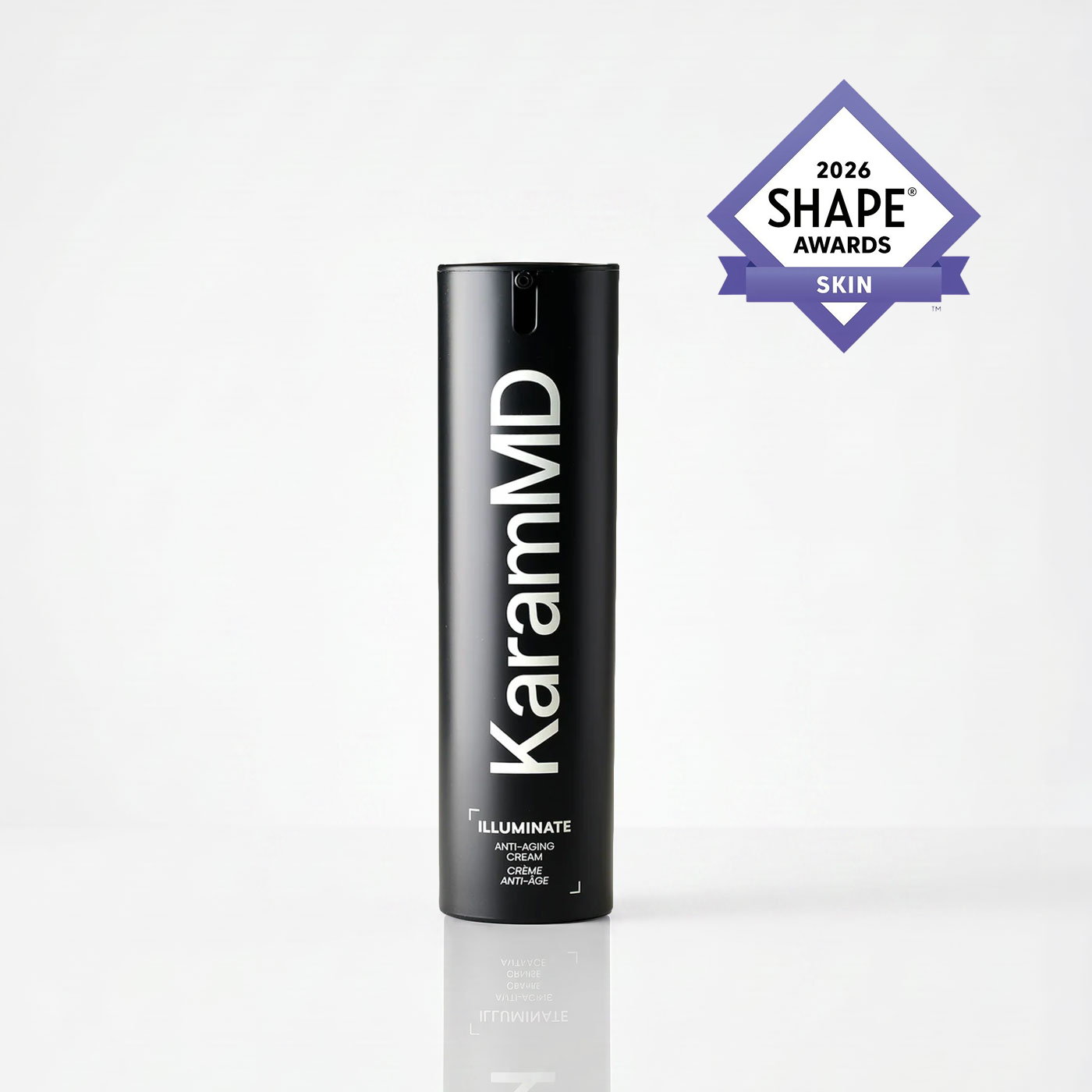
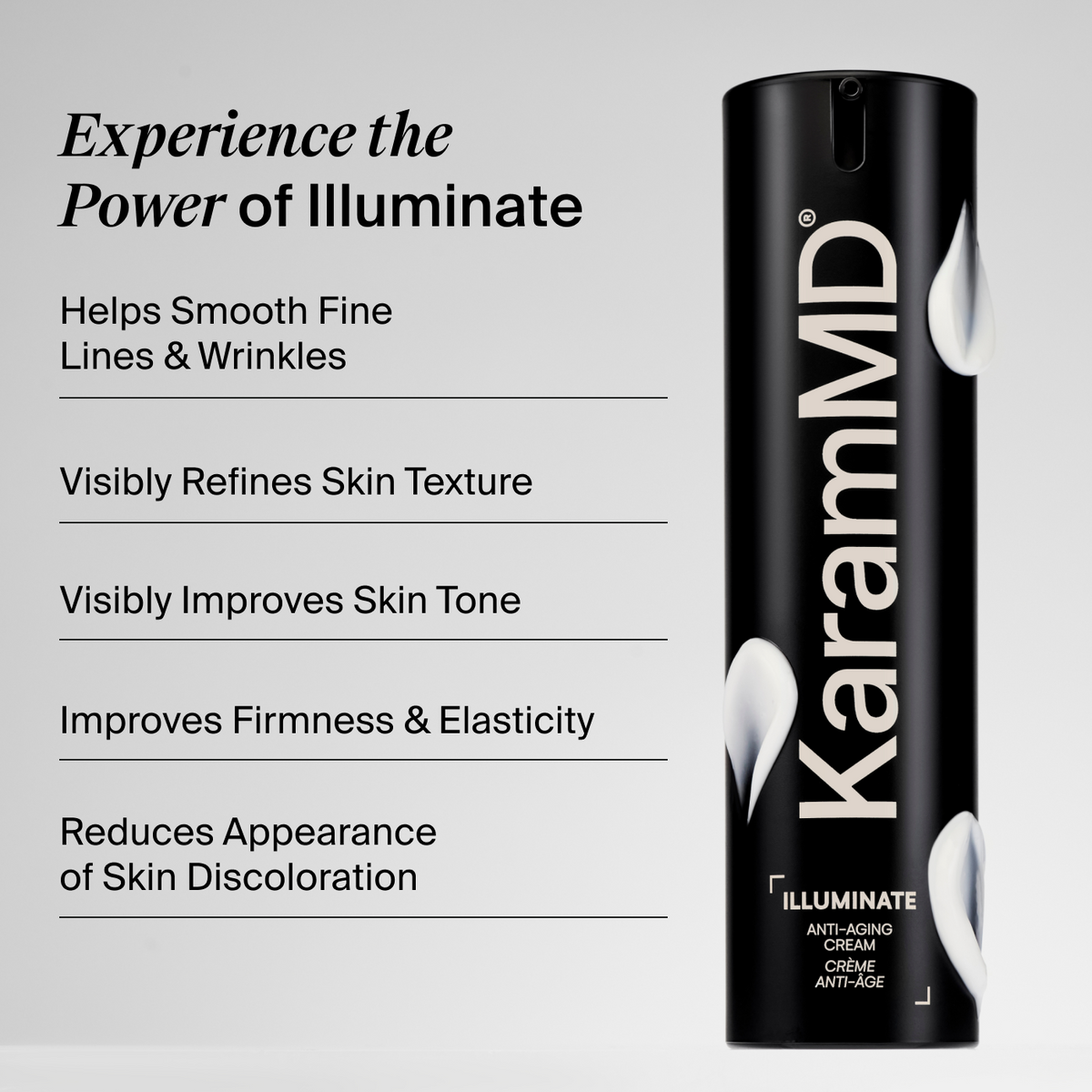
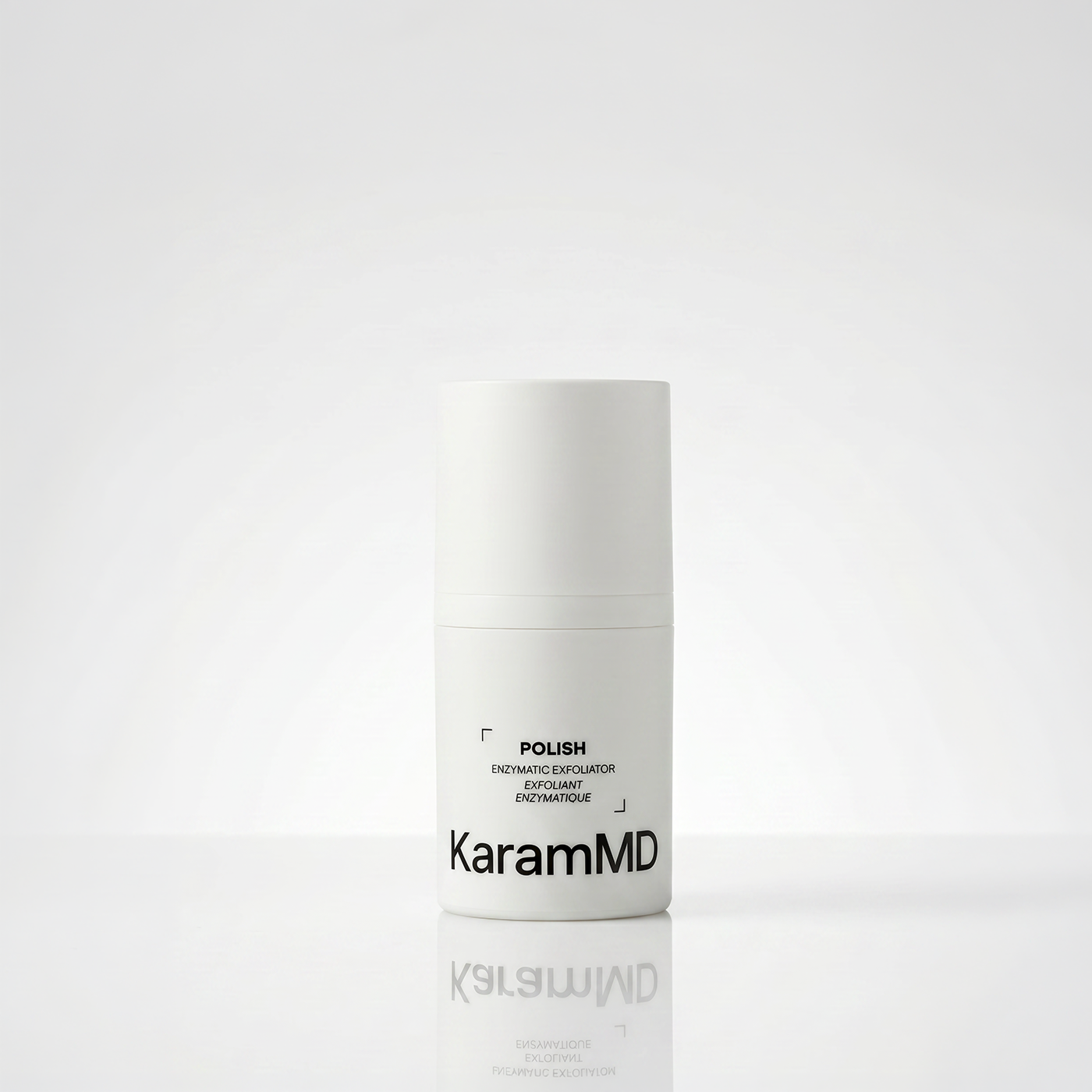
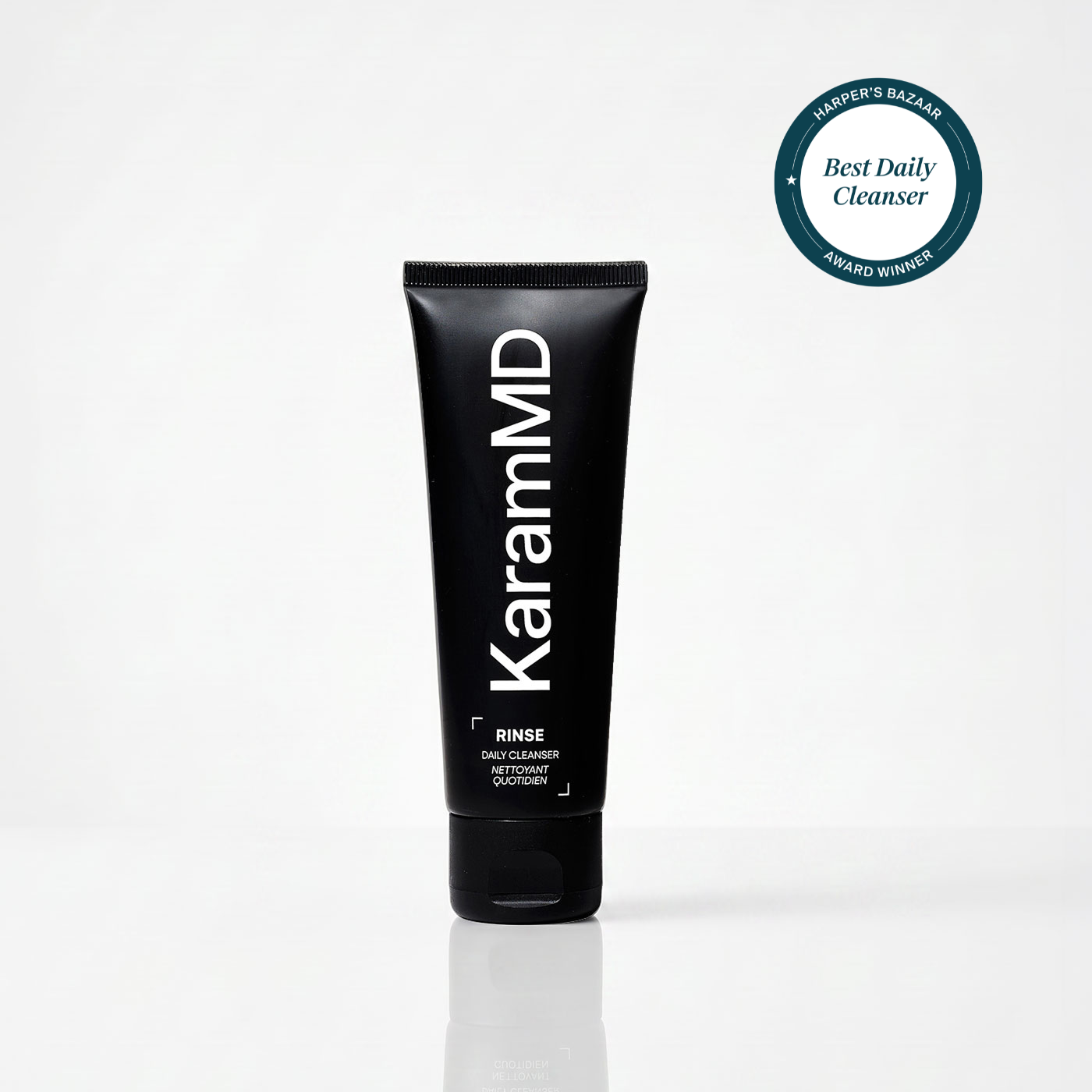
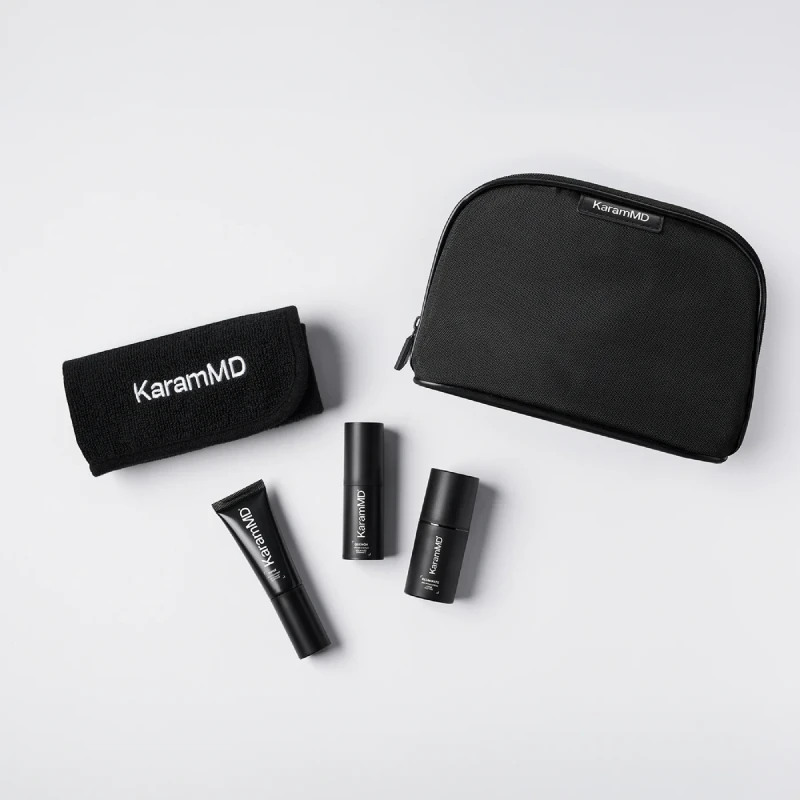
Eventually, I realized the answer wasn't one product. It was three: 

This became the foundation of the KaramMD Trifecta skincare system.

What Happened When I Finally Started A Skincare Routine

When I finally started using the Trifecta, something unexpected happened. Consistency became easy. For the first time in my life, I used skincare every single day with no issues. 

The routine took only a minute or two in the morning and at night. There was no complicated sequence to remember. No decision fatigue. No feeling that I was signing up for a 20-minute ritual that I knew I would eventually abandon.

It fit my life, so I stayed consistent.

I had confidence in the formulas because I knew exactly what was in them and what each ingredient category was designed to accomplish. 

Of course, I still wanted objective validation, so we sent the products for third-party clinical testing. The results were remarkable. The data showed that others experienced what I saw happening to myself in the mirror.  Within six to nine months, my stubborn pigmentation had faded dramatically. By roughly a year, the dark spots throughout my face and neck had essentially disappeared.

I haven't missed a day in more than four years. For someone who couldn't get started for more than two decades, that's probably the result I'm most proud of.

The Unexpected Peace of Mind That Comes From Consistent Skincare

The improvement in my skin was rewarding, but I also experienced a more meaningful benefit: peace of mind. 

I think many people underestimate the emotional burden of knowing what they should be doing but not doing it. For years, I carried that contradiction with me.

I knew skincare mattered. I knew active ingredients could make a meaningful difference. I knew my skin was aging. Yet I wasn't participating.

Many people feel this, even if they can't fully explain it. They wonder if they're using the right products or if they're missing an important ingredient. They wonder if there's something better they should be doing. It's a quiet discomfort that sits in the background.

Once I finally had a routine I trusted completely, that feeling disappeared.

I wasn't chasing the next product. I wasn't wondering whether I was missing something important. I wasn't feeling guilty that I knew better but wasn't acting on it.

I could finally commit to something, focus on consistency, and continuously improve upon the few aspects of aging we actually have some control over.

It's Never Too Late to Start

Looking back, my biggest mistake wasn't waiting until my 40s to start skincare. It was believing that the only options were doing a perfect 10-step routine or doing nothing at all.

If there's one lesson I hope people take away from my story, it's that it’s never too late to start.

I went more than 40 years without using skincare. Yet with the right routine and consistent use, I was able to regain ground and improve the health and appearance of my skin.

The goal isn't perfection.

The goal is participation.

Because in skincare, just like so many other areas of life, consistency is what ultimately creates breakthrough results.

Amir Karam MD

Board Certified Facial Plastic Surgeon
Founder / Creator of KaramMD Skin

Dr. Amir Karam is a world-renowned facial plastic surgeon specializing in facial and skin rejuvenation. With over two decades of experience, he has helped countless patients achieve a naturally youthful, refreshed appearance. As an innovative surgeon, researcher, textbook author, and speaker, he is a leading authority in his field. Beyond performing surgical procedures that restore a youthful facial shape, he emphasizes the importance of skin quality, ensuring a comprehensive approach to facial rejuvenation. As the founder of KaramMD Skin, he is dedicated to making advanced skincare simple, effective, and accessible—helping you look as young as you feel.

Frequently Asked Questions

Why do most people quit skincare routines?
Many people don't quit because they stop caring. They quit because the routine becomes too complicated or time-consuming to maintain consistently. Even effective products won't help if the routine isn't realistic enough to follow every day.

What is the best skincare routine for busy people?
The best skincare routine is one that addresses the major categories of skin aging while remaining simple enough to use consistently. A routine that takes only a few minutes but gets used every day is often more effective than a complicated routine that gets abandoned.

Is it too late to start skincare in your 40s or 50s?
No. Earlier is always better, but skin remains biologically active throughout life. With consistent use of effective ingredients and proper sun protection, skin quality, pigmentation, texture, and overall appearance can improve significantly.

Can pigmentation from sun damage improve with skincare?
Yes. Depending on the type and severity of pigmentation, active ingredients such as retinoids, vitamin C, exfoliants, antioxidants, and pigment-correcting ingredients can help improve discoloration over time when used consistently.

Why is consistency more important than having more products?
Results come from long-term use. A simple routine used every day will almost always outperform a complicated routine that gets used inconsistently.

What ingredients matter most in an anti-aging skincare routine?
While no single ingredient addresses every aspect of skin aging, retinoids, vitamin C, antioxidants, hydration, barrier-supporting ingredients, exfoliants, and daily sun protection are among the most important categories to consider.

Leave a comment

All comments are moderated before being published.

This site is protected by hCaptcha and the hCaptcha Privacy Policy and Terms of Service apply.