The 10 Biggest Causes of Facial Aging: What Actually Makes You Look Older?

The 10 Biggest Causes of Facial Aging: What Actually Makes You Look Older?

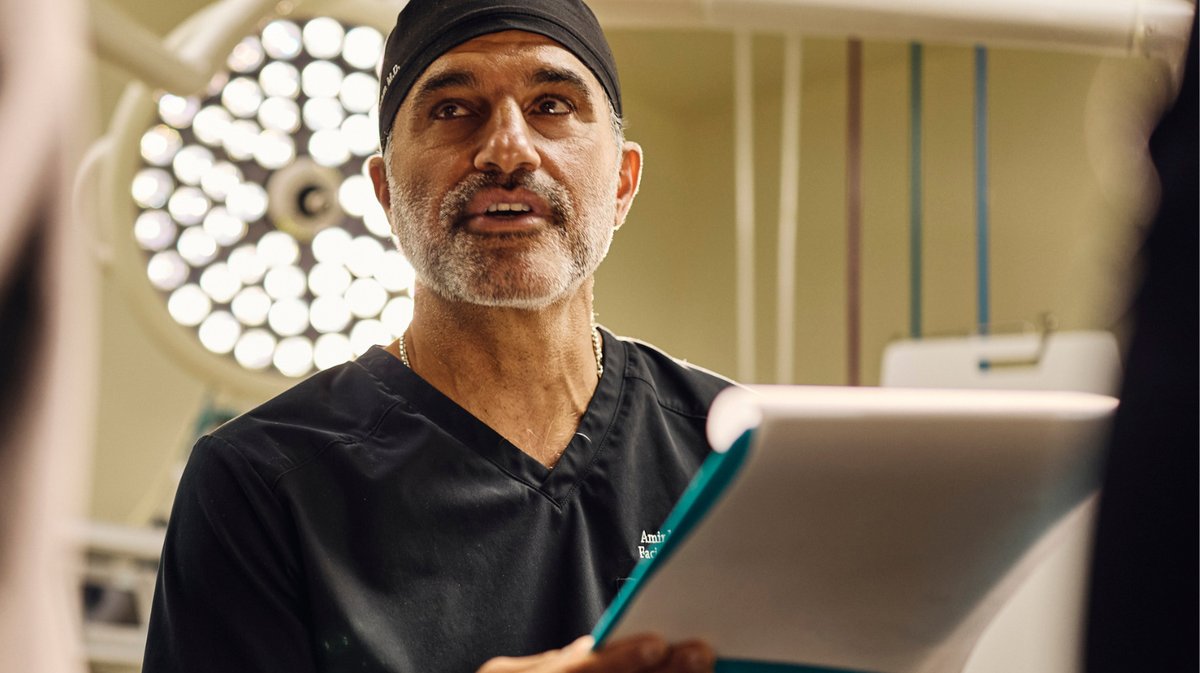
Written by Founder, Amir Karam MD

Quote Icon

Most people are focusing on the wrong causes of facial aging—and it’s why they often choose the wrong treatments.

One of the questions I hear almost every day is, “What’s actually making me look older?” It’s a simple question, but the answer surprises most people.

After more than 30 years studying facial aging and performing thousands of facial rejuvenation procedures, I’ve realized that most people spend their time treating the signs of aging without first understanding what’s actually causing them.

They’ll point to a wrinkle, a hollow under the eye, or a jawline that’s beginning to soften. But those are usually symptoms of much larger biological changes that have been developing quietly for years.

If you don’t understand what’s actually causing your face to age, it’s very easy to spend your time—and your money—treating the wrong problem. That’s not because the information people hear is completely wrong. It’s because not every contributor to facial aging deserves equal attention. Some have a relatively small effect on how old you look, while others fundamentally change your appearance over time.

If I had to rank those contributors, from the least important to the most significant, this is how I would do it.

Ranking the
Top 10 Things 
That Age 
Your Face

One thing to keep in mind as you read this list: not everything that makes you look older for a day is actually aging you. Looking tired after a poor night’s sleep or dehydrated after a long flight isn’t the same as the structural changes that develop over decades. That’s exactly why I’ve ranked these factors the way I have.

10.

Dehydration

People often ask me whether drinking more water will make them look younger.

The honest answer is—not by much.

If you’re dehydrated:

  • Your skin can look duller
  • Fine lines may appear a little more noticeable
  • You probably won’t look as refreshed as you normally do.

But that’s very different from actual aging.

Once you’re adequately hydrated, those changes largely disappear. Dehydration isn’t permanently damaging your collagen or changing the structure of your face.

Is hydration important for healthy skin? Absolutely.

Is it one of the major drivers of facial aging? In my opinion, no.

That’s why it comes in at number ten.

09.

Alcohol

Almost everyone has experienced this. You have a night where you drink a little more than usual, and the next morning your face tells the story.

  • Your eyes are puffier.
  • Your skin looks dull.
  • You don’t quite look like yourself.

Alcohol dehydrates the body, increases inflammation, disrupts sleep, and changes the way your body manages fluid. Together, they make your face look more fatigued than it actually is.

Fortunately, most of those changes are temporary. The bigger issue is when alcohol becomes a long-term habit.

Over time, excessive alcohol use contributes to chronic inflammation, poorer skin quality, nutritional deficiencies, and consistently poor sleep—all of which accelerate aging.

An occasional drink isn’t what concerns me. It’s the cumulative effect of years of excessive drinking that eventually shows up in the mirror.

08.

Diet

One of the things I love about skin is that it’s incredibly honest. It reflects what’s happening inside your body.

Your skin is constantly repairing itself. Every single day it’s making collagen, replacing damaged cells, and protecting itself from the environment. To do that well, it needs the right building blocks.

A diet rich in fruits, vegetables, healthy fats, and lean proteins provides those building blocks. A diet dominated by ultra-processed foods and excess sugar works against them.

One process that’s worth understanding is called glycation. Excess sugar binds to collagen and elastin, making those fibers stiffer and less resilient over time. The result is skin that gradually loses elasticity and becomes more prone to wrinkles.

Poor nutrition also promotes chronic inflammation, and inflammation rarely helps anything—including your skin.

Do you need to eat perfectly? Of course not. I certainly don’t. But your overall dietary pattern, repeated year after year, absolutely influences how well your skin ages.

07.

Poor Sleep

I’ve seen this thousands of times in my practice. Patients come in after several nights of poor sleep, and before they say a word, I can often tell.

  • Their skin has lost some of its brightness.
  • Their eyes look heavier.
  • They simply don’t look as refreshed.

We’ve all looked in the mirror after one bad night and thought, “I look older today.” Most of the time, you don’t. You look tired. Get a couple of good nights of sleep, and much of that disappears. The problem is when poor sleep becomes your normal routine.

Sleep is when your body performs much of its repair work.

  • Hormones reset.
  • Inflammation decreases.
  • Damaged tissues recover.

Your skin is no exception.

If you’re consistently shortchanging that repair process, your skin loses some of its ability to recover from daily damage.

It’s one more example of small decisions quietly compounding over time.

06.

Chronic Stress

Stress affects almost every system in the body. Your skin isn’t immune.

One of my favorite examples is looking at photographs of world leaders before and after serving in office. Regardless of politics, many seem to age dramatically over just four or eight years. Obviously, that’s not a scientific study. But it’s a powerful illustration of what chronic stress can do.

Stress increases cortisol, disrupts sleep, promotes inflammation, and often changes our habits. We exercise less. We eat differently. We may drink more alcohol. We stop taking care of ourselves as well as we normally would.

I don’t think stress alone dramatically ages the face. But I do think it quietly accelerates many of the other processes that do.

None of us can eliminate stress completely. Life doesn’t work that way. But learning how to manage it may be one of the most underrated investments you can make—not only for your overall health, but for the way you age.

05.

Genetics

This is the point in the conversation where many people throw up their hands and say, “Well, my parents aged early, so there’s probably nothing I can do.” But I don’t see it that way.

Genetics absolutely matter. They influence the thickness of your skin, your bone structure, how much collagen you naturally produce, and even when certain aspects of facial aging begin. Some people are fortunate enough to inherit genes that allow them to look younger for longer. Others aren’t.

But after treating thousands of patients over the years, I’ve become convinced that genetics are only part of the story. I’ve seen patients with incredible genetics who spent decades in the sun and looked far older than they should have. I’ve also seen patients with average genetics who looked remarkably youthful because they consistently protected their skin, maintained healthy habits, and followed an effective skincare routine for years.

Your genes set the stage. They don’t write the entire script.

That’s actually good news because it means many of the biggest influences on how you age are still within your control.

04.

Volume Loss

This is probably where I disagree with much of what you hear online.

If you listen to many discussions about facial aging, you would think volume loss is responsible for almost everything. I don’t believe that’s true.

Do we lose volume as we age? Absolutely.

  • The temples become less full.
  • The area around the eyes can hollow.
  • The cheeks gradually lose some of their youthful fullness.

Those changes matter. But I don’t think they’re the biggest reason we look older.

One of the easiest ways to understand this is to simply look at young people.

Many people in their twenties naturally have hollow tear troughs. Others have flatter cheeks. Some have naturally narrow faces. Yet they still look unmistakably young. Why?

Because youth isn’t defined by fullness alone. It’s defined by the overall shape of the face. Healthy skin, bright eyes, well-positioned facial tissues, a defined jawline - that’s youth.

One of the biggest mistakes I’ve seen over the past decade is treating every sign of aging with more filler.

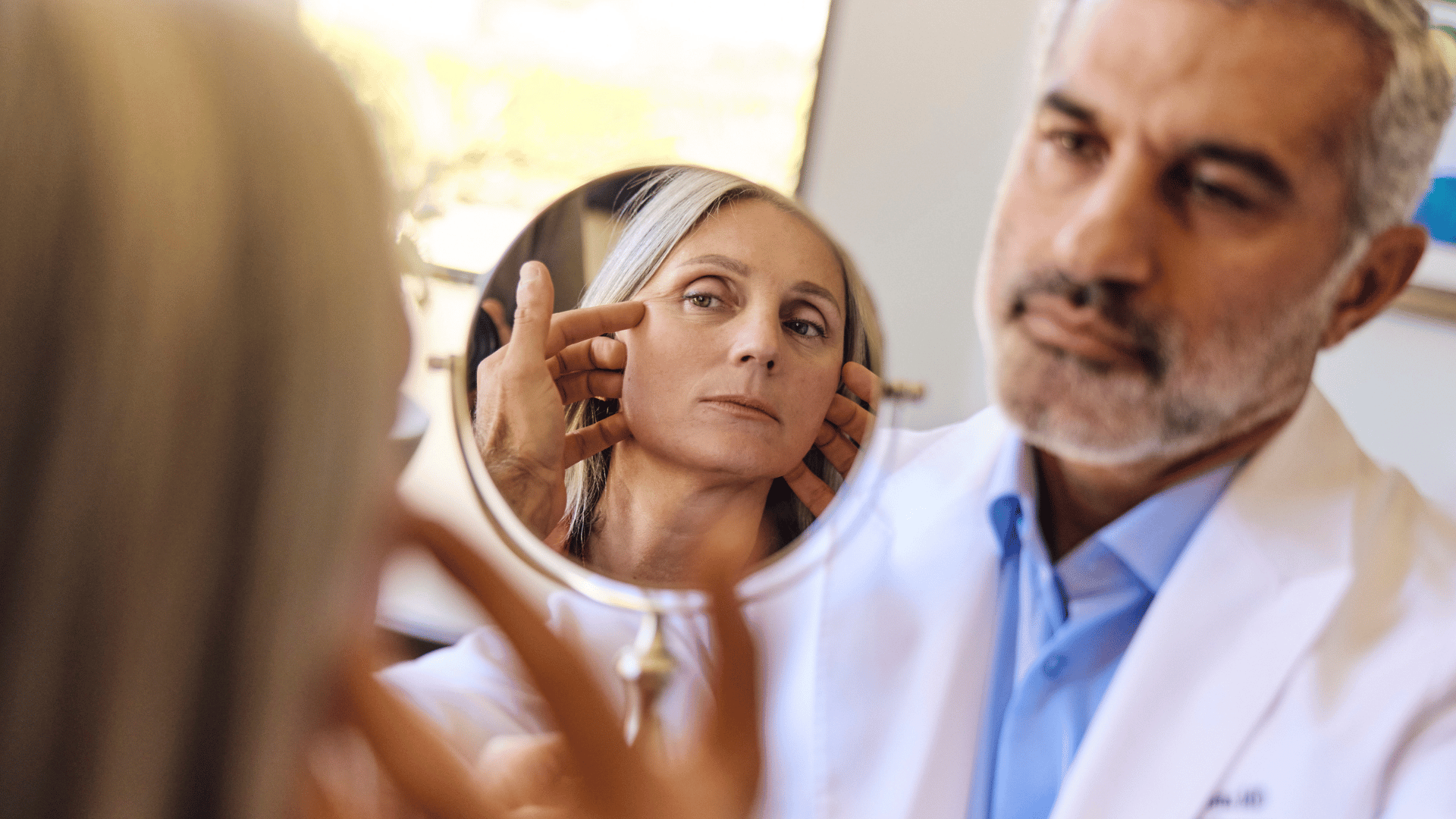
In fact, this is probably one of the most common conversations I have during consultations. Patients often come in convinced they’ve simply lost volume because that’s what they’ve been told. But after examining them, I explain that volume usually isn’t the primary issue. The tissues have changed position. That’s a completely different diagnosis, and naturally it leads to a completely different treatment plan.

If the problem is that the tissues have descended, adding more volume rarely recreates youth. It often creates a fuller face without making someone look younger.

That’s why I’ve always believed the most important step in facial rejuvenation isn’t deciding how to treat someone—it’s first understanding why they look older.

If we’re treating the wrong problem, we shouldn’t expect the right result.

03.

Smoking

If there were one lifestyle habit that consistently accelerates facial aging, smoking would be near the very top of the list. I’ve seen it throughout my entire career.

  • The skin becomes thinner.
  • The complexion loses its vibrancy.
  • Fine lines appear earlier, especially around the lips.
  • Healing after surgery becomes less predictable.

The science behind it is straightforward. Smoking damages collagen and elastin, constricts blood vessels, reduces oxygen delivery to the skin, and promotes chronic inflammation. Your skin simply doesn’t receive the support it needs to maintain itself.

Unlike dehydration or one bad night of sleep, smoking doesn’t just make you look older temporarily. It truly accelerates the aging process.

The encouraging news is that it’s never too late to stop. While you can’t completely erase years of damage, quitting smoking immediately stops adding to it, and your body begins recovering almost right away.

01.

Sun Exposure

No other cause of facial aging consistently affects the skin as much as years of cumulative sun exposure.

One of the things I’ve learned over the years is just how much skin quality influences the appearance of youth. Two patients can undergo essentially the same operation, yet the patient who has spent years protecting their skin almost always ends up with the more beautiful result.

I’ve become convinced that beautiful facial rejuvenation starts with healthy skin. You can reposition facial tissues beautifully, but if the skin has accumulated decades of sun damage, the final result will never be as striking as it could have been. Surgery can reposition facial tissues, but it can’t erase decades of accumulated ultraviolet damage. Skin quality matters far more than most people realize.

Ultraviolet radiation:

  • Gradually breaks down collagen and elastin
  • Creates pigmentation
  • Roughens skin texture
  • Contributes to wrinkles
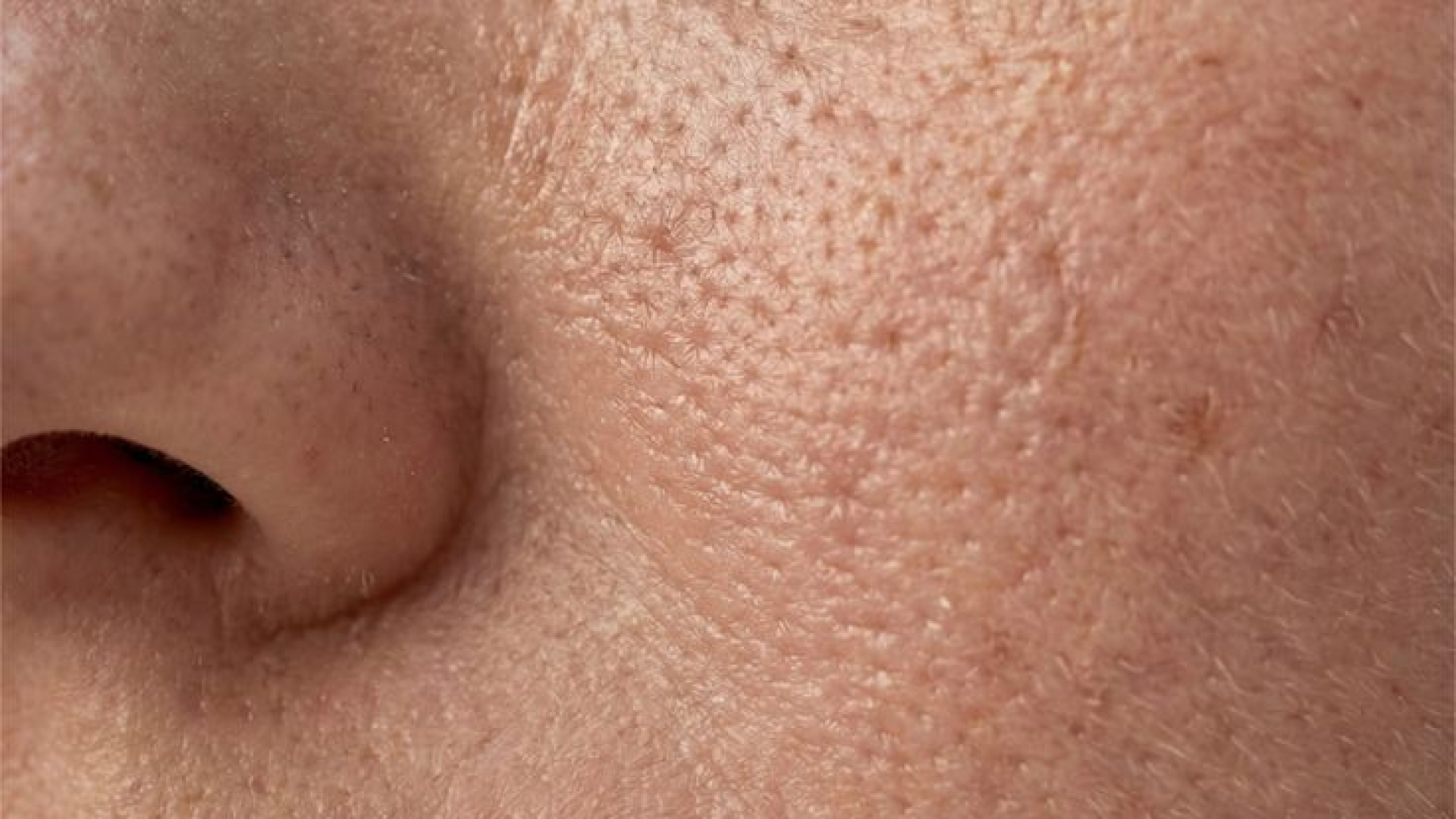
  • Enlarges pores
  • Accelerates many of the visible changes we associate with aging

The frustrating part is that this damage doesn’t happen after one afternoon at the beach. It accumulates quietly after thousands of sunny afternoons.

The encouraging part is that it’s also the most preventable contributor on this list. You can’t change your genetics. You can’t stop time. But you can absolutely decide how much additional damage your skin accumulates from this point forward.

  • Daily sunscreen.
  • Protective clothing.
  • Seeking shade when appropriate.
  • A consistent skincare routine built around ingredients that are backed by good science.

Those habits don’t seem dramatic in the moment. Over twenty or thirty years, they’re transformative.

Where Should You Spend Your Energy?

Whenever I explain facial aging to a patient, I usually end with the same advice.

Don’t try to do everything. Do the important things consistently.

If I were creating a long-term plan for healthy facial aging, here’s where I would focus:

  • Protect your skin from the sun every day.
  • Use a simple skincare routine with ingredients that have real scientific evidence behind them.
  • Don’t smoke.
  • Eat well most of the time.
  • Prioritize quality sleep.
  • Stay physically active.
  • Learn to manage stress.
  • Limit excessive alcohol.
  • Stay hydrated.

Healthy aging isn’t built on complexity. It’s built on consistency. One of the biggest lessons I’ve learned throughout my career is that the people who age the best usually aren’t doing the most. They’re simply doing the right things—day after day, year after year.

Eventually, those habits become your face.

You Have Control Over Your Aging Process

One of the greatest misconceptions about facial aging is believing that there’s a single cause—and therefore a single solution. There isn’t.

Aging is the result of countless biological processes interacting over decades. Your genetics, your lifestyle, your skin quality, the position of your facial tissues, and the choices you make every day all play a role.

The good news is that many of the biggest contributors are within your control. You may not be able to stop time. None of us can. But you can absolutely influence how well you age.

After spending my career studying facial aging and helping patients look more like themselves again, one lesson has become clearer with every passing year: The patients who age the best aren’t the ones chasing shortcuts. They’re the ones who consistently protect their skin, take care of their health, and address the right problem at the right time.

Because facial rejuvenation has never been about chasing perfection. It’s about helping you look as young as you feel while still looking completely like yourself.

Amir Karam MD

Board Certified Facial Plastic Surgeon
Founder / Creator of KaramMD Skin

Dr. Amir Karam is a world-renowned facial plastic surgeon specializing in facial and skin rejuvenation. With over two decades of experience, he has helped countless patients achieve a naturally youthful, refreshed appearance. As an innovative surgeon, researcher, textbook author, and speaker, he is a leading authority in his field. Beyond performing surgical procedures that restore a youthful facial shape, he emphasizes the importance of skin quality, ensuring a comprehensive approach to facial rejuvenation. As the founder of KaramMD Skin, he is dedicated to making advanced skincare simple, effective, and accessible—helping you look as young as you feel.

Frequently Asked Questions

What is the biggest cause of facial aging?
In my opinion, cumulative sun exposure is the single biggest contributor because it damages collagen, elastin, skin texture, pigmentation, and overall skin quality. It’s also one of the most preventable.

Is facial volume loss the biggest reason we look older?
No. Volume loss plays an important role, but I believe age-related descent of the facial tissues and changes in skin quality often have a greater impact on how old someone appears.

Does stress really age your face?
Chronic stress can accelerate facial aging indirectly by increasing inflammation, disrupting sleep, elevating cortisol, and encouraging unhealthy lifestyle habits.

Can sunscreen really prevent wrinkles?
Absolutely. Daily sun protection is one of the most effective long-term strategies for preserving collagen and reducing premature skin aging.

Can surgery repair sun-damaged skin?
No. A facelift restores facial position and contour, but it doesn’t reverse the effects of ultraviolet damage on the skin. That’s why skin quality remains such an important part of facial rejuvenation.

What’s the single best habit for slowing facial aging?
If I could recommend only one habit, it would be protecting your skin from the sun every day. Combined with consistent skincare and a healthy lifestyle, it has the greatest long-term impact on how your skin ages.

1 comment

Kathyn Gausepohl

Rios at the glen
———
KaramMD Skin replied:

Leave a comment

All comments are moderated before being published.

This site is protected by hCaptcha and the hCaptcha Privacy Policy and Terms of Service apply.