


These are all the things I have thought about for more than 20 years, every night before surgery and every morning before I walk into the operating room.
Facial plastic surgery is unusual in that my patients are healthy. They don’t need surgery in the traditional medical sense. They have laxity, jowling, puffy eyelids or changes in their facial shape. They look in the mirror or see themselves in a photograph and increasingly don’t recognize the person looking back at them.
That can carry an enormous emotional burden, particularly when someone feels healthy, energetic and youthful on the inside, but their reflection is telling them something very different. But you could still argue that they don’t have to have surgery. And because they don’t have to do it, if you’re going to operate on them, you had better do it exceptionally well.
It’s a gift and an honor to be chosen for something this important. In my practice, patients travel from across the country and frequently from overseas with the hope that I will deliver the kind of natural rejuvenation they have seen in my work. They’re trusting me with their face, and I never want to lose sight of that.
Over the years, I’ve realized that I can’t control every variable in surgery, but I can control the condition in which I enter the operating room.
And that is really what this routine is about.
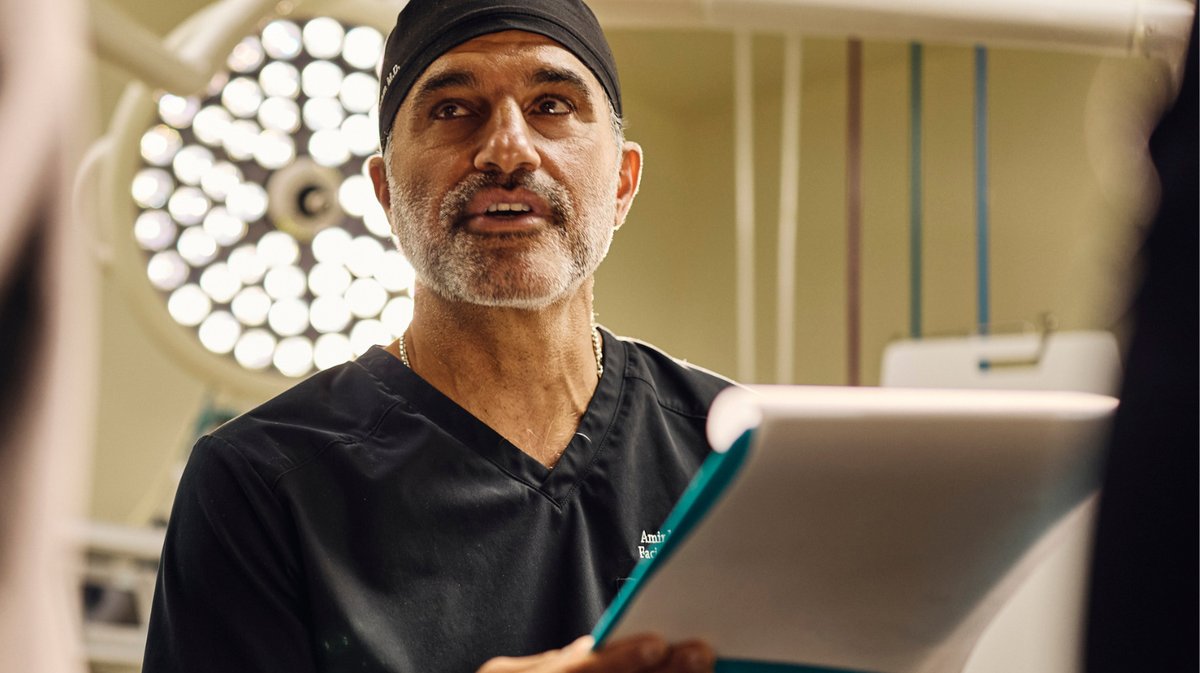
Written by Founder, Amir Karam MD

Perhaps there is nothing that carries a greater sense of responsibility than operating on a perfectly healthy human being with the expectation that you are going to make them look younger, make them look more like themselves, not make them look like they’ve had surgery, not make them look like a different person, minimize or eliminate complications, and ultimately help them look as young as they feel.
The Night Before: Surgery Starts in My Head
Even after all these years, there is a light but very present awareness that I feel the night before I operate. I don’t want to become nonchalant about surgery or emotionally detached from what I’m about to do. The fact that I still feel something the night before tells me that I understand what is at stake and that I still care deeply about the outcome.
I meet every patient I’m going to operate on the following day. I review their case, study their face, and by the time I go home their anatomy is ingrained in my thoughts and memory. Before I fall asleep, I think about what I’m going to do for each person. I’ve always done this. For more difficult cases, I will quite literally perform the surgery in my head. I visualize the anatomy, the challenges I may encounter and the steps I’m going to take.
So in many ways, surgery begins for me before I ever enter the operating room. Interestingly, that heightened awareness usually disappears once I begin operating. Once I get started, I’m completely focused on what is in front of me.
6:30 AM: Preparing My Body and Mind

I operate three days a week, and on those mornings I wake up around 6:30. I give myself approximately an hour and 15 minutes to an hour and a half for physical activity. That might mean a 45-minute walk followed by 30 or 40 minutes of weight training, or it might simply be a longer walk. The exact exercise can vary. The important thing is that I move.
Part of this is physical preparation. A typical surgery lasts about two and a half to three hours, and surgery places your body in some pretty unnatural positions. My neck is flexed, my right arm may be elevated, my scapula tilted, and I’m often leaning forward while sitting or standing over a patient wearing a headlight. I want my muscles warm and my body felxible well before I ask it to maintain those positions.
But exercise also gets my mental state in the right place. By the time I’m finished, I feel awake, centered and ready. Then comes the cold plunge.
I keep the water around 49–50°F and stay in for about three and a half to four minutes. I know there are all kinds of claims surrounding cold plunges and longevity, but that’s not really why I do it. I do it because I love how I feel afterward. There is an energy and almost an elation that stays with me for hours. I also like the fact that getting into that water is never easy. No matter how many times I do it, taking that first step requires me to overcome something uncomfortable. I like beginning my day that way.
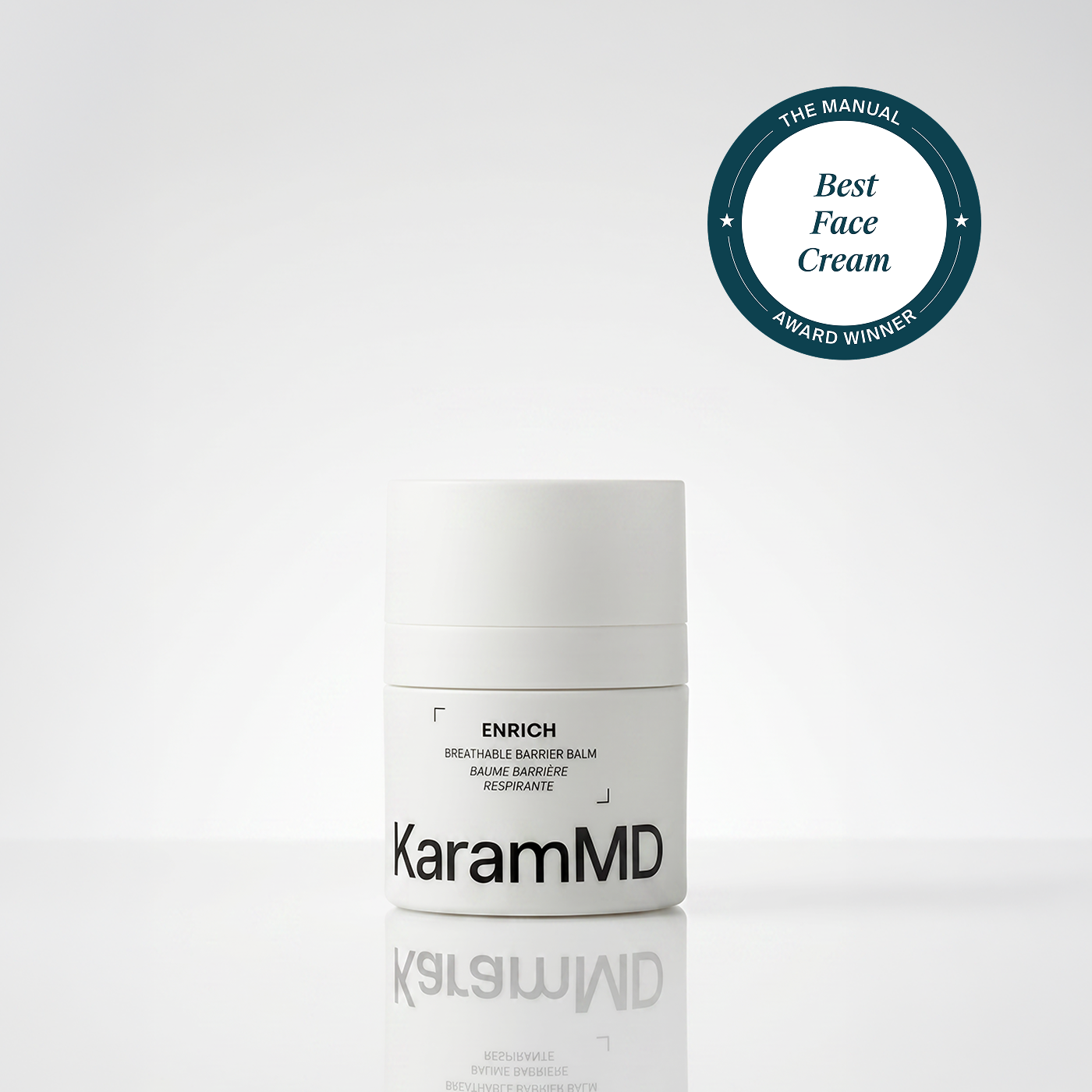
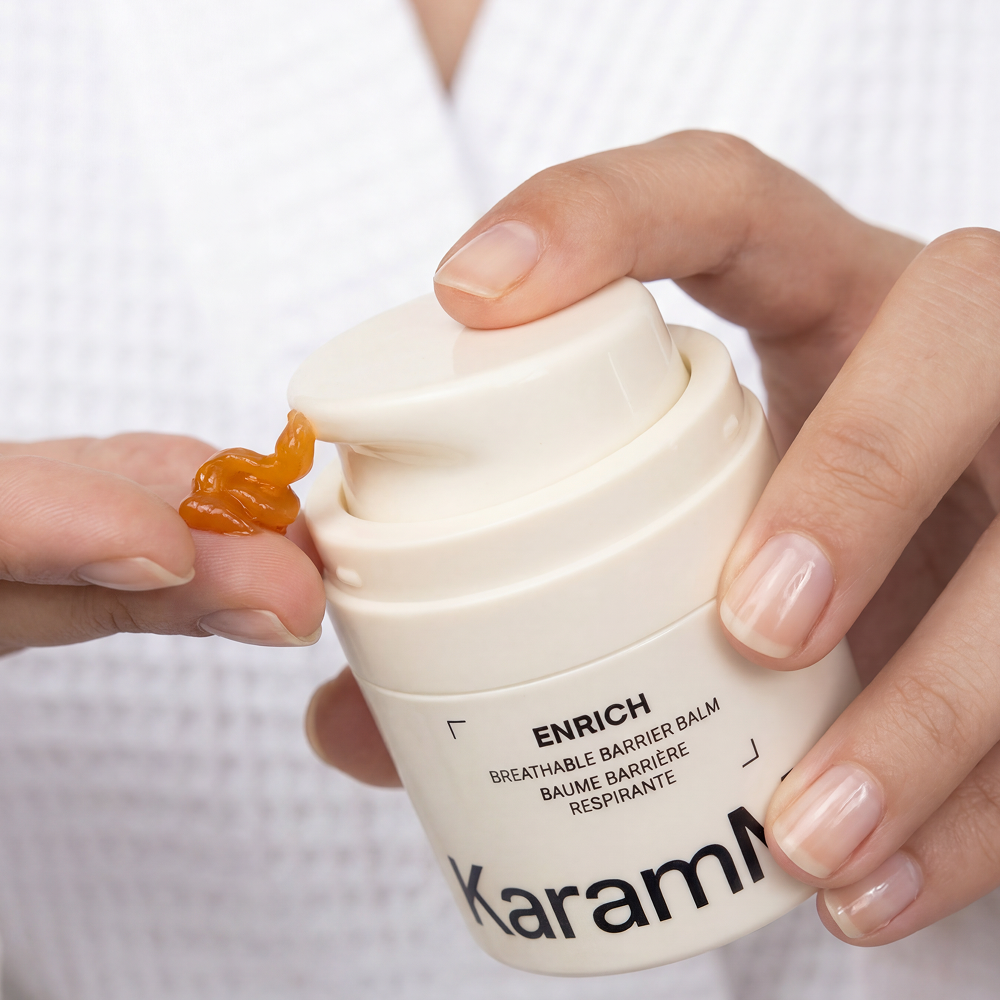
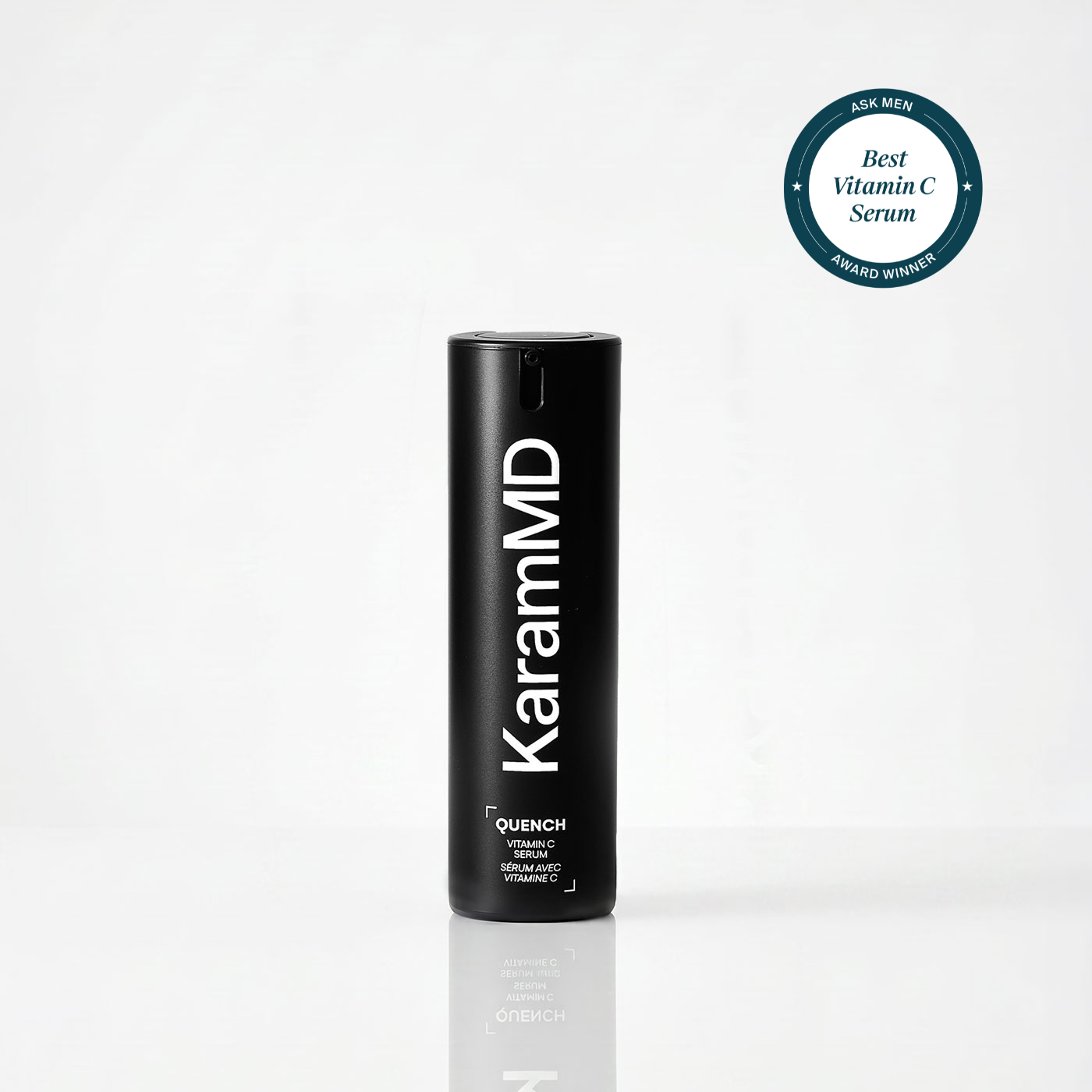
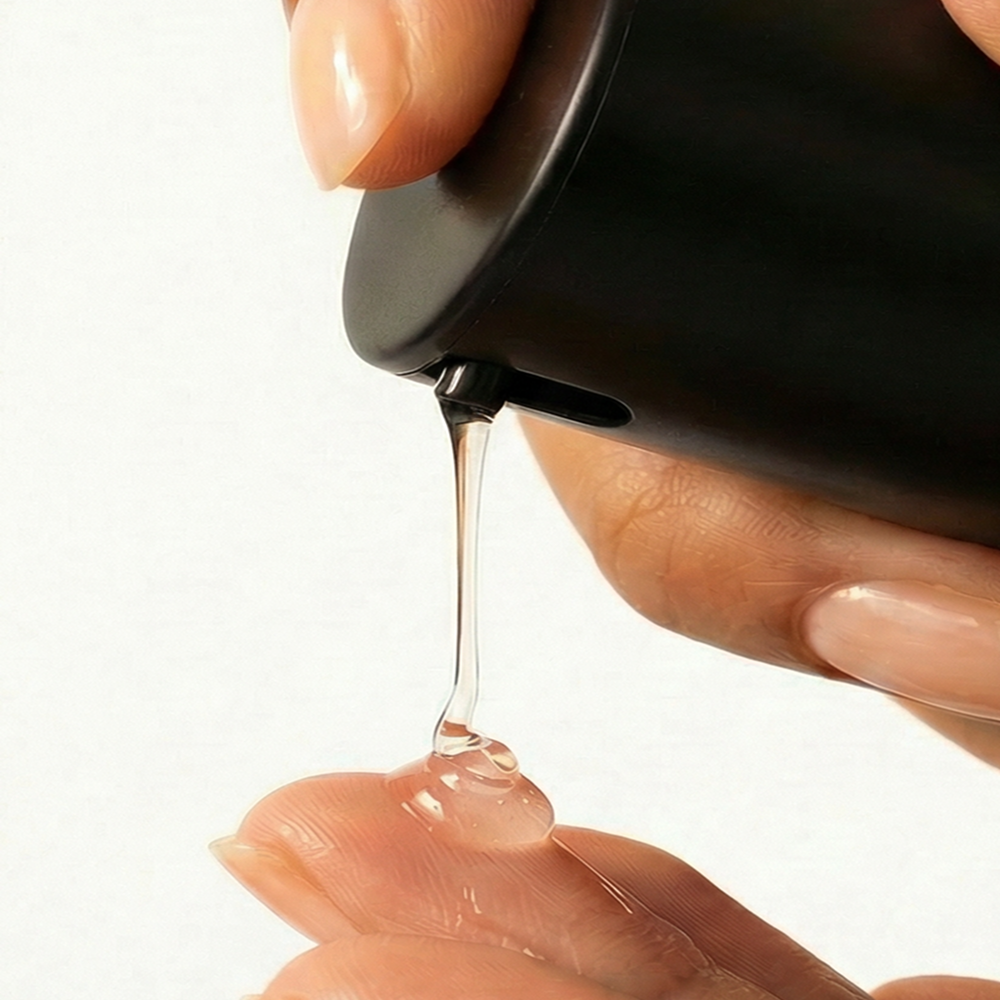
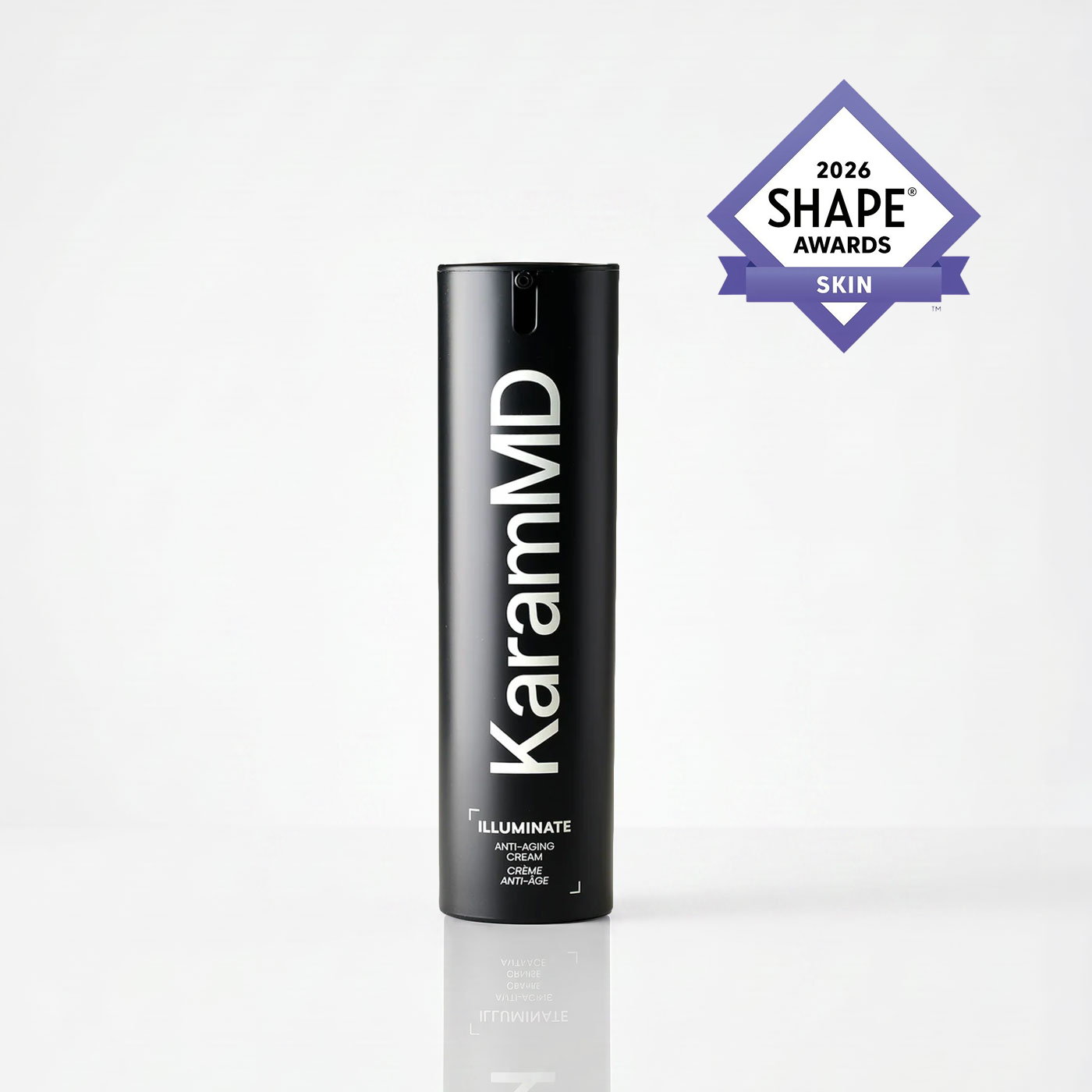
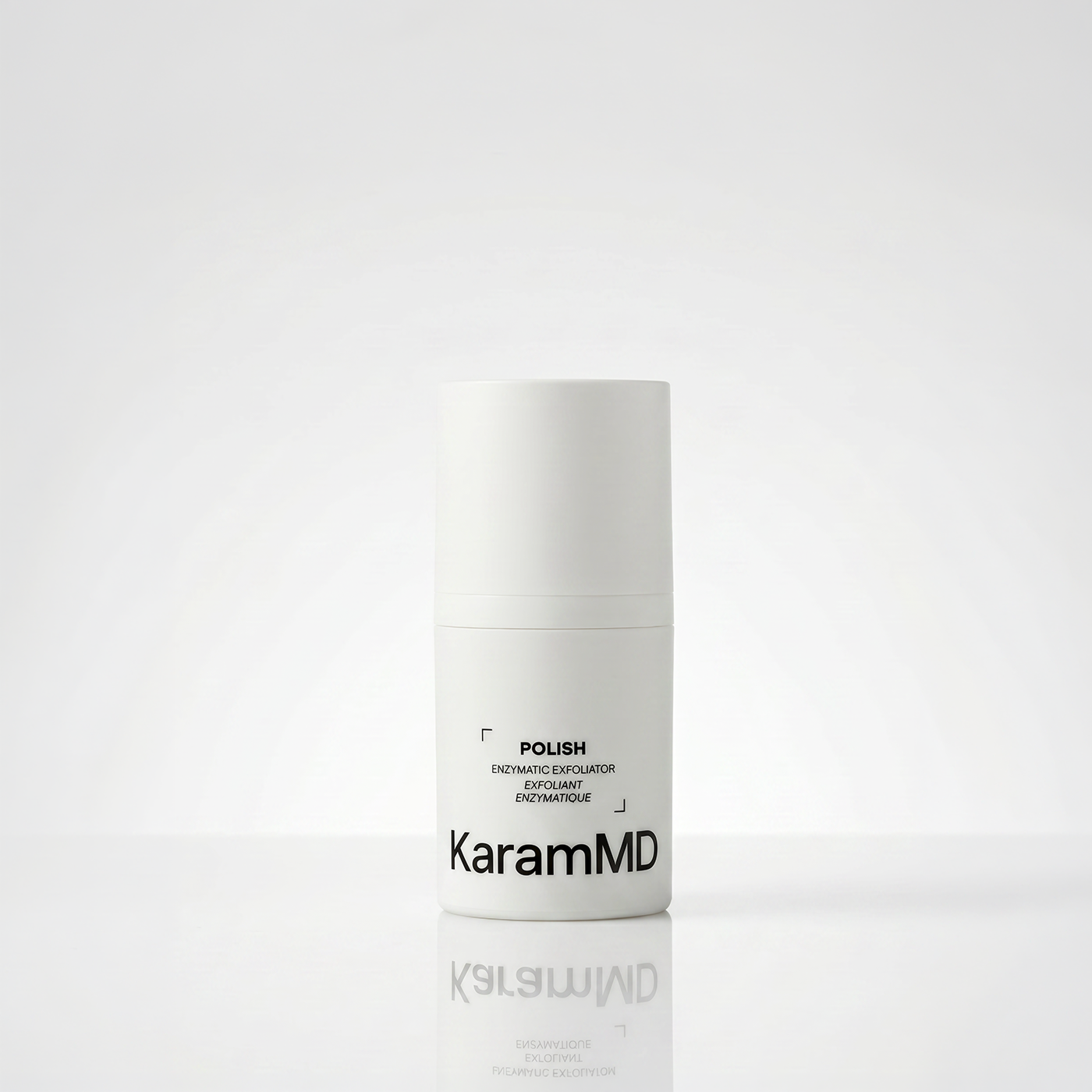
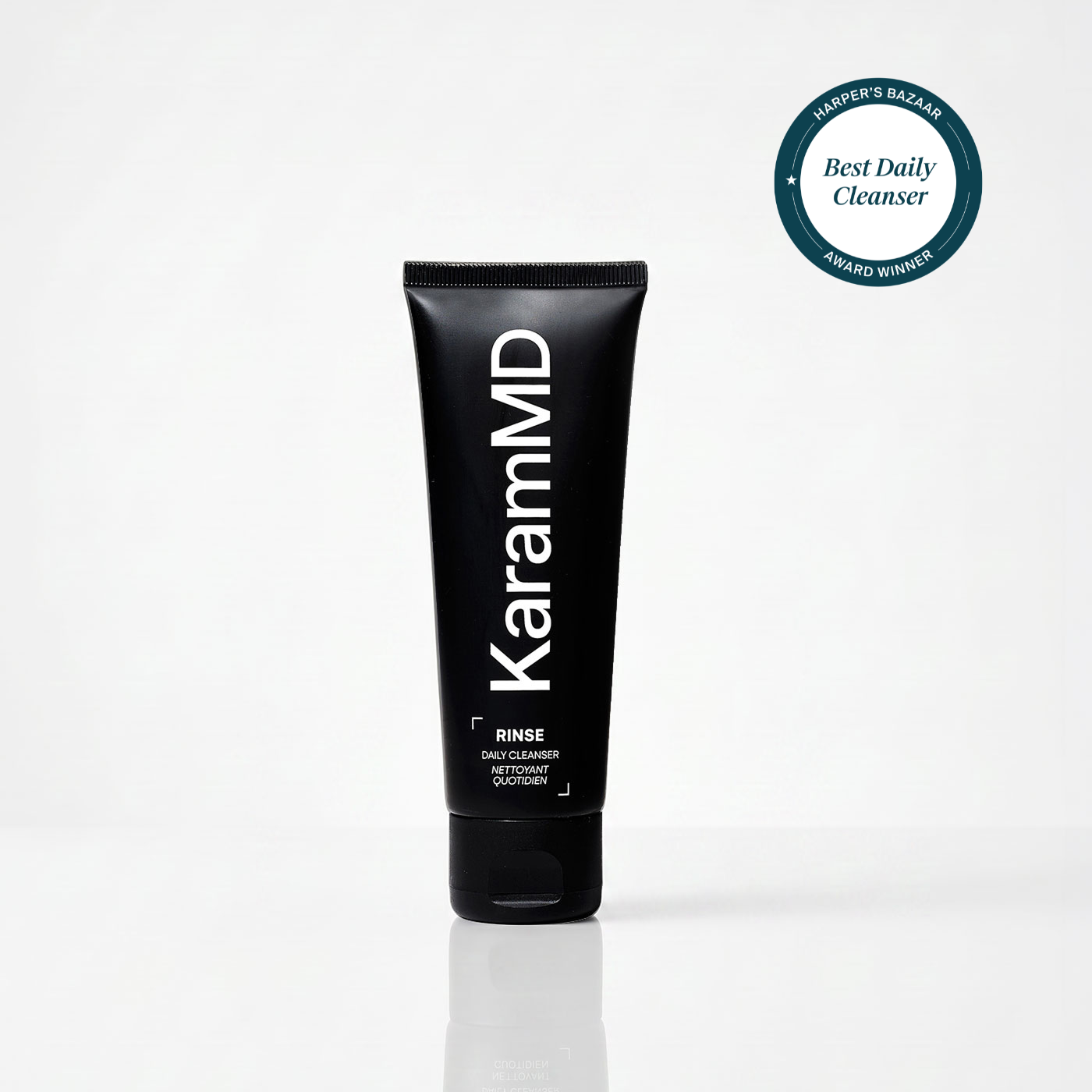
Then I shower, do my morning Trifecta skincare routine and have my morning nutrition. I make a smoothie with greens such as kale, chard and lettuce, along with blueberries, Greek yogurt, raw ginger and banana. I also drink about 16 ounces of water with whey protein, psyllium husk and creatine, and then I head to the office.
Morning: The Same Breakfast, the Same Preparation
When I arrive, I have an almond butter sandwich and coffee. The sandwich is Dave’s Killer Bread with almond butter, a little honey and a sprinkle of flax meal. It gives me a combination of protein, carbohydrates and fat that keeps me full through the first part of the surgical day, but mostly I eat it because I love the taste.
I eat the same sandwich every surgical day. In fact, that’s true of basically everything I eat and drink throughout this routine: I don’t eat or drink anything that I don’t absolutely love. Consistency is a lot easier when you genuinely enjoy what you’re doing.
From there, everything becomes progressively quieter and more focused. I review the cases again, prepare for surgery, see the patient, do my markings and scrub in.
The operating room itself is intentionally calm. There is essentially no unnecessary talking. It’s me, my surgical assistant and our sedation nurse, and everyone understands that when we’re operating, our attention is on the patient. There is music playing quietly in the background. I’ve had a Pandora station for years that evolved from Coldplay and now includes a variety of artists: some Zach Bryan, country music and other softer music that creates the atmosphere I like. It’s familiar, it’s calm, and then I operate.
Over the years, I’ve intentionally made these surgical days very predictable. I start at exactly the same time. I perform the same number of cases. I control the number of patients and conversations I have between surgeries. I eat the same foods and hydrate the same way.
I’m not doing this because I’m obsessed with routine. I’m doing it because there is no room for me to have a bad day in surgery. The patient on the operating table doesn’t care that I slept poorly, that my neck hurts, that I had a stressful conversation that morning or that something unrelated is occupying my mind.
And they shouldn’t.
Midday: Between Surgeries
After the first operation, I make my postoperative calls and take care of whatever needs my attention, but I deliberately don’t overload this period. Then I eat something that has been part of my surgical routine for more than a decade: the protein cookie that Neda makes for me.

I’ve been eating some version of this cookie between surgeries for more than 10 years. It’s my between-surgery fuel.
I also drink about 16 ounces of chia water—approximately one tablespoon of hydrated chia seeds with a splash of grapefruit juice. It gives me hydration, some additional fiber and a little protein, and the grapefruit makes it refreshing. After operating for several hours, I genuinely look forward to it.
Then I prepare for the next patient, do my markings, scrub in and do it again. There’s nothing magical about these particular foods. They simply work for me. I know how I’m going to feel after I eat them, I enjoy them, and I don’t have to think about it.
Around 5 PM: Undoing the Surgical Day

After the second operation, there are more postoperative calls and follow-ups, and I generally leave the office around 5 PM. When I get home, one of the first things I do is hang from a pull-up bar for about a minute.
It sounds almost ridiculously simple, but I love it. After spending hours with my neck, shoulders and spine in surgical positions, hanging feels like I’m reversing some of what I’ve been doing all day. I feel the decompression through my spine and shoulders, and it also works my grip and forearms.
What I do next varies, but after work I almost always want some form of physical activity because it helps me unwind both physically and mentally.
One of my favorite things right now is tennis. I usually play about three times per week, often with a friend or one of my boys, and we’ll play for approximately an hour and a half. I’ve really enjoyed committing to getting better at it. I take a lesson once a week or every other week and play the rest of the time. I absolutely love it.
Other days I might work out, walk or do some other form of movement. Again, I’m not forcing myself to do this because somebody told me it’s healthy. I genuinely feel better when I move.
Evening: Dinner, Recovery and Sleep
Dinner is usually simple. Neda makes her famous salad, which has become a staple in our house, and we’ll usually have it with a lean protein such as chicken or fish.
After dinner and cleaning up, we go for a short 15- or 20-minute walk around the neighborhood. There are metabolic benefits to walking after a meal, including moderating the rise in blood glucose after eating, but honestly, it just feels good. Sometimes it’s Neda and me. Sometimes one of the kids comes. Sometimes friends are around. It’s relaxing and a nice transition into the evening.
I also sauna regularly, usually around 194°F for approximately 20 minutes, and try to fit that in four or five times per week. Then I shower.
Later, Neda and I usually watch about 30 minutes of whatever series we’re into, and while we’re watching I stretch. I foam roll and incorporate movements I’ve picked up through yoga—cat-cow, thoracic-spine mobility work and stretches for my hips, glutes, calves, quadriceps and hamstrings. I also do hot yoga about once a week on the weekend.
A lot of this is simply my way of unwinding what surgery does to my body. If I spend hours putting myself into repetitive, asymmetric positions, I want to spend some time taking my body in the opposite direction.
But one of the most important parts of my routine is something I completely underestimated for years: sleep.
During my surgical training, throughout much of my 20s and 30s, sleep was barely a priority. There were periods when I consistently slept three or four hours a night. I was training to become a surgeon, working enormous hours and eventually raising four kids on top of everything else. At the time, I almost viewed sleeping less as a good thing. Why spend eight hours sleeping if I could get by with four?
I don’t look at it that way anymore.
Maybe part of that is getting older. Maybe part of it is simply knowing better. But I’ve become very aware of what adequate sleep does for my mood, my resistance to stress, my physical recovery from exercise and the general state of my mind and body. So instead of fitting sleep around everything else, I now try to organize everything else around protecting my sleep.
At night I do my evening Trifecta skincare routine and then read for about half an hour. It’s amazing how that small, consistent habit gets me through book after book throughout the year, but more importantly, it’s a relaxing way to end the day. I’m usually reading by around 10 PM and asleep by approximately 10:30.
The Structure Is the Point
None of these individual things is the secret. It’s the structure that matters.
Over more than 20 years, I’ve learned what allows me to walk into the operating room feeling physically prepared, mentally clear and completely focused. The more variables I can eliminate and the more decisions I can make ahead of time, the more of myself I can give to the thing that actually matters.
The patient.
That heightened awareness I feel the night before surgery is still there. I hope it always is.
It means I care.
Because when someone travels across the country—or across the world—and entrusts me with their face, my responsibility is to make sure I’ve done everything within my control to give them my absolute best.
Do you still get nervous before surgery after more than 20 years?


There is still a heightened awareness the night before and morning of surgery. I’ve learned not to view that as something negative. To me, it means I still appreciate the responsibility of what I’m about to do. Once I begin operating, that feeling usually disappears and is replaced by complete focus.
Do you mentally prepare for each operation?
Yes. I meet my surgical patients the day before their procedure and review their faces and surgical plans. Before going to sleep, I often visualize what I will be doing the following day. With more challenging cases, I can essentially perform portions of the operation in my head beforehand.
Why do you exercise before surgery?
It serves both a physical and mental purpose. Surgery can require holding awkward positions for several hours, so I like my body to be warm and moving well before I begin. Exercise also helps put me in the mental state I want before operating.
Why do you cold plunge?
Mostly because I love how I feel afterward. I generally spend about three and a half to four minutes at 49–50°F. I experience a prolonged feeling of energy afterward, and I like starting the day by voluntarily doing something that is difficult and uncomfortable.
What do you eat on a surgical day?
My meals are remarkably consistent: a green smoothie and whey protein drink in the morning, followed by an almond butter sandwich and coffee at the office. Between surgeries, I have Neda’s homemade protein cookie and chia water. Dinner is usually Neda’s salad with a lean protein such as chicken or fish.
These are foods I enjoy, tolerate well and know make me feel good throughout a surgical day.
How much sleep do you get?
I try to be asleep around 10:30 PM and wake around 6:30 AM. This is very different from my surgical training years, when three or four hours of sleep was sometimes normal. I’ve come to appreciate how much sleep affects my mood, stress tolerance and physical recovery, so I now organize much of my evening around protecting it.









2 comments
Shannon Larremore
I absolutely loved reading this. What stood out to me most is your commitment to consistency—doing the same thoughtful preparation and reflection before every surgery, even after more than 20 years. That level of discipline, care, and intentionality is truly inspiring.
It is incredibly reassuring about knowing that you approach every person with the same focus and respect, never becoming complacent about the trust that has been placed in you. I really appreciate that your routine isn’t just about the technical aspects of surgery—it’s about being mentally present, prepared, and completely invested in giving each patient the most natural and beautiful version of themselves.
That consistency says so much about who you are as a surgeon and the care you have for your patients. It’s one of the things that makes your work so special—and I’m so grateful you continue to share the thought and passion behind what you do!
———
KaramMD Skin replied:
Hi Shannon—Thank you so much for taking the time to read and share such a heartfelt comment, it truly means so much! We’re so glad this gave you a deeper look into the intentionality and care that goes into every step of the process, and we couldn’t agree more that consistency and presence are at the heart of it all. We’re so grateful for your support and kind words!
Alyce Verhaeghe
What is a general cost of facelift and lower eyelid surgery
———
KaramMD Skin replied:
Thank you so much for your interest in Dr. Karam! For pricing on procedures like facelift and lower eyelid surgery, the best next step is to request a virtual consultation here: https://www.drkaram.com/getting-started/. You’re also welcome to reach the office directly through https://www.drkaram.com/.
Leave a comment
All comments are moderated before being published.
This site is protected by hCaptcha and the hCaptcha Privacy Policy and Terms of Service apply.