Jowls Explained: What Helps, What Doesn’t, and When to Act

Jowls Explained: What Helps, What Doesn’t, and When to Act

Written by Founder, Amir Karam MD

Quote Icon

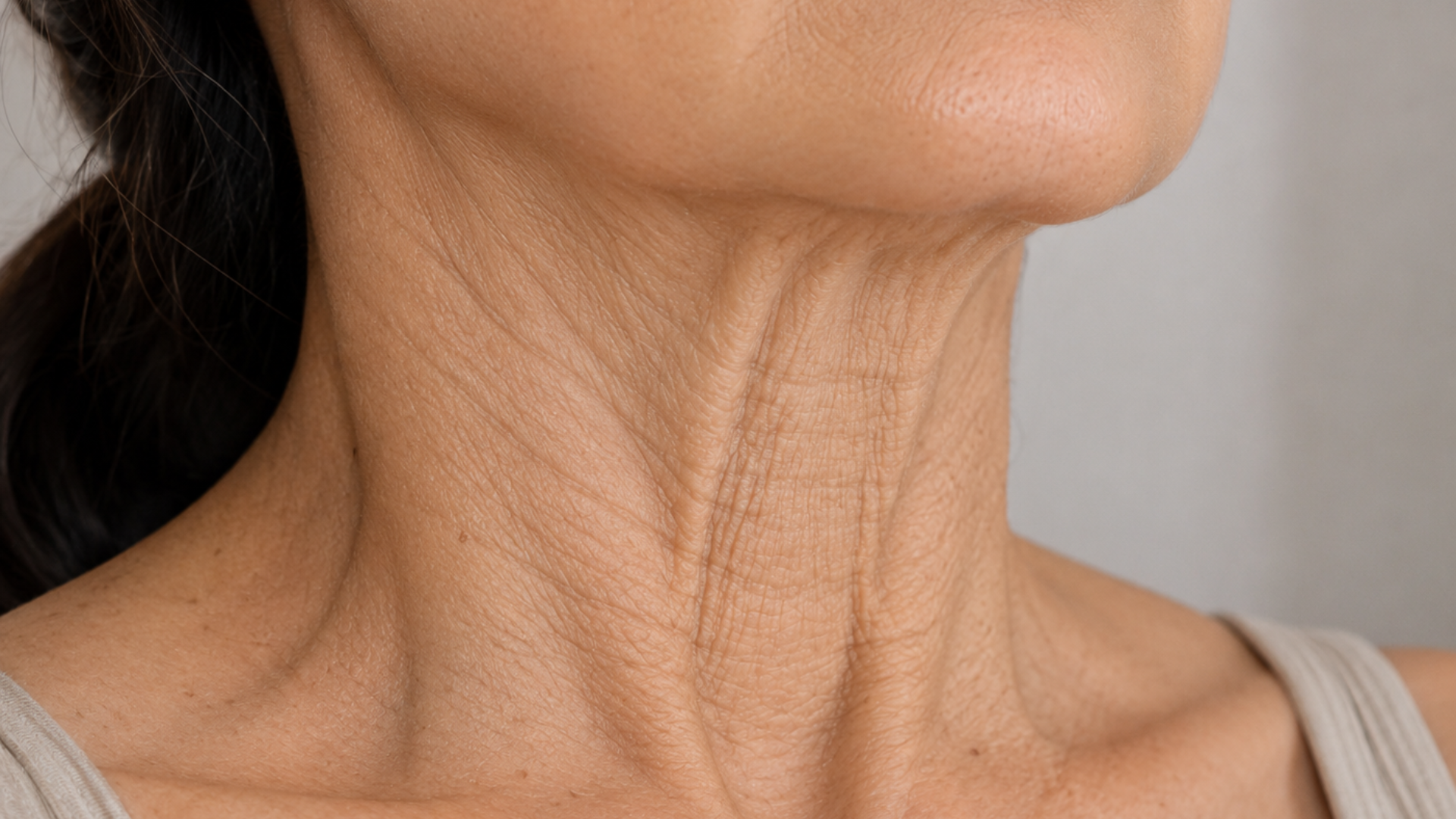
Jowls are the soft tissue that sags below the jawline as the face ages, and they are the number one reason people come to see me. 

Most of my patients have already tried creams, devices, injectables, or all three before they walk into my consultation room. Many feel frustrated, and some feel close to hopeless.

I understand why. The market is full of treatments that promise to lift the jawline, and very few of them can. After decades of watching faces age and seeing what holds up over time, I have a clear view of what does and does not work for jowls. My goal here is to save you time, money, and disappointment by explaining the problem at its source.

Why Jowls Form: It Starts With the Fascia

Jowls form when the facial fascia, the deep connective layer that holds the face in place, loosens and stretches with age. The skin and muscles get most of the blame, but the real change happens beneath them. Once you understand that, it becomes much easier to see why some treatments help and others never will.

Facial fascia is a continuous sheet of connective tissue that supports the face from the temple all the way down to the collarbone. 

I often compare it to a girdle. In youth, it holds the cheeks high and the jawline firm, which gives the face its inverted triangle, or heart shape.

The muscles and fat pads of the face are attached to this layer. When the fascia shifts, everything attached to it shifts too.

Why the Face Starts to Sag in Your 40s and 50s

The fascia gradually loses its elasticity and lengthens, and this tends to accelerate for women during perimenopause and menopause. The exact mechanism is not fully understood, but it appears closely tied to the decline in estrogen. Many people describe the result as gravity taking over.

As the fascia lengthens, the face itself becomes longer. The heart shape of youth gives way to a squarer, more rectangular outline. This is a large part of why people look in the mirror and no longer recognize themselves.

Because the fascia is one connected sheet, the descent shows up in several places at once:

  • The outer brow starts to feel heavy
  • The eyelids appear longer
  • The midface and cheeks drift downward
  • Soft tissue hangs over the jawbone, which is what we call a jowl

Are jowls caused by weak muscles or loose skin?

Jowls are a matter of tissue descent, not muscle weakness, and the skin is not simply stretching on its own. The skin lengthens because the fascia beneath it has lengthened.

Does midface volume loss cause jowls?

Losing volume under the eyes and in the upper cheeks does not cause jowls at any age. 

A hollow midface can make the face look like it is sagging, but the two processes are unrelated. Jowls come from the fascia lengthening, and in my experience, faces that have been filled with volume still go on to sag.

Midface volume loss is worth treating on its own terms. A small amount of filler can go a long way, and fat transfer is an excellent long-lasting option. However, neither one will prevent jowls.

Protecting Your Jawline in Your 30s and 40s

You cannot stop the fascia from changing, but you can protect the skin so it holds up better when that change arrives. I call this the preservation phase. 

If you are in your 30s or 40s and notice the jawline losing a little of its crispness, you are most likely at the very beginning of the process, not in a progressive stage.

When someone at this stage of life notices jowling, it usually falls into one of two groups:

  • A naturally heavier lower face. For some people, a little fullness along the jaw is simply how they are built. It is not premature aging, and it is not progressing. For them, I recommend waiting.
  • True early aging. A small number of people in their 30s are aging the way most people do at 50. Their laxity worsens each year, and the neck is often already involved. For these patients, we offer Vertical Prevent, a version of Vertical Restore designed for younger faces.

The second group is rare. I want to see real progression before recommending surgery, and we turn away patients who have a little heaviness at 30 and want a facelift.

That first hint of softening can make people want to act right away. I would ask you to hold off on any drastic treatment. 

At this stage, the priority is skin quality.

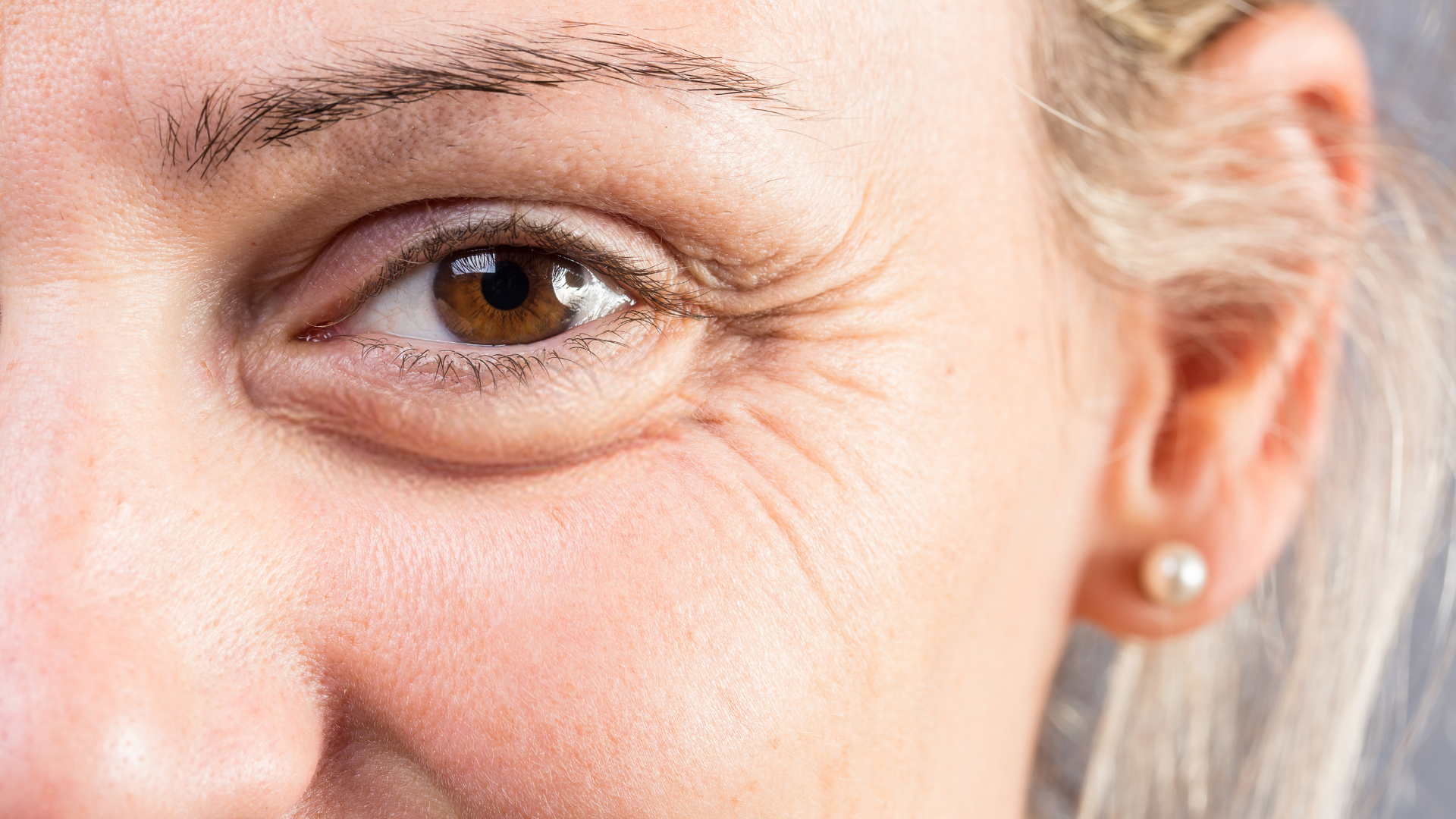
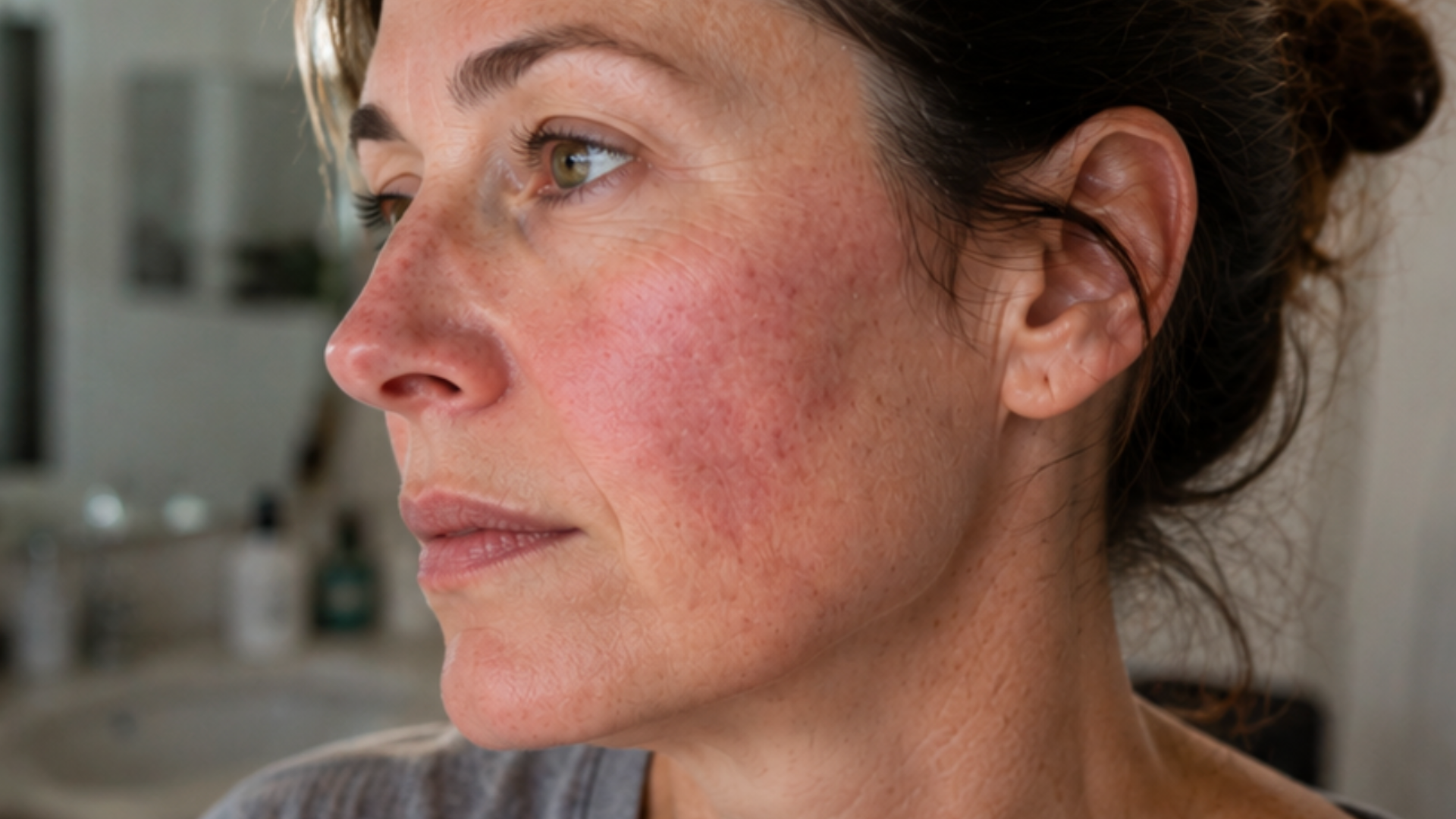
Firm, collagen-rich skin is more resilient to the fascial changes that come later. When the skin loses collagen and elasticity early, it tends to unravel faster once the fascia begins to loosen. Over many years of following patients through the aging process, my observation is simple: people who take care of their skin age better.

The habits that matter most from your 20s through your 40s include:

  • Daily sun protection to limit collagen breakdown
  • Proven active ingredients such as retinoids, peptides, and vitamin C
  • Collagen building treatments like microneedling, red light therapy, or chemical peels

Can a good skincare routine fix jowls that have already formed?

No. Nothing you do to improve skin quality will reposition tissue that has already descended. 

These steps keep the skin healthy, firm, and youthful, which makes everything look better and sturdier over time. They are an investment in how well you age, not a correction for sagging.

Jowl Treatments That Don't Work

Once jowls are visible, most non-surgical treatments cannot lift them, because none of them move the fascia back into place. This is the stage when people tend to panic. 

I don't want you to feel desperate. I want you to be informed. What follows is my consensus after years of seeing what patients have tried and how it turned out.

Skincare and Lifting Creams

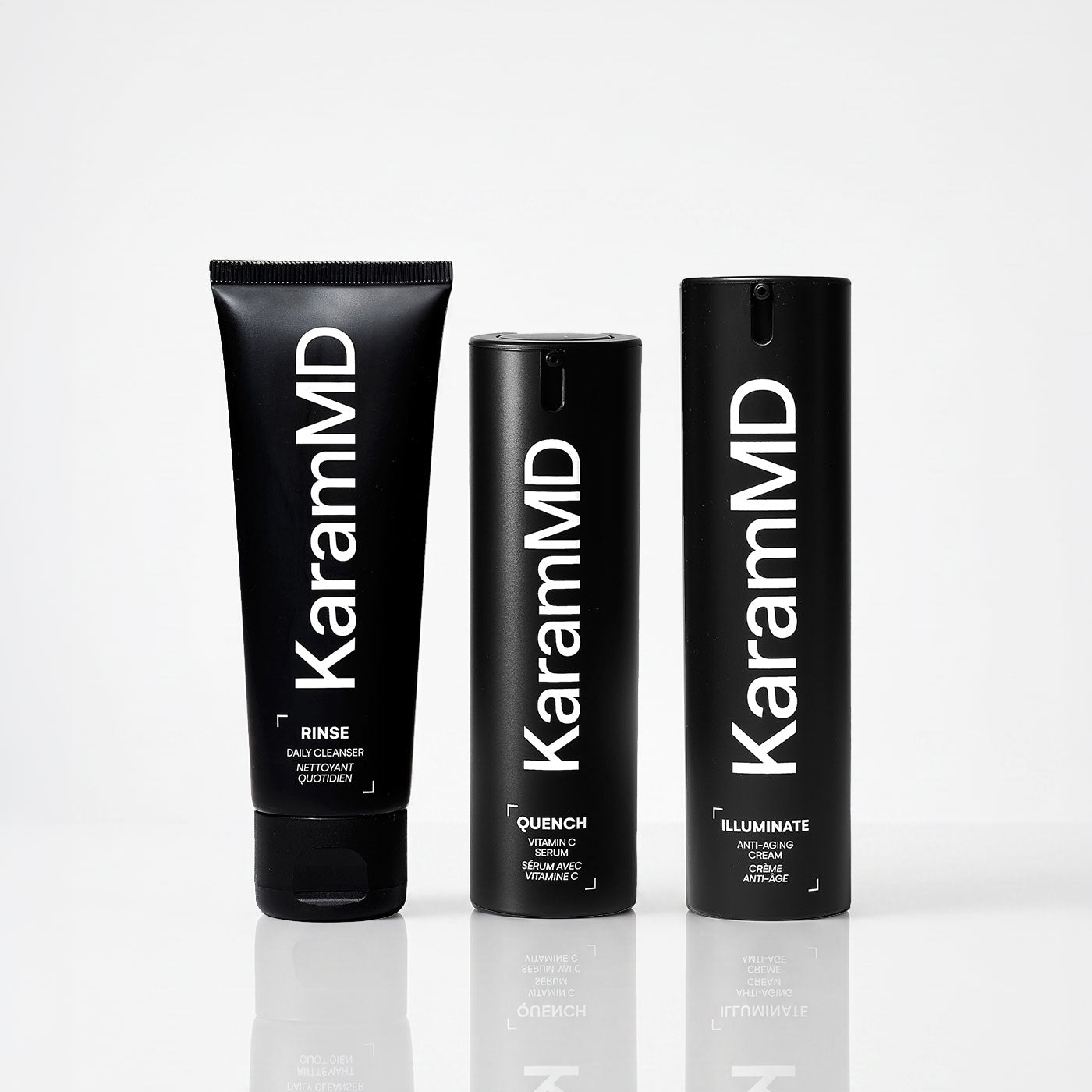
No skincare product can lift sagging skin or change the shape of your face. Be skeptical of any cream or serum that claims otherwise. Skincare is for skin quality. That includes the Trifecta I developed for Karam MD Skin. It was designed to rejuvenate the skin, not to lift the face.

Face Yoga or Facial Exercises

Facial exercises cannot reverse jowls, because no exercise can shorten fascia that has already stretched. Jowls are not a muscle problem, so strengthening the muscles does not address the cause.

That said, I have no objection to face yoga. It is free, it will not hurt you, and it will not complicate a future facelift the way repeated filler or aggressive devices can.

At Home Treatments & Tools

At-home tools can help the face look and feel better, but none of them shortens stretched fascia. Here is how I think about the most popular ones:

  • Microcurrent gives a real but temporary lift. For mild laxity, or before an event, it is perfectly fine to use. Once laxity becomes significant, the effect is much less noticeable.
  • Gua sha improves circulation and lymphatic drainage, and there is no harm in it. I just do not see an anatomical link between gua sha and the fascia.
  • Microneedling, at home or in the office, improves skin quality, not laxity. It stimulates collagen and improves the thickness and suppleness of the skin, which is valuable, but it will not lift the face.

RF Microneedling & Skin Tightening Devices

In my experience, energy-based devices do not meaningfully reposition sagging tissue. This category includes radiofrequency microneedling, Thermage, and many similar brand-name treatments. They can stimulate collagen and improve skin quality, but they do not move the fascia.

They also carry risk when used aggressively. The FDA has issued warnings about aggressive radiofrequency microneedling, including burns and unintended fat loss. The before-and-after results I have seen for jowls are mild at best.

Some people are satisfied with a subtle change, and that is a personal decision. Before you commit, ask yourself how much correction you expect. If the goal is to no longer have jowls, a device will not get you there.

Thread Lifts

Thread lifts pull directly on lax tissue, but the results are too temporary to justify the risks. The barbed sutures used in earlier versions had the most direct traction. The dissolving threads that are more common today offer even less durability.

The potential complications include pain, puckering and irregular skin texture, or even threads becoming visible or eroding through the skin. For these reasons, I do not consider thread lifts a worthwhile long-term option.

Fillers and the "Liquid Facelift"

Fillers do not lift the face, and repeated use to try to lift it can distort your features. I came into practice around the time fillers did, more than 20 years ago, and I have watched the full evolution. They began as a treatment for lips and fine lines, then grew into the idea of the "liquid facelift."

We have learned the hard way that layering filler into the outer cheeks, jawline, and pre-jowl area year after year warps the face. It creates a look the person never had, even in youth, and it never lifts anything. Some of that volume may never fully go away, and scar tissue from repeated filler can complicate a future facelift. Fillers are best used for discreet volume replacement, not for jowls.

Why Kybella Is the Wrong Tool for Jowls

Kybella does not treat jowls, and using it there can make things worse. It is an injectable that dissolves fat, and it is typically used under the chin. It does not lift anything.

I have seen people inject it directly into the jowl, just above the jawline. This often leaves the area lumpy, uneven, and irregular. A jowl is tissue that needs to be lifted, not melted away. Deflating it changes the contour in ways that look unusual and are much harder to correct later. 

Does Botox help with jowls?

Botox cannot lift a jowl or reverse tissue elongation. I use it often and value it for fine lines and wrinkles caused by muscle movement, especially in the upper third of the face. It simply does nothing for the structural descent behind jowls.

What Actually Fixes Jowls: Repositioning the Tissue

For moderate to severe jowls, typically in your 50s, 60s, and beyond, the answer is repositioning: physically moving the descended tissue back to where it belongs. 

The concept is simple and tried and true. In my experience, the only way to do it is with surgery, specifically a facelift.

Skin-only lifts, mini lifts, and laser resurfacing all aim to tighten the surface. But none of them address the layer that actually moved. If the fascia has descended, the fascia is what needs to be repositioned. When it is, the result is a rejuvenated face without jowls.

How a Deep Plane Facelift Helps with Jowls

A deep plane facelift works beneath the skin, at the level of the fascia and the ligaments that anchor it. A surgeon releases these structures and lifts them back to their earlier position, rather than pulling on the skin alone. Because it treats the cause of jowling directly, it is the approach I recommend for restoring a smooth, defined jawline.

The Vertical Restore facelift I perform is a version of the deep plane technique. It follows a more vertical direction of lift, returning the tissues to a position that looks familiar to you. In my experience, this is the most reliable way to bring back the V-shaped contour of a youthful face.

I don't share this to discourage anyone. I share it to protect you from spending money on treatments that cannot meet your goal. Be patient, plan for the right procedure at the right time, and when you are ready, do it properly.

My Advice for Every Stage

Taking on risk when very little is going on with your face is a poor trade. A pattern I see often in the earlier age groups is this cycle of fillers, energy devices, and threads. These can create new problems, and the costs add up quickly. 

Saving that money for five or ten years and putting it toward one procedure that lasts usually leaves people in a better position.

Protect your skin for life, stay patient through the early changes, and choose surgery when the tissue has truly descended. 

If we were sitting together in my consultation room, this is how I would frame it for you:

  • At any age: Wear sun protection every day and use high-quality skincare that supports collagen.
  • In your 30s and 40s: If you notice early softening, don't rush into treatments. Focus on skin quality.
  • Once jowls are established: Research the right procedure and the right surgeon, and address the fascia directly.

It helps to think of facial aging as two separate problems. 

  1. Skin Quality which depends on sun protection and daily active ingredients such as retinoids, vitamin C, niacinamide, peptides, and barrier support. 
  2. Laxity which is a structural problem that I treat with Vertical Restore. 

The two work together: healthy skin matters whether or not you ever have surgery, and if you do, better skin improves the quality of the result. Above all, don't settle for a middle ground. Treatments that cannot reposition tissue will cost you time, money, and energy without giving you the jawline you want.

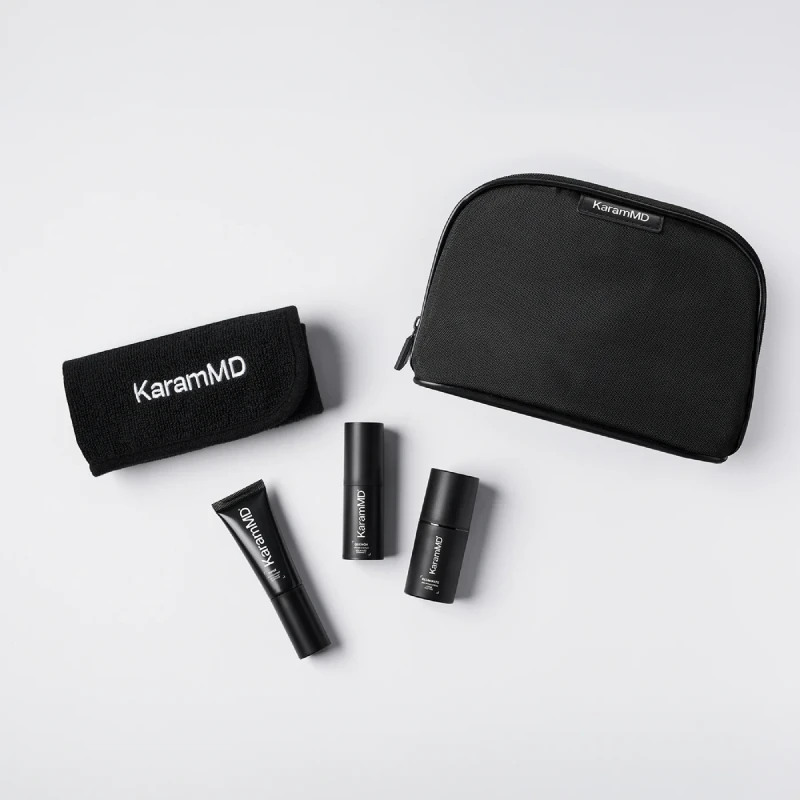
KaramMD Trifecta

$530.00

20% off with subscription

The Foundation: KaramMD Trifecta

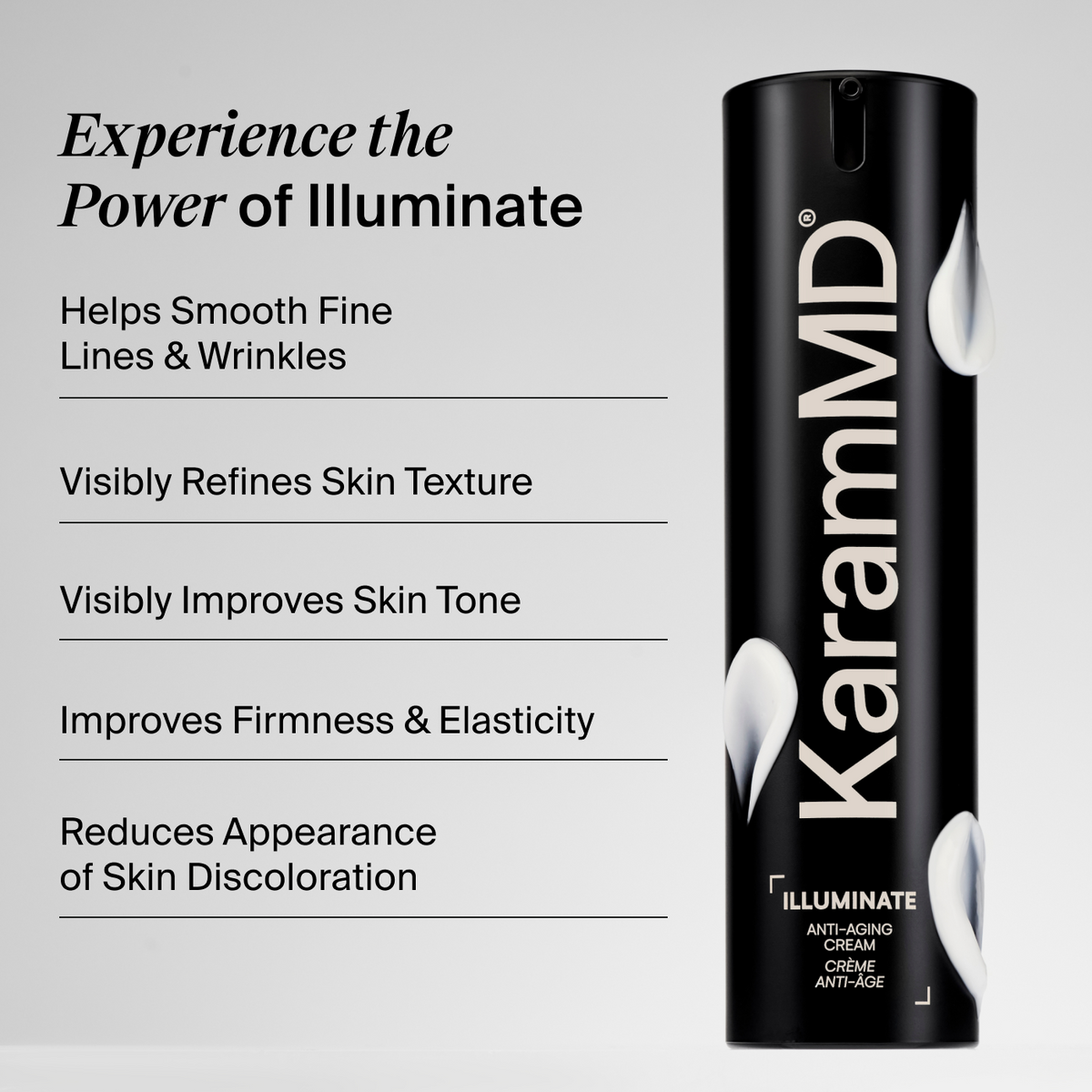
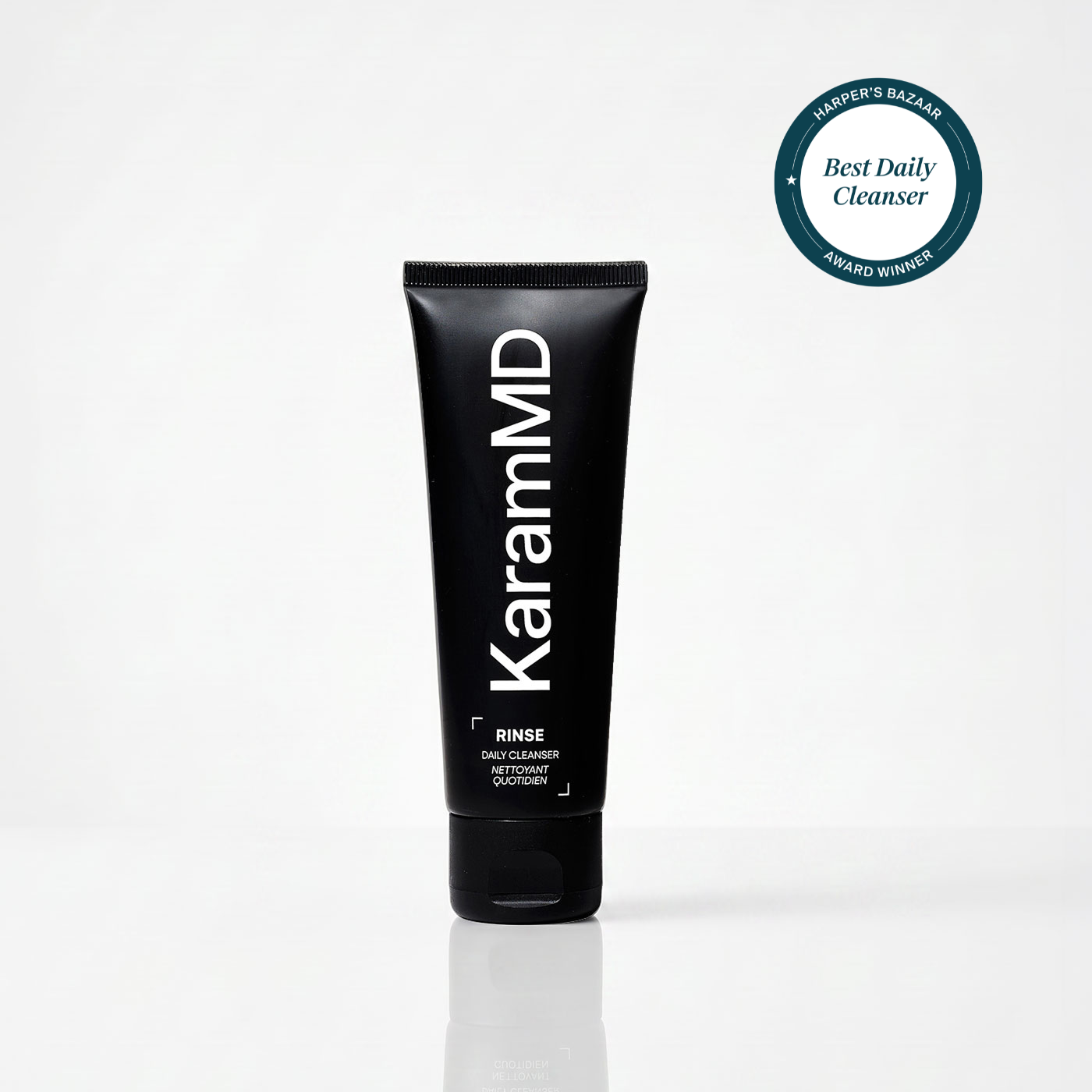
Trifecta is the skin rejuvenation routine I developed for my patients to protect and improve skin quality at every age. It is the skin side of the equation, and Vertical Restore is the shape side. Together, they rejuvenate the face as a whole.

The routine has three steps:

The Trifecta is not designed to lift the face or treat jowls. It is designed to keep your skin firm, healthy, and resilient, so it ages well and supports a better result if you choose a facelift later. 

Leave a comment

All comments are moderated before being published.

This site is protected by hCaptcha and the hCaptcha Privacy Policy and Terms of Service apply.

Amir Karam MD

Board Certified Facial Plastic Surgeon
Founder / Creator of KaramMD Skin

Dr. Amir Karam is a world-renowned facial plastic surgeon specializing in facial and skin rejuvenation. With over two decades of experience, he has helped countless patients achieve a naturally youthful, refreshed appearance. As an innovative surgeon, researcher, textbook author, and speaker, he is a leading authority in his field. Beyond performing surgical procedures that restore a youthful facial shape, he emphasizes the importance of skin quality, ensuring a comprehensive approach to facial rejuvenation. As the founder of KaramMD Skin, he is dedicated to making advanced skincare simple, effective, and accessible—helping you look as young as you feel.