Skin Barrier Health: Why Aging Skin Becomes Sensitive & How to Repair It

Skin Barrier Health: Why Aging Skin Becomes Sensitive & How to Repair It

Written by Founder, Amir Karam MD

Quote Icon

For years, I thought redness meant progress.

Not obvious irritation. Not peeling or burning. Just that subtle pinkness so many people develop when they start using strong skincare products.

As a facial plastic surgeon, I prescribed a lot of active skincare over the years. Retinoids. Acids. Brightening agents. Combination routines designed to attack aging from every angle.

And the intention was always good.

Be comprehensive. Be aggressive enough to get results.

But over time, I started noticing something.

Even when patients were improving, their skin often never looked fully calm.

I saw it in my patients. I saw it in my wife. And honestly, I started seeing it everywhere.

A kind of chronic low-grade inflammation that we had normalized in skincare.

At the same time, I kept hearing another pattern from patients as they got older:

“My skin suddenly reacts to everything.”

That observation changed the way I think about skincare.

Because what I eventually realized was this:

In many cases, the problem wasn’t the active ingredient itself.

It was the skin barrier.


What Is the Skin Barrier?

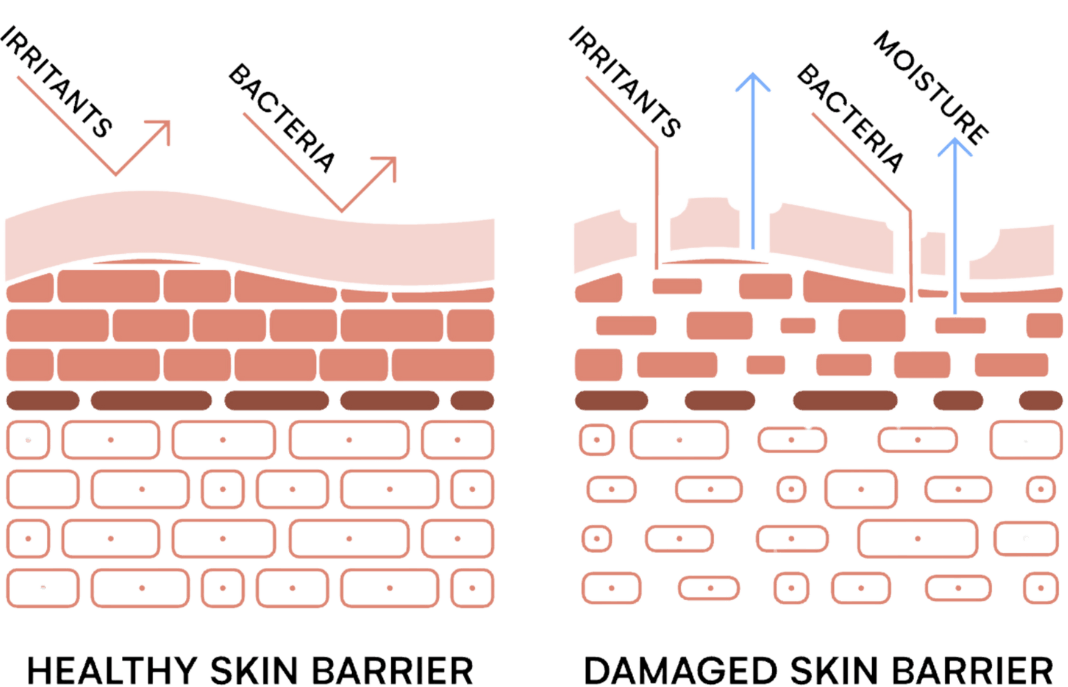
The skin barrier is the outermost layer of the skin, primarily the stratum corneum.

Think of it as a protective seal made up of skin cells and lipids—things like ceramides, cholesterol, and fatty acids.

Its job is remarkably important:

  • Keep hydration in
  • Keep irritants out
  • Regulate inflammation
  • Protect against environmental stress
  • Maintain smooth, resilient skin

When the barrier is healthy, skin tends to look hydrated, even, calm, and vibrant.

When it’s compromised, the skin becomes reactive.

Why Aging Skin Becomes More Sensitive

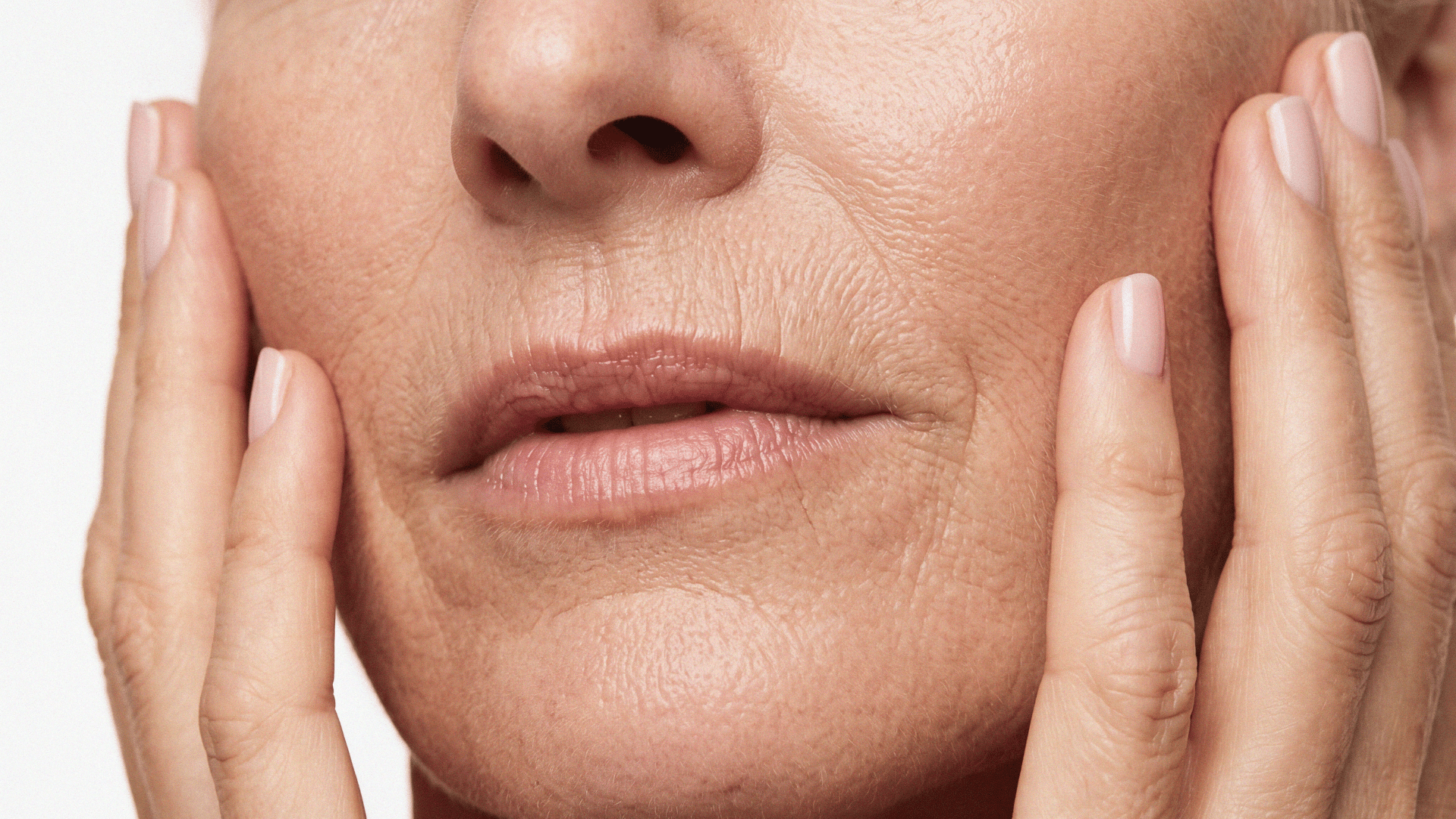
As we age, the skin barrier naturally weakens.

We produce fewer ceramides and lipids. The skin loses water more easily. Cell turnover slows down. Recovery becomes less efficient.

The result is thinner, drier, more reactive skin.

That’s why people often tell me:

“I used to be able to use anything. Now everything irritates me.”

That’s not random. It’s physiology.

And ironically, this often happens at the exact stage of life when people start becoming more aggressive with skincare. More lasers. More peels. Stronger retinoids. More exfoliation.

But aging skin simply doesn’t tolerate over-treatment the way younger skin can.

How Over-Treating the Skin Damages the Barrier

One of the biggest shifts in my thinking over the years has been understanding that more is not always better.

Modern skincare often rewards intensity. But biologically, skin usually responds better to stability.

Sometimes we push the skin too hard. And the signs are often subtle:

  • Persistent redness
  • Tightness
  • Stinging
  • Burning
  • Flaking
  • Increased sensitivity

This is something I saw frequently with stronger prescription retinoids like tretinoin.

Patients would start with good intentions, but over time their skin simply couldn’t sustain the routine consistently.

That consistency piece matters.

Because skincare only works when people can actually stay on it long term. And if the barrier is constantly inflamed or impaired, the entire system eventually breaks down.

How the Skin Barrier Affects Appearance

A compromised barrier doesn’t just feel uncomfortable.

It changes how the skin looks.

Skin often becomes:

  • Dull
  • Uneven
  • Rough
  • Dehydrated
  • More lined
  • More reactive and blotchy

Healthy barrier function, on the other hand, gives skin that look people often describe as “glowy” or “healthy.” Not because of shine. Because hydrated, balanced skin reflects light more evenly and functions better biologically.

The Most Important Ingredients for Barrier Support

Supporting the skin barrier is not about avoiding active ingredients.

It’s about creating balance.

Some of the most important categories include:

  • Ceramides, cholesterol, fatty acids to rebuild structure
  • Hyaluronic acid and glycerin to improve hydration
  • Niacinamide and calming agents to reduce inflammation
  • Occlusives to reduce water loss and protect the surface

This is also why I started thinking differently about formulation over time. I realized barrier support couldn’t be an afterthought.

It had to be built directly into the routine itself.

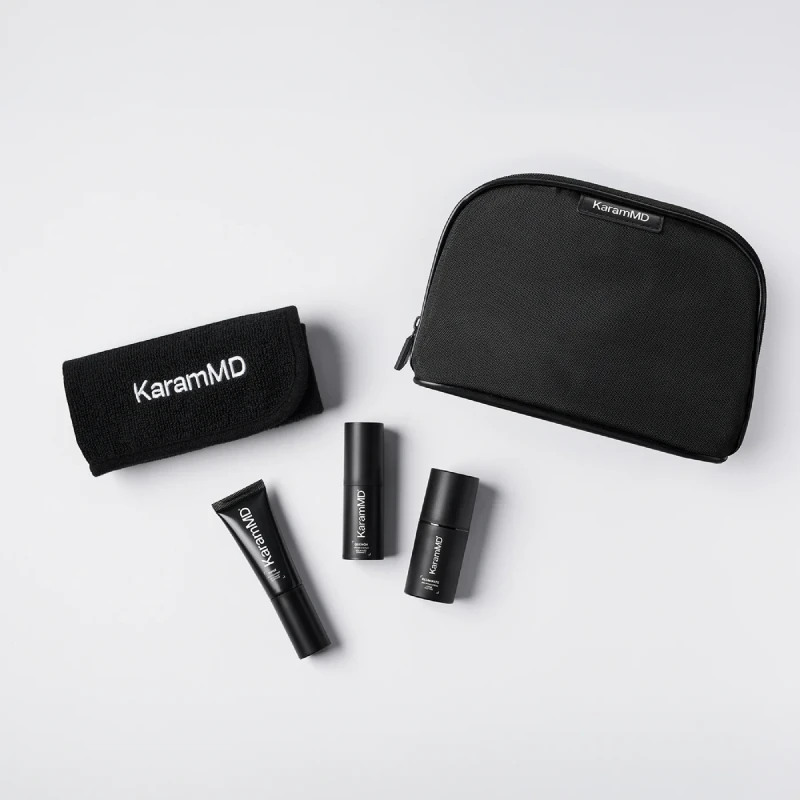
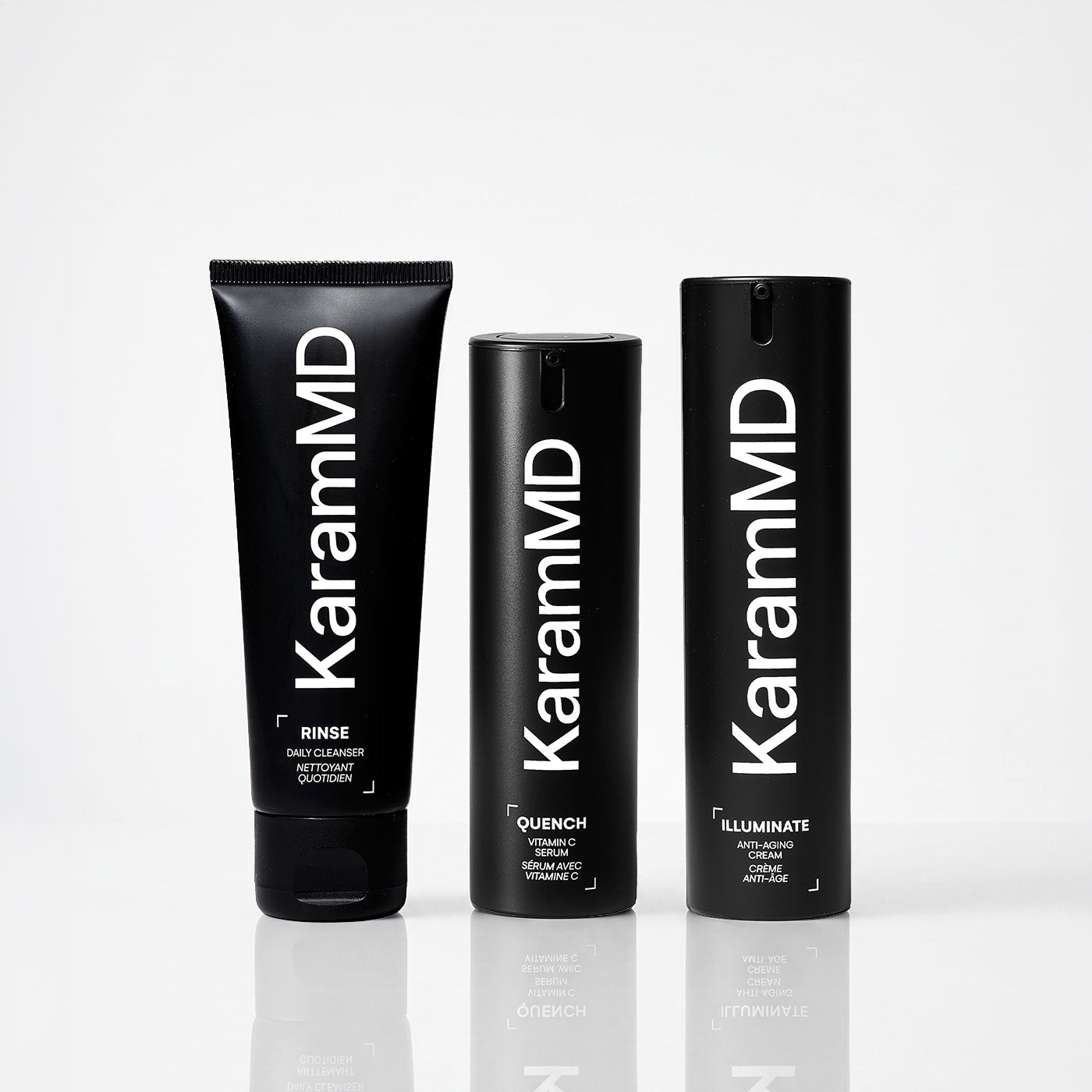
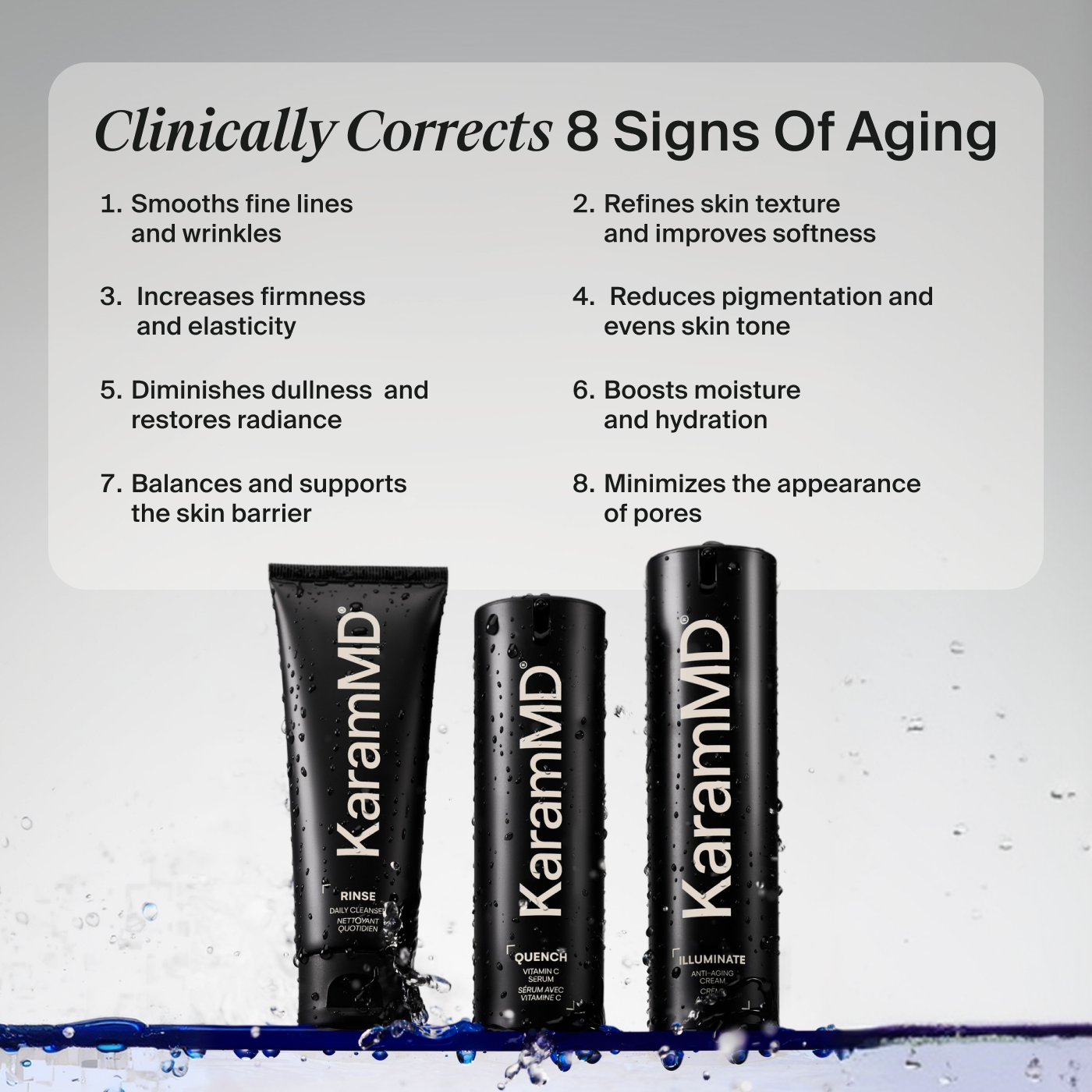
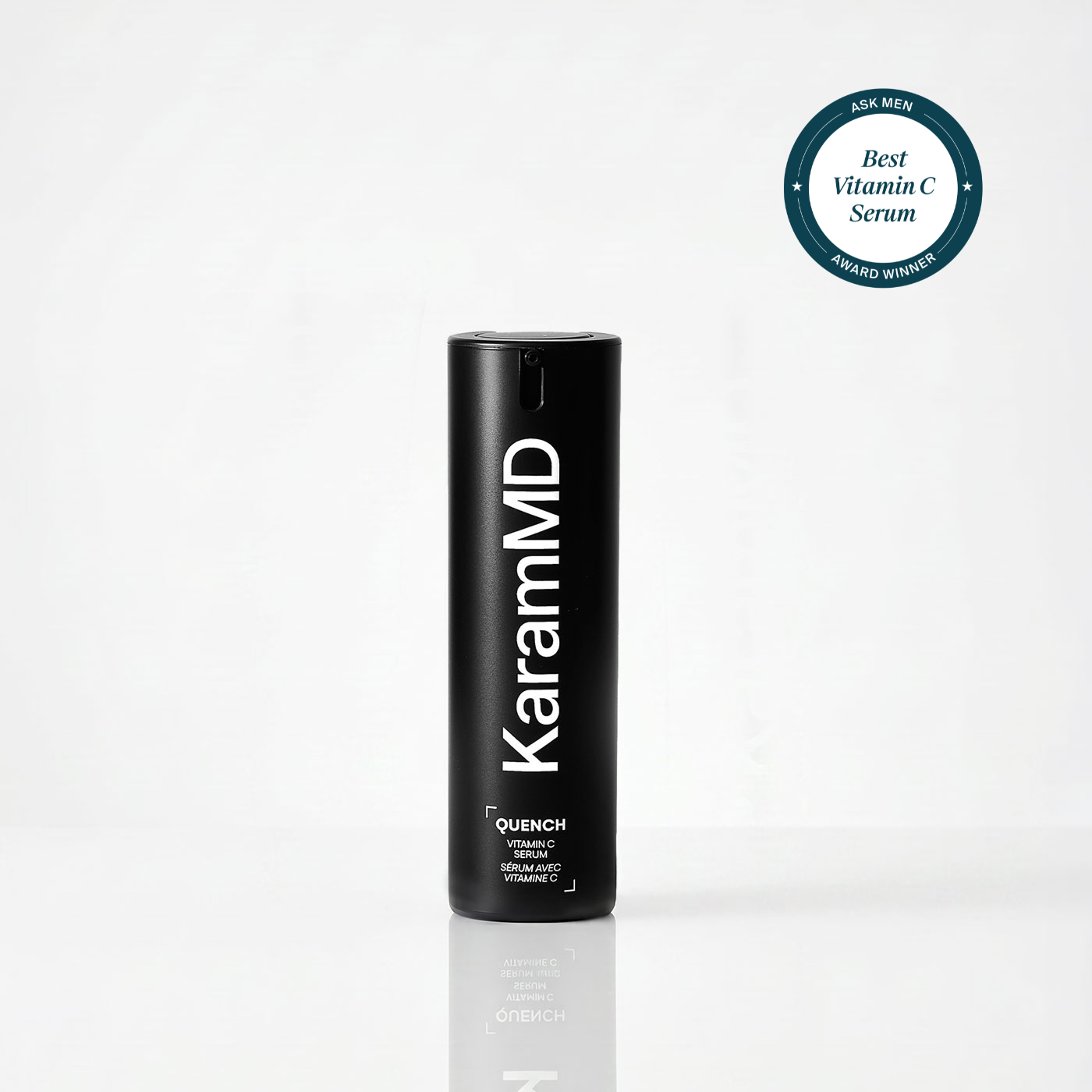
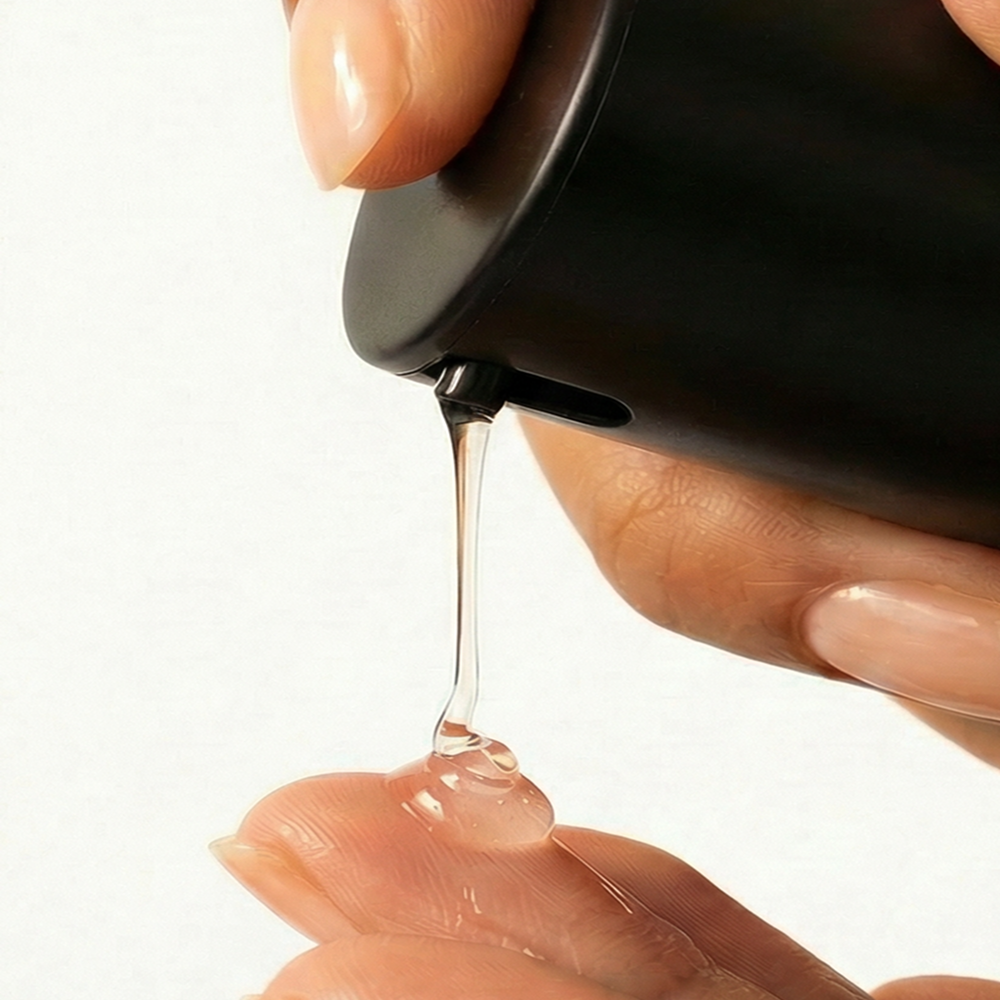
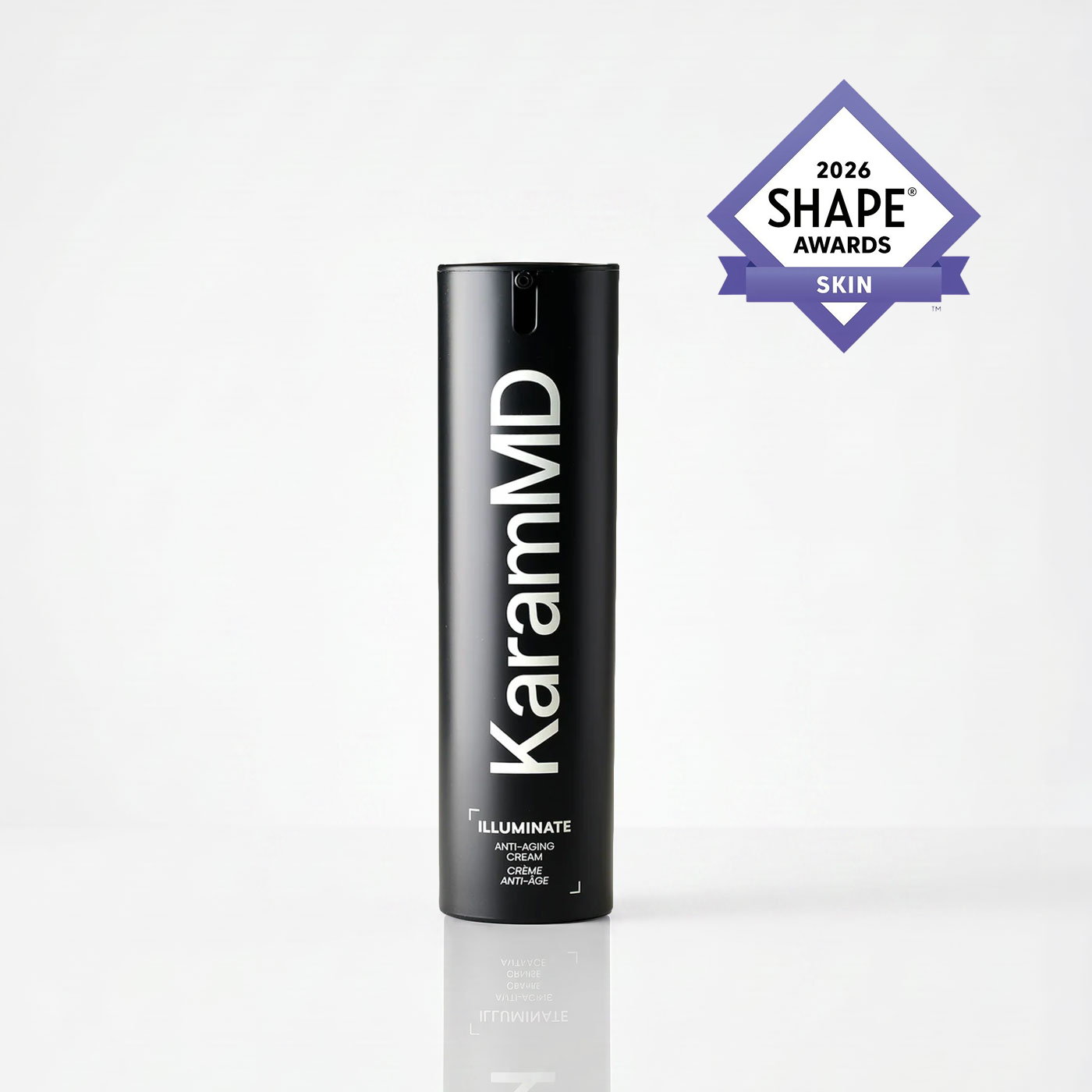
That philosophy influenced many of the decisions we made with the KaramMD products. Ingredients like niacinamide, sodium hyaluronate, lipid-supportive ingredients, calming botanicals, antioxidants, and barrier-conscious actives were included intentionally—not just to improve results, but to improve tolerability and long-term consistency.

Because even the best skincare routine fails if the skin can’t comfortably sustain it.

Where Slugging Comes In

Slugging has become popular recently, but the concept itself is simple.

You apply an occlusive layer over the skin to reduce transepidermal water loss and support overnight recovery.

When used appropriately, it can help calm irritated or overly dry skin and improve barrier function.

I don’t think everyone needs to slug all the time.

But I do think there are moments when the skin benefits from additional barrier support:

  • Dry climates
  • Travel
  • Winter weather
  • Recovery after overuse of actives
  • Periods of irritation or sensitivity

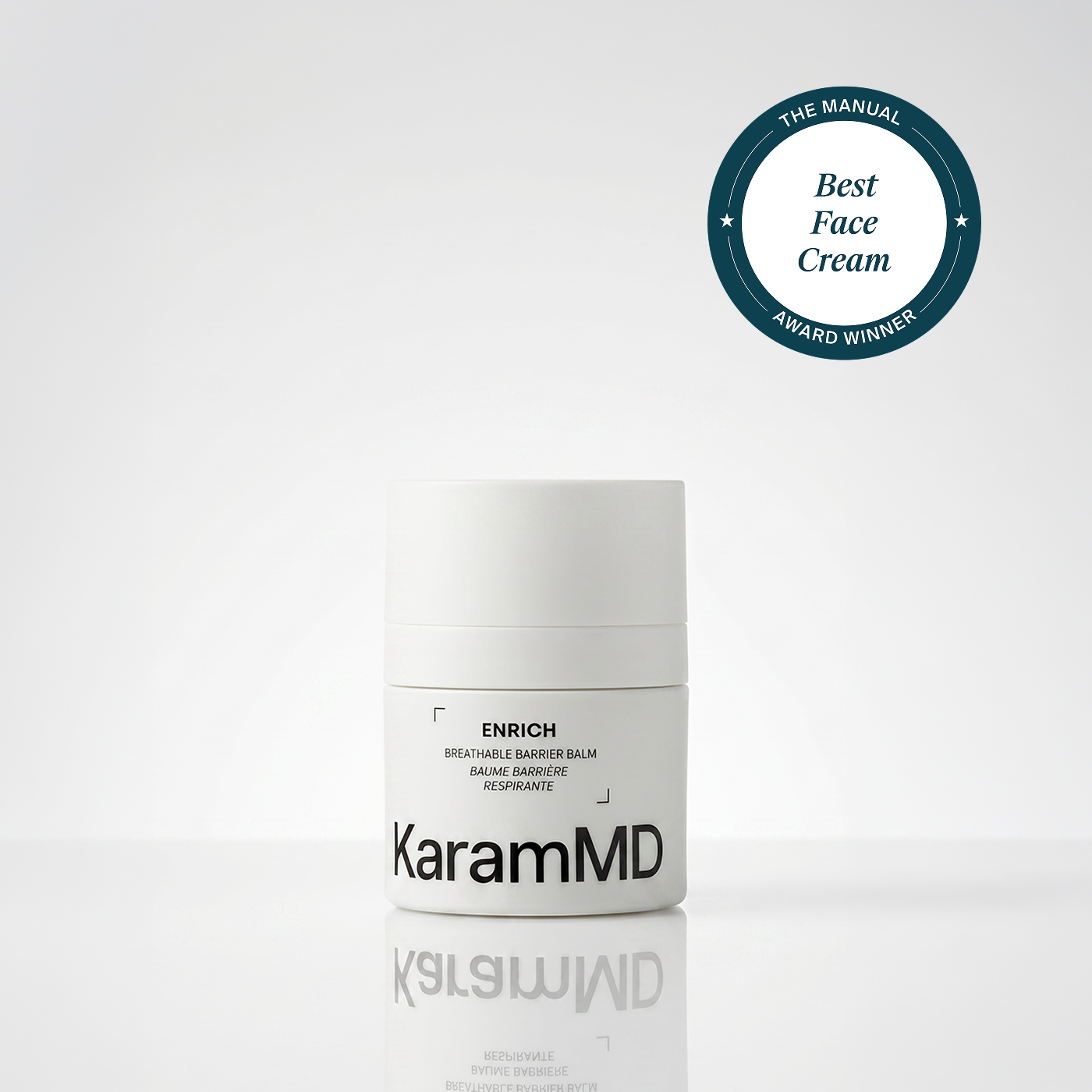
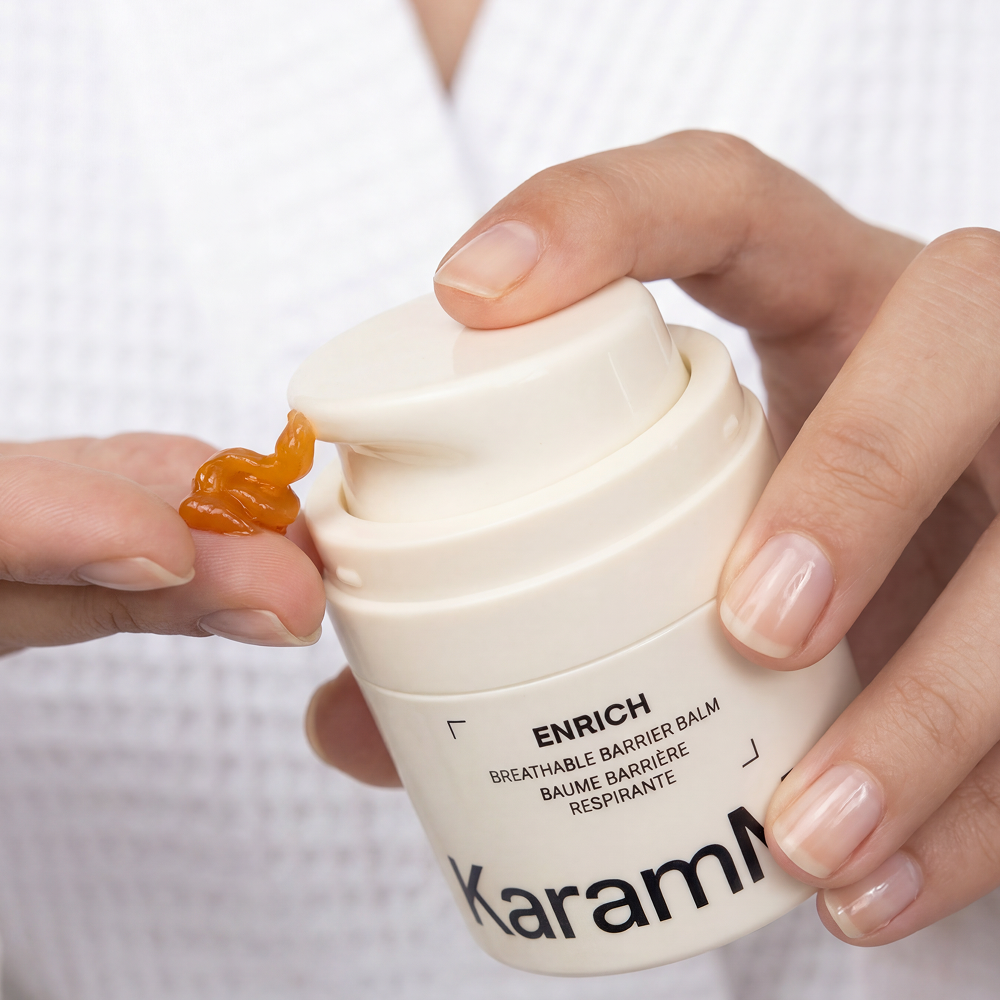
That’s also the role I see for products like KaramMD Skin Enrich Breathable Barrier Balm.

Not as a replacement for a good skincare routine, but as an additional support layer when the skin needs help recovering, holding hydration, and restoring comfort.

In many ways, it’s a more elegant and breathable approach to what slugging is trying to accomplish.

Over the years, we've heard countless stories about how Enrich has become a must-have in so many Trifecta routines—and it's easy to understand why.

As the skin barrier naturally weakens, making skin more reactive and harder to keep hydrated and calm, Enrich was designed specifically to address that.

This ultra-hydrating, breathable barrier balm replenishes what aging skin loses—locking in moisture, supporting barrier recovery, and creating the stable foundation your active ingredients need to actually work.

The result? An instant dewy glow, and skin that wakes up softer, more supple, and visibly healthier over time.

The New Way I Think About Healthy Skin

One of the biggest lessons I’ve learned over time is this:

Healthy skin is usually not the result of doing the most.

It’s the result of doing the right things consistently while respecting the biology of the skin.

Sometimes the answer isn’t another treatment.

Sometimes the answer is helping the skin recover.

This is also why I’ve written extensively throughout the Journal about consistency, retinoids, over-exfoliation, and simplified skincare routines.

Because long-term skin health is rarely built through extremes.

Healthy Barrier = Healthy Glow

The skin barrier may be one of the most overlooked concepts in modern skincare.

But in many cases, it’s the missing link.

If your skin constantly feels irritated…

If you struggle to tolerate active ingredients…

If your skin never quite looks calm or healthy…

Take a step back and think about the barrier first.

Because when the barrier is healthy, everything else tends to work better.

Amir Karam MD

Board Certified Facial Plastic Surgeon
Founder / Creator of KaramMD Skin

Dr. Amir Karam is a world-renowned facial plastic surgeon specializing in facial and skin rejuvenation. With over two decades of experience, he has helped countless patients achieve a naturally youthful, refreshed appearance. As an innovative surgeon, researcher, textbook author, and speaker, he is a leading authority in his field. Beyond performing surgical procedures that restore a youthful facial shape, he emphasizes the importance of skin quality, ensuring a comprehensive approach to facial rejuvenation. As the founder of KaramMD Skin, he is dedicated to making advanced skincare simple, effective, and accessible—helping you look as young as you feel.

Frequently Asked Questions

What is the skin barrier?
The skin barrier is the outermost protective layer of the skin. It helps retain hydration, regulate inflammation, and protect against environmental irritants and water loss.

Why does skin become more sensitive with age?
As we age, the skin produces fewer lipids and ceramides, loses hydration more easily, and becomes less resilient. This makes aging skin more prone to irritation and inflammation.

Can retinol damage the skin barrier?
Retinol itself is not inherently harmful, but overuse or using formulations that are too aggressive for your skin can compromise the barrier and lead to redness, dryness, and irritation.

Can too many lasers or chemical peels damage the skin barrier?
Yes. Overuse of aggressive treatments can disrupt the skin barrier, increase inflammation, and lead to prolonged redness, dryness, and sensitivity—especially in aging skin.

What is transepidermal water loss?
Transepidermal water loss refers to water escaping through the outer layer of the skin. Increased water loss is a sign of a weakened skin barrier.

What are the best ingredients for repairing the skin barrier?
Some of the most effective ingredients include ceramides, niacinamide, hyaluronic acid, glycerin, fatty acids, cholesterol, and occlusive ingredients that reduce water loss.

What is slugging in skincare?
Slugging is the practice of applying an occlusive layer over the skin to seal in hydration and reduce water loss overnight.

Is slugging good for aging skin?
For many people, yes. Aging skin often struggles with hydration and barrier function, and slugging can help support recovery and improve moisture retention when used appropriately.

How do you know if your skin barrier is damaged?
Common signs include redness, stinging, burning, dryness, flaking, tightness, and increased sensitivity to skincare products that were previously tolerated.

Leave a comment

All comments are moderated before being published.

This site is protected by hCaptcha and the hCaptcha Privacy Policy and Terms of Service apply.