The Truth About Upper Lip Lines (& Why They’re So Hard to Treat)

The Truth About Upper Lip Lines (& Why They’re So Hard to Treat)

Written by Founder, Amir Karam MD

Quote Icon

There are certain signs of aging people tolerate fairly well. Upper lip lines usually aren’t one of them.

In fact, I’ve found these vertical lines — often called “smoker’s lines” — can bother patients more than much larger aging changes elsewhere on the face. Even after a beautiful facelift or skin rejuvenation procedure, persistent upper lip lines can leave someone feeling like the outcome is incomplete.

I’ve had many patients tell me these lines bother them more than their neck or jawline because they’re impossible to hide in motion, conversation, and expression.

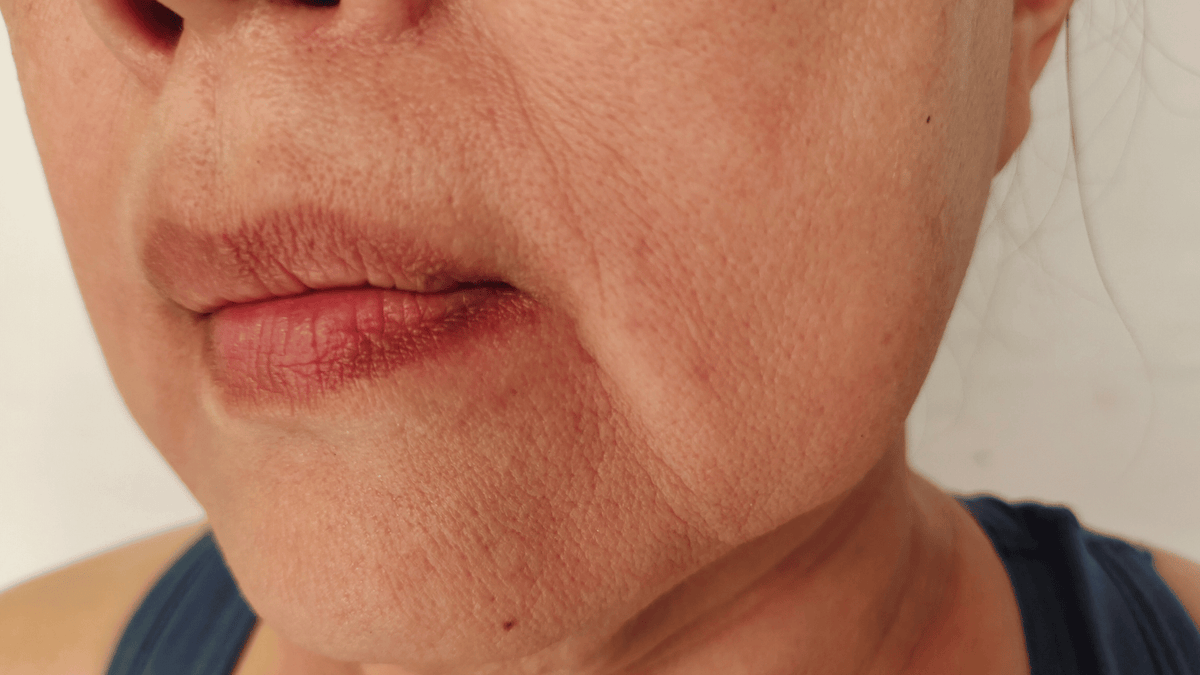
And despite the nickname, these lines absolutely do not only happen to smokers.

They happen because of aging skin, repetitive muscle movement, collagen loss, thinning tissue, and time.

After treating this area for more than 20 years, I’ve also learned something else: Some of the most commonly performed treatments can actually make this problem harder to fix later.

So let’s walk through how these lines form, what actually works, and where I think people often go wrong.

Why Upper Lip Lines Form

The area between the nose and the red lip is called the “white lip.”

As we age:

  • collagen declines
  • elastin weakens
  • skin becomes thinner
  • the upper lip elongates
  • and repetitive muscle movement slowly creases the skin

The muscle surrounding the mouth — the orbicularis oris — contracts every time we purse our lips, drink from a straw, speak, or kiss.

When we’re young, the skin bounces back.

Over time, it stops bouncing back.

A dynamic line eventually becomes a static wrinkle.

At first, you only see the lines when pursing.

Later, they’re present even at rest.

That distinction matters because treatment changes dramatically depending on where you are on that continuum.

The Best Early Treatment: Conservative Botox

If someone is starting to notice upper lip creasing in their 30s or 40s, the best preventative treatment is usually a very small amount of Botox. And I want to emphasize very small.

Too much Botox around the mouth is miserable.

It can flatten the smile, weaken the lip, affect speech, and make simple things like drinking uncomfortable.

This is one of those areas where more is definitely not better.

My wife, Neda, naturally has strong muscle activity around the mouth, and for years we’ve conservatively used tiny amounts of Botox in this region simply to soften that repetitive contraction before the lines become permanently etched into the skin.

This works best when the lines are still mostly dynamic.

Once they become deeply static, Botox alone won’t solve the problem.

Where Fillers Help — And Where They Go Wrong

In very early static lines, a small amount of filler can sometimes help support the area.

But this is also one of the easiest places on the face to overdo.

One thing I learned years ago is that trying to aggressively fill each vertical line individually often backfires. The filler can spread around the wrinkle, creating waviness or fullness that actually makes the line look worse.

In mild cases, conservative structural support can help.

But repeatedly filling this area over years often creates an unnatural upper lip that becomes puffy, stiff, or uneven.

Unfortunately, this is one of the more difficult problems to reverse because filler over time can stimulate tissue changes and scar-like thickening that resurfacing procedures cannot fully correct.

This is why restraint matters so much here.

The Most Effective Treatment: Moderate to Severe Lip Lines

If I had to pick the single most reliable treatment for established upper lip lines, it would be resurfacing, without question.

The earlier you do it, the better the outcome tends to be.

Resurfacing works by removing layers of damaged skin down to the base of the wrinkle so the skin can heal smoother and tighter.

But there’s an important limitation:

You can only safely go so deep.

If a wrinkle has folded deeply into the skin over many years, there’s a point where you cannot completely erase it without risking scar formation.

That’s why timing matters so much.

Shallower wrinkles respond dramatically better than very deep ones.

Why I Prefer Erbium YAG Over CO2

My preferred laser for this area is the Sciton Contour TRL erbium YAG laser.

The reason is precision.

Unlike traditional CO2 lasers, erbium YAG creates less residual heat in the tissue, which allows more controlled resurfacing and generally faster healing.

That matters because one of the worst possible complications of aggressive upper lip resurfacing is permanent hypopigmentation — what people sometimes describe as a “white mustache.”

Years ago, this complication was more common with aggressive CO2 resurfacing and mechanical dermabrasion.

In over a decade using erbium YAG for this area, I personally have not encountered permanent hypopigmentation in my practice.

Another important point: I’m talking about full-field resurfacing here — not fractional lasers.

My Honest Opinion on Fractional Lasers for Upper Lip Lines

Fractional lasers absolutely have a role in skin rejuvenation.

But in my experience, they’re often not powerful enough to significantly improve moderate or severe vertical upper lip lines.

Treatments like:

  • Halo
  • Fraxel
  • ProFractional
  • and other fractional technologies

can improve texture and skin quality, but deeply etched lip lines are often still there afterward.

That doesn’t make these treatments “bad.”

It just means expectations need to be realistic.

Can a Lip Lift Help?

Interestingly, yes — indirectly.

A lip lift is not a primary treatment for upper lip lines, but shortening the white lip can sometimes soften wrinkling because the procedure effectively tightens and supports the skin in that region.

I don’t think this is a reason to do a lip lift.

But when someone is already a good candidate for one, it can be a nice secondary benefit.

Skincare Matters More Than Most People Think

One of the biggest misconceptions about upper lip lines is that they’re purely procedural.

They’re not.

The healthier and thicker the skin remains over time, the better it resists repetitive folding and wrinkling.

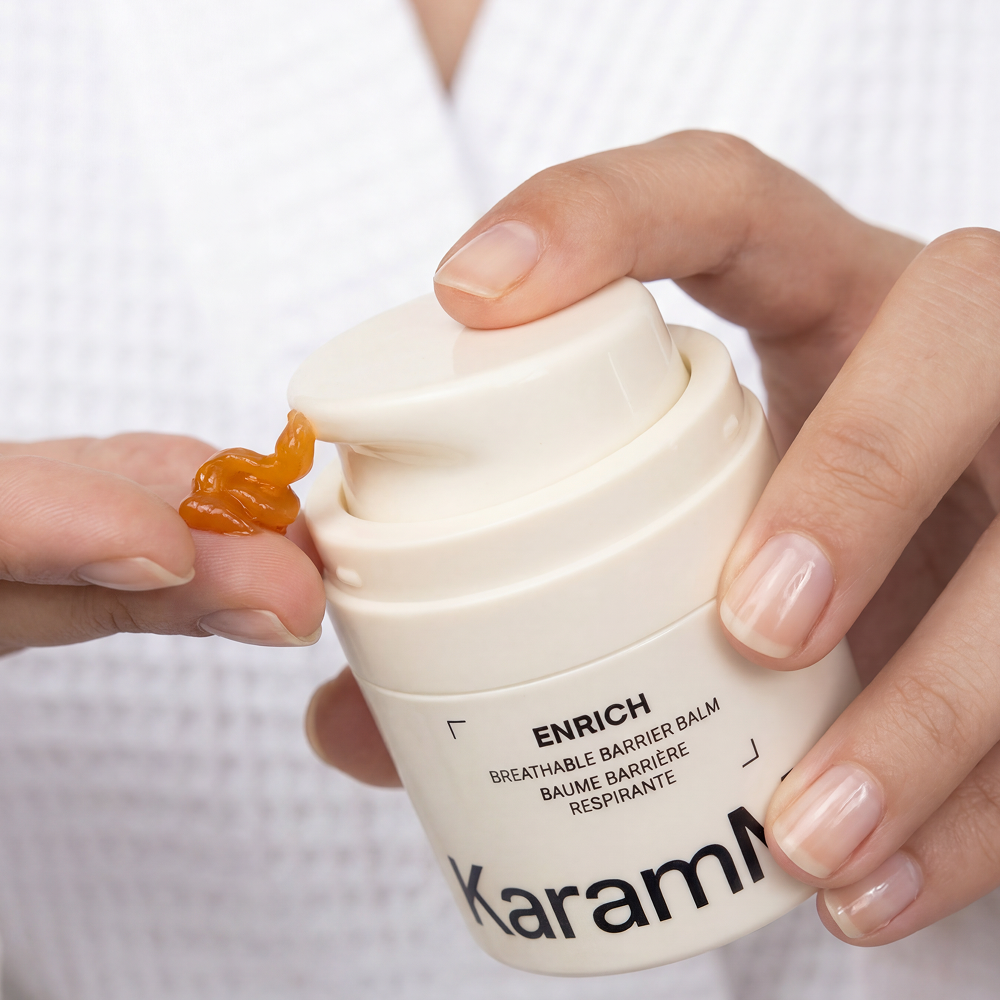
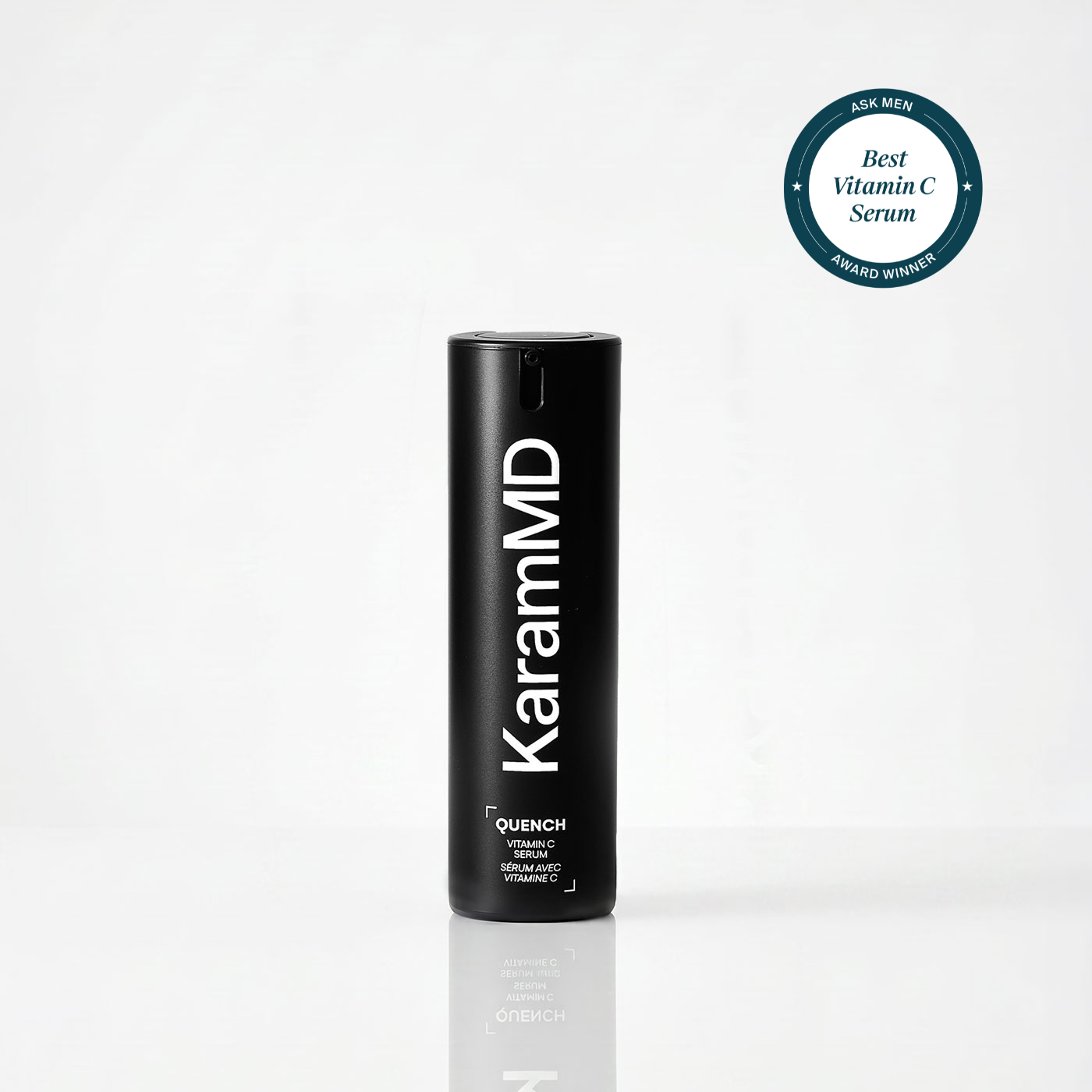
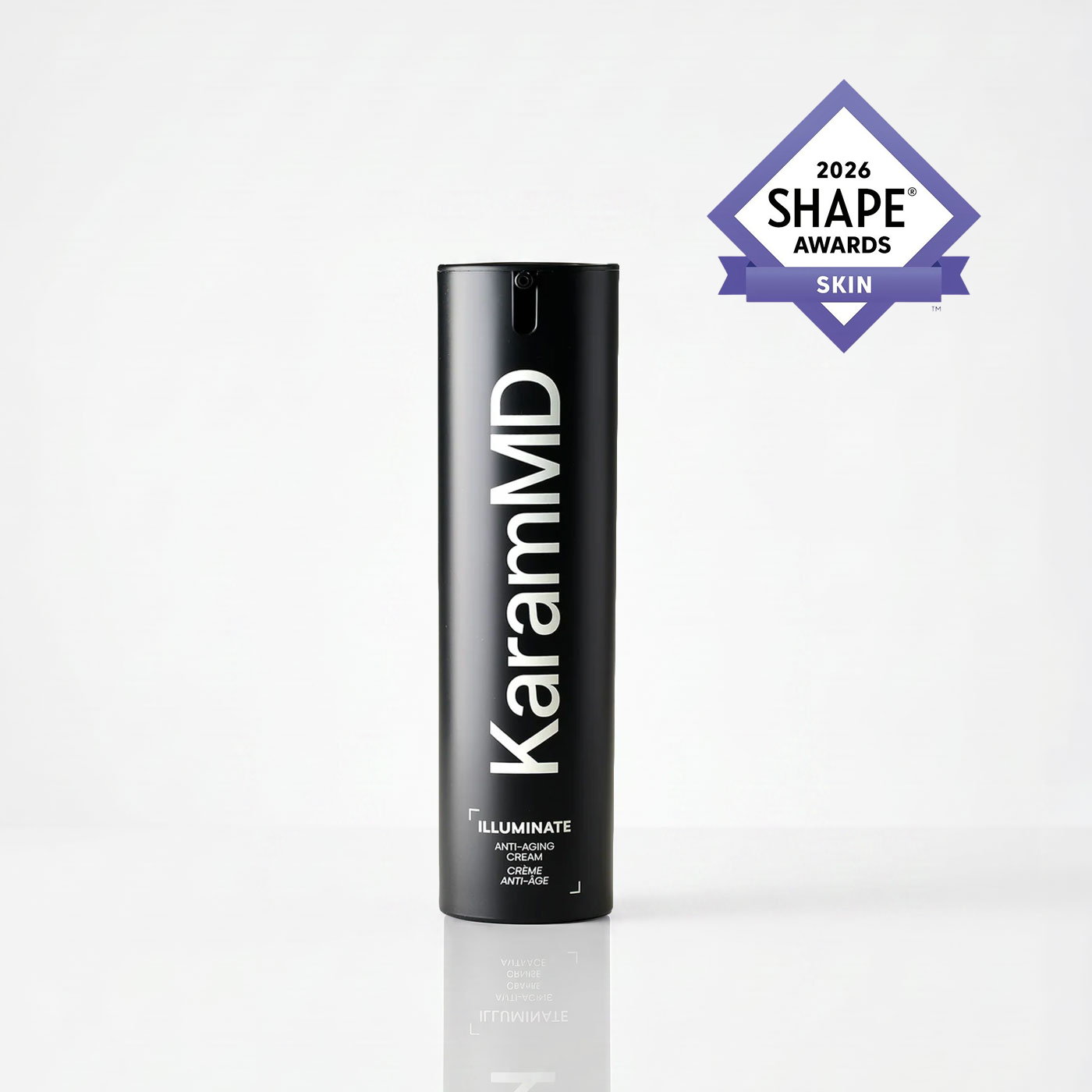
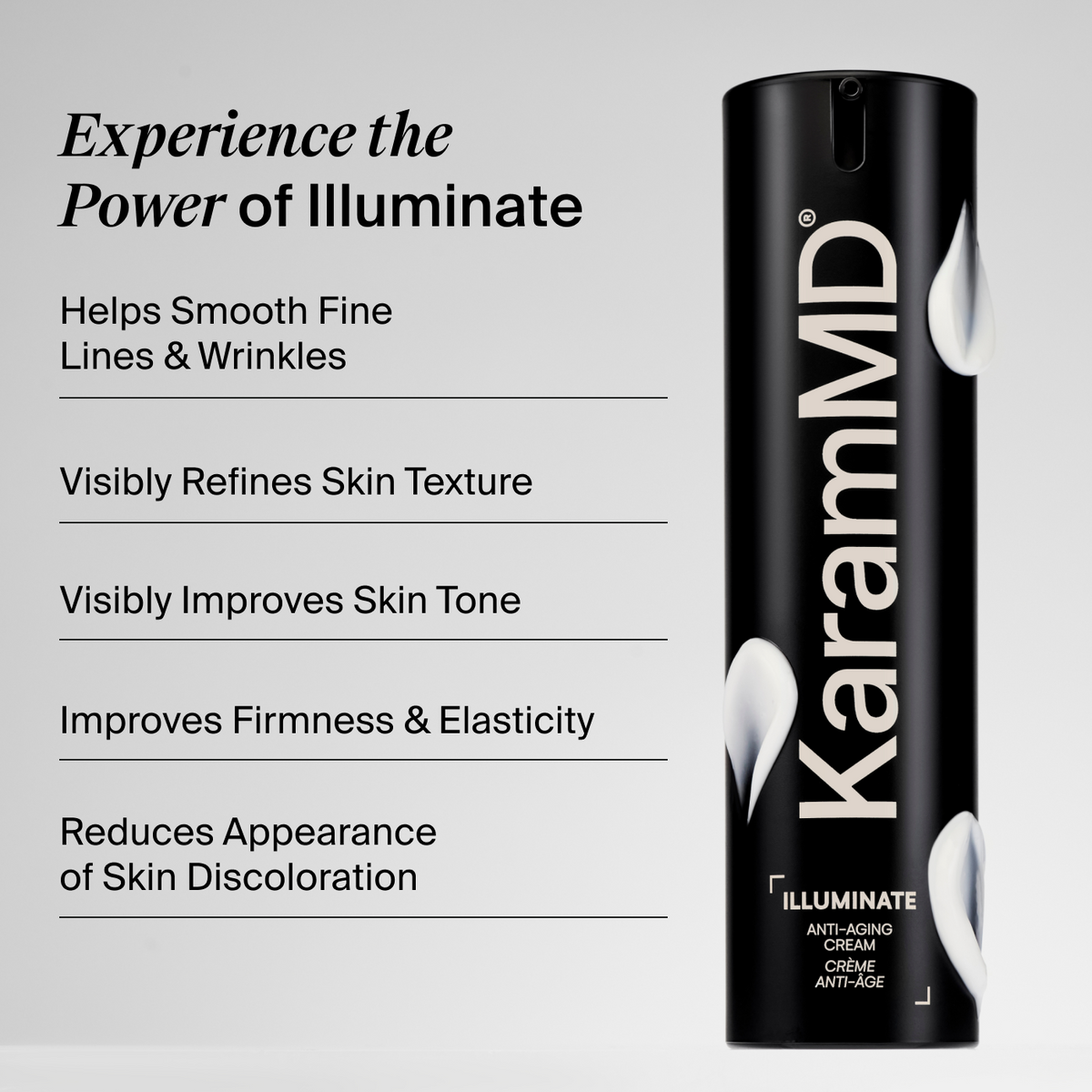
This is one of the reasons I’m so consistent about daily skin care:

  • retinoids
  • vitamin C
  • sun protection
  • collagen-supportive ingredients

Healthy skin simply ages better.

And while skin care won’t erase deeply etched lines, it absolutely helps delay and minimize them.

My Overall Philosophy

If you were sitting in my consultation chair, this is how I’d generally think about upper lip lines:

Early dynamic lines:

  • conservative Botox
  • prevention
  • collagen support

Early static lines:

  • possibly small amounts of filler
  • continued Botox
  • consideration of earlier resurfacing

Moderate to severe lines:

  • resurfacing is usually the most powerful tool
  • ideally erbium YAG
  • realistic expectations matter

And perhaps most importantly: Avoid chronically overfilling this area. That’s probably the single most difficult complication to truly correct later.

After decades treating these lines, I’ve learned that success comes down to understanding timing, skin quality, muscle activity, and the biological limits of what skin can safely heal from.

That perspective only comes from years of seeing what works… and what unfortunately doesn’t.

Amir Karam MD

Board Certified Facial Plastic Surgeon
Founder / Creator of KaramMD Skin

Dr. Amir Karam is a world-renowned facial plastic surgeon specializing in facial and skin rejuvenation. With over two decades of experience, he has helped countless patients achieve a naturally youthful, refreshed appearance. As an innovative surgeon, researcher, textbook author, and speaker, he is a leading authority in his field. Beyond performing surgical procedures that restore a youthful facial shape, he emphasizes the importance of skin quality, ensuring a comprehensive approach to facial rejuvenation. As the founder of KaramMD Skin, he is dedicated to making advanced skincare simple, effective, and accessible—helping you look as young as you feel.

Frequently Asked Questions

What causes upper lip lines?
Upper lip lines form from repetitive muscle movement combined with collagen loss, thinning skin, aging, and sun damage.

Are smoker’s lines only caused by smoking?
No. Smoking can worsen them, but many non-smokers develop upper lip lines naturally with age.

What is the best treatment for upper lip lines?
It depends on severity. Early lines often respond well to conservative Botox, while deeper etched lines usually respond best to resurfacing.

Does filler help upper lip wrinkles?
Sometimes in mild cases, but overfilling this area often creates unnatural fullness and waviness.

What laser works best for smoker’s lines?
In my experience, erbium YAG resurfacing is one of the most reliable treatments because it allows precise depth control with less residual heat than traditional CO2 resurfacing.

Can skin care help prevent upper lip lines?
Absolutely. Retinoids, antioxidants, and daily sun protection help preserve collagen and keep skin more resilient over time.

Leave a comment

All comments are moderated before being published.

This site is protected by hCaptcha and the hCaptcha Privacy Policy and Terms of Service apply.