Skincare Layering Guide: How to Build & Add to Your Routine

Skincare Layering Guide: How to Build & Add to Your Routine

Written by Founder, Amir Karam MD

Quote Icon

Between the cleansers, toners, serums, oils, moisturizers, and the long list of active ingredients to keep track of, building a skincare routine can start to feel less like self care and more like a chemistry experiment.

And, if you've ever stared at the bottles on your bathroom counter and wondered, "Does it matter what actually goes first?", you are not alone. It is one of the most frequently asked questions in the beauty world, and the answer is yes, getting the order right is essential.

Applying products in the wrong sequence can render expensive ingredients ineffective or, worse, irritate your skin. When you layer correctly, your skin absorbs active ingredients efficiently, ensuring you get the maximum benefit from every drop.

Understanding the logic behind skincare layering is also important if you want to incorporate additional treatments, or are just starting to build your regimen.

Here is everything you need to know to layer with confidence.

The Golden Rule: Thinnest to Thickest

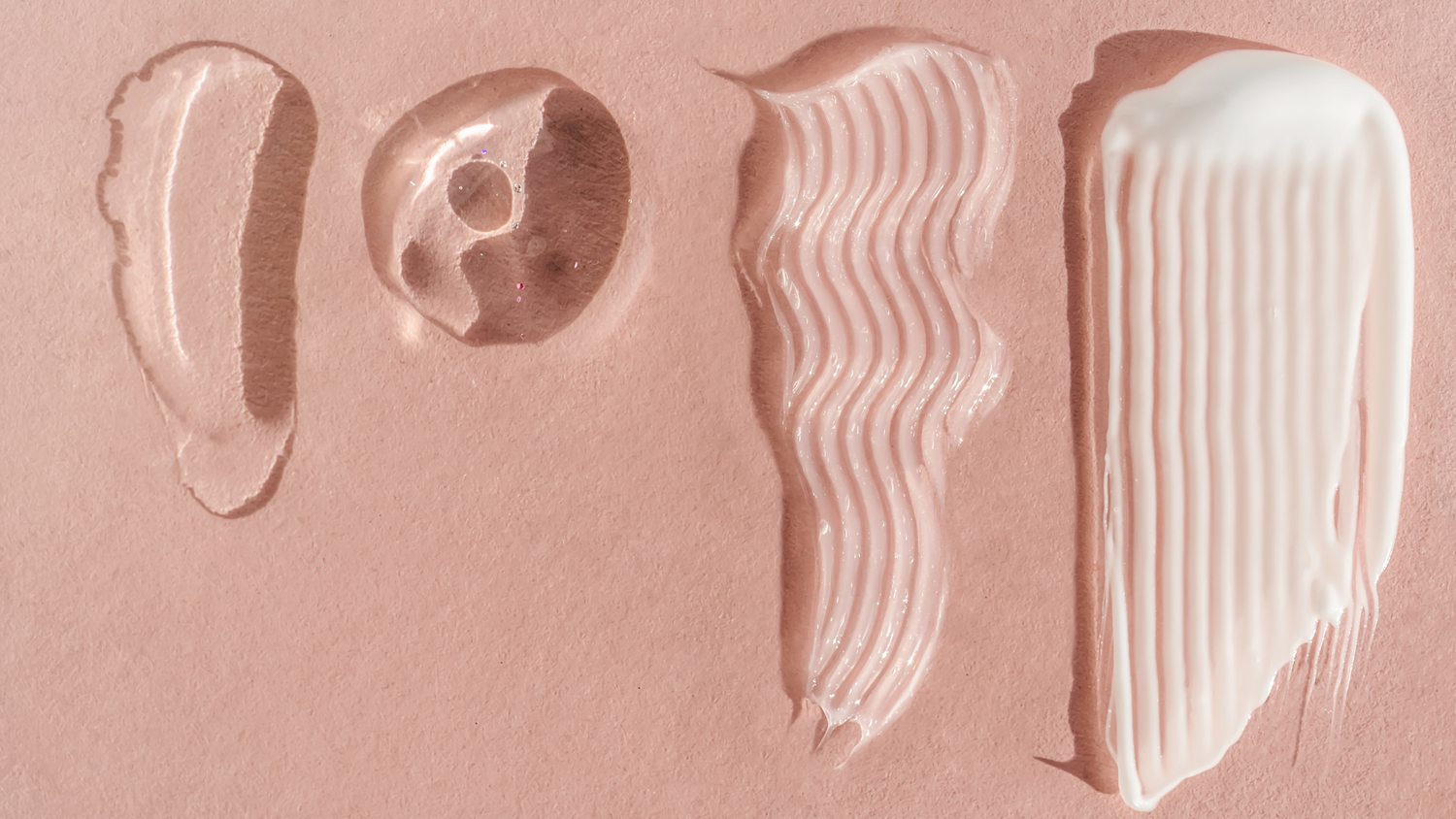
If you only remember one rule, make it this one: apply your products based on consistency, starting with the lightest, water-based fluids, moving to heavier products, like creams and oils.

Think of your skin as a sponge. If you pour water on a dry sponge, it absorbs instantly. If you cover that sponge in thick oil first and then try to pour water on it, the water will just roll off.

The same logic applies to your face. Heavier, occlusive products create a seal. If you apply them too early, they block lightweight ingredients from penetrating the skin barrier, wasting their potential.


Step-by-Step: The Correct Order of Application

Whether you are a skincare maximalist, adding steps into your existing routine, or just trying to get the basics right, this sequence ensures every ingredient has the chance to work its magic.

Phase 1: Prep the Skin

01.

Cleanser

Daily, AM & PM.

Every good routine starts with a clean canvas. Before you layer on anything, you need to remove dirt, oil, environmental pollutants, and makeup residue so your treatment products can penetrate the skin. Look for a gentle cleansing option that cleanses without stripping your natural moisture barrier.

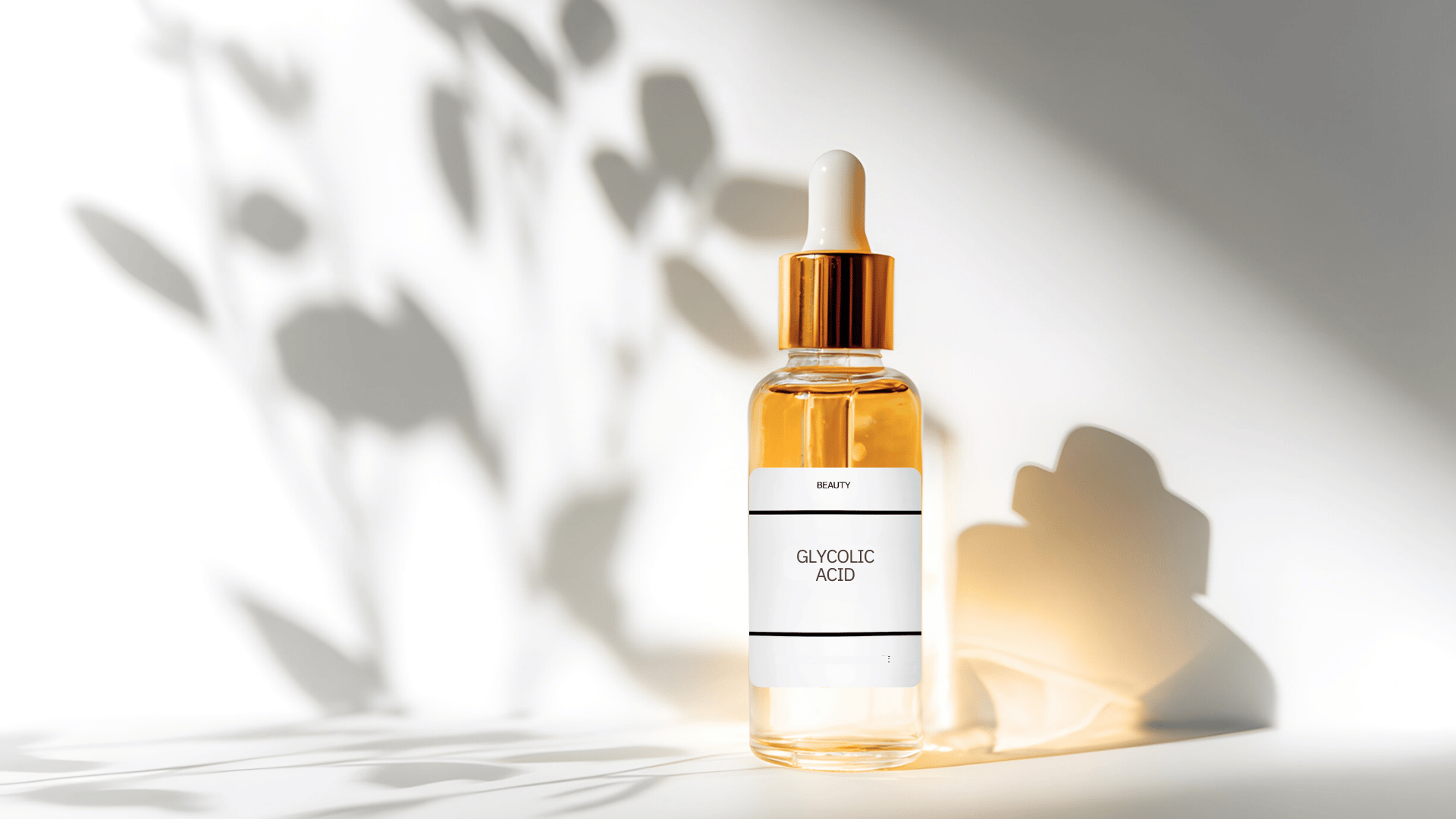
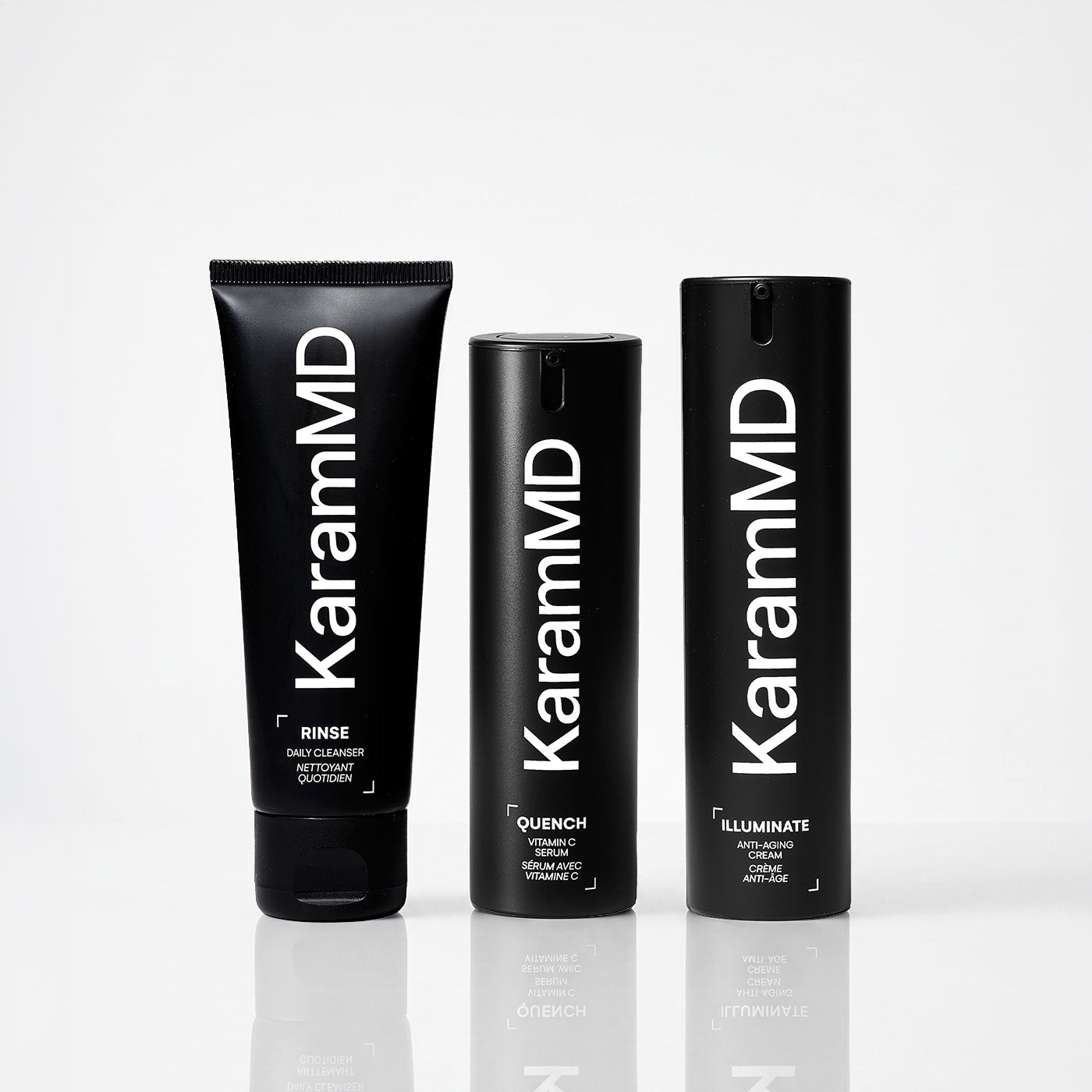
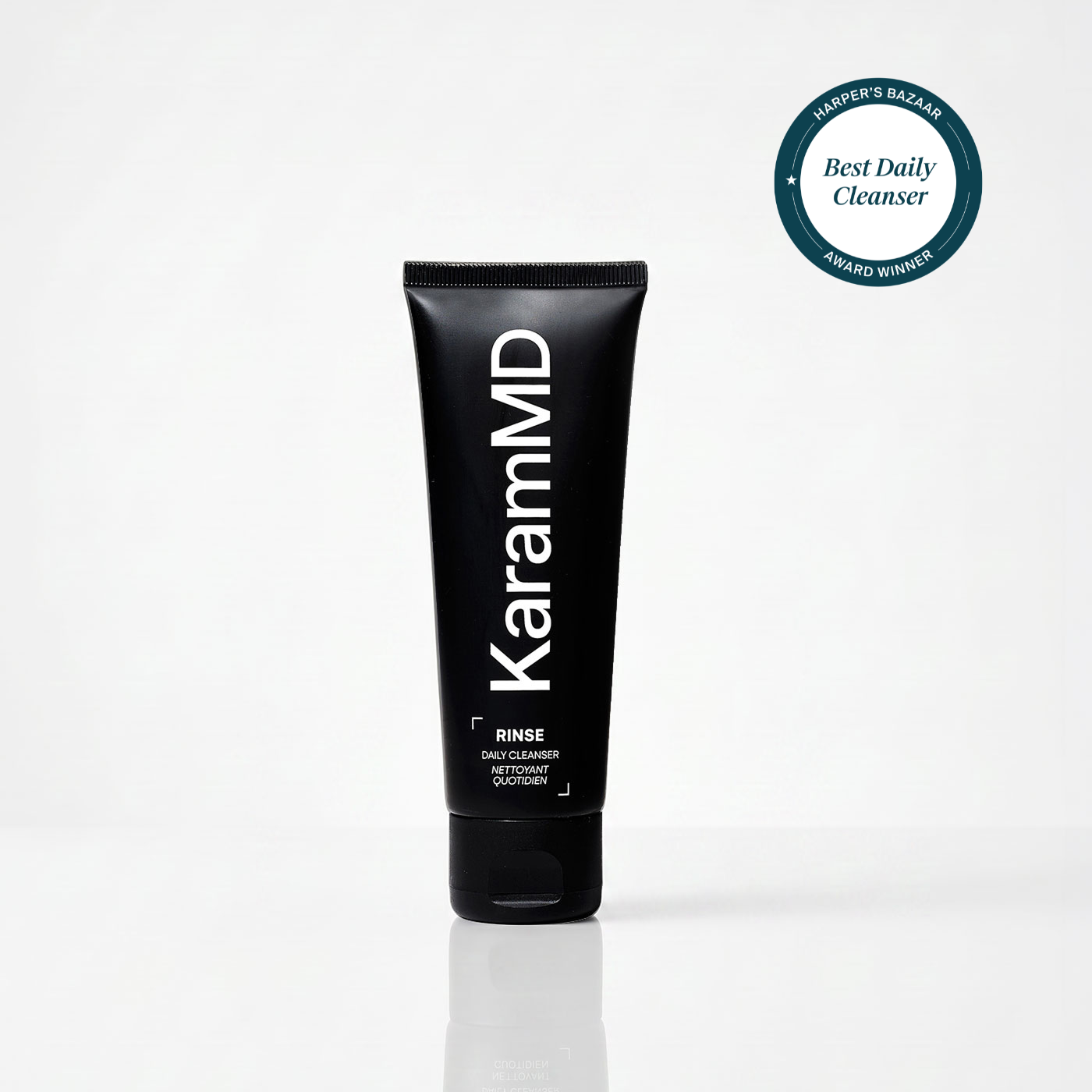
I use Rinse Daily Cleanser because it hydrates and supports barrier health, exfoliates using glycolic acid, and it's non-foaming and pH-balanced, replacing the need for a toner. It's highly effective, gentle, and award-winning for a reason, saving you multiple steps in your routine.

02.

Exfoliation

2-3x/Week, As Needed

A chemical or enzymatic exfoliator gently dissolves dead skin cells, smoothing the surface and prepping the skin to absorb actives more deeply, while a physical exfoliator uses abrasion to buff or lift them away. This process is the key to a glowing complexion, but it doesn't necessarily need to happen every day.

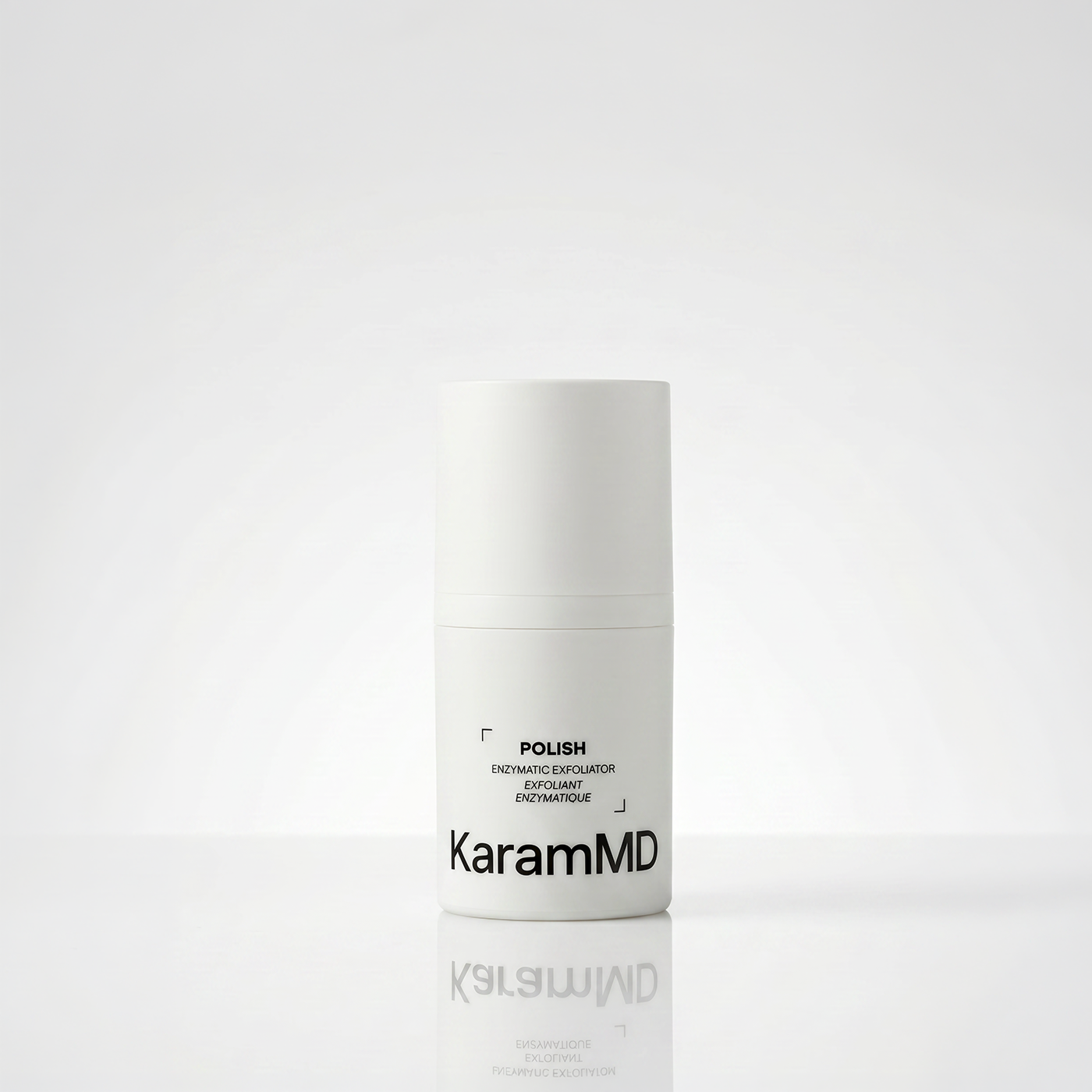
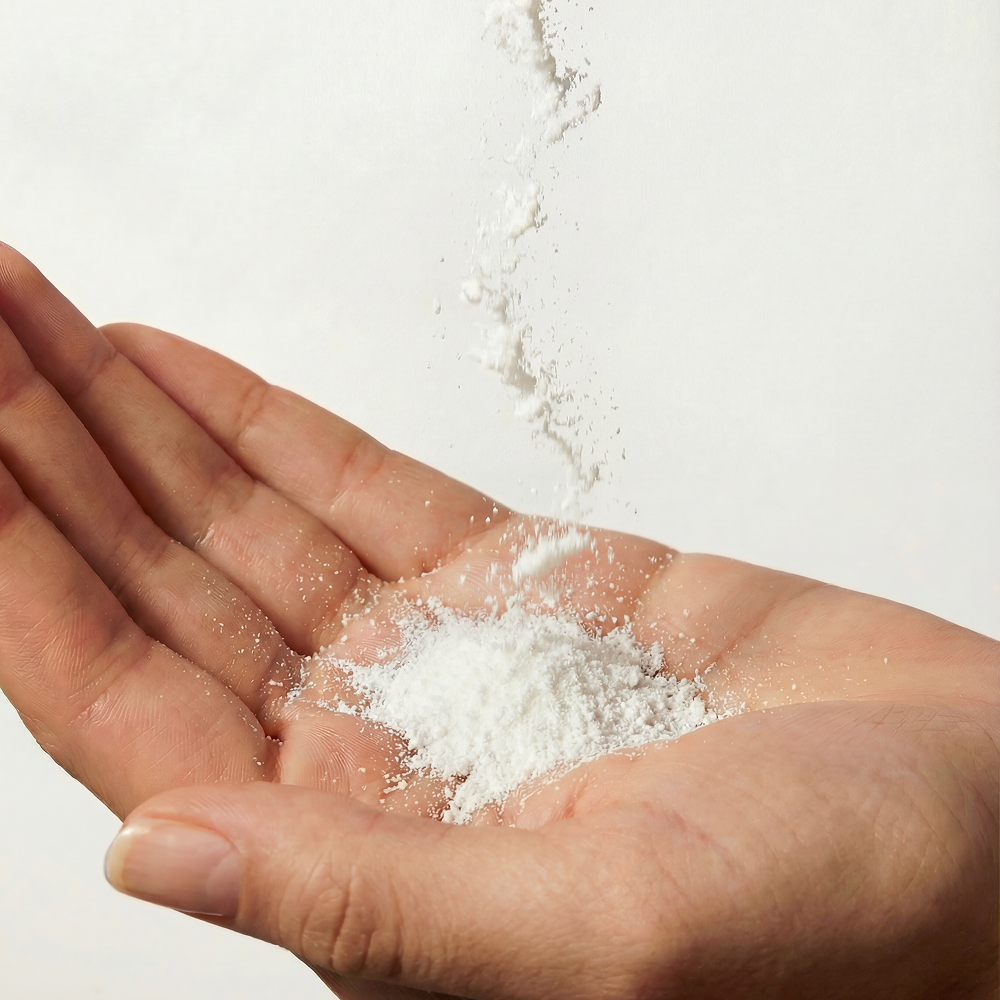
If you were to use something like Polish Enzymatic Exfoliator twice a week, you help to maximize the benefits of the following active ingredients in your routine. Polish not only has enzymes to resurface the skin, but it also uses ultra-fine powders to gently polish the top layer of dullness away for instantly smoother, softer skin.

While safe for day or night, remember that exfoliation can increase sun sensitivity. If you exfoliate in the morning, follow up with SPF, as well as physical sun protection.

03.

Toner

Optional

Historically, toners were necessary to rebalance the skin’s pH after using harsh, alkaline soaps. Cleansers are now much more sophisticated, often rendering this step unnecessary.

If you enjoy the sensory experience of a toner, apply it after cleansing and exfoliating. However, if you are using a balanced cleanser, you can safely skip this step.

Phase 2: Treatment with Actives

04.

Water-Based Serums

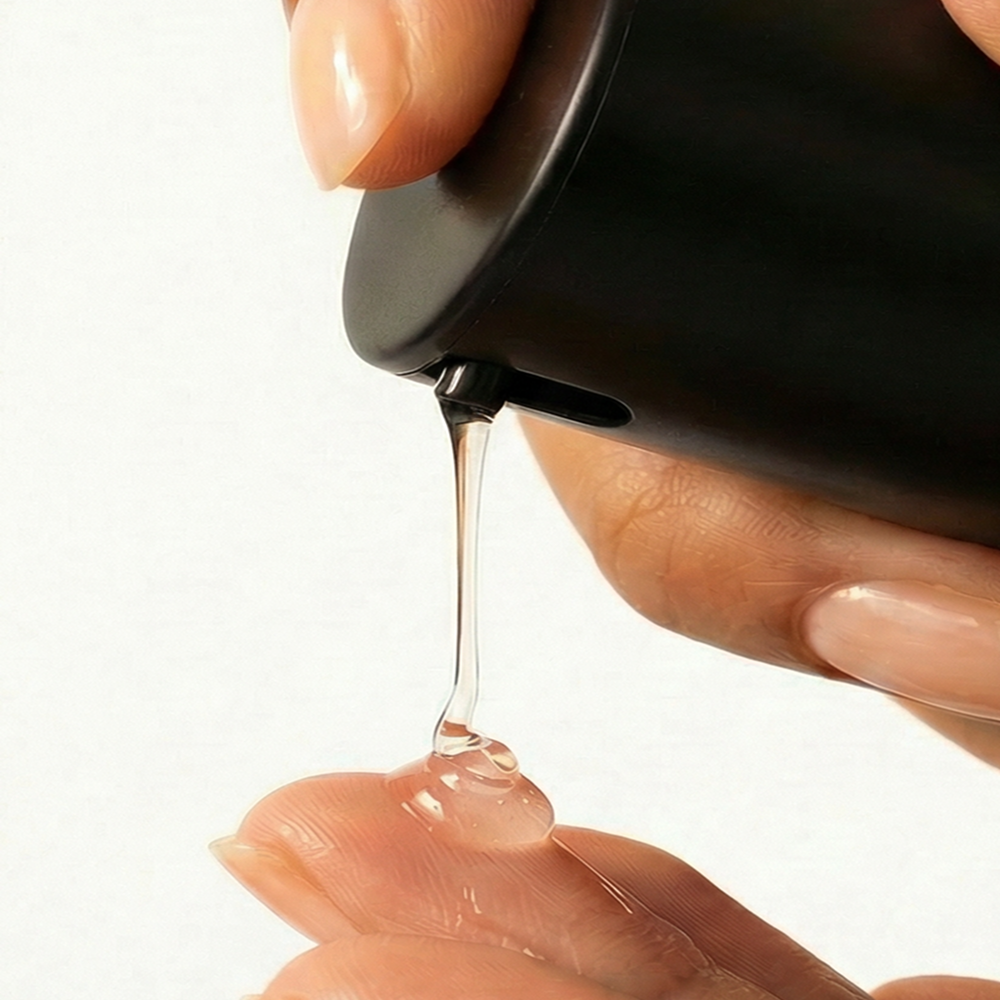
Lightweight serums, typically transparent in color, containing active ingredients like vitamin C, niacinamide, or hyaluronic acid usually belong here. These formulas have a small molecular structure designed to penetrate deeply.

Should you apply hyaluronic acid before or after vitamin C?

The answer usually lies in the texture.

If your hyaluronic acid serum is watery and lightweight, it should go first, layered on damp skin to draw that extra water in for a hydrated start. You definitely want a vitamin C serum in your routine, so as with all serums, feel it out and follow the golden rule: apply thinnest to thickest.

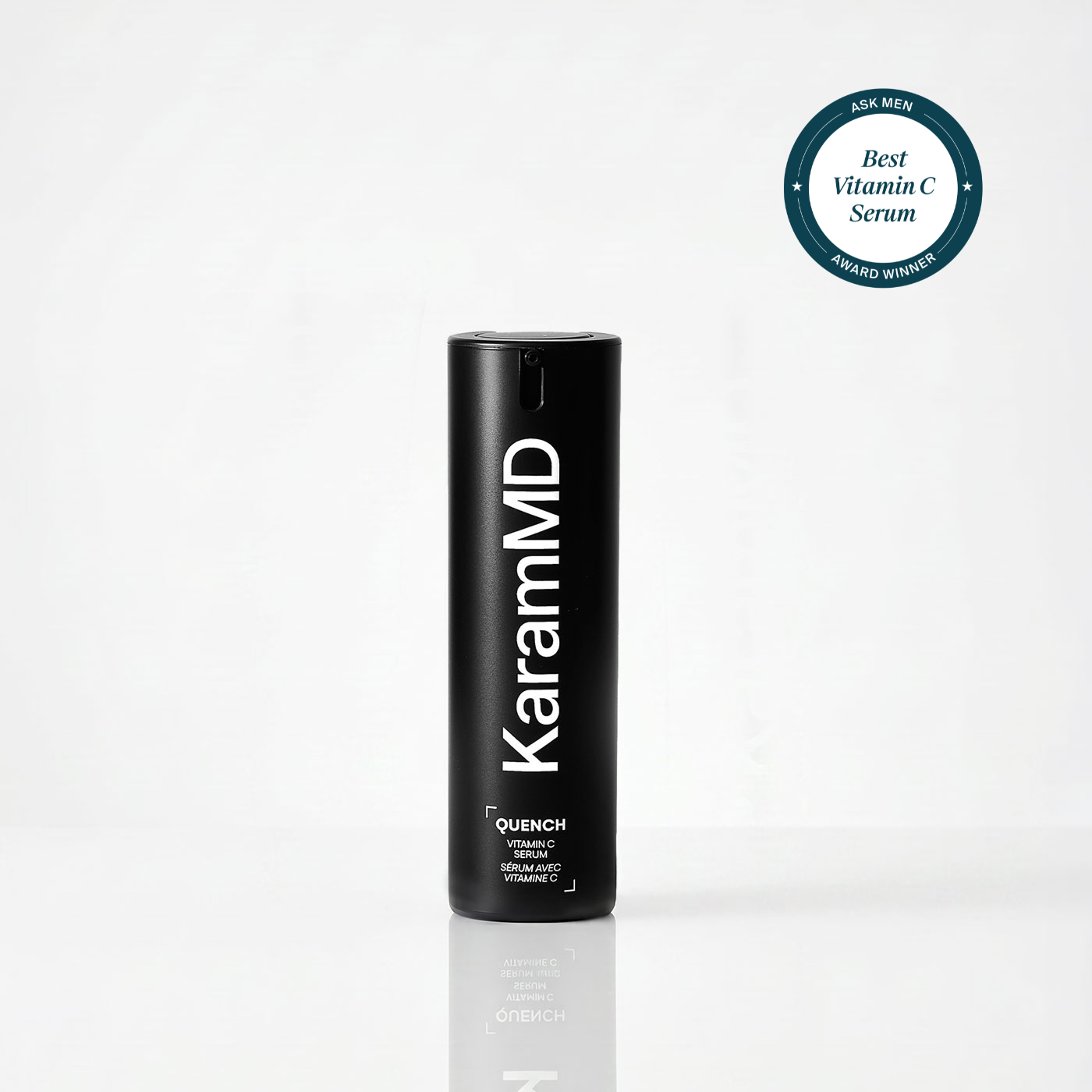
To simplify things, Quench Vitamin C Serum solves the "which serum first?" debate by combining three advanced forms of stabilized vitamin C, hyaluronic acid (sodium hyaluronate), antioxidants, and botanical brighteners into a single step, that's ultra-lightweight and gentle enough for even the most sensitive skin.

05.

Moisturizers and Creams

Moisturizers and creams are generally thicker, opaque, and formulated with emollients that soften the skin and help seal in active ingredients. Look for products with retinol, niacinamide, peptides, and deeper hydration via sodium hyaluronate.

Do you need a separate eye cream or neck cream?

No, you'd be better off choosing a comprehensive formula that can simplify your routine while still addressing multiple concerns at once. This will help with consistency, so your skin can build cumulative improvement over time.

The other benefit of using a multitasking, all-in-one skincare product is formulation control. Instead of layering separate ingredients and creams, a well-formulated product combines key active ingredients in balanced concentrations that are designed to work optimally together. This helps reduce the risk of ingredient conflicts, irritation, or reduced effectiveness that can occur when mixing products on your own.

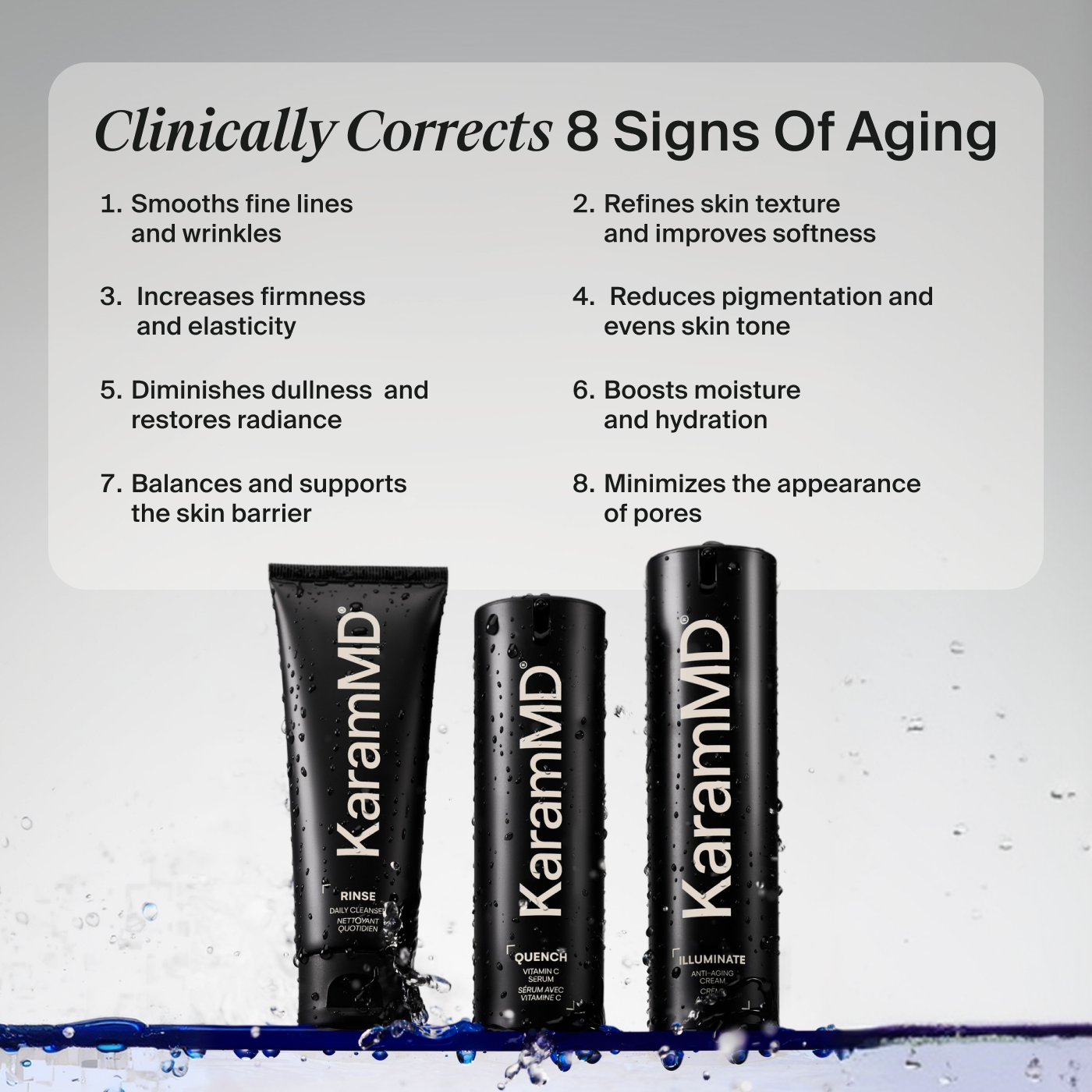
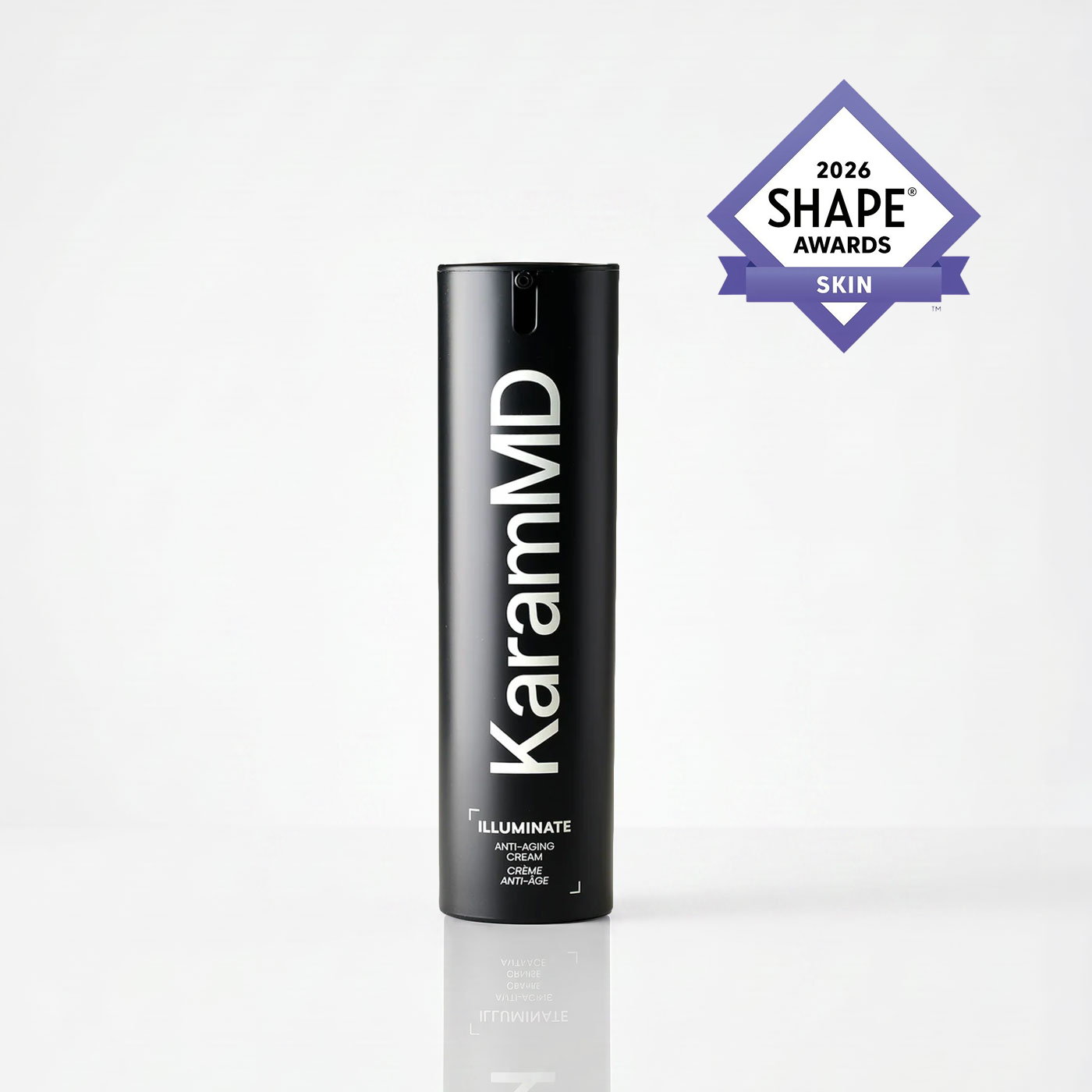
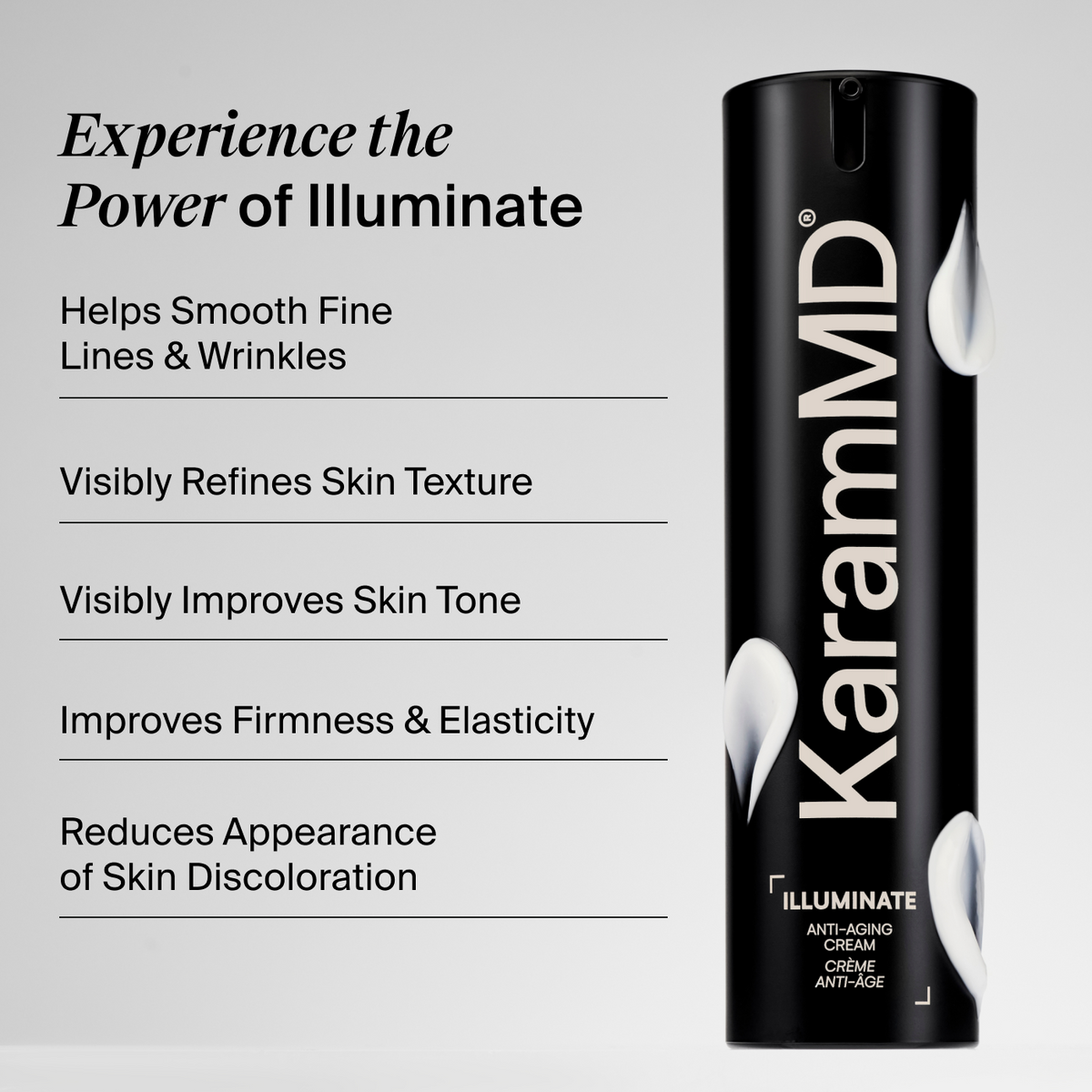
I created Illuminate Anti Aging Cream to give you everything you needed at this stage in a single step. It contains more than 20 clinically studied ingredients, including retinol, peptides, niacinamide, antioxidants, and barrier supporting hydrators, combined in one stabilized, synergistic formula. This approach supports collagen production, improves skin texture, and enhances hydration without the complexity of a multi-step routine.

Phase 3: Protect Your Progress

06.

Occlusives and Barrier Balms

PM - Preferred Daily, AM - As Needed

For dry skin or those living in arid climates, an occlusive layer can be an important final step in a skincare routine. Occlusives help reduce transepidermal water loss by forming a protective barrier over the skin, limiting moisture evaporation and supporting barrier repair. Because these formulas are typically richer and oil based, they should be applied as the last step to seal in hydration and active ingredients applied earlier in the routine.

Many people prefer using occlusives at night due to their heavier texture, but a lightweight layer can also be beneficial during the day to help defend against moisture loss and environmental stressors.

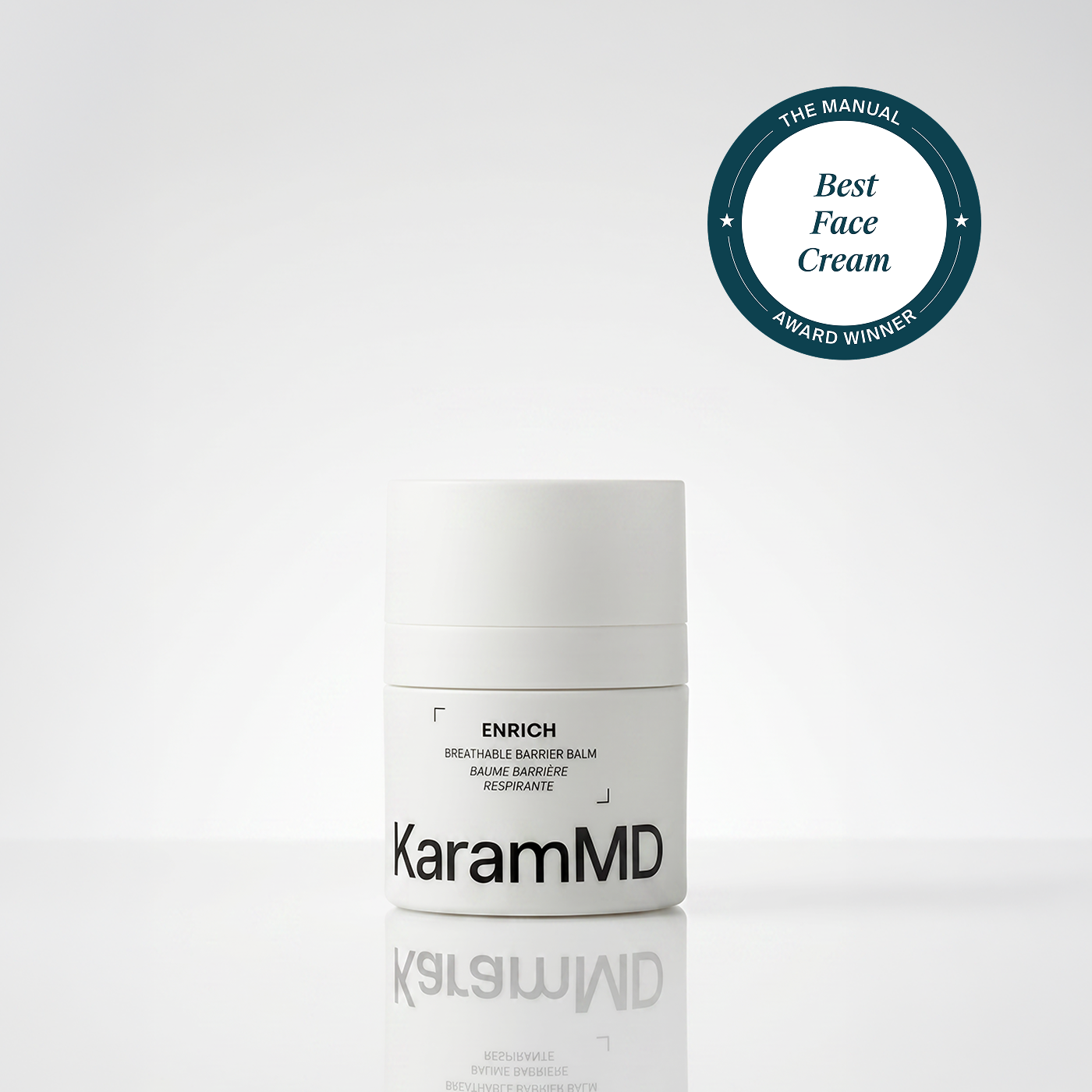
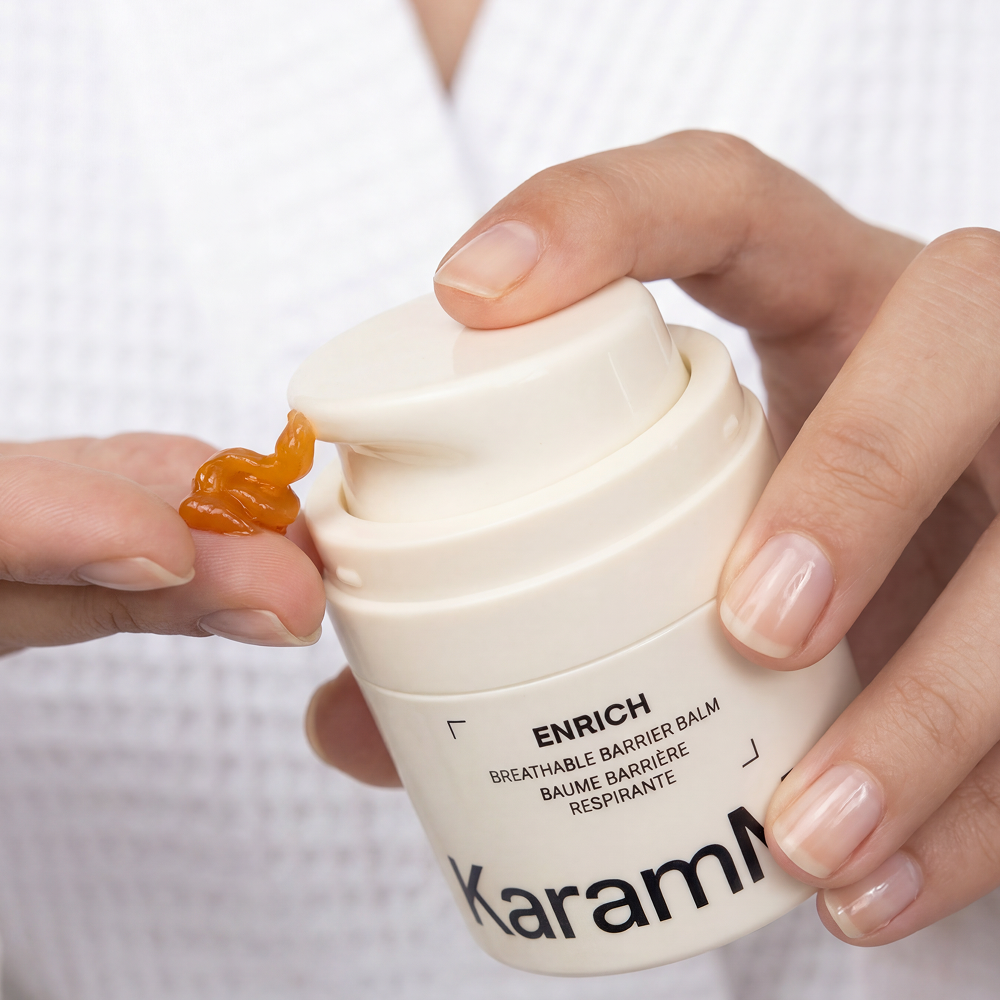
Enrich Breathable Barrier Balm offers a unique day to night solution designed to provide barrier support you can wear 24/7, without the heaviness of traditional occlusives like petroleum or mineral oil. It helps seal in your skincare routine, while remaining lightweight and breathable, melting into the skin and absorbing gradually rather than sitting thick on the surface.

In addition to reducing moisture loss, it delivers antioxidants and naturally active ingredients such as retinol-alternative, bakuchiol, and super-antioxidant, astaxanthin, which support collagen production and help reinforce the skin barrier. The result is skin that feels hydrated, balanced, and naturally radiant, not greasy. Wake up in the morning with a dewy, supple glow.

07.

SPF

Daily - AM Only

Sunscreen is the non-negotiable final step of any morning routine.

It acts as armor against UV rays, the primary cause of premature aging.

Always apply SPF after your moisturizers and oils, but before makeup.

Simplifying Your Routine with Trifecta

While the basic seven-step routine outlined above is effective, it can be time-consuming and still has room to get confusing. This complexity is exactly why the Trifecta system was created.

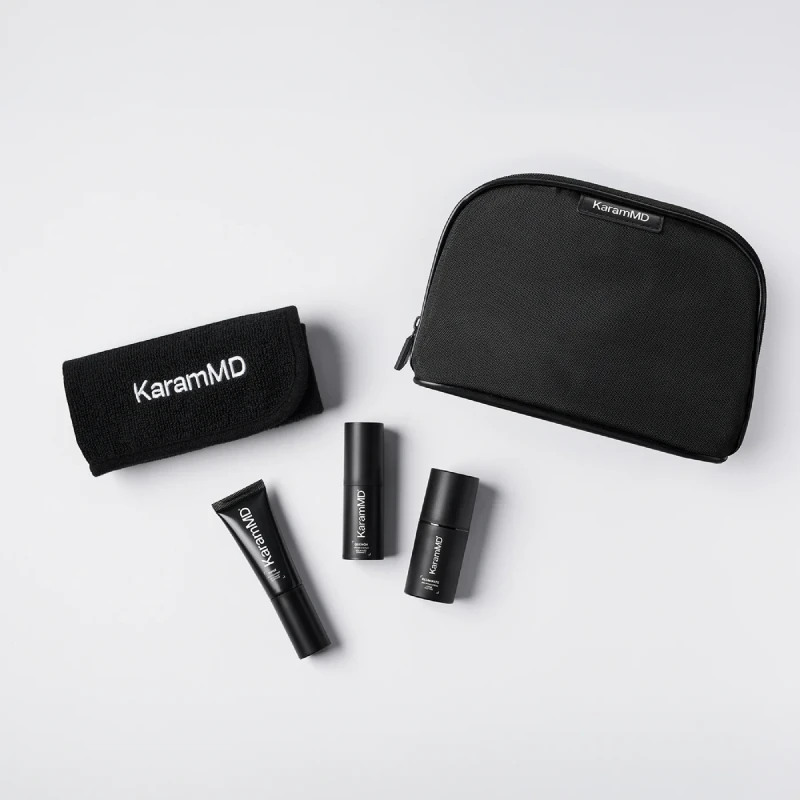
KaramMD Trifecta streamlines the process into 3 steps that remain consistent AM & PM.

  1. Cleanse (Rinse): Removes impurities, naturally exfoliates, and balances pH.
  2. Correct (Quench): Hydrates and brightens with vitamin C and hyaluronic acid.
  3. Restore (Illuminate): Firms and rejuvenates with retinol, niacinamide, peptides, and more.


With this system, the chemistry is already done for you. You don't have to worry about ingredient synergy or sequencing errors because the formulations are designed to work together harmoniously.

Customizing Your Routine: Day vs. Night + Tip for Tools

Even with a streamlined core routine, your skin may have different needs depending on whether you are facing the day or sleeping. Here is how to adjust your layering for morning & evening.

Daytime Add-Ons

Your morning focus is protection. After finishing your core routine (Cleanse, Serum, Moisturizer):

  • SPF: This is mandatory every morning. Reapply every 2 hours when active or outside in the direct sun.
  • Barrier Balm: If you want an extra glow or added barrier protection against wind and cold, layer a thin veil of balm over your moisturizer.
  • Makeup: Foundation and concealer should always be the very last layer.

Nighttime Add-Ons

Your evening focus is repair and cleaning.

  • Double Cleanse: If you wore heavy makeup or water-resistant sunscreen, consider using an oil-based cleanser before using your water-based cleanser.
  • Prescription Topicals: If your dermatologist has prescribed a specific treatment, it typically goes on after cleansing and before your other serums or moisturizers. If using Trifecta, we recommend applying after the 3-step system, but check with your provider.
  • Occlusive Layer: Nighttime is the best time to "slug" or use a barrier balm. It seals in your actives and ensures they absorb into your skin rather than on your pillowcase.

Where Do Skin Tools and Gadgets Fit Into My Routine?

If you love high-tech skincare tools, placement is critical for results.

  • Red Light Therapy: Use this immediately after cleansing on dry skin. Light therapy requires a clear path to penetrate the skin, so applying it over creams or sunscreens will block the beneficial wavelengths.
  • Face Masks: The temporary sheet masks should be applied after cleansing and before your serums.
  • Facial Tools: Physical tools, like gua sha, should never be used on dry skin, as dragging the tool can damage elasticity. Use them after applying your serum or a barrier balm to provide the necessary "slip."

Building Confidence in Your Routine

Skincare should be an enjoyable ritual, not a source of stress. Whether you enjoy the simplicity of the KaramMD Trifecta or rely on a multi-step regimen involving various brands, the goal is the same: healthy, resilient skin.

By following the golden "thinnest to thickest" rule and understanding the function of each layer, you can stop guessing and start glowing.

Amir Karam MD

Board Certified Facial Plastic Surgeon
Founder / Creator of KaramMD Skin

Dr. Amir Karam is a world-renowned facial plastic surgeon specializing in facial and skin rejuvenation. With over two decades of experience, he has helped countless patients achieve a naturally youthful, refreshed appearance. As an innovative surgeon, researcher, textbook author, and speaker, he is a leading authority in his field. Beyond performing surgical procedures that restore a youthful facial shape, he emphasizes the importance of skin quality, ensuring a comprehensive approach to facial rejuvenation. As the founder of KaramMD Skin, he is dedicated to making advanced skincare simple, effective, and accessible—helping you look as young as you feel.

Leave a comment

All comments are moderated before being published.

This site is protected by hCaptcha and the hCaptcha Privacy Policy and Terms of Service apply.