
Do You Still Have to Wear Sunscreen in Cloudy Weather?

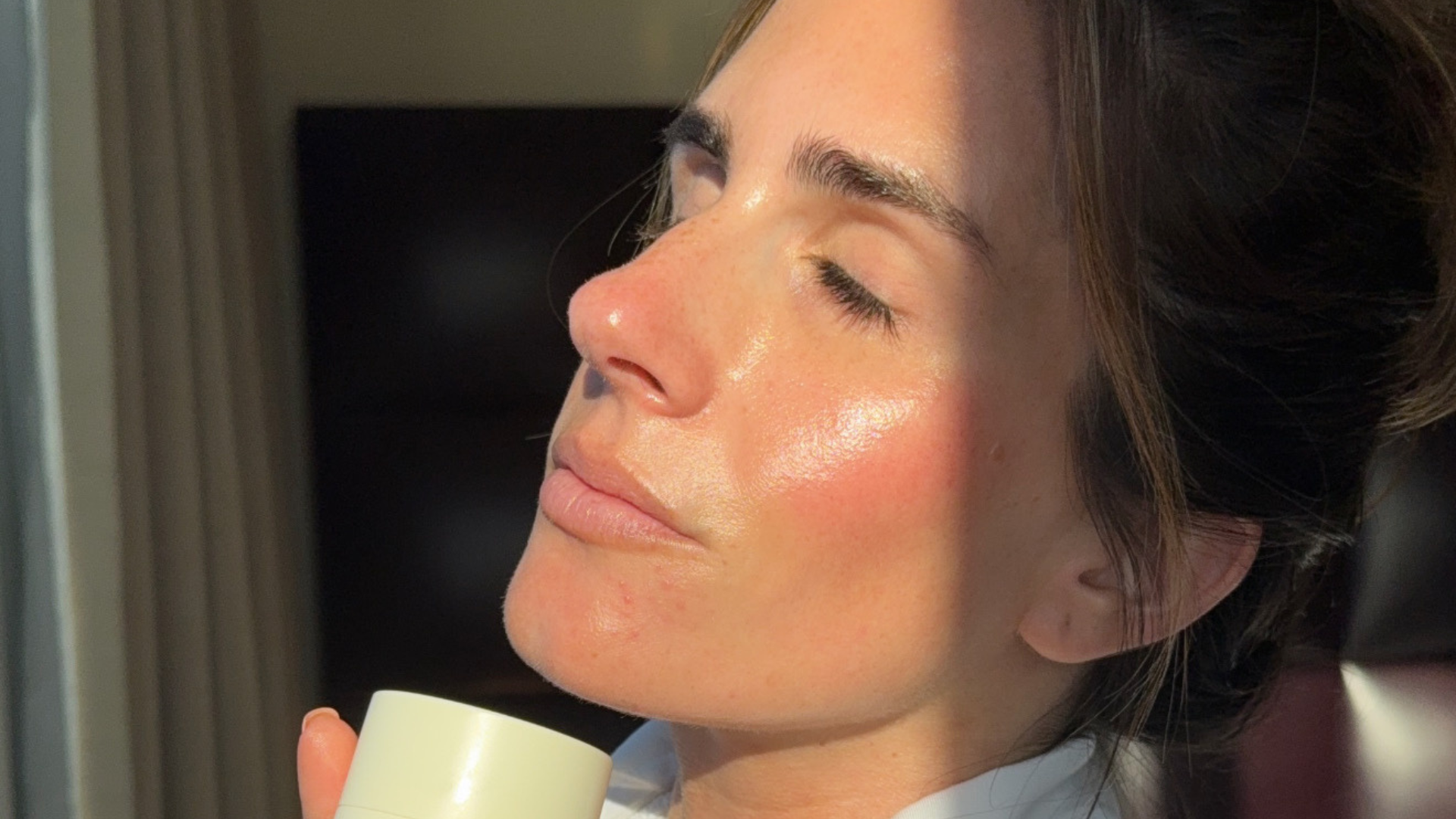
woman in sweater and cloudy weather applying  sunscreen

Written by Founder, Amir Karam MD

Quote Icon

Sun damage doesn’t take days off, and neither should your sunscreen.

I get asked this question constantly, both in the office and online. And I understand why. When the sun isn’t out, and it’s cloudy, rainy, or cold, applying sunscreen can seem unnecessary.

But in my practice, I’ve seen the long-term effects of daily sun exposure up close and personal, and I can tell you without a doubt: cloudy days are not a break from sunscreen.

Let’s clear up what cloudy weather really means for your skin:

Clouds, Rain, and Snow Don’t Block UVA or UVB Rays

Even when you can’t see the sun outside and you’re feeling a little cold, its rays can still reach your skin through cloud cover. Clouds may dim visible light, but they don’t reliably block UV.

That means your skin is being exposed to ultraviolet radiation, including:

  • UVA rays (think a for “age”), which trigger the aging process
  • UVB rays (think b for “burn”), which can cause burns and increase skin cancer risk

This applies in cloudy, rainy, and snowy weather, and even indoors when daylight is coming through windows. Snow can also reflect UV back onto the face. If you’re not wearing sunscreen, you’re still exposing your skin to sun damage, even when the day doesn’t look or feel “sunny.”

When you make sunscreen a daily habit and prioritize protection over the years, the difference in skin quality is obvious. People who stay consistent often maintain skin that looks more supple, even-toned, and resilient, because their collagen is better preserved and chronic inflammation is kept in check.

Why Sun Protection Matters So Much for the Skin

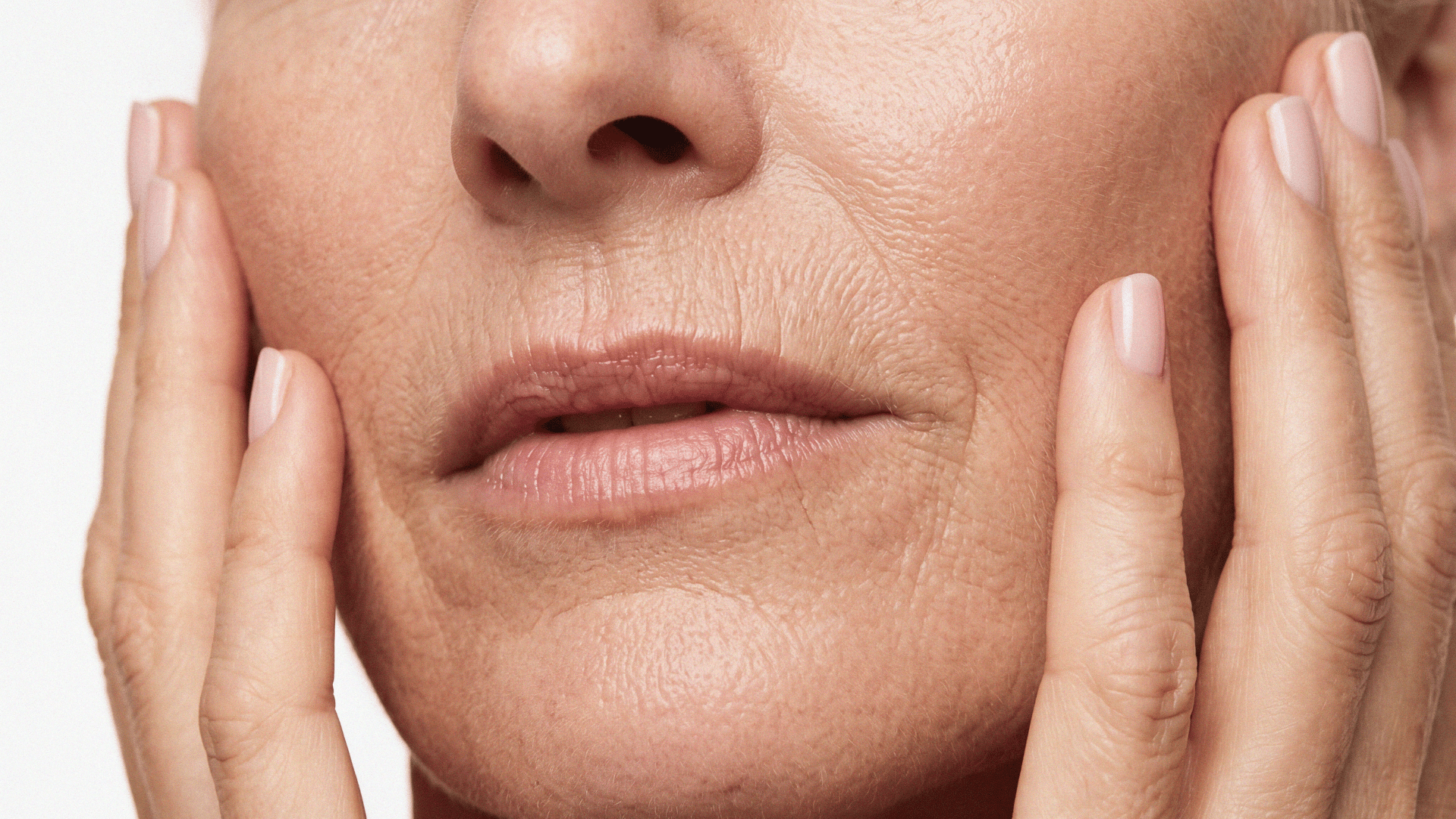
Sun exposure is one of the most powerful accelerators of skin aging. In clinical practice, its long-term effects are comparable to smoking in terms of how dramatically it changes skin quality over time. Up to 70% of visible skin aging can be traced back to sun exposure

Most of it happens gradually, through cumulative exposure, not just obvious sunburns.

That includes:

  • Collagen breakdown
  • Loss of elasticity
  • Fine lines and wrinkles
  • Pigmentation changes and uneven tone
  • Texture changes
  • Enlarged pores

While small amounts of sun exposure can support vitamin D production, most people greatly overestimate the time needed – about 15 minutes a few times per week is typically sufficient. 

Prolonged, unprotected exposure, especially to the face, does far more harm than good. Your facial skin is thinner and more delicate than elsewhere on the body, so it ages faster and needs regular protection, not just on bright days but also on cloudy ones.

What is the Best Sunscreen to Use to Protect from Aging?

Another misunderstanding is assuming that any sunscreen with an SPF 30 or higher automatically protects the skin against all signs of aging. 

SPF (sun protection factor) primarily measures protection against UVB rays, which cause sunburn. But UVB is only part of the story. If you want sunscreen to function as an anti-aging tool, it needs to protect against both UVB and UVA, the rays that break down collagen.

When you choose a sunscreen, look for:

  • Broad-spectrum protection (UVA + UVB)
  • Mineral filters like zinc oxide and titanium dioxide
  • A formula you’ll actually wear daily, not only on sunny days

Sunscreen should act like a shield, not just a burn-prevention product you save for summer.

Sunscreen Is Essential, but It’s Not the Whole Picture

Sun protection is one of the most important pillars of healthy, youthful skin, but it works best when it’s part of a steady routine that supports the skin as a whole. Alongside sunscreen, the skin also needs regular exposure to proven, active ingredients to function well over time.

Ingredients like:

But know those benefits depend on repetition – if the routine isn’t realistic, it won’t last.

When routines feel overwhelming:

  • Steps get skipped
  • Products get rotated constantly
  • Results become unpredictable
  • People give up before anything has time to work

Meaningful skin change comes from consistency, not intensity.

Trifecta and Daily Sunscreen: The Long-Term Strategy

I spent years looking for skincare products that delivered the ingredients that the skin needs to stay healthy, vibrant, and resilient. Even as a facial plastic surgeon, the selection when shopping was truly overwhelming. Some products lacked the right actives, while others required complicated routines that few people could realistically follow every day.

What I wanted for my patients was simple and different: a home routine that felt super manageable, but actually worked by providing real results.

In-office treatments and surgical procedures can do a lot, but they aren’t enough on their own. Skin can’t stay fresh and youthful without consistent daily support at home. That starts with sunscreen, because sun exposure remains one of the biggest drivers of visible aging, even on cloudy, rainy, or snowy days when UV rays still reach the skin.

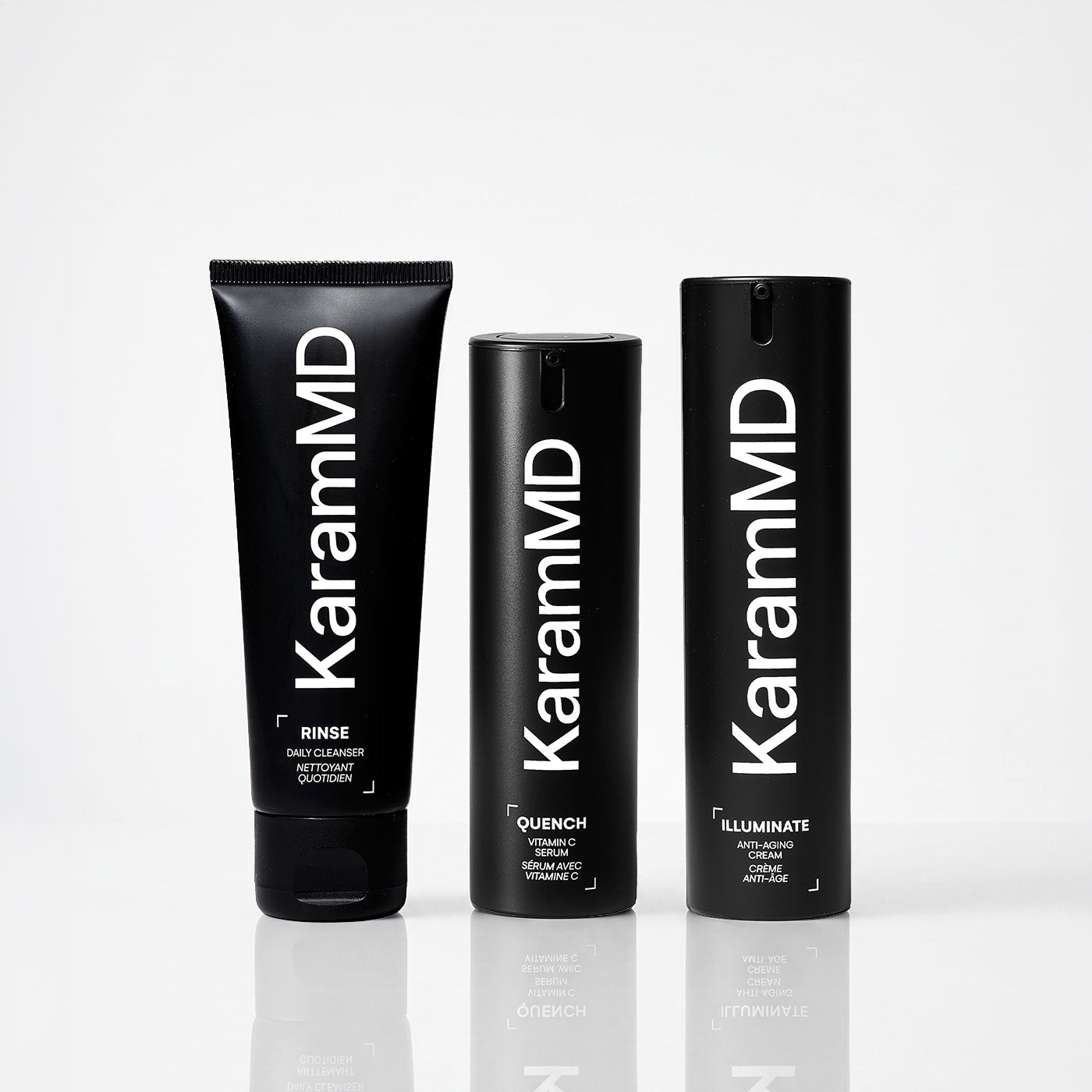
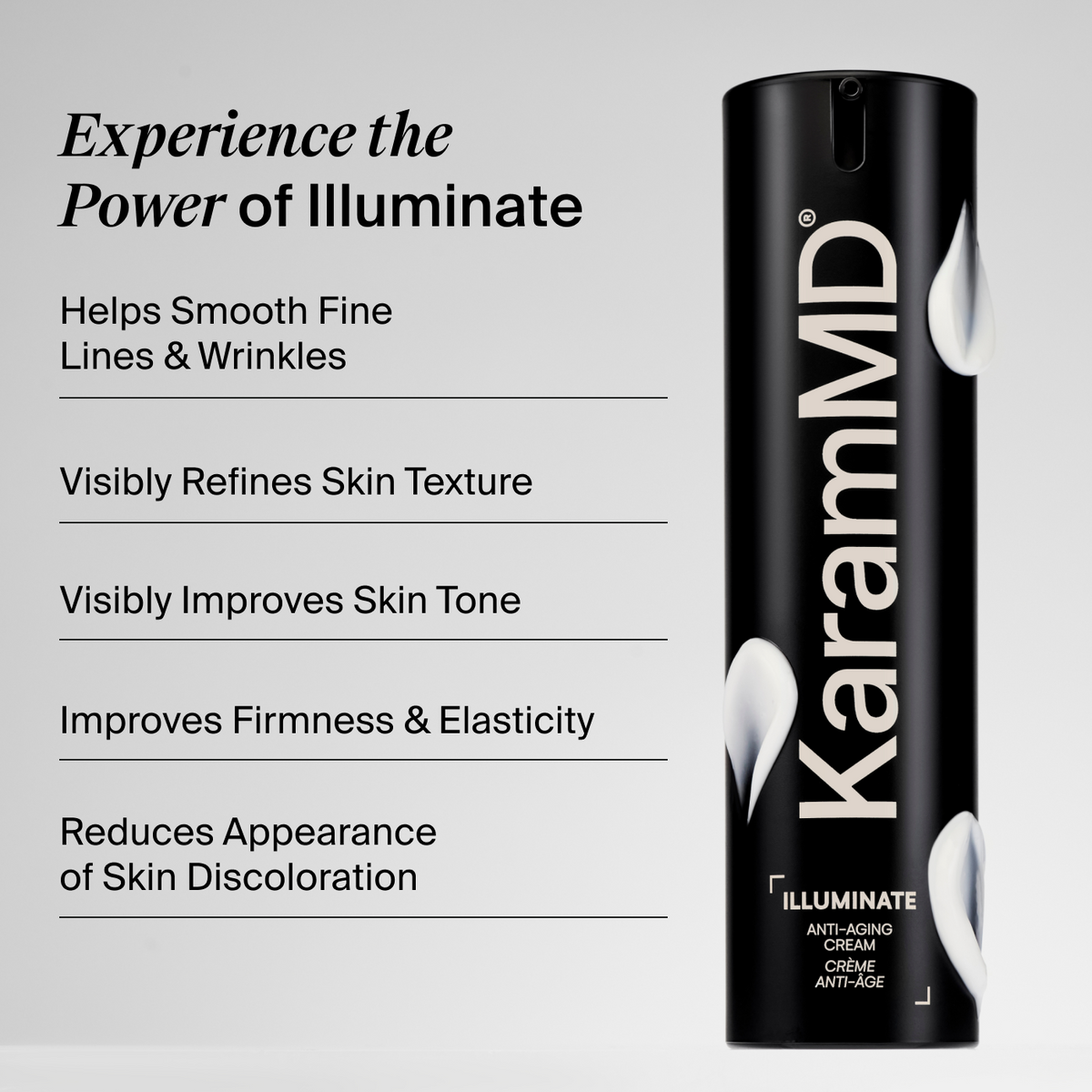
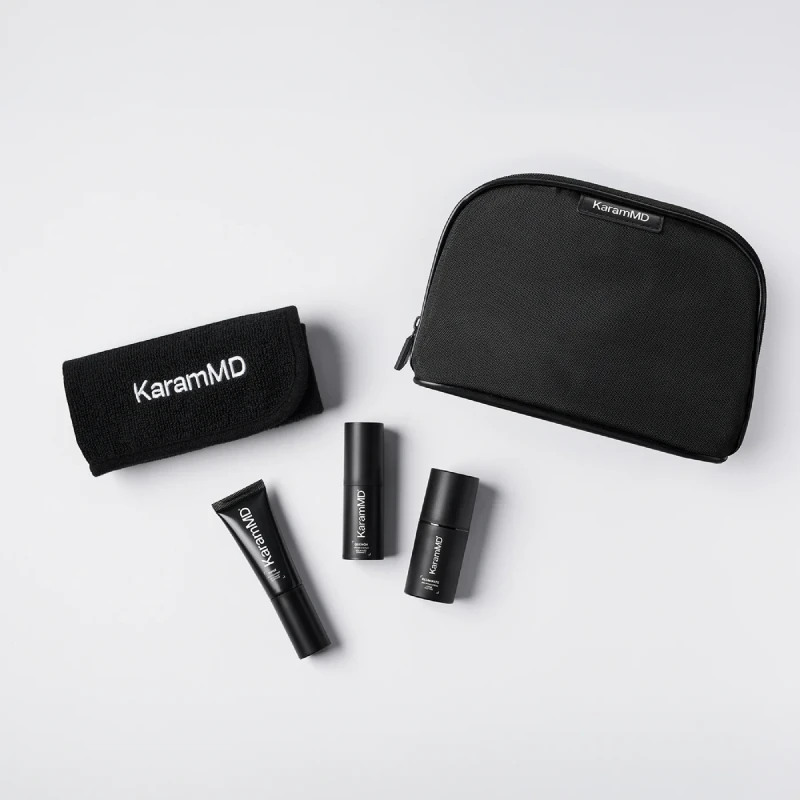
However, sunscreen is only half of the equation. To age well, skin also needs proven ingredients used consistently, morning and night. That’s why I formulated the Trifecta, a 3-step routine designed to make effective skincare simple enough to stick with. It bundles all of the essential anti-aging ingredients your skin needs into 1 system that fits real life.

Frequently Asked Questions

Do You Need Sunscreen If the Sun Isn’t Out?
Plus Icon Minus Icon

Yes. UV rays are still present even when the sun isn’t visible to the naked eye. Cloud cover doesn’t eliminate UV exposure, especially UVA rays that cause skin aging.

Should You Wear Sunscreen Every Day Regardless of the Weather?
Plus Icon Minus Icon

Daily sunscreen use is one of the most effective ways to protect against cumulative sun damage and premature aging, regardless of the season or weather forecast.

Can UV Rays Penetrate Clouds?
Plus Icon Minus Icon

UV rays can penetrate clouds. In fact, up to 80% of UV rays pass through cloud cover, which means your skin is still exposed on overcast, gloomy days.

Does Sunscreen Matter in Winter?
Plus Icon Minus Icon

Wearing sunscreen does matter in winter. UV exposure continues year-round, and snow can especially reflect UV rays, increasing exposure to the face.

Is SPF 30 Enough on Cloudy Days?
Plus Icon Minus Icon

SPF matters, but broad-spectrum protection matters more. A sunscreen should protect against both UVA and UVB rays to truly support long-term skin health.

Can You Get Sun Damage Indoors?
Plus Icon Minus Icon

Yes, you can still get sun damage indoors. UVA rays can pass through windows, which means prolonged indoor exposure to sunlight can still contribute to skin aging.

Amir Karam MD

Board Certified Facial Plastic Surgeon
Founder / Creator of KaramMD Skin

Dr. Amir Karam is a world-renowned facial plastic surgeon specializing in facial and skin rejuvenation. With over two decades of experience, he has helped countless patients achieve a naturally youthful, refreshed appearance. As an innovative surgeon, researcher, textbook author, and speaker, he is a leading authority in his field. Beyond performing surgical procedures that restore a youthful facial shape, he emphasizes the importance of skin quality, ensuring a comprehensive approach to facial rejuvenation. As the founder of KaramMD Skin, he is dedicated to making advanced skincare simple, effective, and accessible—helping you look as young as you feel.

1 comment

Shucks

I’m 75y. From last year I am getting ugly wrinkles near my mouth and a Cockerell neck or turkey neck. It’s awful
I started on cleansing-retinol seru-olay moisturizer-collagen peptide -sunscreen from 20 May 2024. But the wrinkles are still there.
Expecting a replyASAP
Thankyou
Isthum


———
KaramMD Skin replied:
> Hello Isthmus—Thank you for taking time to read and respond to the Journal. It’s great to hear you started using a collagen peptide sunscreen this year. Our best advice is to stick with it! Restoring your skin back to a more youthful state is going to take commitment and consistency. If you are really serious about anti-aging, we highly recommend the Trifecta, because it has everything you need in one comprehesive routine: Retinol and peptides, alongside Vitamin C, Niacinamide, Hyaluronic acid, and over 20 other actives ingredients to help with fine lines and wrinkles, skin tone, and improving the overall health of your skin. However, if you have laxity and sagging, unfortunately no amount of skincare is going to be able to restore that. I recommend reading Dr. Karam’s article, "Skincare First: The Key to Successful Surgical Results” to help clarify what skincare can do, and what is typically beyond skincare; for example, a sagging neck can not usually be addressed with skincare alone. But, sticking with your routine and sunscreen is an excellent place to start! You can also visit a skin care specialist to see if they recommend any office treatments for the wrinkles that are bothering you. There are lots of options for you to eventually feel more confident about your skin, as long as you have realistic expectations and patience! We hope this helps, and if you have any other questions, please feel free to reach out to customerservice@karammdksin.com <mailto:customerservice@karammdksin.com> anytime!

> >

Leave a comment

All comments are moderated before being published.

This site is protected by hCaptcha and the hCaptcha Privacy Policy and Terms of Service apply.