


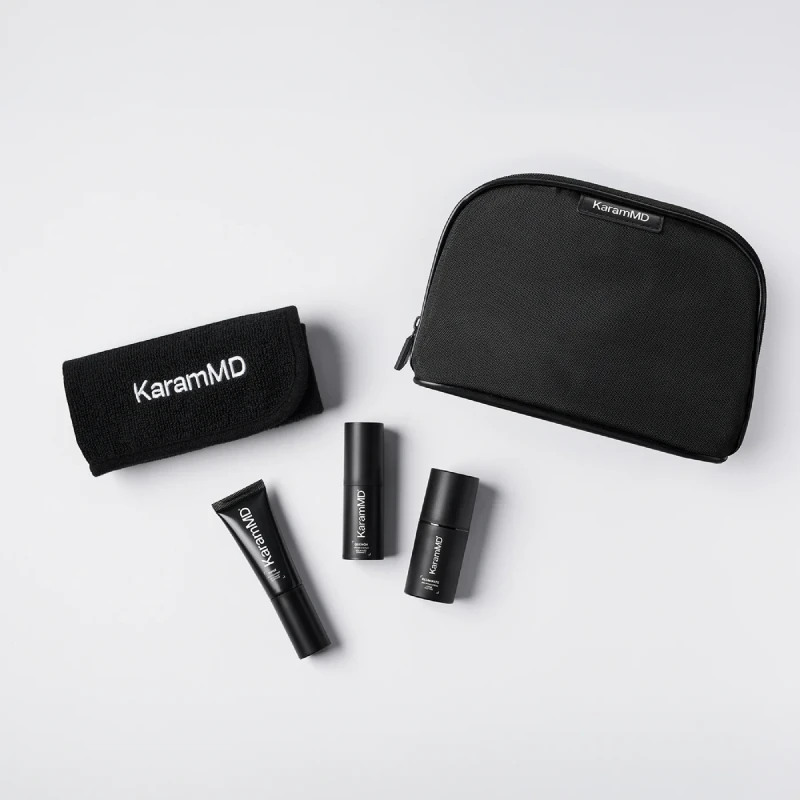
How Oils Support Different Skin Types
Every skin type asks something different from an oil. Here’s what to look for:

Written by Founder, Amir Karam MD

The right oils don’t overwhelm the skin's surface. They help it settle and balance out – whether you’re oily, dry, sensitive, or somewhere in between.
Oils are often misunderstood, especially in oily skin. But sebum isn't a design flaw. It’s part of your skin’s protective system, working to keep water in, irritants out, and the surface environment stable. When you strip skin, you don’t “fix” oiliness; you remove one of the tools it uses to protect itself, and skin often responds the only way it knows how: by compensating.
This means more oil, more fluctuation, more of that feeling that skin can’t make up its mind.
The goal isn’t to eliminate oil – it’s to create balance. Balanced skin means steady, able to hold onto hydration, tolerate the basics, and stay calm without tipping into shine or breakouts.
That’s where oils can help – when they’re chosen well and formulated with purpose. Some oils work with your skin, absorbing cleanly and supporting the equilibrium your skin is trying to restore. Others coat the surface, giving a temporary slick finish that feels nice for an hour but doesn’t change what’s happening underneath. And some are just too heavy for daily use.
Below, I’ll break down how and why oils can support oily, dry, and sensitive skin – and what to look for so you’re not stuck experimenting in front of the mirror every morning and night.
Calming the Overcorrection
Holding Onto What You Add
Reducing Reactivity
Every skin type asks something different from an oil. Here’s what to look for:
Oily skin isn’t broken – it’s usually responding.
When you strip the surface aggressively or keep rotating “oil-control” actives, skin often pushes back the only way it can: by producing more oil. That loop can show up as midday gloss, congestion, and breakouts that feel harder to predict. The right oils can help by supporting a steadier surface environment, so oil production doesn’t have to stay on high alert.
What to prioritize:
What to avoid:
Dry skin isn’t just lacking moisture – it struggles to keep it.
When the surface doesn’t have enough supportive lipids, water evaporates quickly and skin can feel tight, rough, or easily irritated. In that state, even good hydrators don’t last because there’s nothing holding them in place. The right oils help reinforce the surface, so hydration stays put and skin feels more comfortable and protected for longer throughout the day.
What to prioritize:
What to avoid:
Sensitive skin is often less about fragility and more about instability.
When the surface is easily disrupted, everything feels louder – skincare products sting, weather shows up immediately, and recovery takes longer. Flare-ups can feel unpredictable, and even “gentle” steps can suddenly become too much for your skin. The right oils can help by supporting a calmer surface environment, so the skin doesn’t stay on edge all the time.
What to prioritize:
What to avoid:
You’ll often hear oils described as comedogenic or non-comedogenic, especially if you’re oily or breakout-prone. While the terms sound definitive, they’re more nuanced than they appear.
Comedogenic ratings are based on isolated ingredients tested under controlled conditions. They don’t account for real-world variables like formulation, concentration, frequency of use, or the current state of your skin. An oil that clogs pores for one person may be completely tolerable for another, especially when it’s part of a well-crafted formula rather than used alone.
What matters more than the label is how an oil behaves on your skin.
Oils that absorb cleanly, work with your skin’s lipids, and are used consistently tend to be better tolerated than surface-sitting oils, regardless of their rating. This is why oily and breakout-prone skin doesn’t need to avoid oils altogether. They need oils that are thoughtfully selected, properly formulated, and used in a way that supports stability rather than overload.
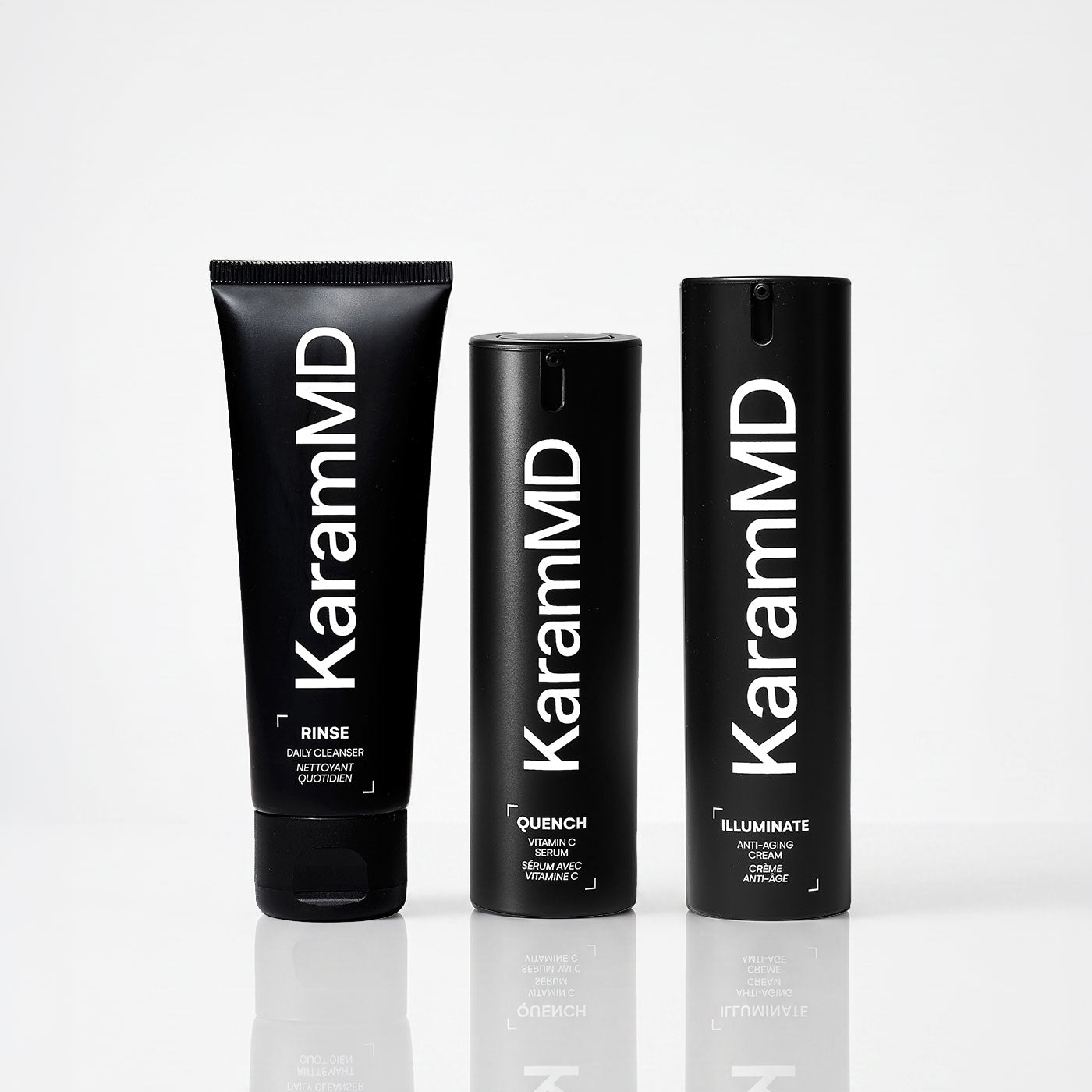
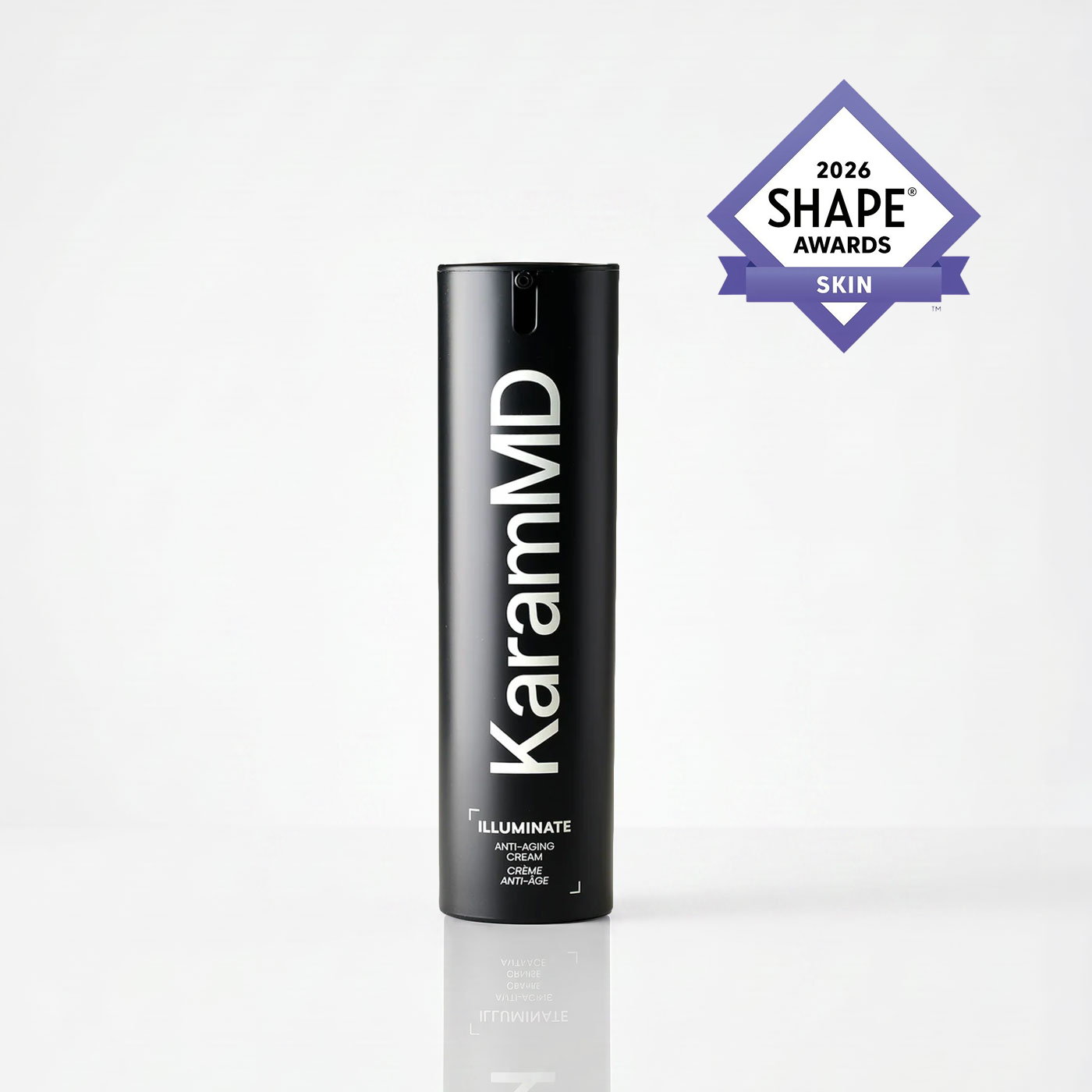
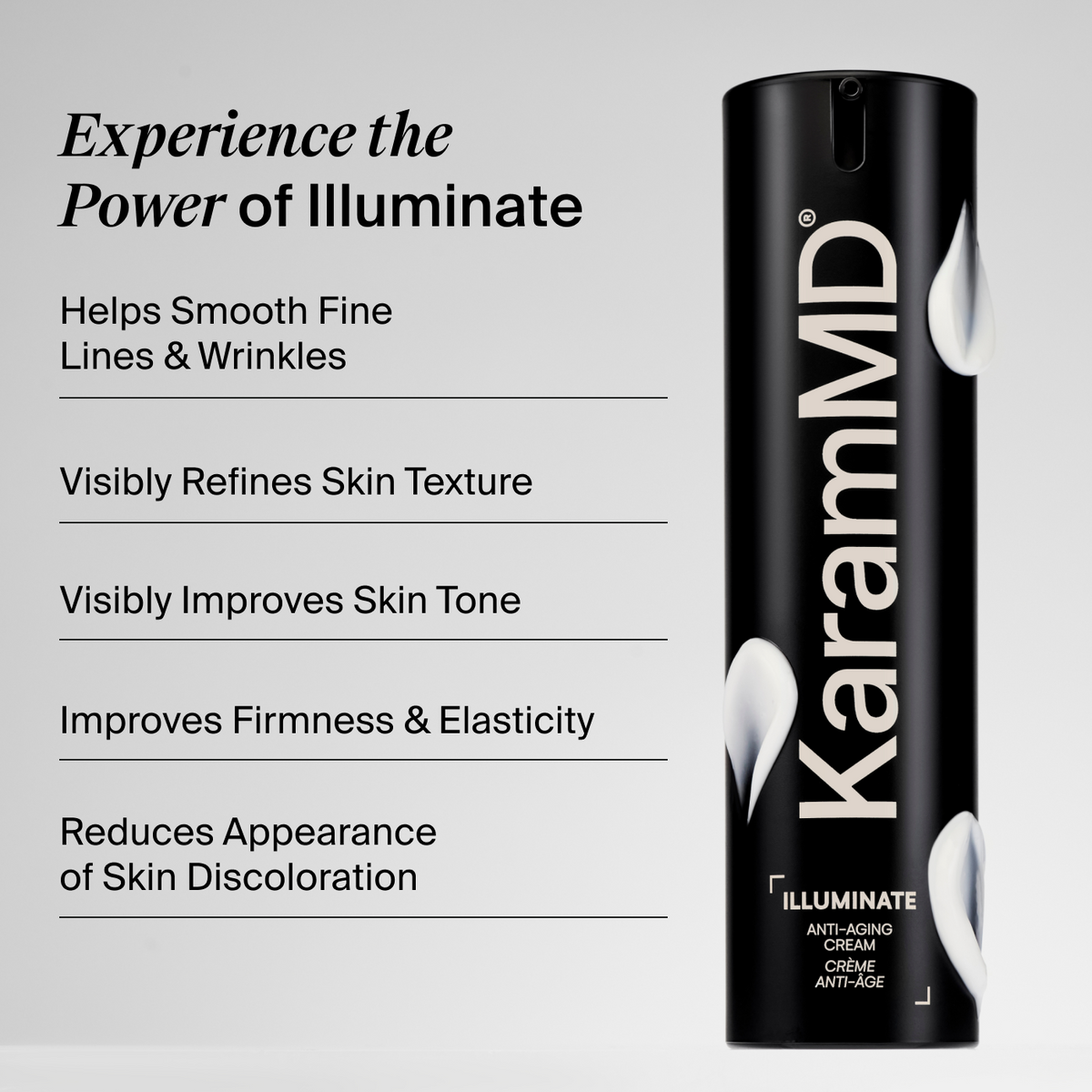
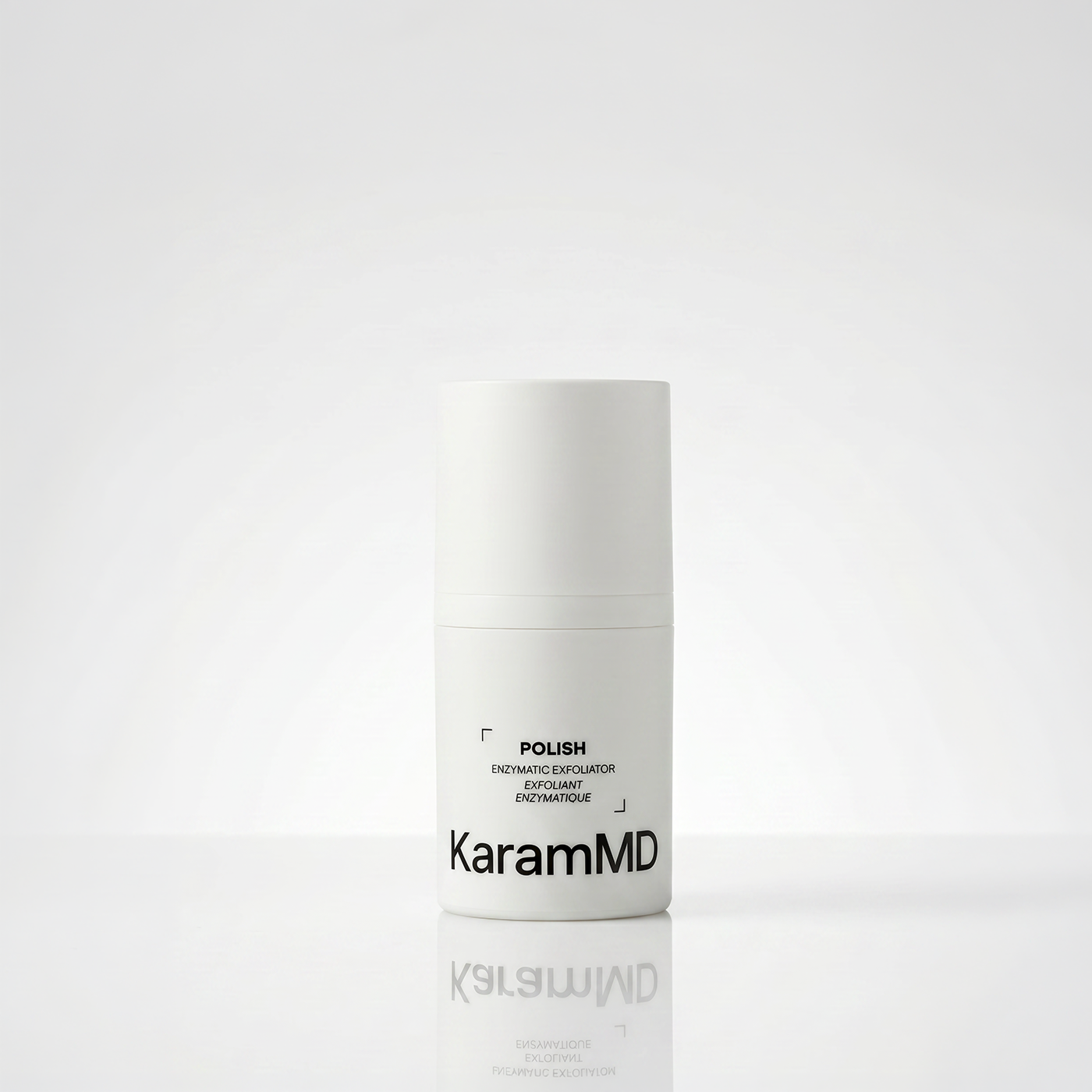
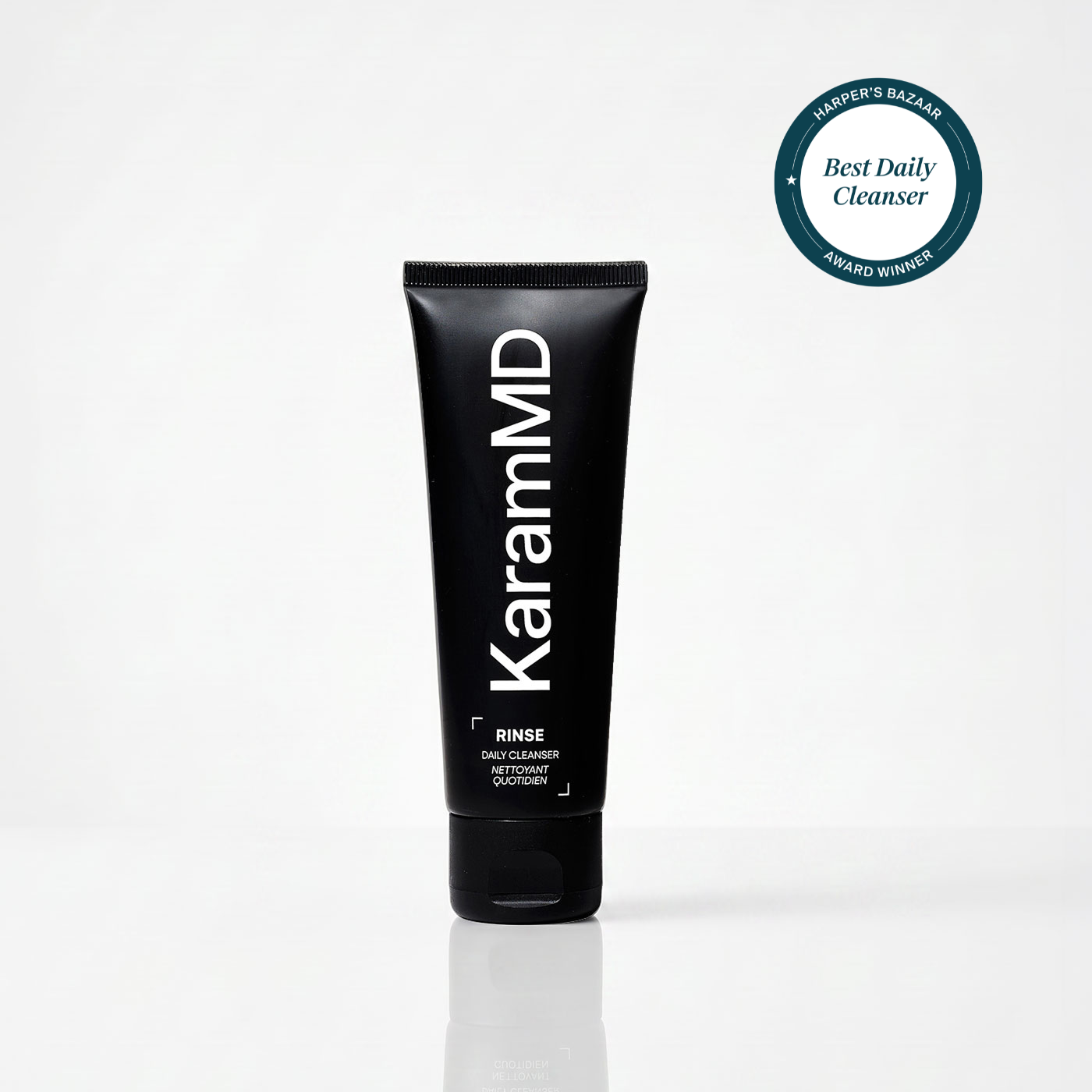
This is exactly why the oils in Trifecta were hand-selected and formulated the way they were. Not to overwhelm the skin, not to chase buzzy trends, and not to solve one problem while creating another – but to truly support skin across different types and states, day to day.
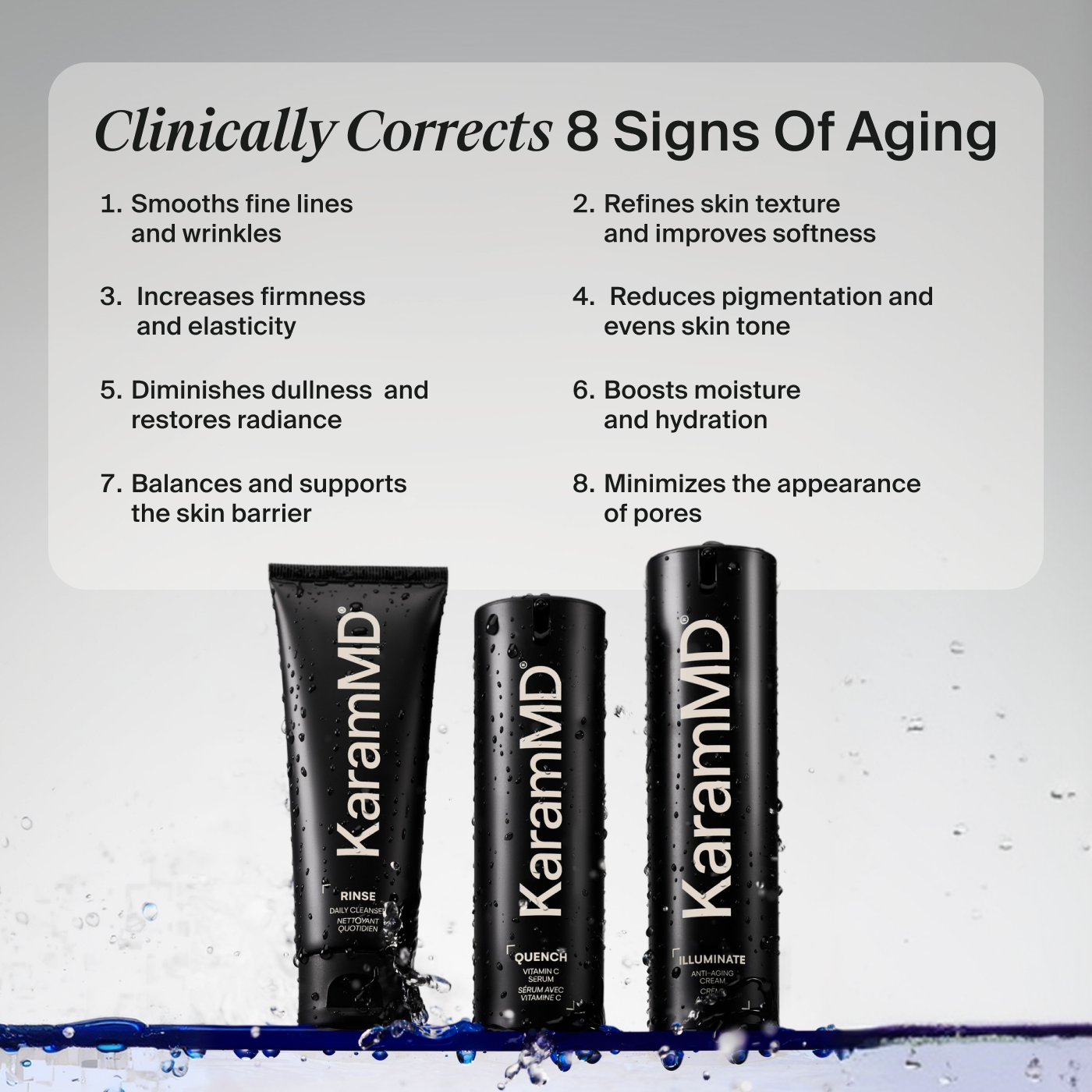
When oils are chosen with care and used consistently, they stop being something you have to second-guess. Oils help skin regulate, recover, and find its footing again. That’s the role they play in Trifecta – a 3-step AM and PM routine designed to work with your skin, not against it.
If you want to go deeper into how certain oils behave and why some help while others hinder, the Oil Guide is where to start. But if what you’re looking for is reassurance, know this: Trifecta was built to help skin rebalance, steady out, and become more predictable over time.
$429.00
Trifecta isn’t about treating skin types as opposites. It’s about supporting how skin functions at its core. The oils in Trifecta were chosen to absorb fully without residue, layer well, and work across different skin states – making it a reliable 3-step ritual for oily, dry, sensitive, and combination skin alike.







1 comment
Carole🎀🎀 CAT-LOTTA
I break out from most oil
Your doctor does not say if these products are non-congenic
Could you please tell me which products I have non-comedogenic oils in them?
Thank you very much
Carole🎀🎀
———
KaramMD Skin replied:
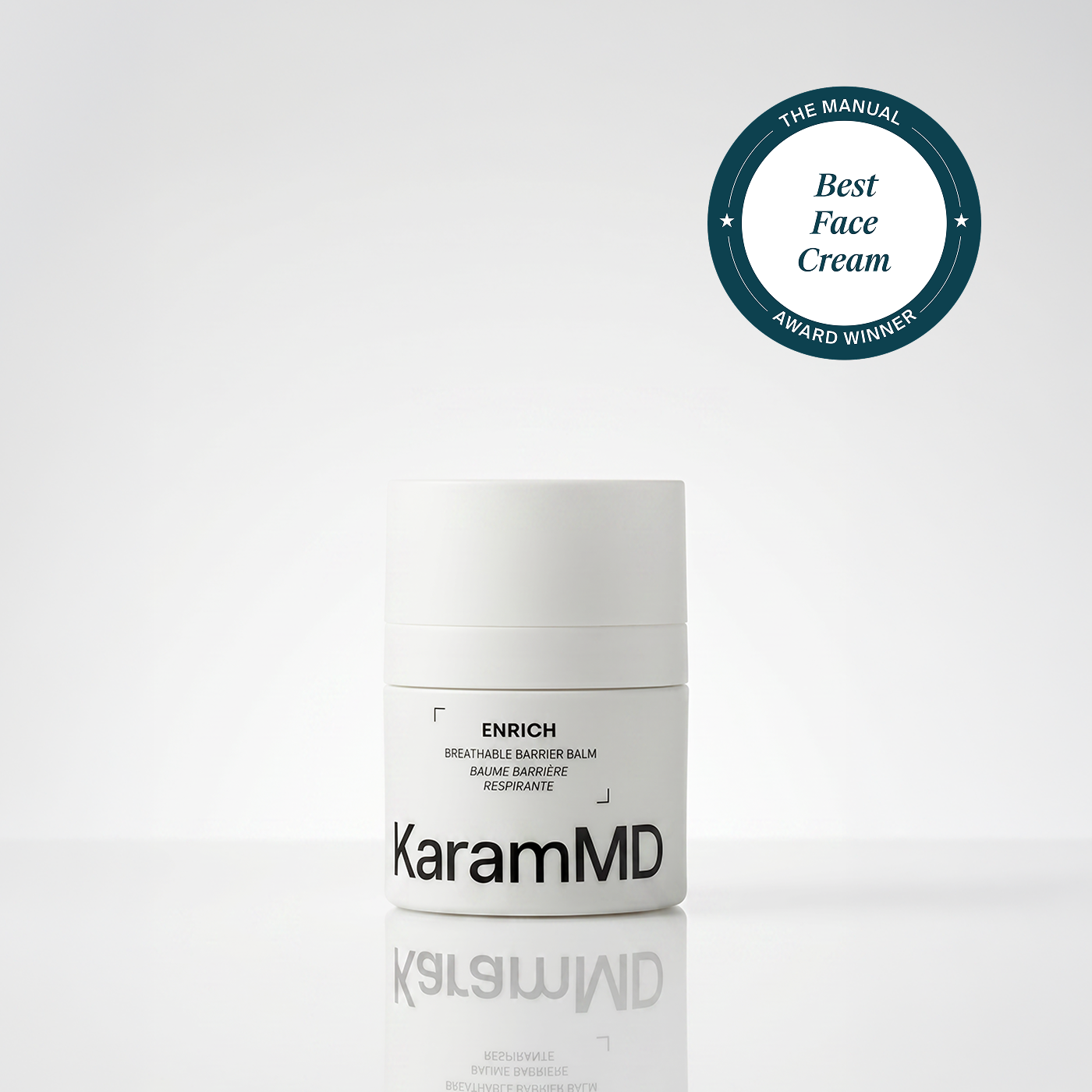
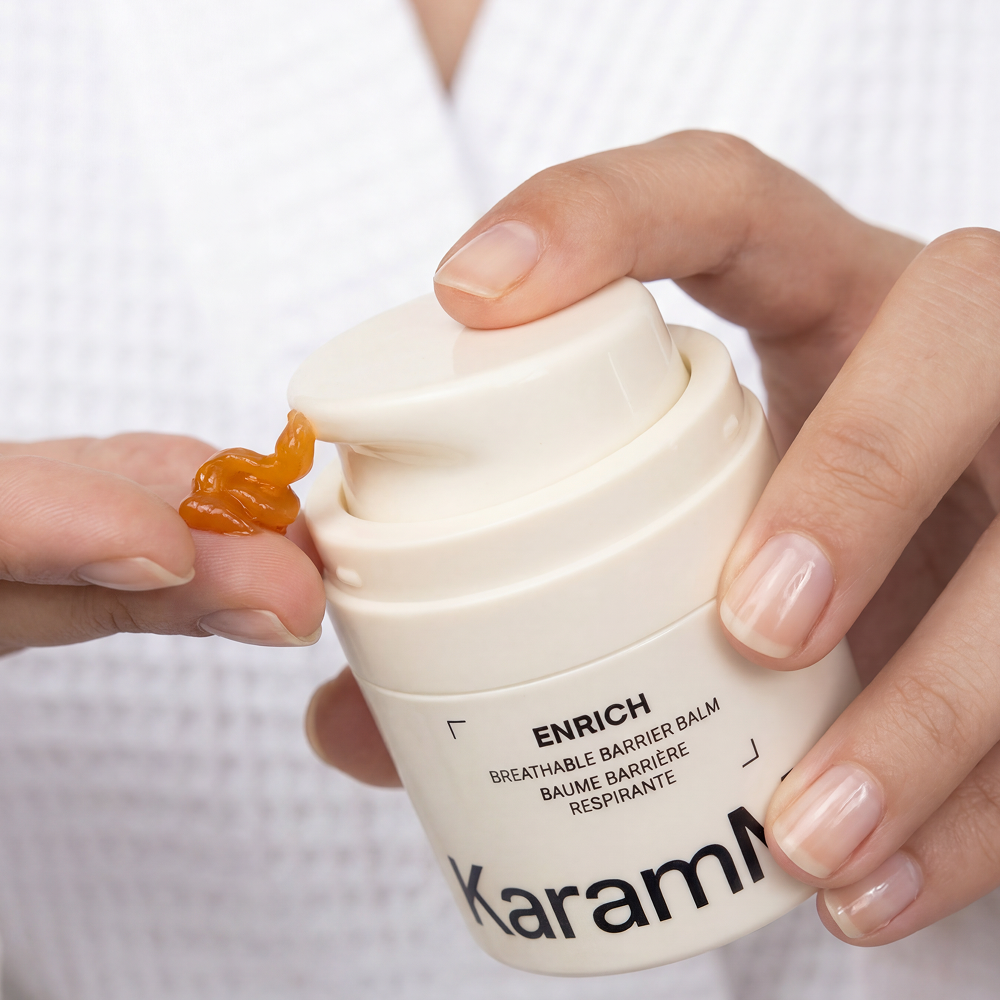
Hi Carole—Thanks for your comment! All of our KaramMD products are formulated to be non-comedogenic, meaning they’re designed not to clog pores. The Enrich may not be ideal for very acne-prone skin, as it’s a richer formula.
Leave a comment
All comments are moderated before being published.
This site is protected by hCaptcha and the hCaptcha Privacy Policy and Terms of Service apply.