Scar Solutions That Work: Backed By Science and Nature

Skin-healing scar solutions that really work, such as honey, aloe, and Allantoin

Written by Founder, Amir Karam MD

Quote Icon

As a surgeon, you can imagine I've had a lot of conversations about scars over the years.

Scars are a natural part of the body's healing process, serving as a testament to its ability to repair and regenerate. While they may mark the end of an injury, or in my case, a transformative surgical procedure, for many, scars signify the beginning of a journey towards aesthetic or emotional recovery. 

Scar creams prominently line shelves with promises of fading those unwanted reminders. But are these creams truly effective, or are we simply chasing a fleeting hope? Furthermore, are there other natural remedies that may help heal facial scars?

Let’s get into the world of scar care.

The Science Behind Scar Creams

First it’s helpful to understand what scars actually are—and why they behave differently from normal skin.

When your skin is injured—whether through a cut, surgery, or acne—the body rushes to repair the damage. This healing process happens in stages: inflammation, tissue formation, and remodeling. During this process, your body produces collagen, a fibrous protein that acts like scaffolding to close and reinforce the wound.

But here’s the catch: the collagen in scars is laid down quickly and unevenly, which is why scar tissue looks and feels different. It tends to be thicker, less elastic, and lacks key structures like oil glands and pigment cells. That’s why scars can appear drier, discolored, or raised, and why they don’t behave like normal skin.

Because of this, scar care focuses on:

Science-Backed Solutions for Scarring

Scar creams promise a range of benefits, from lightening the scar’s appearance to improving its texture. To understand their effectiveness, it's crucial to delve deeper into the ingredients that you should look for in a scar cream. 

  • Silicones: Silicones form a breathable, protective layer over the scar. This serves two primary purposes. First, it ensures the scar remains hydrated by trapping moisture. Hydrated scars tend to be softer and less pronounced. Second, silicones have been shown to regulate the production of fibroblasts and collagen, essential components in scar formation. Regular and prolonged use of silicone-based products can prevent the development of raised scars like keloids or hypertrophic scars.
  • Allantoin: Found in many scar creams, allantoin helps to soften keratin in the skin, making the skin feel smoother and more hydrated. This can be especially useful ingredient for thick or raised scars.
  • Sunscreen: Scars are vulnerable to the sun’s UV rays. Since they have a different cellular structure than regular skin, scars can darken or discolor faster when exposed to the sun. Regular application of a broad-spectrum sunscreen, preferably SPF 30 or higher, can prevent this from happening. A sunscreen with zinc oxide or titanium dioxide can provide a physical barrier, offering better protection for scarred areas.
  • Hydroquinone: For scars that have left a mark darker than the surrounding skin, hydroquinone can be a boon. It reduces the melanin production in the skin, which can lighten the darkened scar tissue. However, users should note that prolonged use can sometimes lead to skin discoloration or irritation. Therefore, it's recommended to use this under dermatological supervision.
  • Vitamin E: A popular and readily available remedy, vitamin E is a potent antioxidant. Though many swear by its efficacy, scientific research is mixed. While it can keep the skin moisturized, which can aid in flexibility and softening of the scar, there is little evidence backing up claims that vitamin E will heal scars after they’ve formed. Some older studies found that vitamin E can be beneficial if used on a wound following surgery, before scar tissue can develop, especially when used alongside other antioxidants that fight free radicals and support healing and collagen remodeling, like vitamin C.
  • Peptides: Modern scar creams may also contain peptides, small protein fragments that can signal skin to produce more collagen. Enhanced collagen production can help in the remodeling phase of scar healing, potentially refining the scar's appearance.

Treatment Considerations

The efficacy of scar creams is also influenced by consistent and timely application. Beginning treatment once a wound has healed but before it has fully matured into a scar can yield better results. 

Additionally, individuals should understand that while scar creams might lead to improvements, complete elimination of the scar is often not attainable. Factors like genetics, age, location of the scar, and depth of the original wound all play roles in how effective these treatments can be. 

In any case, consultation with a dermatologist or skincare specialist can offer personalized advice, ensuring that you are using the right products in the correct way to maximize benefits.

Natural Remedies for Scar Healing

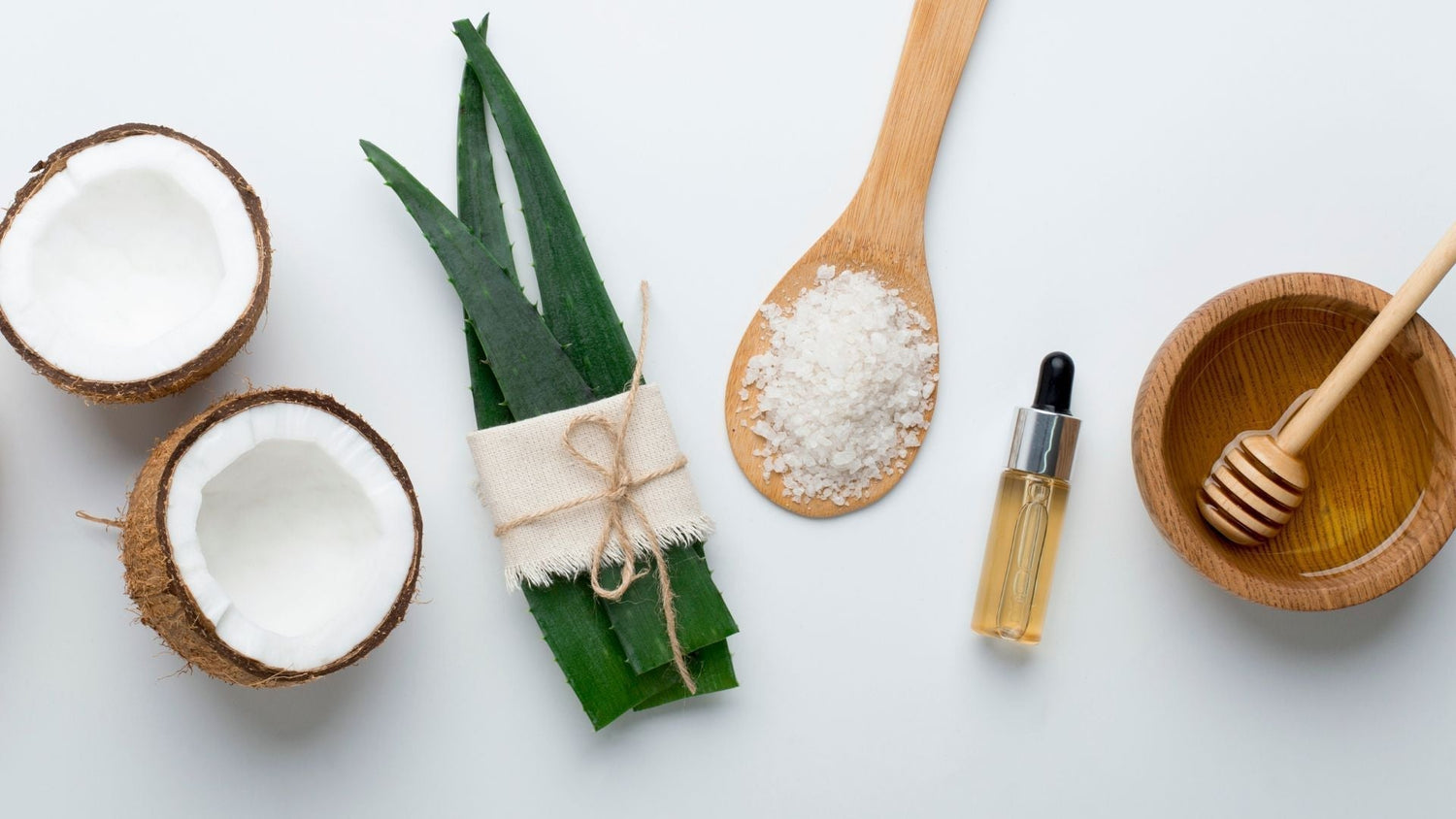
Nature has blessed us with numerous remedies that have been traditionally used to heal and improve skin ailments. When it comes to scars, especially on the face, people often lean towards natural treatments, hoping for a gentler yet effective approach. Let’s further explore these natural treatments, their benefits, and their limitations.

Natural Considerations

While natural remedies offer a more holistic approach, it’s imperative to remember that individual reactions can vary. Some might find relief and see improvements, while others might experience sensitivities. 

Make sure you wear clothing or hats to protect your scars from sun exposure to prevent further discoloration.

Be patient; natural remedies may take weeks or months for noticeable results.

Healing is a Personal Journey

The journey of scar management is deeply personal, and the approach to healing varies for everyone.

Science has made remarkable strides in understanding skin regeneration and scar formation, offering innovative treatments to improve skin texture and appearance. At the same time, natural remedies, backed by centuries of anecdotal use, provide a gentler alternative, though results can vary.

The key is to set realistic expectations.

Scars often can’t be erased completely, but with the right approach, they can be softened, lightened, and improved.

While the search for the perfect scar solution may not yet exist, it’s essential to remember that scars are part of our stories, adding depth to our narratives and resilience to our spirits. Whether you choose to embrace your scars as part of your unique journey or work toward minimizing their appearance, your choice is valid—deserving of understanding, support, and respect.

The Best of Both Worlds: A Balm That Blends Science + Nature

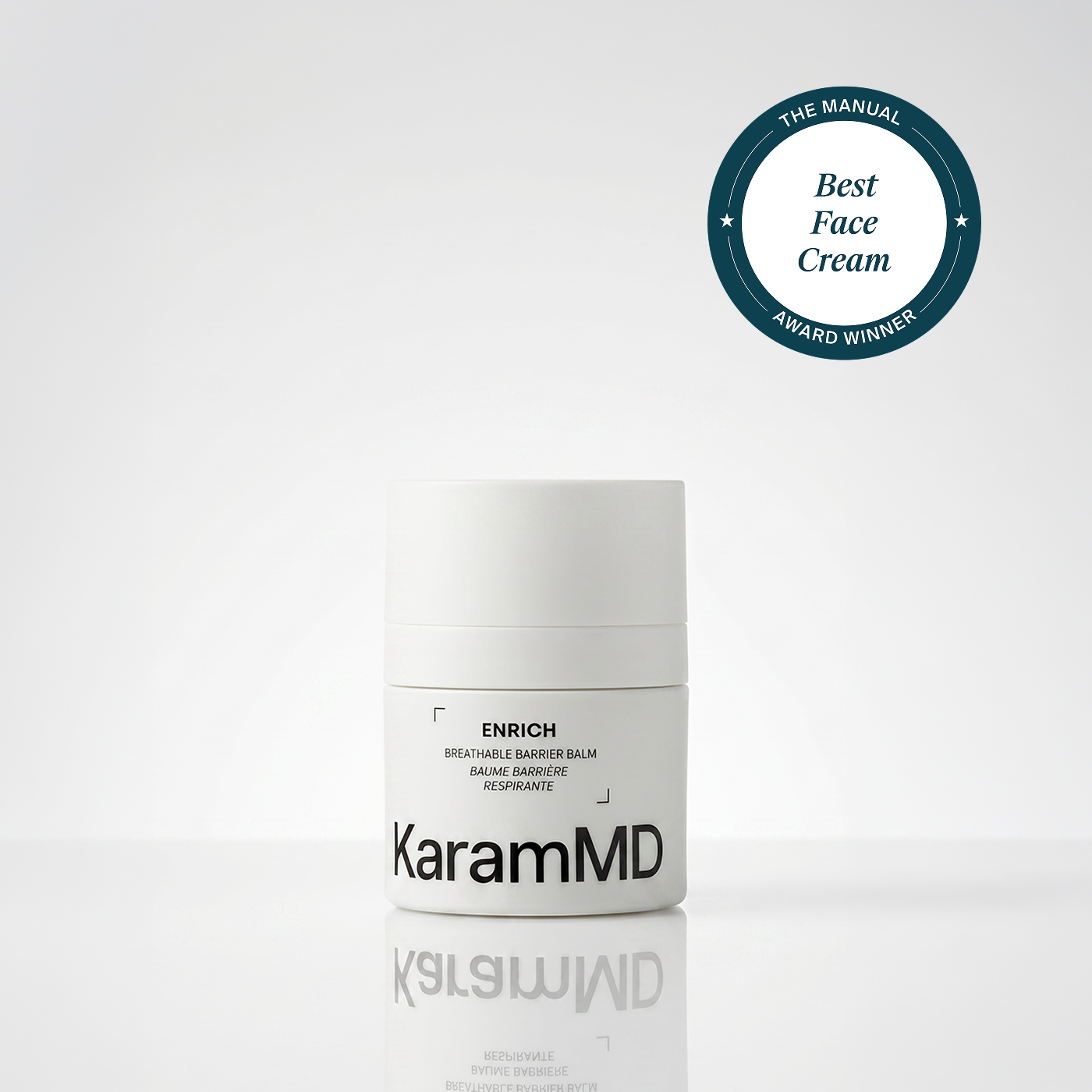
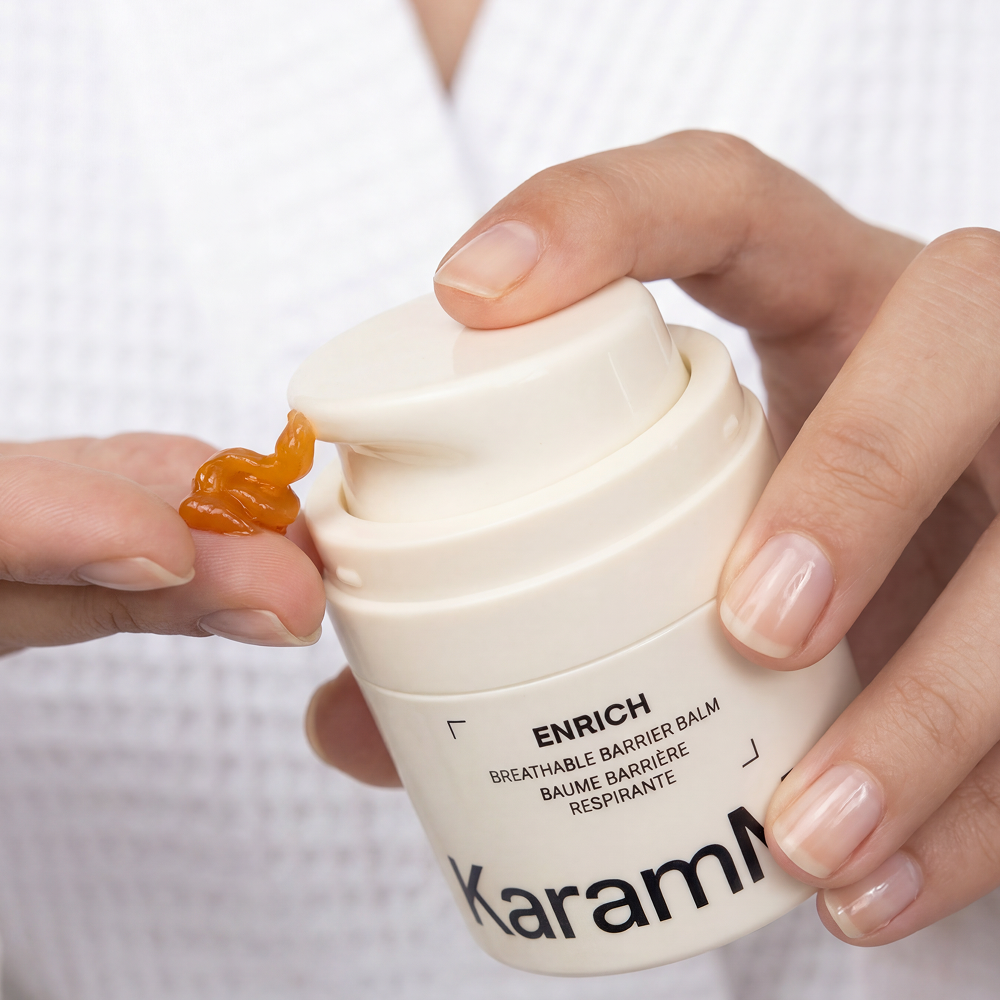
Enrich Breathable Barrier Balm isn’t just a product—it’s a thoughtful solution designed to emulate the best parts of nature and science, offering your skin what it needs to heal and thrive.

Whether your journey involves scars from surgery, acne, or life’s inevitable challenges, Enrich provides the nourishment and care your skin deserves.

Enrich

¥826.00

SHOP NOW

Enrich Breathable Barrier Balm

Enrich brings together the best of science and nature to support skin’s healing journey.

One standout ingredient in Enrich for scars and healing is Allantoin, which deeply hydrates the skin, keeping it soft and supple, soothing stressed skin, and supporting cell repair.

Enrich also creates a protective, breathable, layer over the skin, using beeswax, much like silicones to lock in moisture and prevent further irritation.

This nourishing, rich balm is also packed full of potent antioxidants that hydrate and support skin repair, and vitamin-rich natural oils to mimic the skin’s lipids, providing essential fatty acids that strengthen the skin barrier and aid in healing.

This combination of scientifically backed and naturally derived ingredients makes Enrich an exceptional choice for soothing dry, damaged, or scarred skin, helping it look and feel restored over time. 

Amir Karam MD

Board Certified Facial Plastic Surgeon
Founder / Creator of KaramMD Skin

Dr. Amir Karam is a world-renowned facial plastic surgeon specializing in facial and skin rejuvenation. With over two decades of experience, he has helped countless patients achieve a naturally youthful, refreshed appearance. As an innovative surgeon, researcher, textbook author, and speaker, he is a leading authority in his field. Beyond performing surgical procedures that restore a youthful facial shape, he emphasizes the importance of skin quality, ensuring a comprehensive approach to facial rejuvenation. As the founder of KaramMD Skin, he is dedicated to making advanced skincare simple, effective, and accessible—helping you look as young as you feel.

Leave a comment

All comments are moderated before being published.

This site is protected by hCaptcha and the hCaptcha Privacy Policy and Terms of Service apply.

Amir Karam MD

Board Certified Facial Plastic Surgeon
Founder / Creator of KaramMD Skin

Dr. Amir Karam is a renowned facial cosmetic surgeon and an authority in his field. With over two decades of experience helping patients achieve a younger, refreshed appearance. In addition to surgical procedures that sculpt a youthfully-defined facial shape, Dr. Karam takes the quality of the skin into account.