Don't Make This Summer Skincare Mistake (It's Not What You Think)

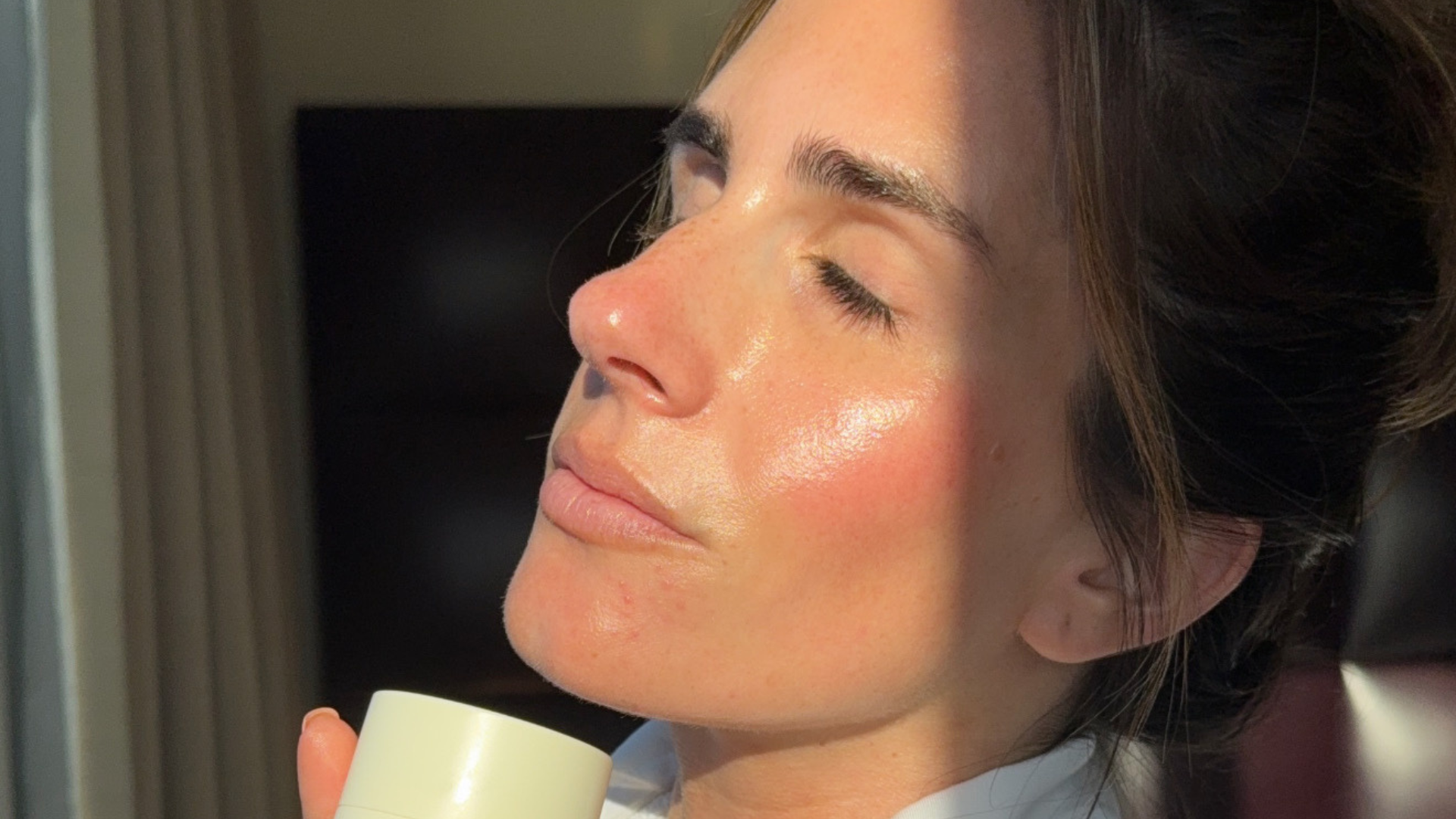
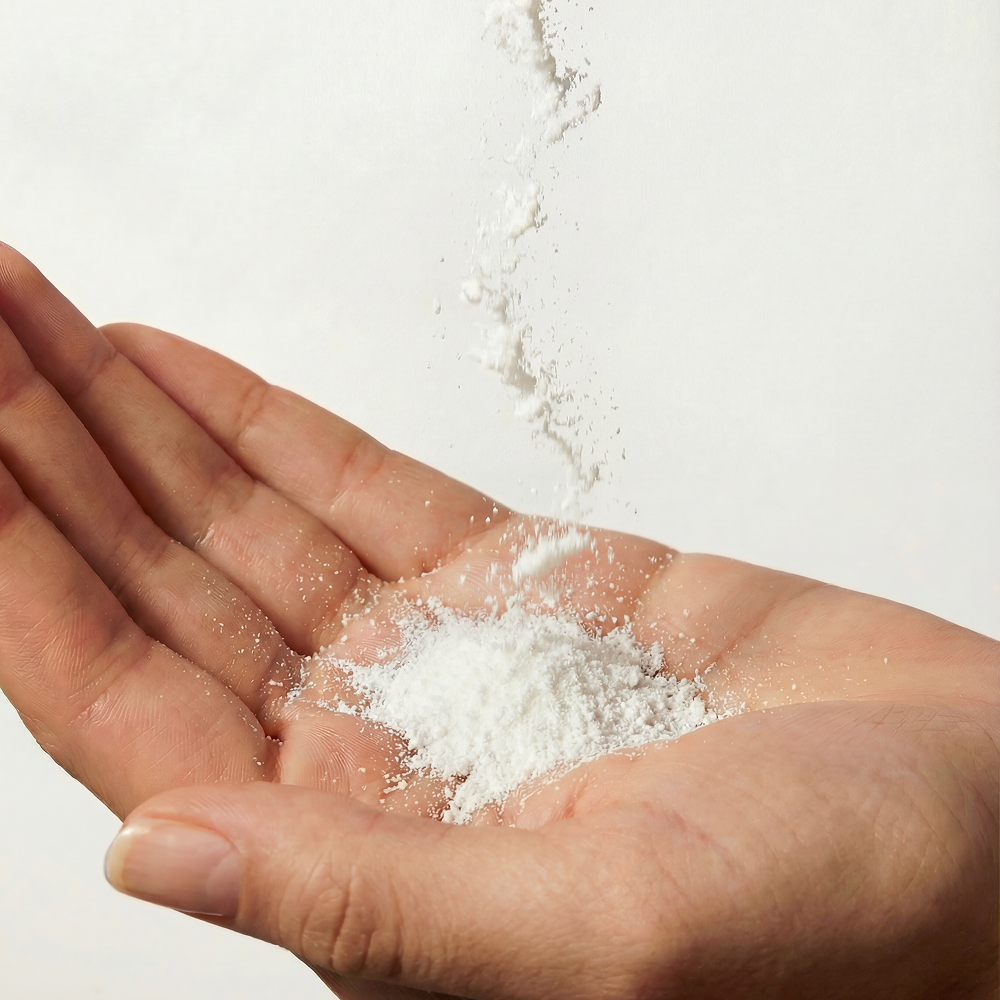
woman in summer sun, wearing sun protection, including a hat and SPF

Written by Founder, Amir Karam MD

Quote Icon

Nothing surprises me more than hearing people say they stop taking care of their skin during the season when their skin needs the most protection.

Every summer, I start hearing the same questions from patients.

"Should I stop my retinol until fall?"

"Is vitamin C too strong during summer?"

"Should I wait until winter for a chemical peel?"

"Can I get laser treatments when it's sunny outside?"

The answer is almost always the same: no.

I've spent more than 30 years helping patients rejuvenate their skin in Southern California. If summer truly made retinol, vitamin C, chemical peels, or laser treatments unsafe, these treatments wouldn't exist here.

The problem isn't summer. The problem is unprotected sun exposure.

Unfortunately, somewhere along the way, a reasonable discussion about sun protection turned into one of the most persistent skincare myths I encounter every year.

How the Summer Skincare Myth Started

Like many myths, this one began with a small amount of truth.

Many traditional retinoids and vitamin C formulations can cause irritation, particularly in people who are new to them or using stronger concentrations. If someone applies these products and then spends hours in direct sunlight without proper protection, redness and irritation can become more noticeable.

Over time, a reasonable warning about protecting your skin evolved into a much broader message: "Stop your active ingredients during summer."

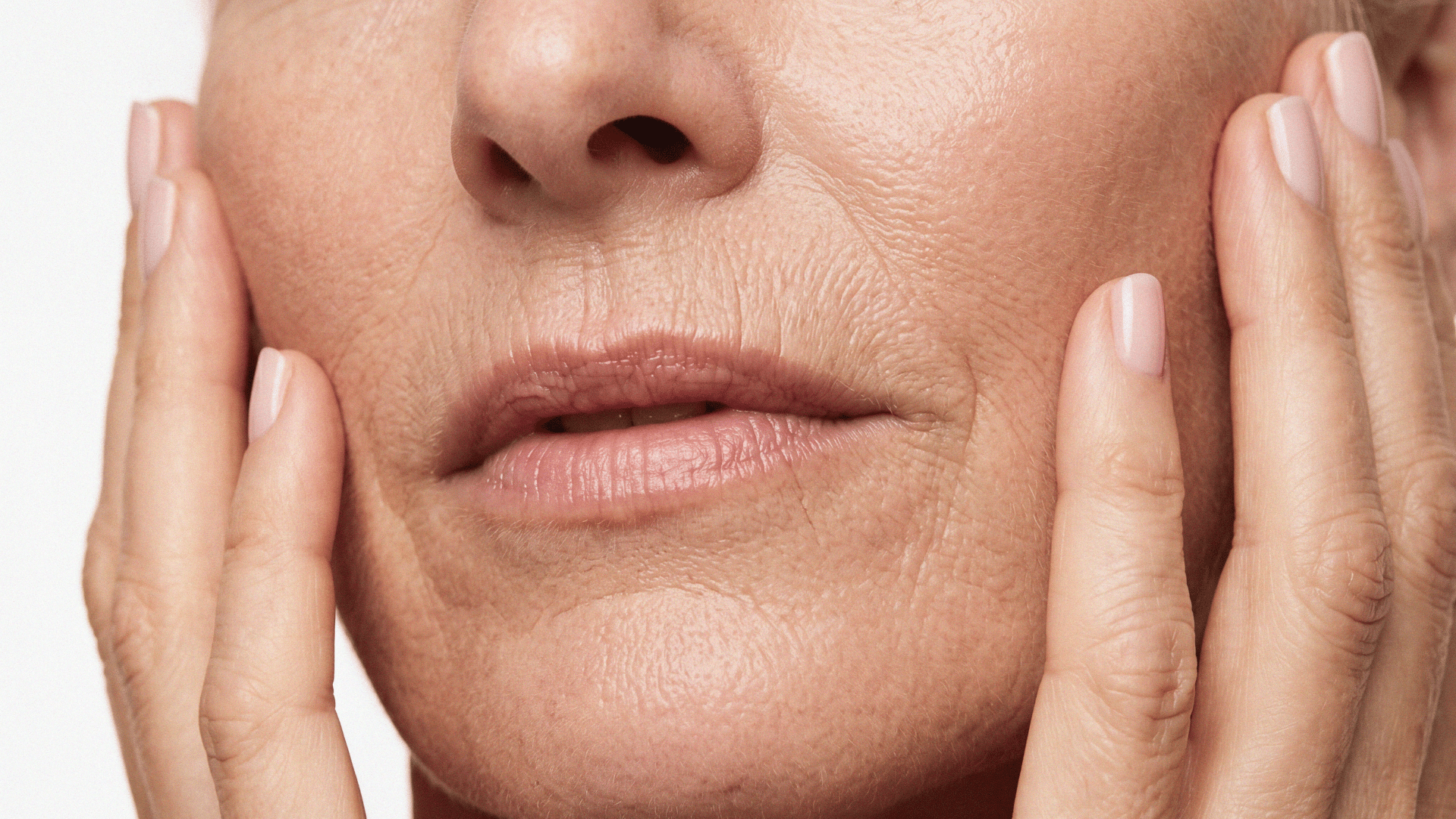
The problem is that skin aging doesn't work that way.

  • Collagen breakdown doesn't stop during summer.
  • Pigmentation doesn't stop during summer.
  • UV damage certainly doesn't stop during summer.

So why would the ingredients and treatments designed to help combat those changes suddenly become unnecessary?

The Real Issue: Sun Exposure, Not Active Ingredients

One of the biggest mistakes I see people make is focusing on the wrong problem.

  • They're worried about retinol.
  • They're worried about vitamin C.
  • They're worried about peels and lasers.

Meanwhile, they're overlooking the biggest contributor to skin aging: ultraviolet radiation.

The sun remains the primary driver of collagen breakdown, pigmentation, uneven skin tone, loss of elasticity, and many of the visible changes we associate with aging skin.

That's why I've always found this myth somewhat backwards.

If summer is the season when UV exposure increases, shouldn't that be the time we're most committed to protecting and supporting our skin?

The goal shouldn't be to stop your anti-aging routine.

The goal should be to improve your sun-protective habits.

The Summer Skincare Questions I Hear Most Often

These are the questions I hear from patients every summer, and they all come back to the same principle: your skin does not need less support during summer. It needs smarter protection.

Once we understand that the real concern is sun exposure, not the ingredients or treatments themselves, the conversation becomes much clearer.

01.

Can You Use Retinol During Summer?

Absolutely.

This is probably the most common summer skincare question I receive.

Retinol and other retinoids help stimulate cellular turnover and support long-term remodeling processes that improve fine lines, wrinkles, texture, pigmentation, and overall skin quality.

Those benefits accumulate gradually over time.

When people stop retinol every summer and restart every fall, they repeatedly interrupt that process. Many also find themselves re-entering the adjustment phase each year.

What matters isn't avoiding retinol. What matters is using retinol responsibly.

That means:

  • Wearing broad-spectrum sunscreen daily
  • Wearing hats and protective clothing outdoors
  • Seeking shade whenever possible
  • Choosing formulations that are well tolerated
  • Avoiding excessive, unprotected sun exposure

If your retinol routinely causes significant irritation despite good sun-protective habits, it may be time to reconsider the formulation—not abandon active ingredients altogether.

02.

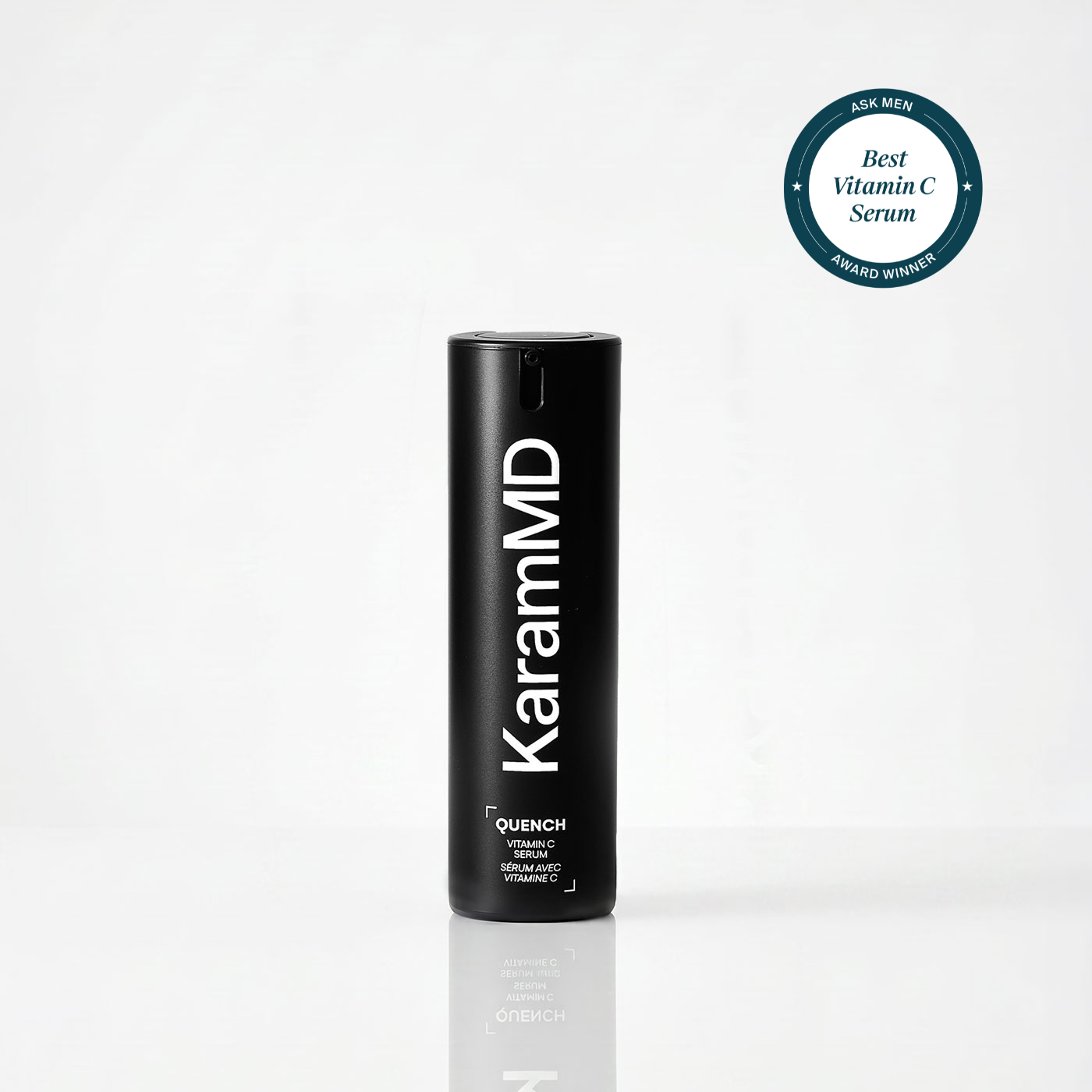
Can You Use Vitamin C During Summer?

Not only can you use vitamin C during summer, it's one of my favorite ingredients to use during periods of higher sun exposure.

Vitamin C is a powerful antioxidant that helps neutralize free radicals generated by UV exposure. Think of it as another layer of defense that works alongside sunscreen.

Sunscreen helps block UV radiation. Vitamin C helps address some of the oxidative stress that still occurs despite good sun protection.

The misconception likely comes from the fact that vitamin C itself can be unstable when exposed to light and air.

That doesn't mean it shouldn't be used during summer. It simply means formulation quality matters.

Morning vitamin C followed by sunscreen remains one of my favorite combinations for long-term skin health.

03.

Can You Get Chemical Peels During Summer?

Yes.

I've heard this myth for decades.

If chemical peels couldn't be performed during summer, they would barely exist in Southern California.

The reality is that chemical peels can be safely performed throughout the year. The determining factor isn't the season. It's patient behavior.

If you are undergoing peels in the summer, you need to:

  • Minimize unnecessary sun exposure
  • Follow post-treatment instructions
  • Allow the skin to heal properly
  • Use diligent sun protection throughout recovery

The issue isn't the time of year. The issue is whether you're protecting the healing skin.

04.

Can You Have Laser Treatments During Summer?

The same principle applies to laser treatments.

Many patients are surprised when I tell them that laser resurfacing can be performed year-round.

The concern has never been the season itself. The concern is excessive sun exposure before and after treatment.

Patients should avoid tanning, minimize unnecessary UV exposure, and allow their skin to heal appropriately after treatment.

Once healing has occurred, sunscreen, hats, sunglasses, shade, and protective clothing become critical.

The calendar doesn't determine success.

Patient behavior does.

What My Wife Taught Me About This Myth

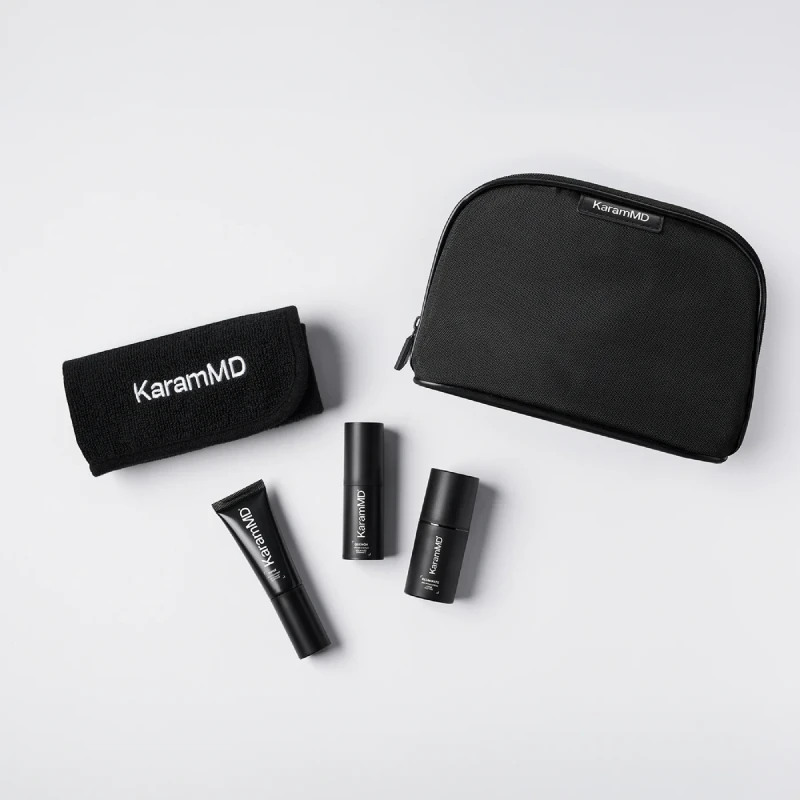
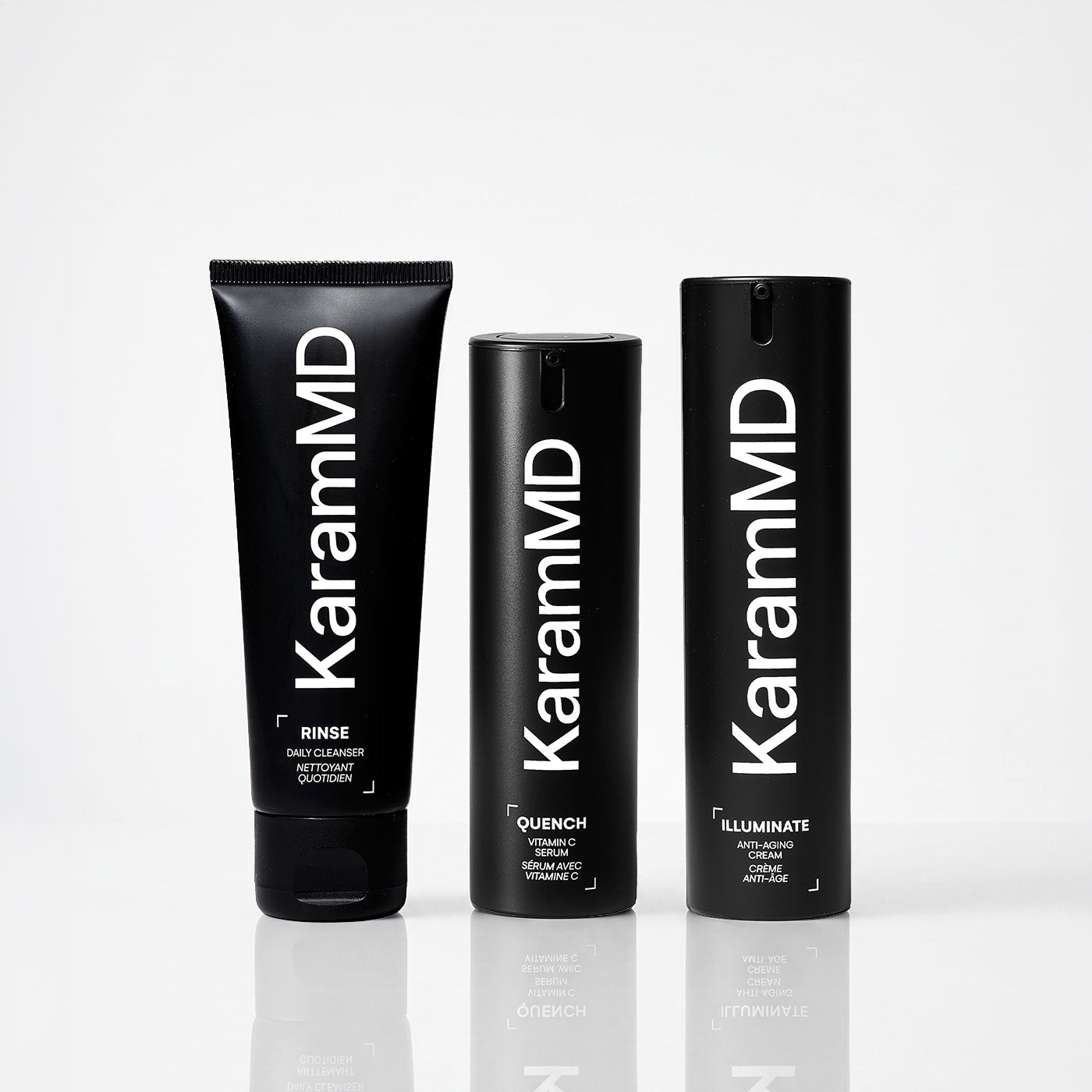
Before switching to the KaramMD products, my wife spent roughly 15 years using full-strength retinoids and vitamin C. She also spends far more time outdoors than most people.

For years she regularly spent multiple hours each day walking, hiking, exercising outdoors, attending our sons' sporting events, and enjoying an active Southern California lifestyle.

She never stopped using her active ingredients.

Not during summer. Not during vacations. Not during sports seasons.

What she did do was take sun protection seriously.

She wore hats. She sought shade. She used sunscreen consistently. She understood that the solution wasn't avoiding active ingredients. The solution was protecting her skin from unnecessary UV damage.

That distinction matters.

Why Consistency Matters More Than Seasons

One of the most important lessons I've learned throughout my career is that skin responds to consistency.

  • The same principle applies to exercise.
  • The same principle applies to nutrition.
  • The same principle applies to healthy aging.

Results are rarely created by occasional bursts of effort. They're created by steady, daily habits repeated over years.

That's why I find the advice to stop active ingredients every summer so counterproductive.

You're interrupting the very process that creates long-term improvement.

Will your skin suddenly age overnight if you stop for a few months? Of course not. But repeated interruptions make it harder to build momentum.

And momentum is where many of the most meaningful long-term improvements occur.

The Real Summer Skincare Strategy

Instead of stopping your active ingredients during summer, focus on the things that actually matter:

  • Use broad-spectrum sunscreen every day
  • Wear hats and sunglasses outdoors
  • Seek shade whenever possible
  • Consider sun-protective clothing
  • Stay consistent with your active ingredients
  • Adjust formulations if irritation becomes an issue
  • Work with your physician if you have questions about specific products or treatments

Summer isn't the enemy. Unprotected sun exposure is.

Why You Shouldn't Take The Summer Off Your Skin Care

The biggest summer skincare myth isn't that retinol, vitamin C, chemical peels, or lasers are unsafe during summer.

The biggest myth is believing that these treatments are the problem.

They're not.

The real issue has always been unprotected sun exposure.

After more than 30 years helping patients care for their skin in Southern California, my advice remains simple: protect your skin from the sun, stay consistent with the ingredients that work, and remember that aging doesn't take the summer off.

Amir Karam MD

Board Certified Facial Plastic Surgeon
Founder / Creator of KaramMD Skin

Dr. Amir Karam is a world-renowned facial plastic surgeon specializing in facial and skin rejuvenation. With over two decades of experience, he has helped countless patients achieve a naturally youthful, refreshed appearance. As an innovative surgeon, researcher, textbook author, and speaker, he is a leading authority in his field. Beyond performing surgical procedures that restore a youthful facial shape, he emphasizes the importance of skin quality, ensuring a comprehensive approach to facial rejuvenation. As the founder of KaramMD Skin, he is dedicated to making advanced skincare simple, effective, and accessible—helping you look as young as you feel.

Frequently Asked Questions

Why do people think retinol shouldn't be used during summer?
This myth likely developed because retinoids can cause irritation, especially when someone is new to them or using a stronger formulation. Over time, a reasonable warning about sun protection evolved into the much broader belief that retinol should be stopped altogether during summer.

Does retinol make your skin more sensitive to the sun?
Retinol can increase irritation if skin is exposed to excessive sunlight without protection. This is why sunscreen and sun-protective habits are important. Most people can continue using retinol year-round.

Will I lose progress if I stop retinol for the summer?
You won't suddenly lose all of your results, but you may interrupt the long-term remodeling process that retinoids help support. More importantly, many people find themselves restarting the adjustment period every fall.

Should I stop vitamin C during summer?
No. Vitamin C is an antioxidant that can help protect against oxidative stress caused by UV exposure and is often especially useful during summer months.

Does vitamin C make your skin more sensitive to the sun?
No. Vitamin C does not make your skin more vulnerable to UV damage. In fact, it helps support your skin's defenses against environmental stress.

Should I stop active ingredients before going on vacation?
No. Most people can continue using their active ingredients while traveling if they maintain good sun-protective habits.

Are chemical peels safe in summer?
Many chemical peels can be safely performed year-round when patients follow proper recovery and sun-protection instructions.

Can laser resurfacing be done during summer?
Yes. The key is minimizing excessive sun exposure before treatment and protecting healing skin afterward.

What is the biggest summer skincare mistake people make?
In my experience, it's focusing on the wrong problem. People worry about active ingredients while overlooking the cumulative effects of unprotected sun exposure.

Does aging slow down during summer?
Unfortunately, no. Collagen breakdown, pigmentation, oxidative stress, and other aging processes continue year-round.

Leave a comment

All comments are moderated before being published.

This site is protected by hCaptcha and the hCaptcha Privacy Policy and Terms of Service apply.