


The 5 Active Ingredients With Clinical Evidence to Back Them
These five show up again and again in dermatology research. Each one targets a distinct cause of aging, not just a symptom of it.


Most routines are crowded with products, but lacking in ingredients. A routine can have ten steps that share the same handful of actives doing all the work, while the rest is packaging and marketing dressed up as skincare.
Marketing moves fast, and skincare routines have grown more crowded and complicated because of it. Ask ten different skincare brands what a routine is missing, and every answer will be different. Ask the clinical research instead, and the list gets far shorter.
Here's what's actually worth knowing: there are five core ingredients with the strongest evidence for reversing visible signs of aging, three categories that round out a comprehensive routine, and two critical steps that decide whether any of it works in the first place.
These five show up again and again in dermatology research. Each one targets a distinct cause of aging, not just a symptom of it.
Retinol remains the most studied topical ingredient for skin aging. It speeds up cell turnover and prompts skin cells to build new collagen and elastin. A randomized, double-blind study in Archives of Dermatology found that topical retinol measurably improved fine wrinkles in naturally aged skin after regular use. It also increased collagen production at the cellular level.
In practice, retinol is responsible for:
Since steady use is what drives results, a gentler form used every day will usually outperform a stronger one used only a few nights a week.
Not all retinol is made the same way, and the form matters just as much as the ingredient itself. Traditional, unencapsulated retinol can be harsh enough that most people need to build up slowly, or cycle on and off. That's exactly what breaks consistency and stalls results.
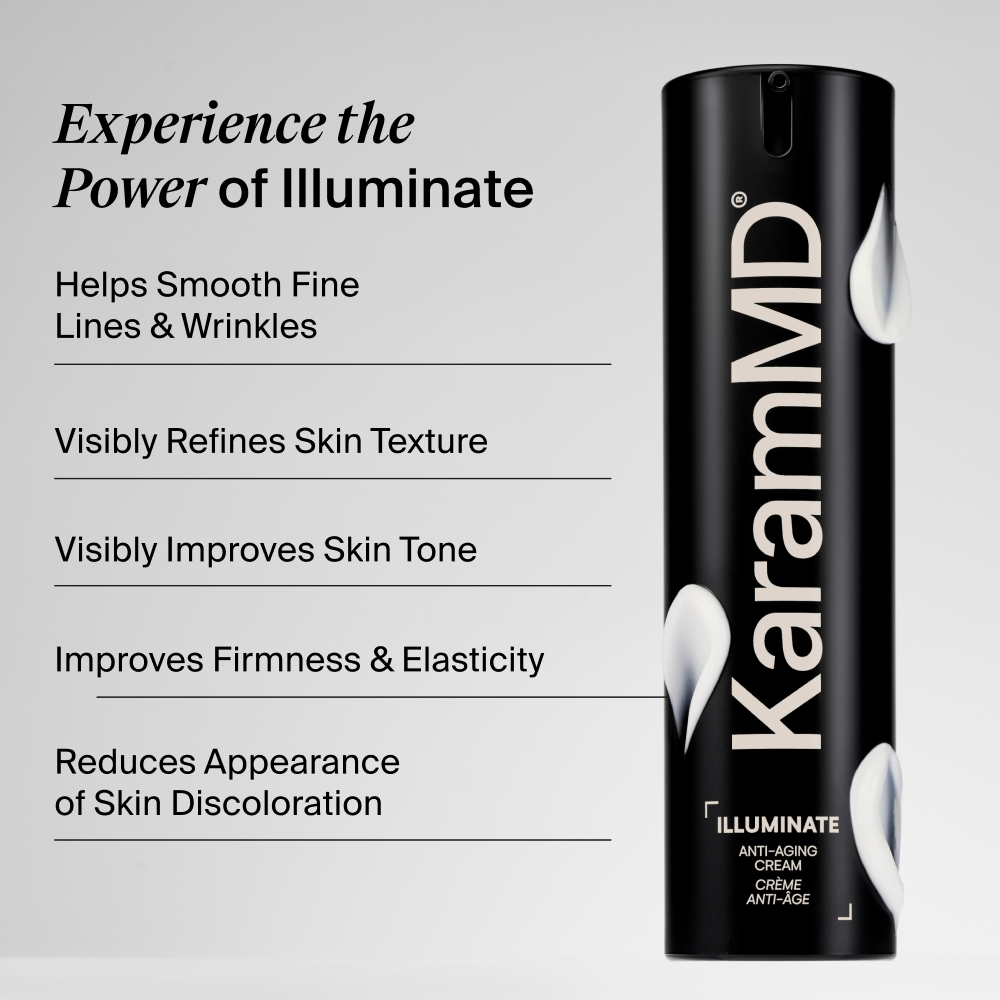
Encapsulated, slow-release retinol works differently. The active ingredient releases gradually into skin. That makes it gentle enough for daily use, even in the morning, without the redness or peeling that causes so many people to quit.
Sunscreen blocks UV rays before they reach skin. Vitamin C handles what gets through anyway. As a strong antioxidant, it neutralizes free radicals from UV and pollution exposure before they damage collagen. It also acts as a required building block in the skin's own collagen production. A double-blind, placebo-controlled study in Experimental Dermatology documented clear improvements in photoaged skin's appearance and structure after topical use of vitamin C.
Vitamin C's core benefits include:
Yes, it’s a common misconception that they can’t be used together, and in fact, you should be using both since the two work in different ways. Many people split them by time of day to avoid irritation, using vitamin C in the morning, when its antioxidant role matters most, and retinol at night, when cell turnover naturally speeds up anyway.
But using both, morning and night, works even better when possible. The key is choosing a vitamin C and retinol formulated to work together, rather than layering two products that were never designed with each other in mind.
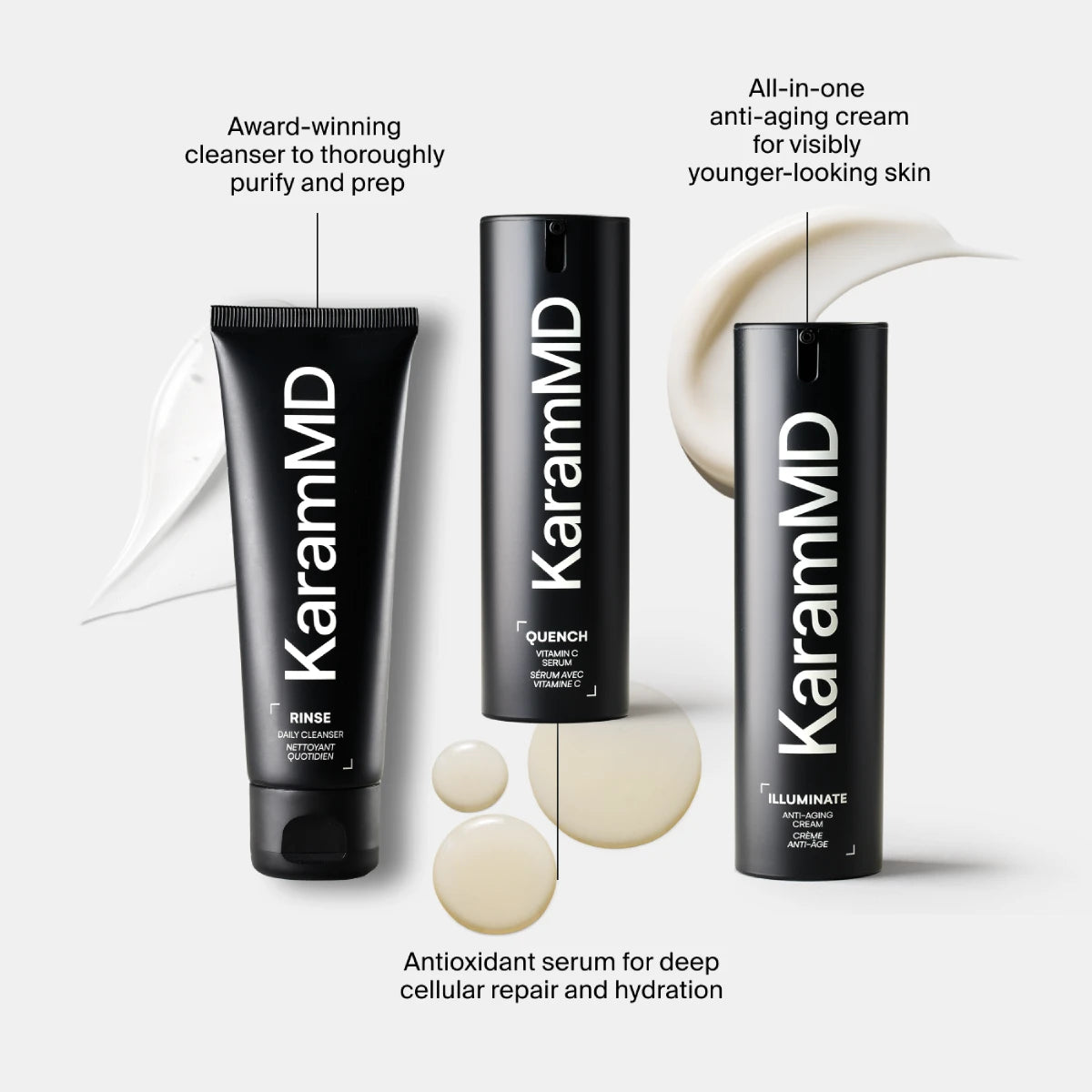
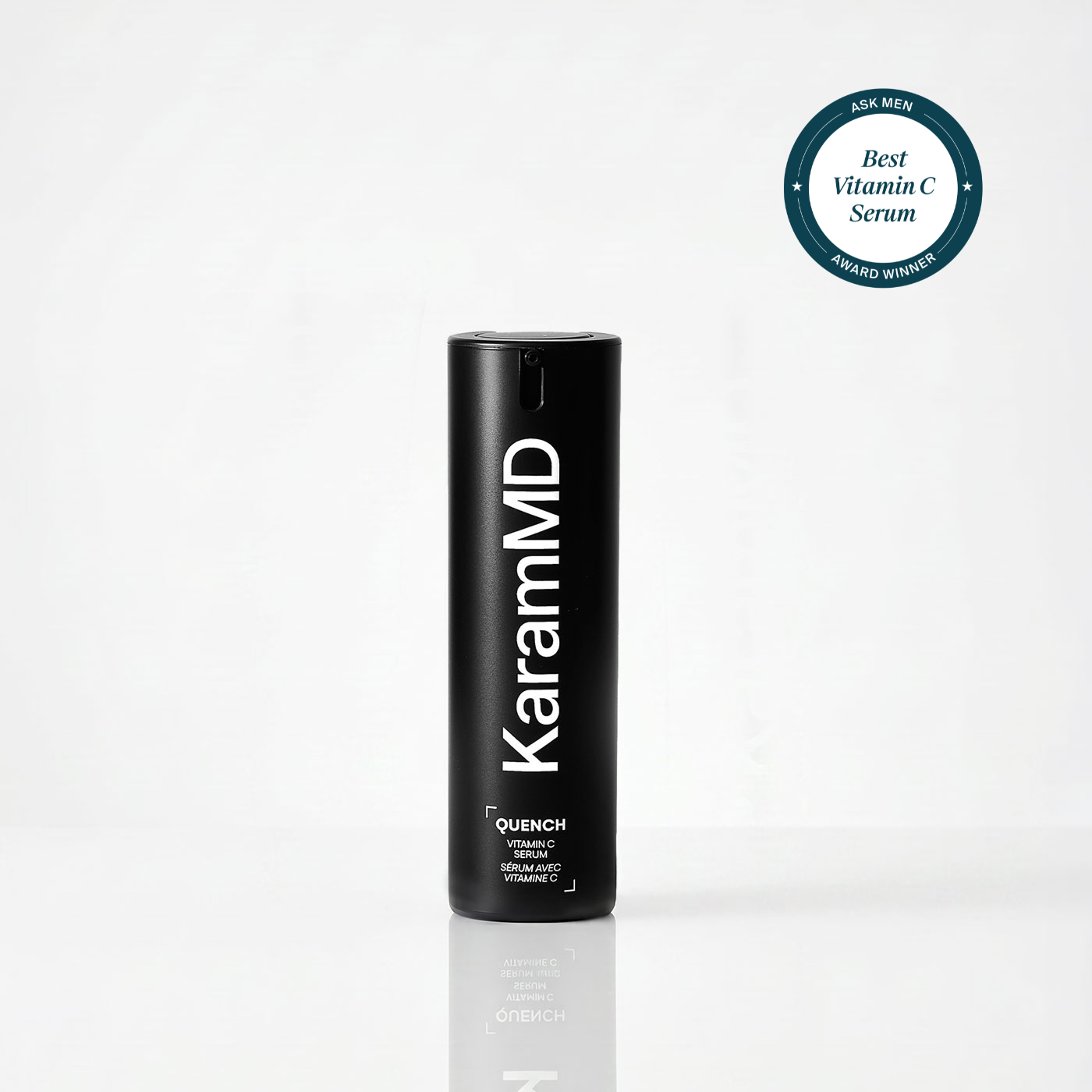
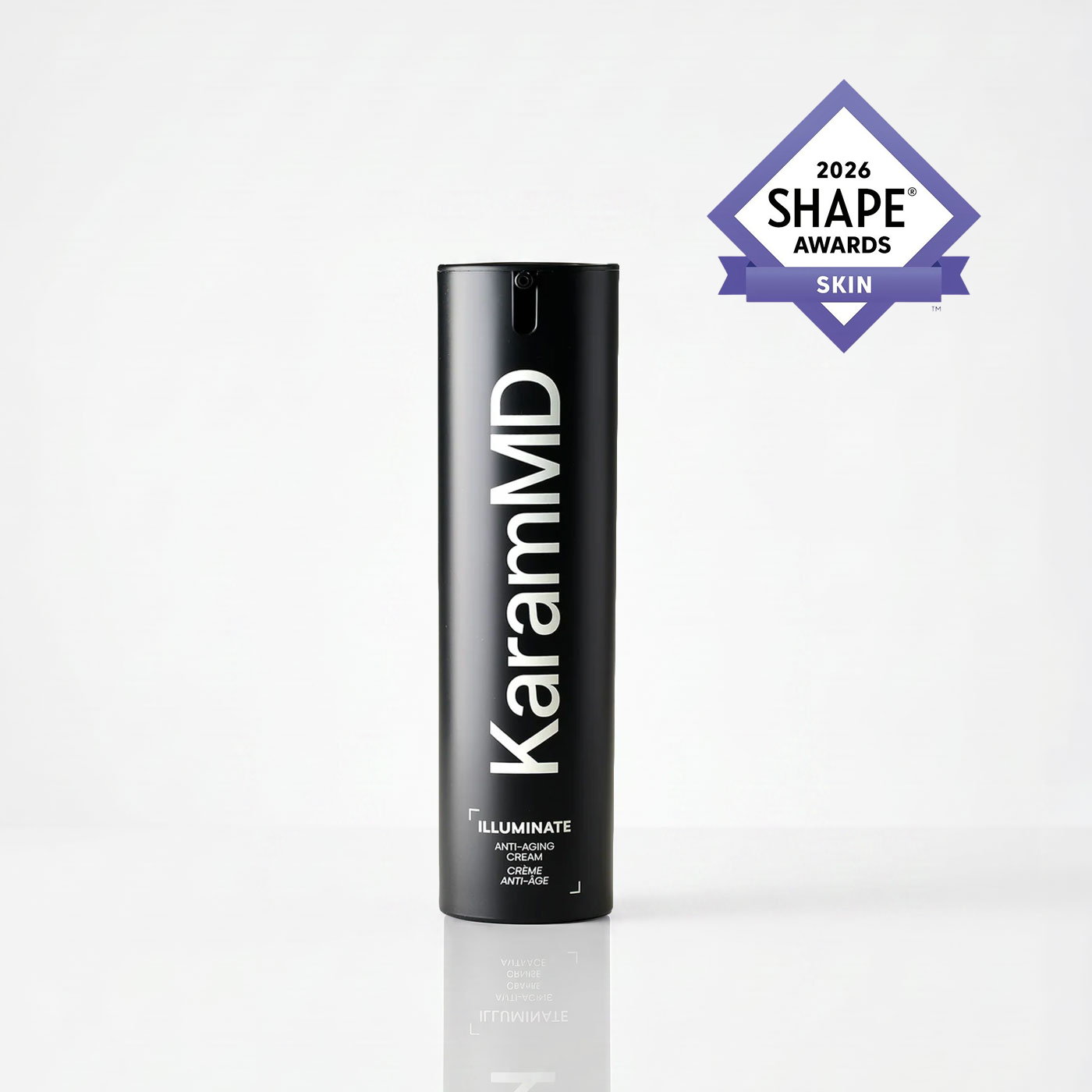
Quench and Illuminate are built this way, which is why both can be used together, morning and evening. They're not just compatible, they're synergistic, meaning each one builds on the results of the other. That simplifies the routine, increases effectiveness, and ensures you are getting the best possible results from two of the most important ingredients in your routine.
Niacinamide is one of the few ingredients that genuinely helps both oily and dry skin without conflict. That's why it shows up in nearly every well-made routine, no matter the skin type. Clinical research has found that niacinamide improves the look of aging facial skin, while also balancing oil and strengthening the skin barrier.
Specifically, it works to:
Breakouts are usually driven by two things happening at once: too much oil, and inflammation. Niacinamide addresses both directly, rather than just one.
A clinical trial compared topical niacinamide gel to a prescription clindamycin gel, a common antibiotic acne treatment. It found niacinamide gave comparable results for inflammatory acne. Separate research has also shown it can regulate the skin's oil output with regular use.
For anyone dealing with breakouts and the redness that comes with them, that dual effect is what makes niacinamide worth including.
Peptides are short chains of amino acids that act as messengers. They tell skin cells to behave the way they did when collagen production was stronger. A randomized, double-blind trial tested a topical peptide against both retinol and a placebo, and found it performed as well as, and in some cases, even better than retinol on measures of skin aging. Having both working synergistically in your routine is a powerful combination.
In practical terms, peptides:
Not all peptides do the same job, and the word alone doesn't say much.
Signal peptides, like palmitoyl pentapeptide, tell cells to produce more collagen. Carrier peptides, such as copper peptides, deliver trace minerals that support collagen production and wound healing. Neurotransmitter-inhibiting peptides, like acetyl hexapeptide-8, soften expression lines by gently relaxing repeated muscle movement.
Hyaluronic acid is a molecule found naturally in skin. It can hold up to 1,000 times its weight in water, which is why it's so good at plumping and hydrating. Sodium hyaluronateis hyaluronic acid's salt form. It's smaller in size, which lets it reach deeper into skin rather than sitting on the surface. Research comparing different molecular weights of hyaluronic acid confirms this pattern: the larger form stays on the surface for longer-term hydration, while the smaller form penetrates deeper into skin.
These ingredients are celebrated for their ability to:
Neither is necessarily better, since the two do slightly different jobs.
Hyaluronic acid is the larger molecule and works mostly on the surface, drawing moisture into the outer layer of skin. Sodium hyaluronate, being smaller, penetrates further, reaching deeper layers the larger molecule can't.
The strongest approach is using both together, so hydration happens at multiple depths at once rather than just one.
The five ingredients above form the base of a results-driven routine. But they work best alongside three categories that cover what the core five don't: uneven pigmentation, a fragile barrier, and surface buildup.
For years, hydroquinone was the default answer for dark spots. But it isn't right for everyone, and it can cause irritation with long-term use.
Non-hydroquinone lightening agents work through the same pigment-blocking pathways to tackle dark spots, without the same risk. It's worth looking for azelaic acid, backed by clinical research for treating both dark spots and mild inflammatory skin conditions; kojic acid, made from fermented rice and used clinically to reduce melanin production; and licorice root extract, which combines mild brightening with anti-inflammatory benefits.
Hydroquinone works, but it isn't meant for long-term, uninterrupted use. It can cause irritation, or, rarely, a paradoxical darkening with prolonged use. Botanical alternatives tend to be gentler on sensitive skin. They're better suited to the kind of daily, ongoing use that actually keeps dark spots from coming back.
The skin barrier keeps moisture in and irritants out. Once it's compromised, even well-made active ingredients can cause more sensitivity than benefit. This category replenishes the lipids that make up that barrier, which matters more as natural ceramide levels drop with age.
Look for ceramides, the lipids that make up a large part of the skin barrier itself; squalane, a lightweight oil that mimics skin's natural lipids without clogging pores; and glycerin, a humectant that draws water into the outer layer of skin and helps keep a healthy barrier intact.
Every other ingredient in this article depends on this one working properly. When the barrier is healthy, actives like retinol, vitamin C, and non-hydroquinone lighteners absorb the way they're meant to, without excess irritation.
When it's compromised, that same skin turns reactive. Ingredients meant to improve it instead trigger redness, sensitivity, and breakouts. That's why barrier-support isn't optional in a comprehensive routine. It's what keeps every other step in this article working as intended.
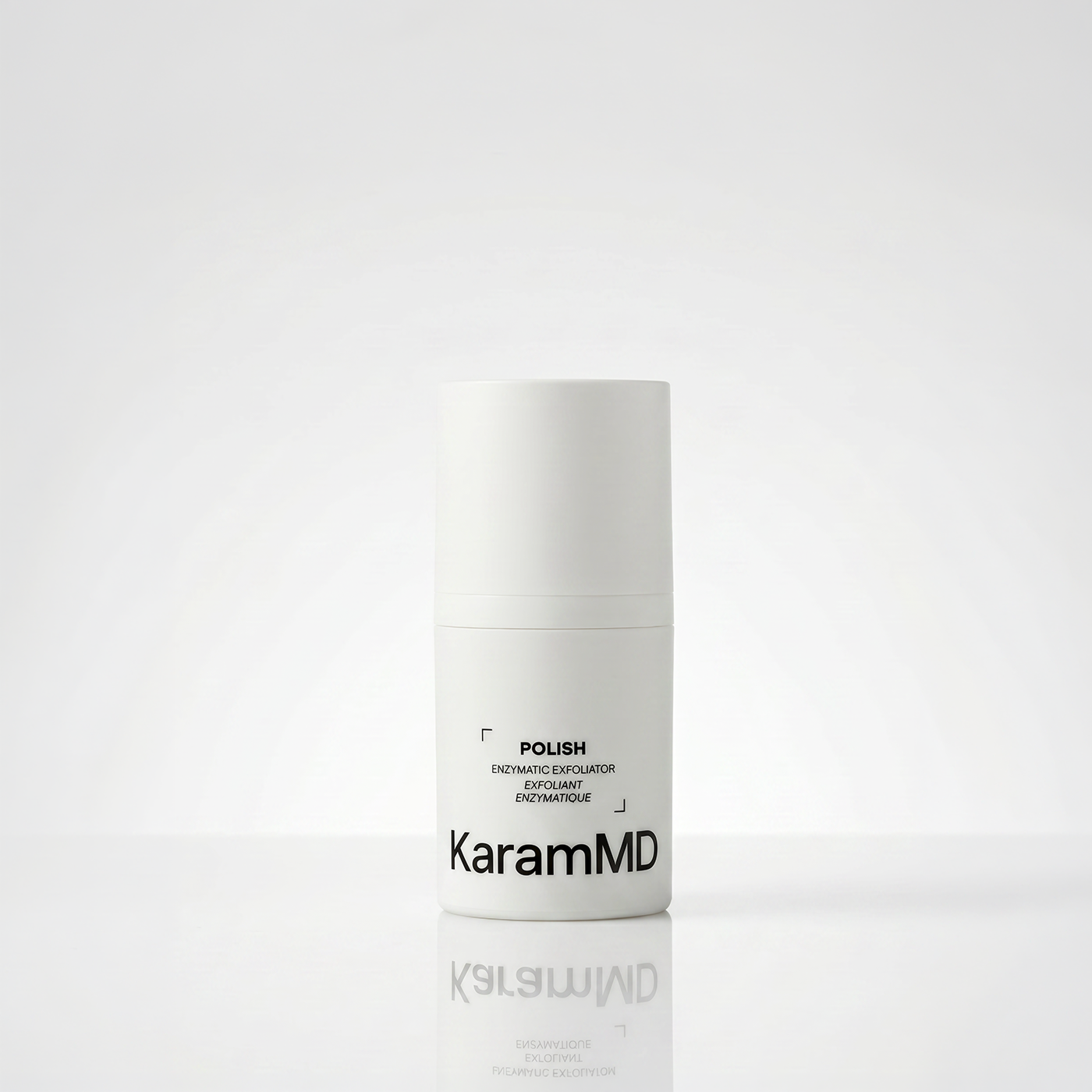
Retinol speeds up cell turnover from within, but it doesn't fully replace a dedicated exfoliation step. This matters most on skin that builds up rough texture, dullness, or congestion faster than daily turnover can clear it. When used regularly, but not too often, it improves the look of texture and dullness and helps other actives absorb better.
Two to three times a week is a reasonable range for most skin types.
Enzyme-based exfoliants tend to be gentler than acids, making them a good choice for anyone who wants the benefit without added irritation.
Over-exfoliating is one of the most common, and avoidable, ways people end up damaging their own barrier, so you can exfoliate less often if your routine contains retinol, which is already speeding up cell turnover on its own.
Before an active ingredient can do its job, skin has to be able to receive it. It also has to stay protected enough to hold onto whatever progress it makes. Neither step is glamorous. But everything else in this article depends on both.
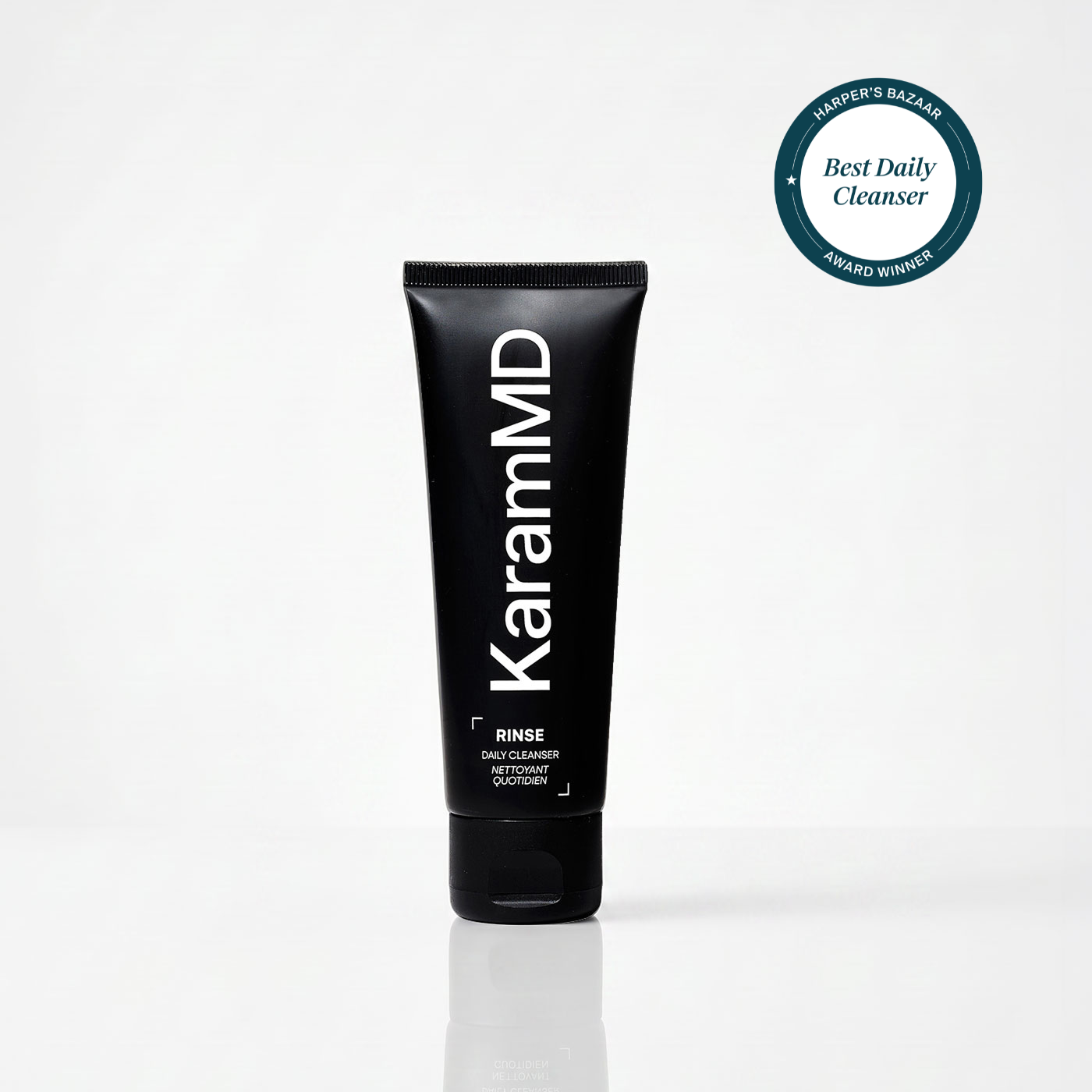
Cleansing clears away oil, makeup, sunscreen residue, and daily grime. That layer sits between skin and whatever gets applied next. Skip this step, or use the wrong cleanser, and your actives have to work through a layer they were never meant to cross.
A good daily cleanser removes dirt, oil, and makeup without foaming aggressively or relying on sulfates, leaving the skin's natural moisture barrier intact rather than stripping it. This helps prep the skin surface so actives can actually absorb, instead of sitting on top.
So skipping sunscreen doesn't just add new damage — it undoes work already done. The collagen a routine builds overnight with retinol and peptides will be broken down again the next day. Without protection, that often happens faster than it was built.
Sunscreen isn't a separate step from the rest of a routine. It's what decides whether the other ingredients add up to real improvement, or just cancel each other out. This is the one step to never skip, even on cloudy days or days spent mostly indoors.
Look for a broad-spectrum, mineral-based sunscreen built on zinc oxide, with or without titanium dioxide. It sits on top of skin and reflects UV rays away, rather than absorbing them. A sheer, mineral-based formula keeps that protection comfortable enough to use every day.
Most people can't stick with an 8-10 step routine. Not because they don't care, but because a complex routine doesn't survive real life: travel, tired nights, mornings already running late. If your ingredients and steps are spread out into too many products, your routine won't stick, and you won't see results.
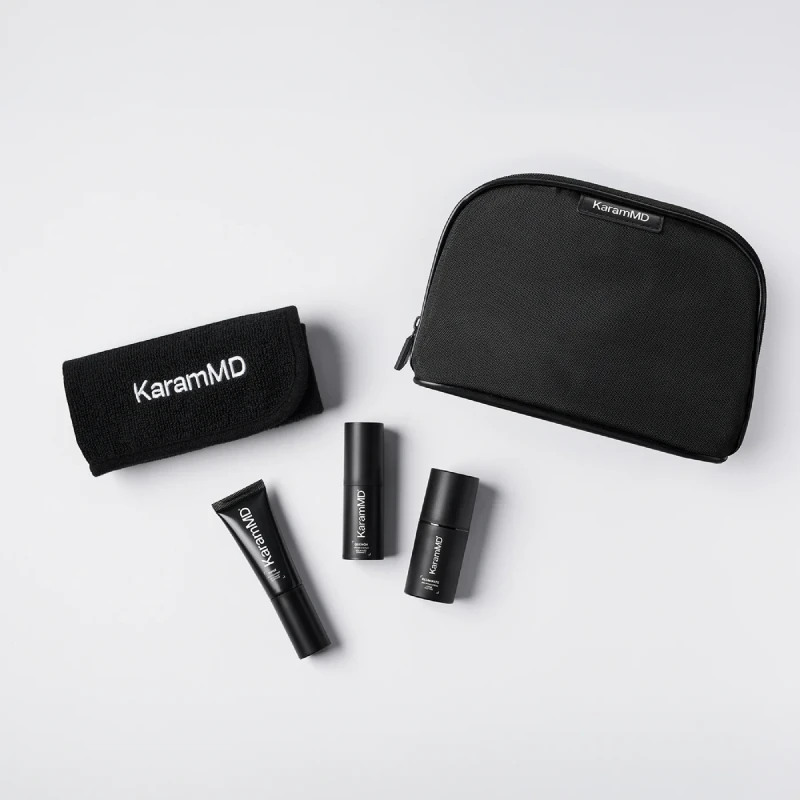
That challenge is what led to three and a half years of building, testing, and third-party clinical trials to create a line of products that contains everything you need, into a single, streamlined routine. The result was the KaramMD® Trifecta.
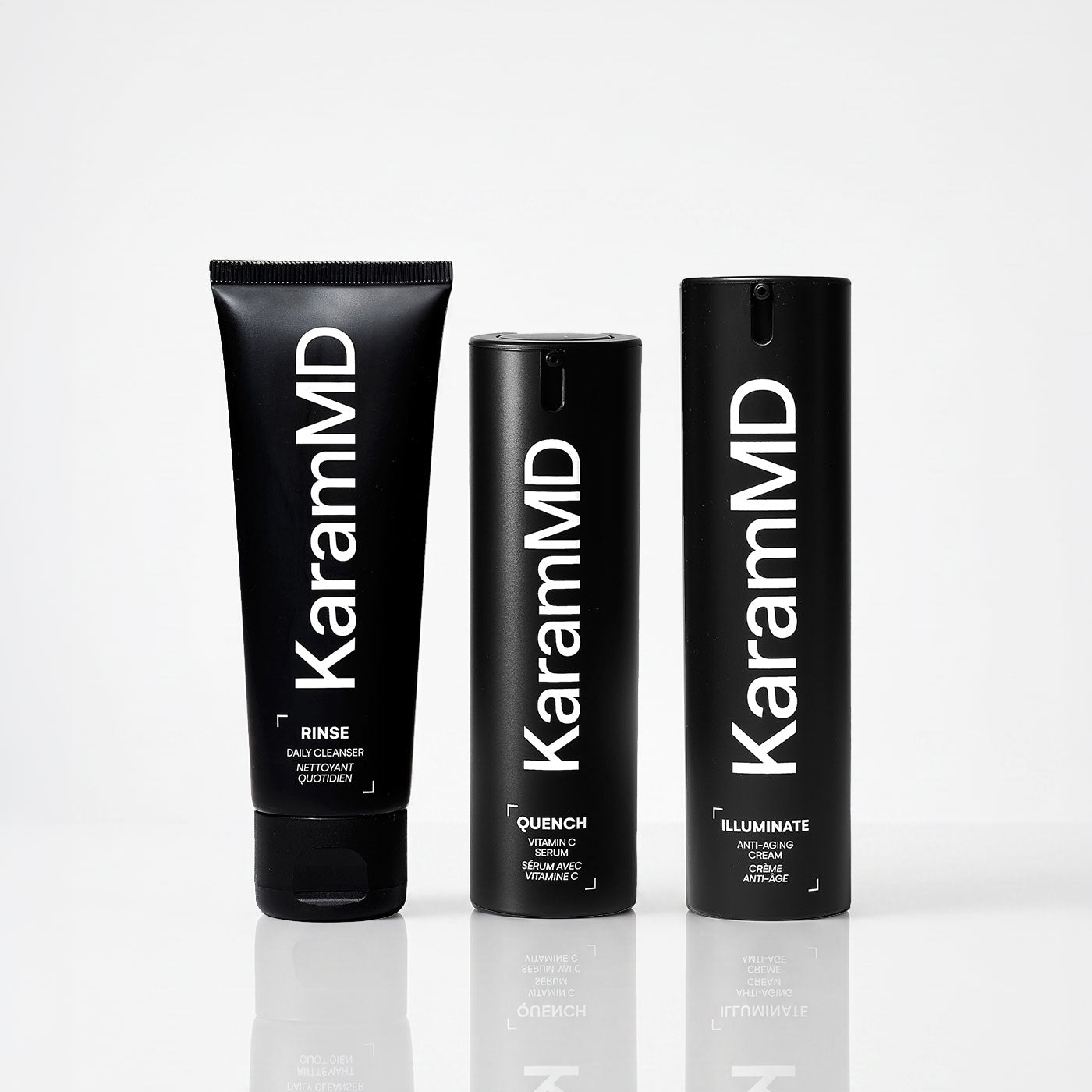
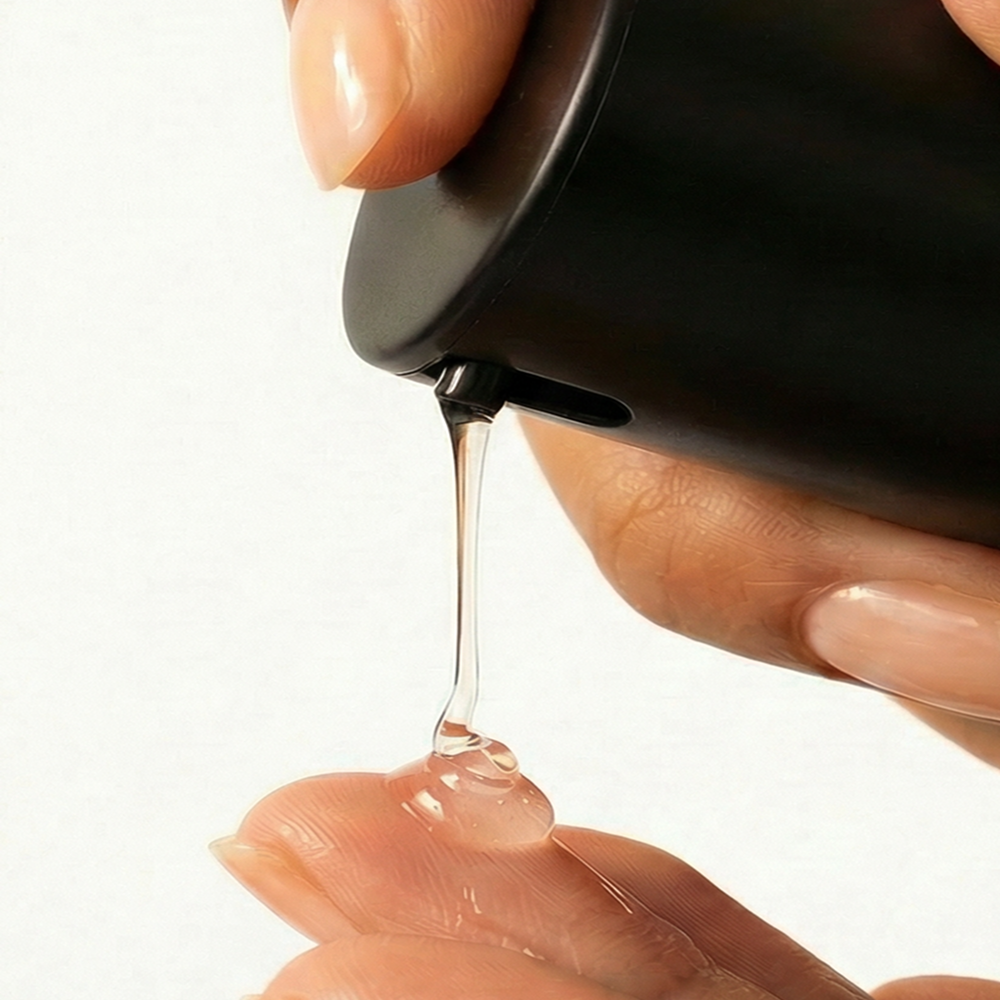
Just three simple steps — Rinse, Quench, and Illuminate — with each product combining several of the essential ingredients above rather than functioning as its own separate step:
In third-party clinical testing, the system showed clear improvement in fine lines, firmness, tone, and moisture within four weeks, with more improvement through eight weeks.
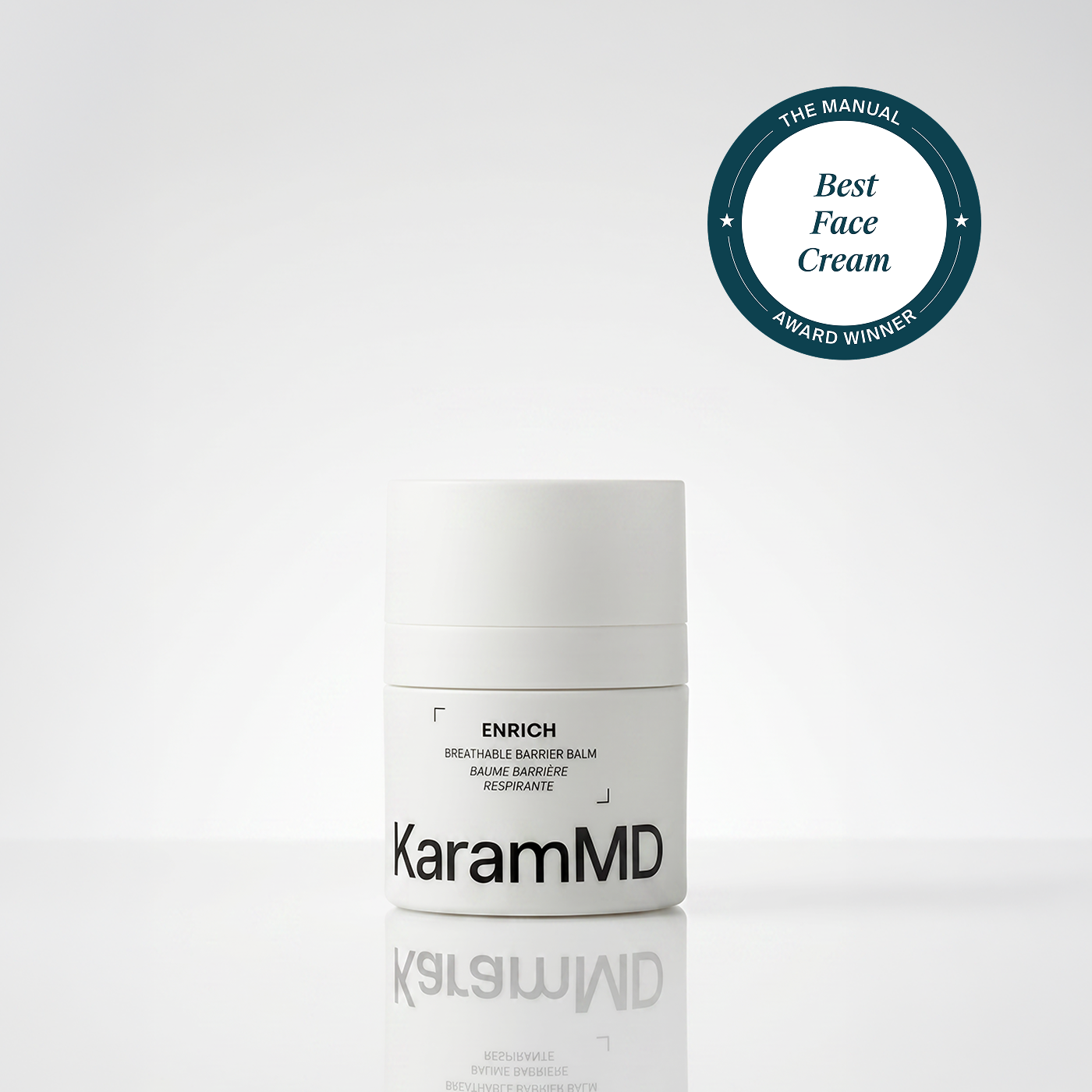
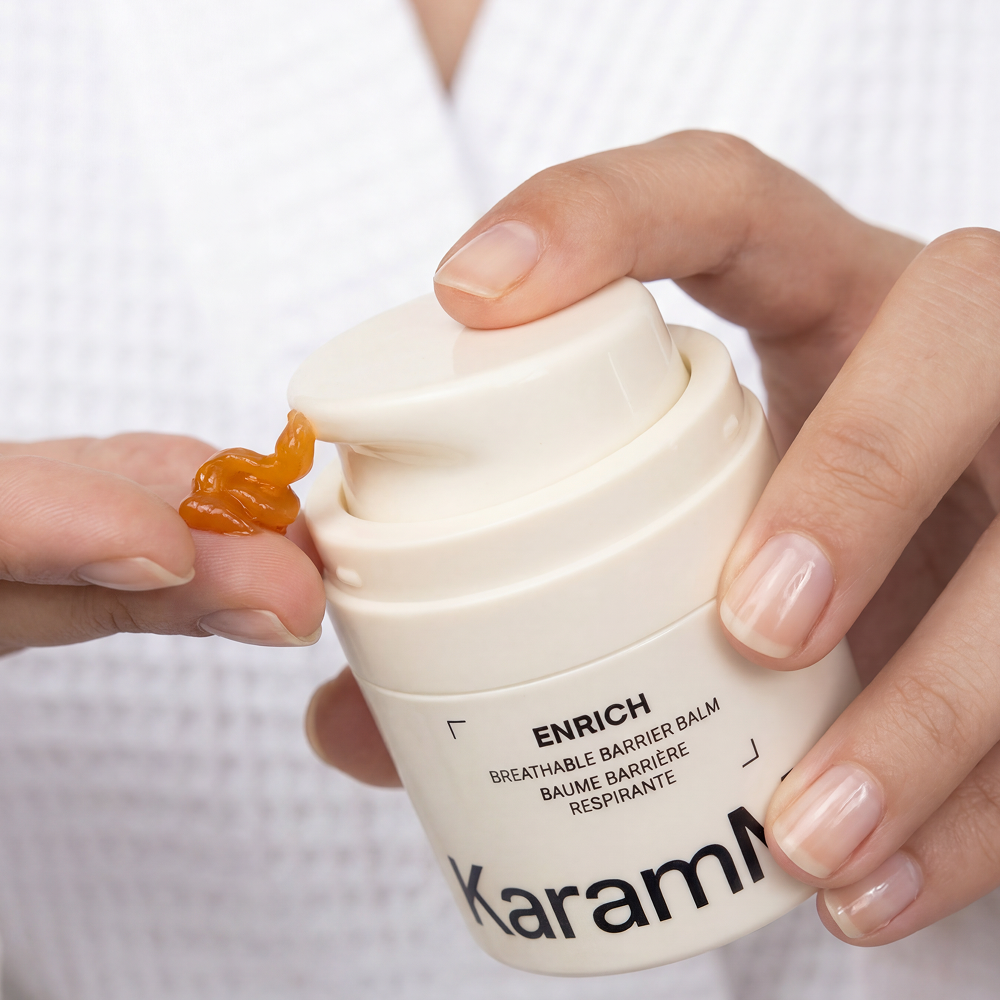
When used alongside Polish for exfoliation and Enrich for an added layer of deep hydration and skin barrier support, you have a complete product line doing the work of over a dozen different product categories.
None of this was built to be the flashiest routine on the market. It runs on the same idea behind this entire article: skin responds to science-backed, clinically validated ingredients, used consistently, far more reliably than it responds to more steps or more hype. Even if KaramMD isn't part of your routine, the same five ingredients still apply. Use them as the foundation of any routine, and build outward from there with the supporting categories and steps covered above. Don't forget your sun protection, and your skin will improve over time.
Give the right ingredients time to work, and reversing visible signs of aging becomes less about chasing trends and more about staying the course.




1 comment
M A Niewiarowski
I am “back” to using the Trifecta System. What can I do for the brown spots on the facial & neck skin?
Many Thanks…Maggie
———
KaramMD Skin replied:
Hi Maggie—Thanks for your comment! We’re so glad to hear you’re using the Trifecta System again. Trifecta can absolutely help with brown spots over time . With consistent twice-daily use, most people start to see improvement in dark spots and pigmentation within 3 to 6 months. The key alongside that is daily SPF, since sun exposure is what keeps brown spots stubborn and can undo the progress you’re making. Making sure you’re applying SPF every day (even on cloudy days or when you’re mostly indoors) will really help those spots continue to fade. You can also learn more about that topic here https://karammdskin.com/blogs/expert-advice/hyperpigmentation-vs-melasma-best-ingredients-for-dark-spots?srsltid=AfmBOooSuUoRmLviafEqXa6coh9mmOJwdhJZ1a2n6AKMTYLqwvjfbSr4
Leave a comment
All comments are moderated before being published.
This site is protected by hCaptcha and the hCaptcha Privacy Policy and Terms of Service apply.