


Written by Founder, Amir Karam MD

Exfoliation is one of the most talked-about steps in skincare, and also one of the most misunderstood.
Between chemical peels, scrub beads, and enzyme powders promising the same "glowing skin" result, it's easy to end up with a product that's either too harsh for your skin or too mild to do anything at all.
Understanding how exfoliation actually works, and why the method matters as much as the frequency, makes it much easier to choose the right approach for your skin type.

The outermost layer of skin, called the stratum corneum, is made up of cells known as corneocytes. In young, healthy skin, these cells shed on their own in a process called desquamation.
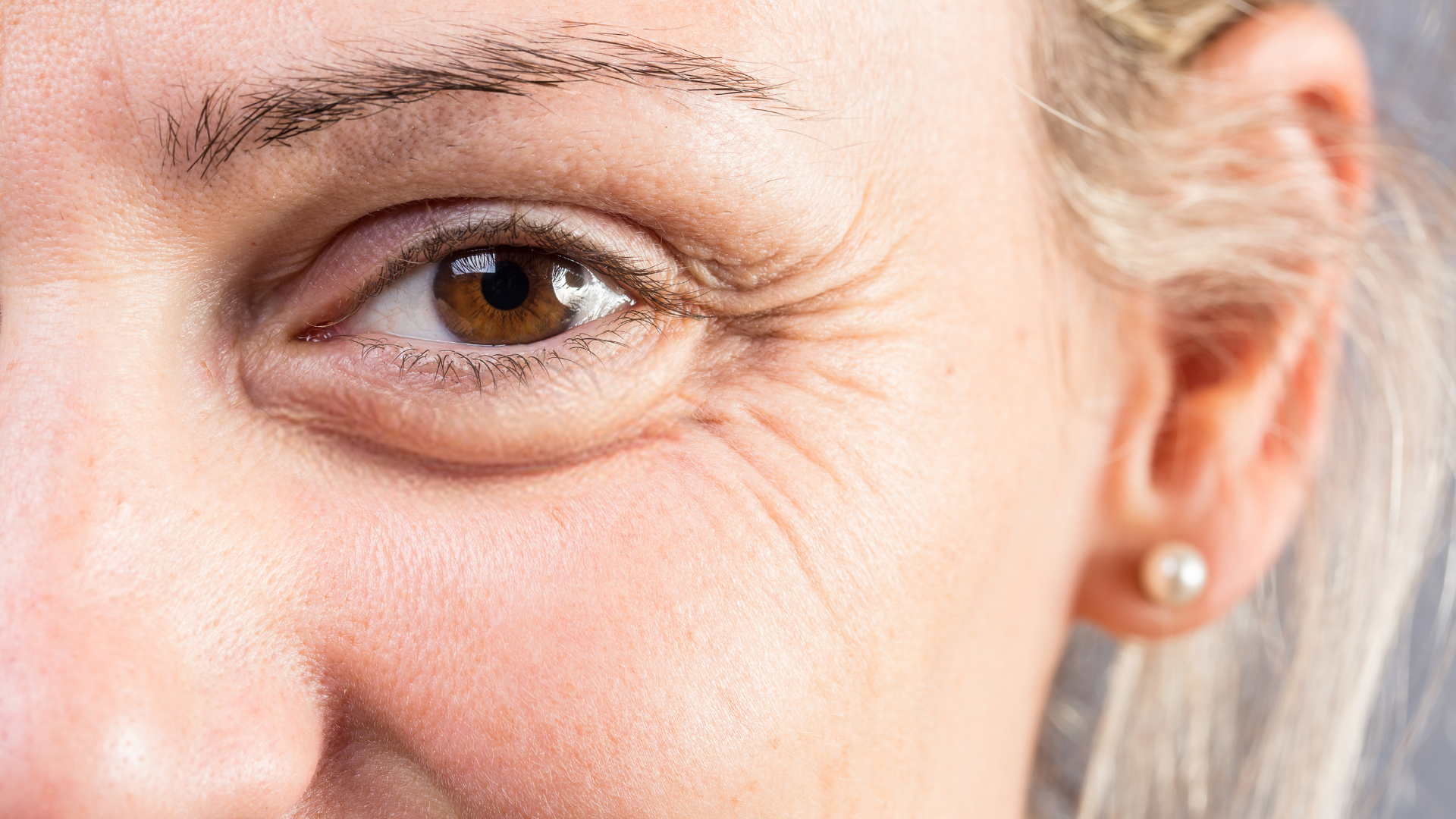
This natural turnover process slows down over time due to age, sun exposure, and environmental stress. When that happens, the corneocytes accumulate instead of being released. Buildup occurs, which leads to dullness, roughness, and congestion.
That's the difference between skin that looks tired and skin that looks bright: often, it comes down to how much of that dead cell layer is still sitting on top.
It's also why skincare routines that skip exfoliation tend to stall out, no matter how many serums or moisturizers get layered on top. Products can only absorb as well as the surface they're applied to.
What Are the Main Ways to Exfoliate Skin?
There are three broad categories of exfoliation: physical, chemical, and enzymatic. Each one removes dead skin cells through a completely different mechanism.
Knowing the difference matters, because the method that works beautifully for one skin type can be the exact thing that irritates another.
Physical Exfoliation
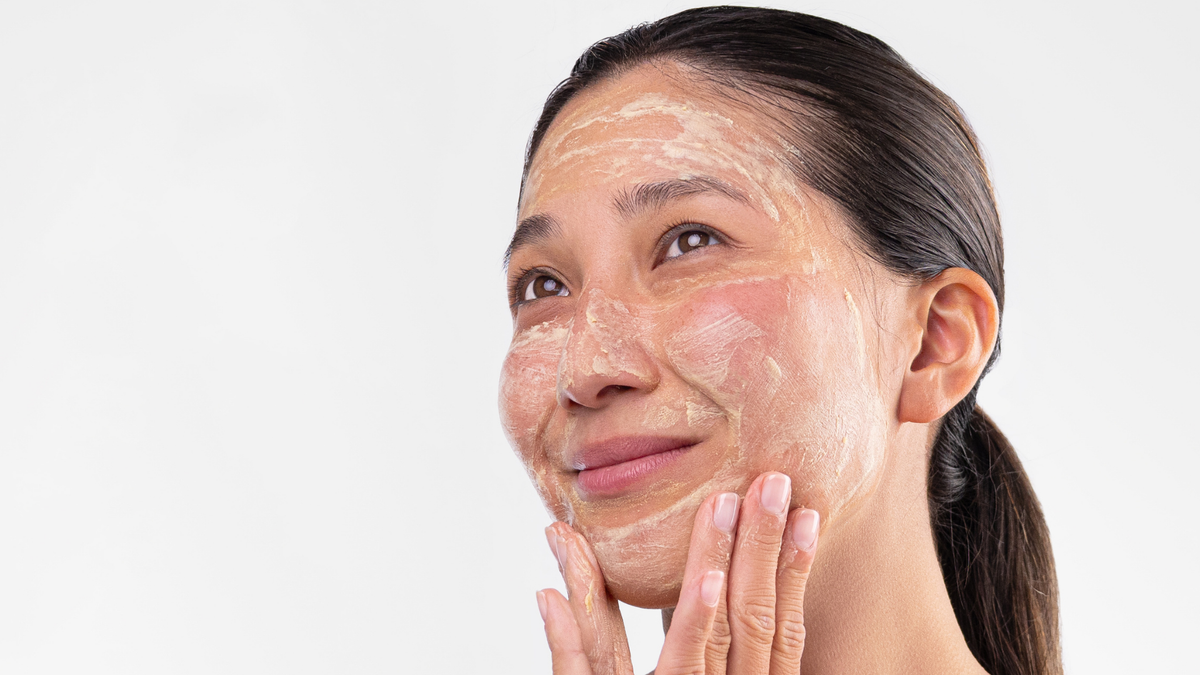
Physical exfoliants rely on friction, using textured scrubs, brushes, or fine beads to manually buff dead skin away. It's immediate and tactile, which can be effective.
The downside is that it’s also the method most likely to cause micro-tears or over-scrubbing, especially on skin that's already reactive or thin.
Chemical Exfoliation
Chemical exfoliants use acids—most commonly alpha-hydroxy acids (AHAs) like glycolic acid and lactic acid, or beta-hydroxy acids (BHAs) like salicylic acid—to dissolve the bonds holding dead cells together.
- AHAs are water-soluble and work mainly on the surface, which is why they're often used for dullness and fine lines.
- BHAs are oil-soluble and can travel into the pore lining, making them a common pick for oily or acne-prone skin.
Both work by lowering the skin's pH, which is effective, but it's also exactly what tends to cause stinging, redness, or peeling that often comes with chemical exfoliation.
Enzymatic Exfoliation
Enzymatic exfoliants take a different approach entirely, using plant-derived enzymes to loosen dead skin. This category tends to fly under the radar compared to acids and scrubs, but it solves a problem the other two methods can't. It offers a gentle solution that can be used consistently on nearly all skin types.
Why Chemical & Physical Exfoliants Aren’t Right for Everyone
Certain skin types often can't tolerate the pH shift that comes with chemical acids or the friction of physical scrubs.
Both methods work by mildly damaging the skin's surface to trigger cell turnover. That mild damage is the trade-off, but it's not a flaw so much as how they're designed to work.
Acids need a low pH to be effective, but that same acidity is what triggers irritation, burning, and redness in reactive skin. Physical scrubs need friction to slough off buildup, but that same friction can turn into micro-tears on skin that's already compromised.
A few groups of people tend to run into trouble with these methods more than others:
- Sensitive or reactive skin, which can flare up from the acidity in glycolic or salicylic acid, even at low concentrations
- Dry or dehydrated skin, where chemical exfoliation can strip already-limited moisture and leave the skin barrier more vulnerable
- Acne-prone or inflamed skin, where physical scrubbing can spread bacteria and worsen breakouts, and where harsh acids can aggravate active lesions
- Skin recovering from a barrier issue, such as eczema, rosacea, or recent sun damage, where any added irritation slows healing rather than helping it
For anyone in these categories, exfoliating with the "wrong" method doesn't just fail to help. It can actively set skin back.
How Does Enzymatic Exfoliation Work Differently?
Enzymatic exfoliants use proteolytic enzymes, most commonly papain from papaya, to break down the specific proteins holding dead skin cells together, rather than relying on acidity or abrasion. Proteases like papain target the keratin proteins in corneocytes directly, breaking those protein bonds so dead cells release on their own.
Because this process doesn't depend on a low pH the way acids do, it skips the irritation pathway that makes chemical exfoliation risky for reactive skin. And because it works at a molecular level instead of a physical one, there's no friction involved either, which takes the risk of micro-tearing off the table.
That's what makes enzymatic exfoliation the category that tends to work across skin types:
- Sensitive skin can use it without the sting or redness that acids can trigger
- Dry skin gets surface buildup removed without additional moisture loss
- Acne-prone or inflamed skin avoids the friction that can spread bacteria or aggravate breakouts
- Even resilient, healthy skin sees the same smoothing and brightening benefits, but without any unnecessary risk
The one trade-off is speed. Enzymatic exfoliation is generally gentler and slower to show dramatic results than a strong acid peel. This isn’t necessarily a downside, because it means you can use them consistently, instead of as an occasional treatment.
How Often Should You Use an Enzymatic Exfoliator?
Most enzymatic exfoliants are designed to be used two to three times a week. They can usually be used more frequently than a chemical or physical exfoliant, because of their gentle nature.
That said, "gentle" doesn't mean "unlimited." Listen to your skin. Any visible flaking, tightness, or redness after exfoliating is a sign to pull back, regardless of which method is being used. These are signs that the skin barrier is being disrupted faster than it can recover.

Used at the right frequency, the payoff is visible:
- Dry, dead surface buildup clears
- Dullness is removed for a brighter luminosity
- Skin has a noticeably softer and smoother texture
- Actives in your routine have a much easier time absorbing, maximizing your efforts
- Fine lines soften, and skin tone become more balanced
The Case for an Enzymatic Exfoliator for Anti-Aging
Once you understand what each exfoliation method actually does to skin, the appeal of an enzymatic option becomes clear.
Enzymatic exfoliation offers a different way to think about removing surface buildup: targeted, gentle, and well-suited to consistent use.
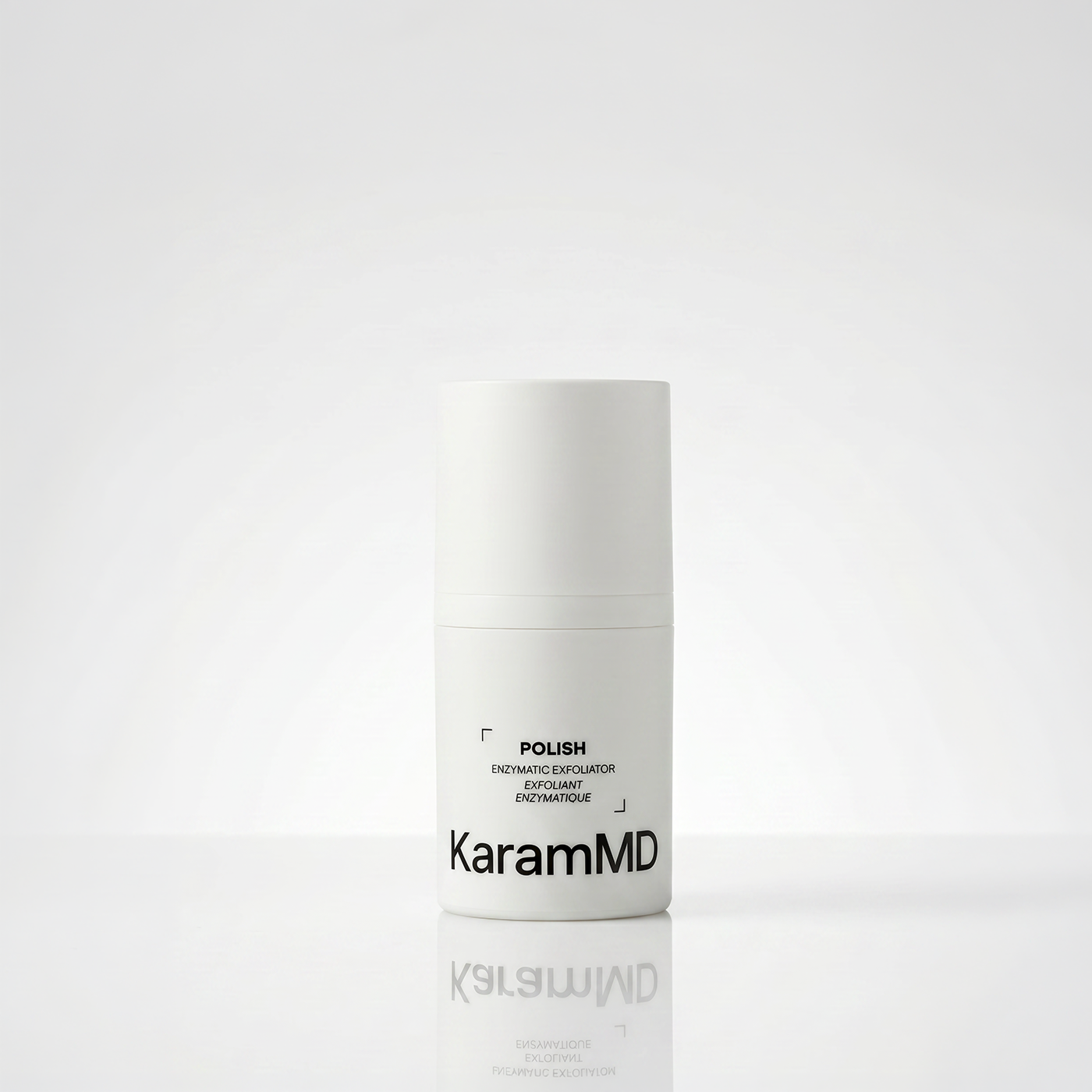
KaramMD's Polish Exfoliator was built around exactly this reasoning. This enzymatic formula uses papain and other plant-based enzymes, like Bromelian, to work with the skin instead of against it.
Because Polish relies on enzymes rather than a chemical acid base, it sidesteps the pH-driven irritation that makes AHAs and BHAs a gamble for sensitive or reactive skin. And because those enzymes work by breaking down protein bonds rather than physically abrading the surface, there’s no grit or friction involved, which means no risk of micro-tearing.
This combination is what allows Polish to be used across such a wide range of skin types: sensitive, dry, acne-prone, and everything in between, without asking any of them to tolerate more irritation than their skin barrier can handle.
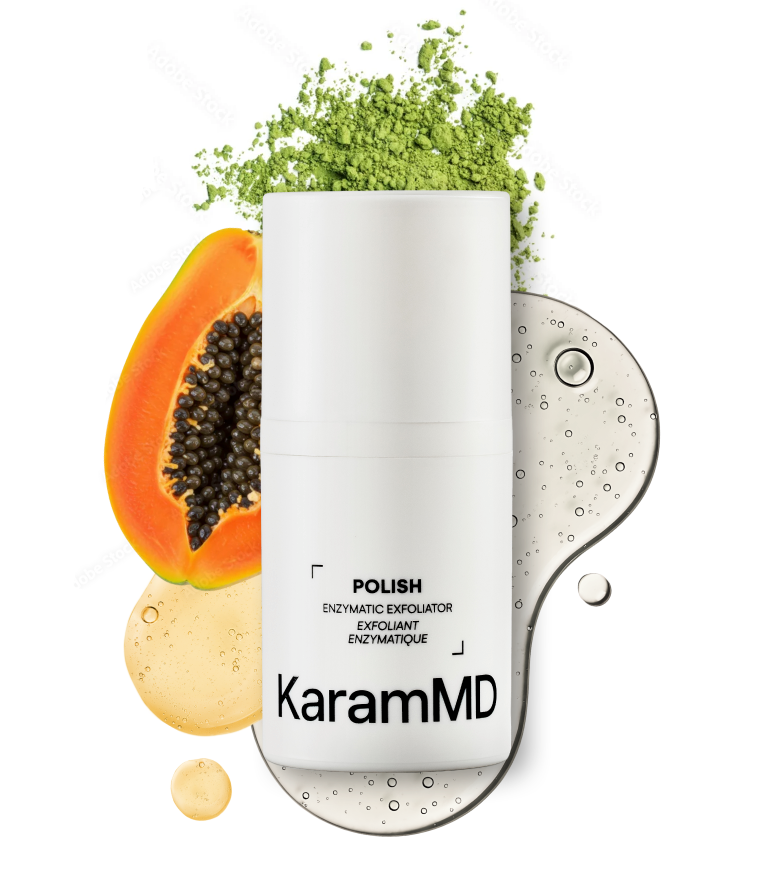
Polish’s Key Ingredients Include:
- Papain and bromelain (enzymes from papaya and pineapple) to dissolve the protein bonds holding dead skin cells together
- Vitamin C (ascorbic acid) to help brighten and even out skin tone
- Azelaic acid to work alongside the enzymes to brighten and smooth texture
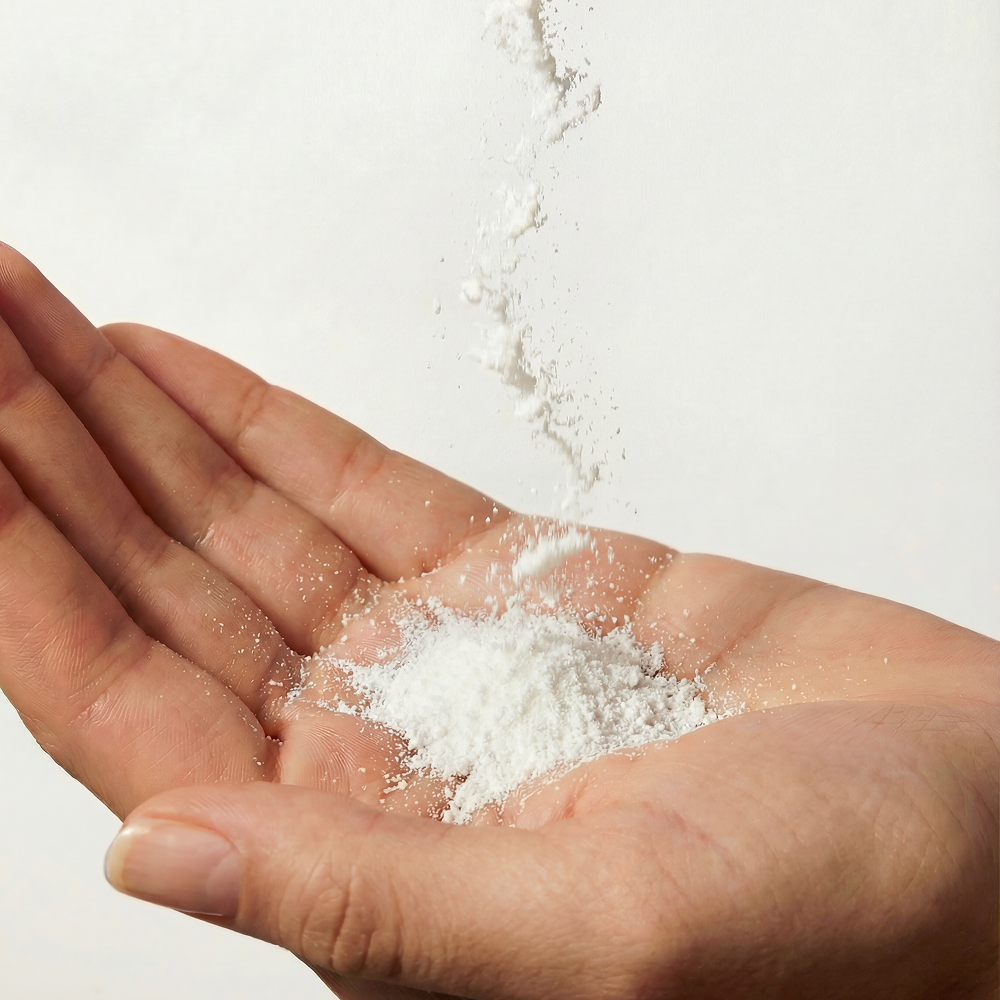
- Natural fine powders (rice starch, coconut milk powder, bamboo stem powder) to add gentle polish without abrasive grit






1 comment
EGV
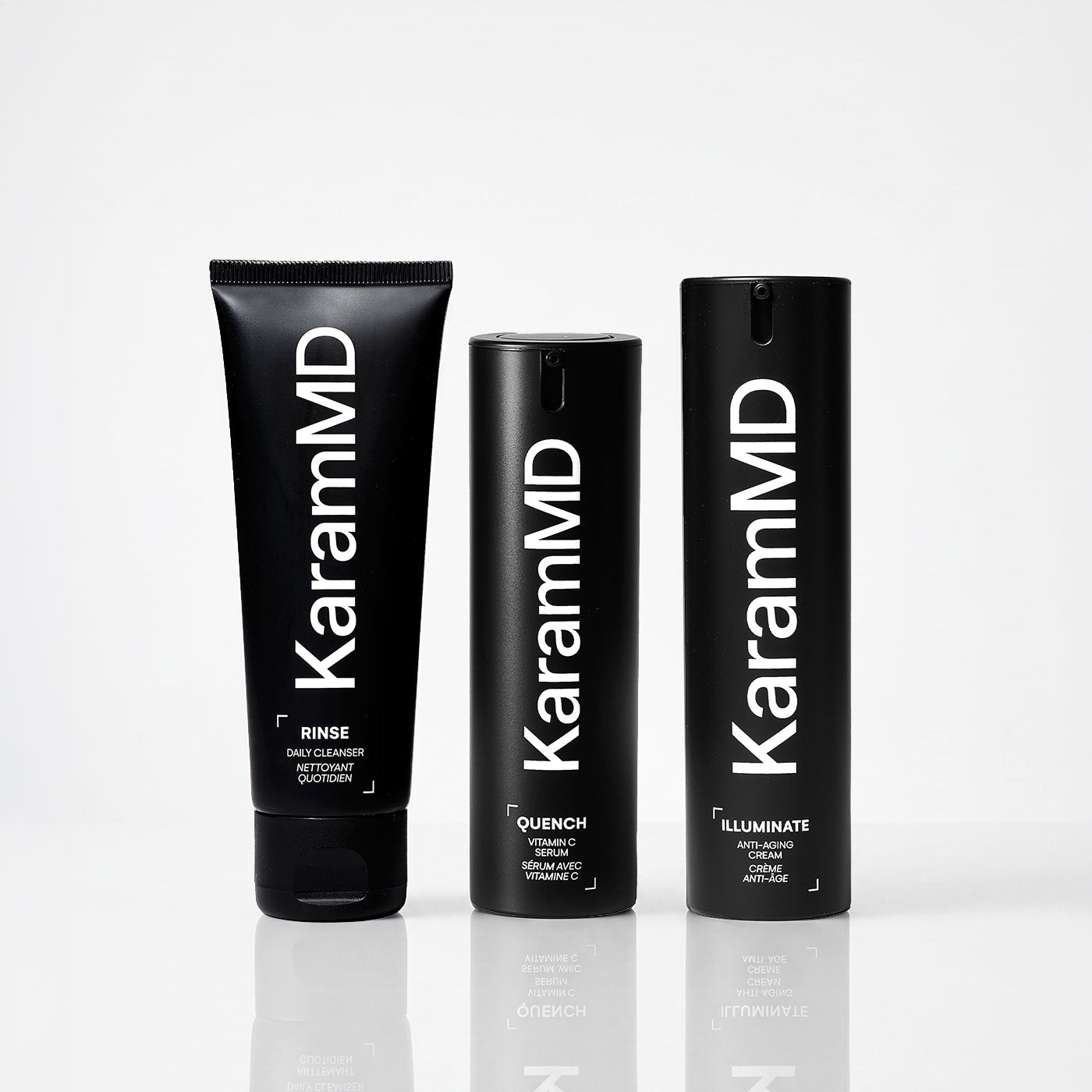
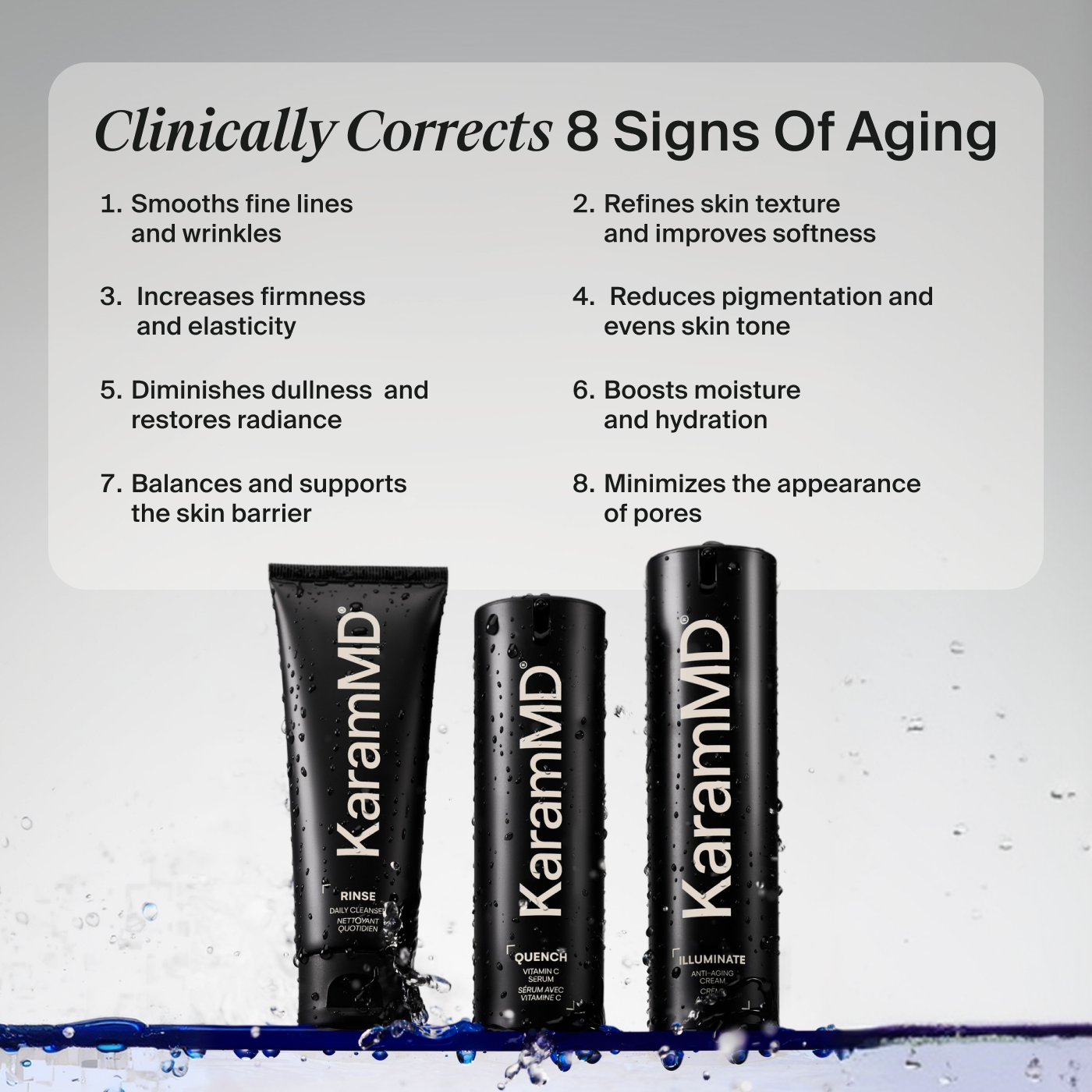
I’ve been using dr. Karam’s products now for about a year and a half and I absolutely love them! I started with the trifecta and then ordered the polish and its hand’s down, the best exfoliator I’ve used. I love the way it gently polishes away dead cells and leaves my skin soft and glowing.
———
KaramMD Skin replied:
Hi—Thank you so much for your kind comment! We’re thrilled to hear you’ve been enjoying your KaramMD Skin routine for the past year and a half. It’s wonderful to know that you’ve found the Trifecta and Polish to be such a great fit for your skin, and we especially love hearing that Polish leaves your skin feeling soft, smooth, and glowing! Thank you for sharing!
Leave a comment
All comments are moderated before being published.
This site is protected by hCaptcha and the hCaptcha Privacy Policy and Terms of Service apply.