




What Is Retinol and How Does It Work for Anti Aging?
Retinol is a vitamin A derivative that converts in the skin to retinoic acid. This active form binds to skin cell receptors and triggers:
- Increased collagen production
- Accelerated cell turnover
- Smoother skin texture
- Reduction in fine lines and wrinkles
- Improvement in discoloration and sun damage
It works at a cellular level, which is why it remains one of the most powerful topical anti aging ingredients available without a prescription.
However, the way retinol is delivered into the skin dramatically impacts both results and irritation. Traditional retinol is highly effective, but it has limitations. It absorbs rapidly and releases all at once. That immediate delivery can overwhelm the skin barrier, leading to redness, peeling, dryness, sensitivity, and inflammation.
Additionally, traditional retinol can be unstable. It degrades when exposed to light, air, and heat, which means it doesn't work well for daytime use, and can reduce potency over time if not carefully formulated and stored.
Many people abandon retinol before reaching its long term collagen stimulating benefits simply because the irritation phase feels discouraging.
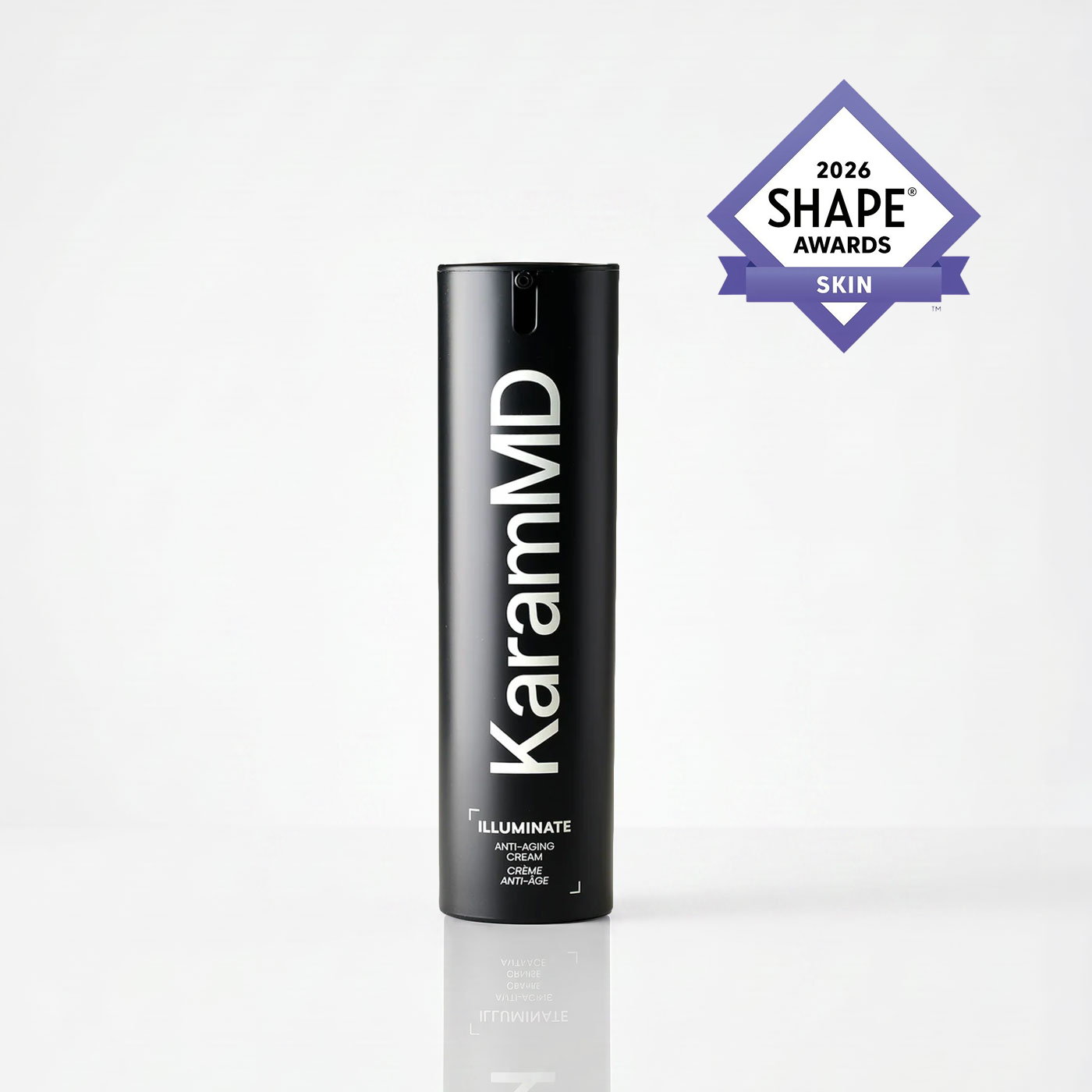
That is where encapsulated retinol changes the experience.

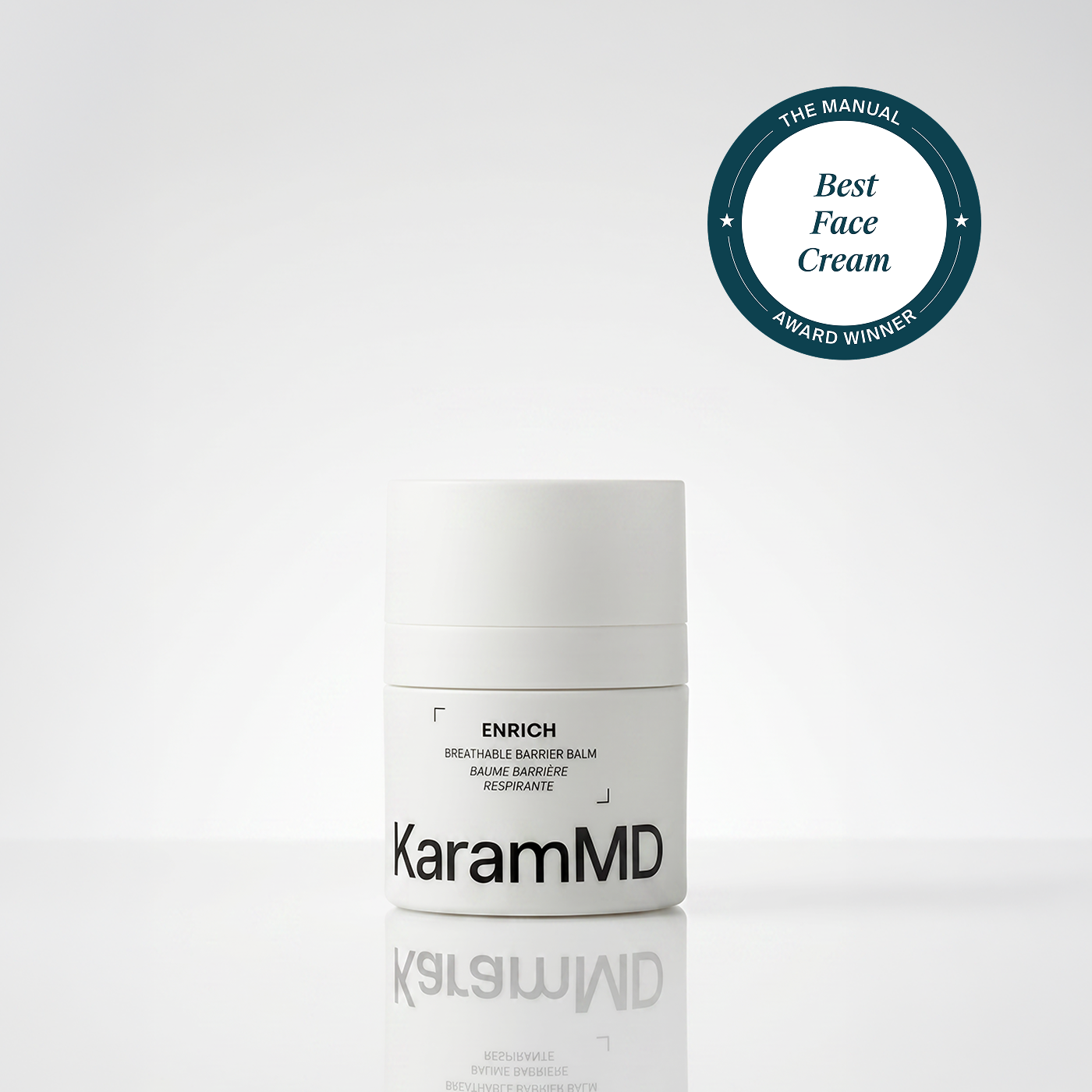
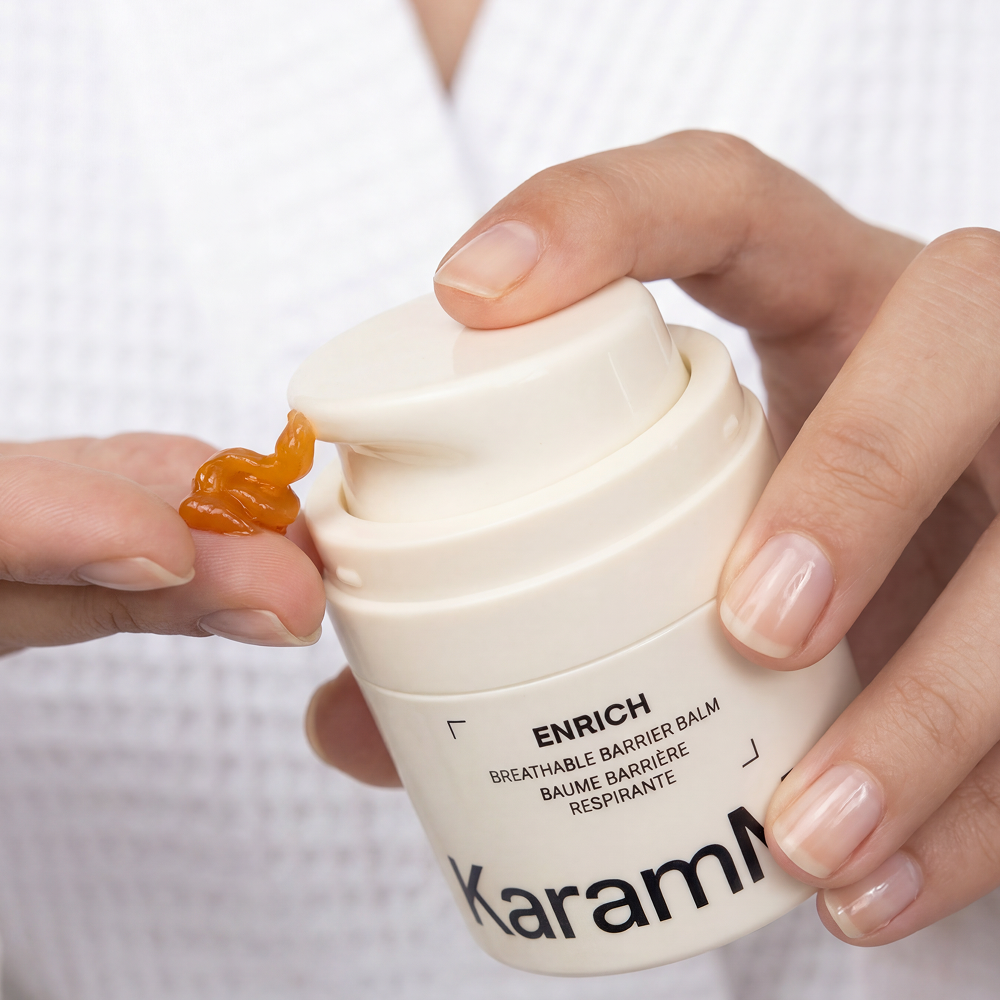
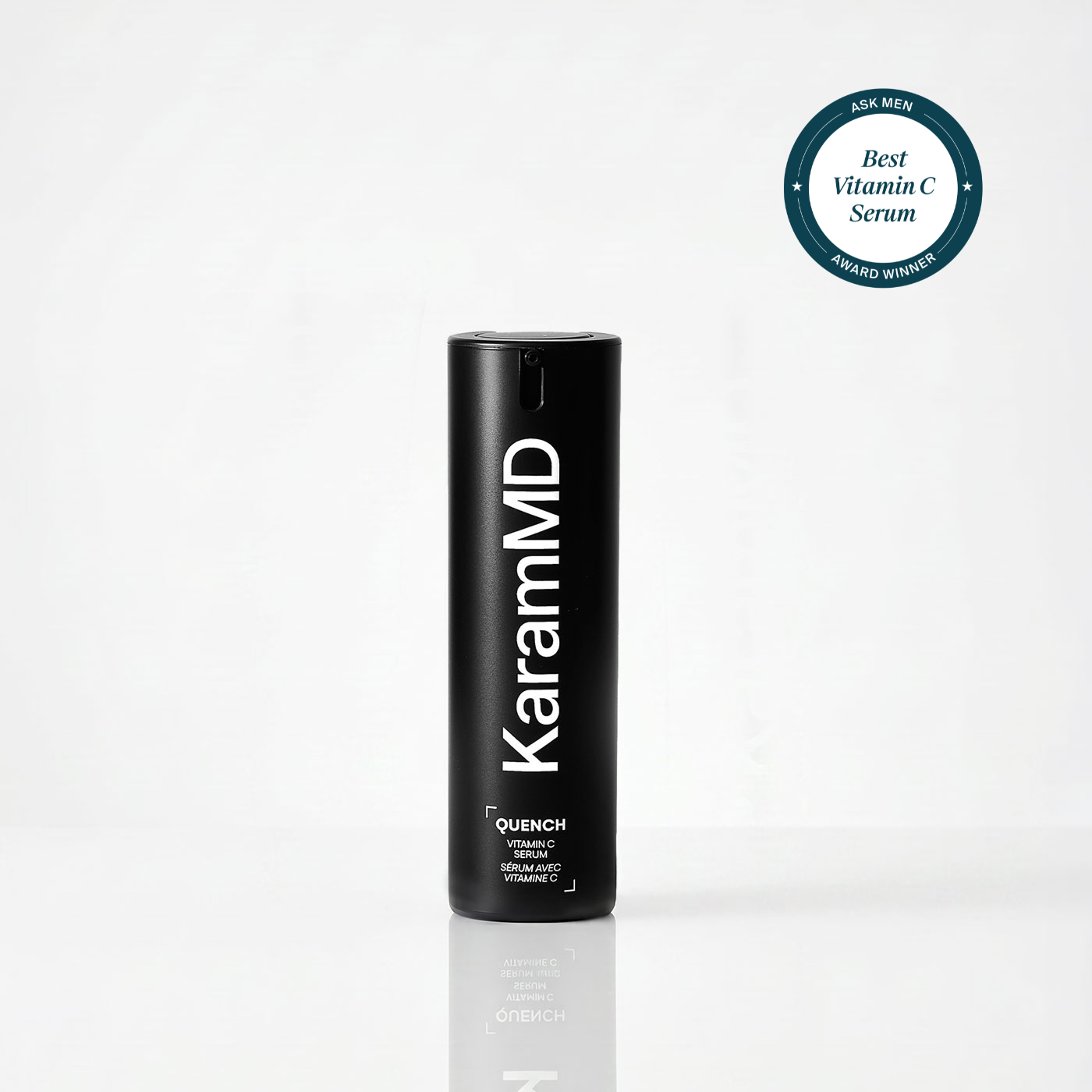
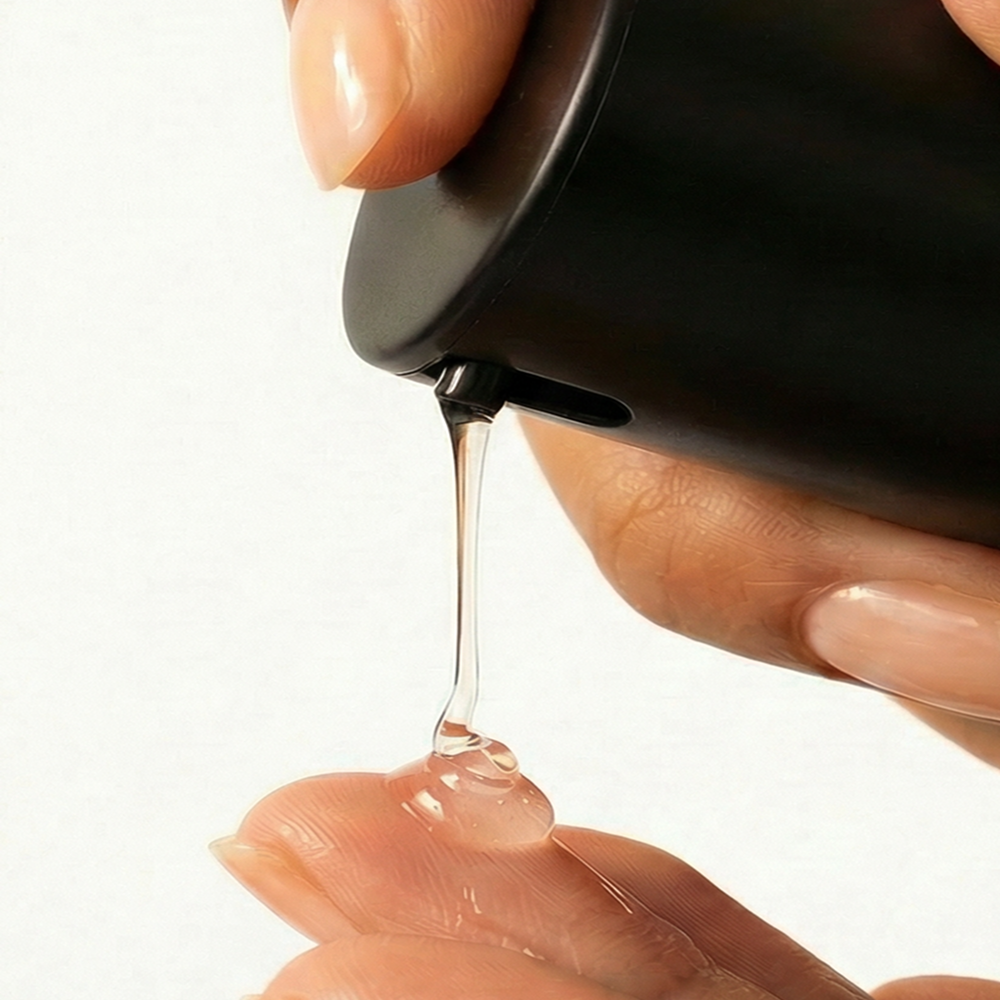

8 comments
Anita
Are you ever open on Saturdays?
———
KaramMD Skin replied:
Hi Anita—Thanks for your comment! Our KaramMD Skin customer support team is available to assist you on Saturdays, and you can expect a response from our team within 1-3 business days. However, Dr. Karam’s practice is closed on weekends.
ludmilla Temertey
———
KaramMD Skin replied:
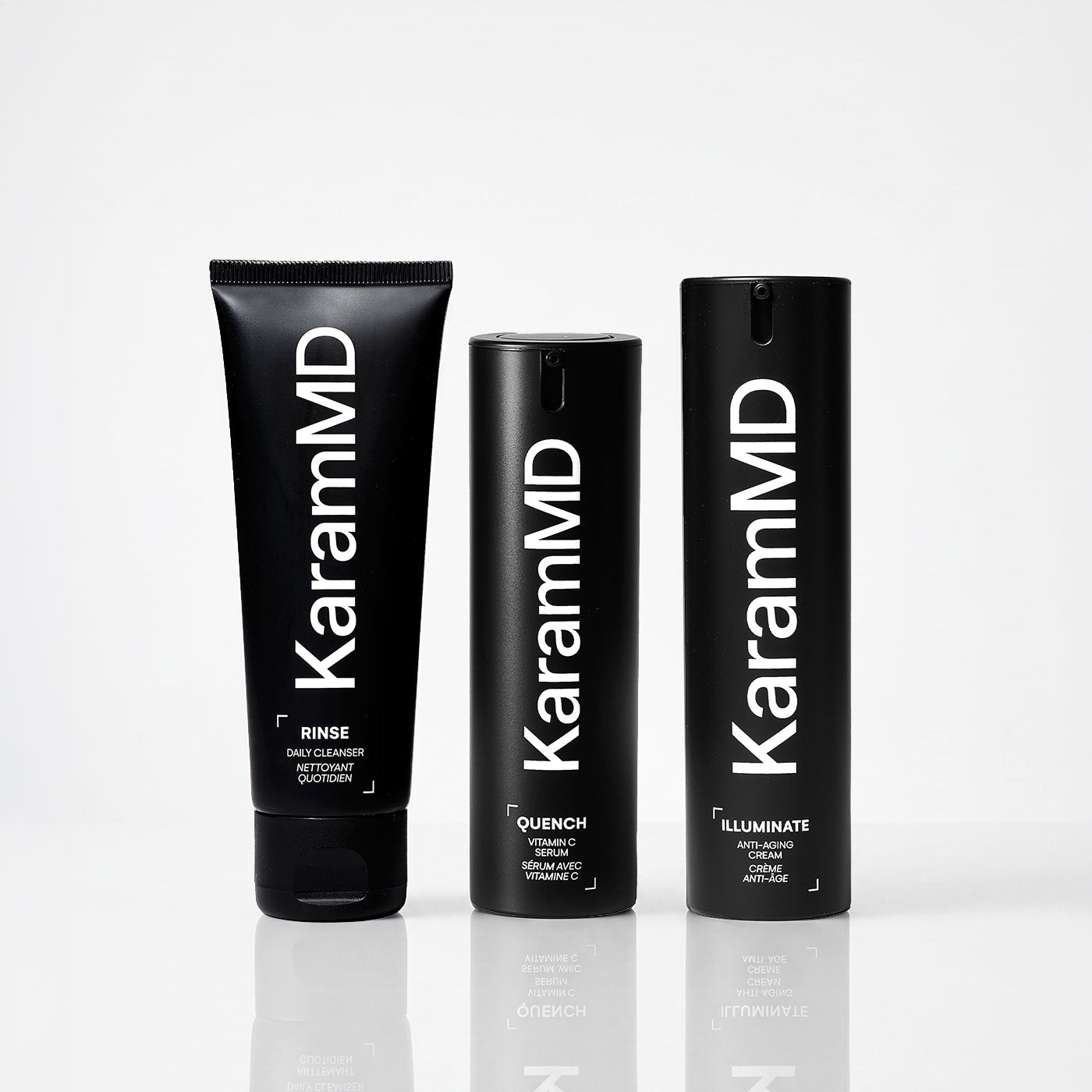
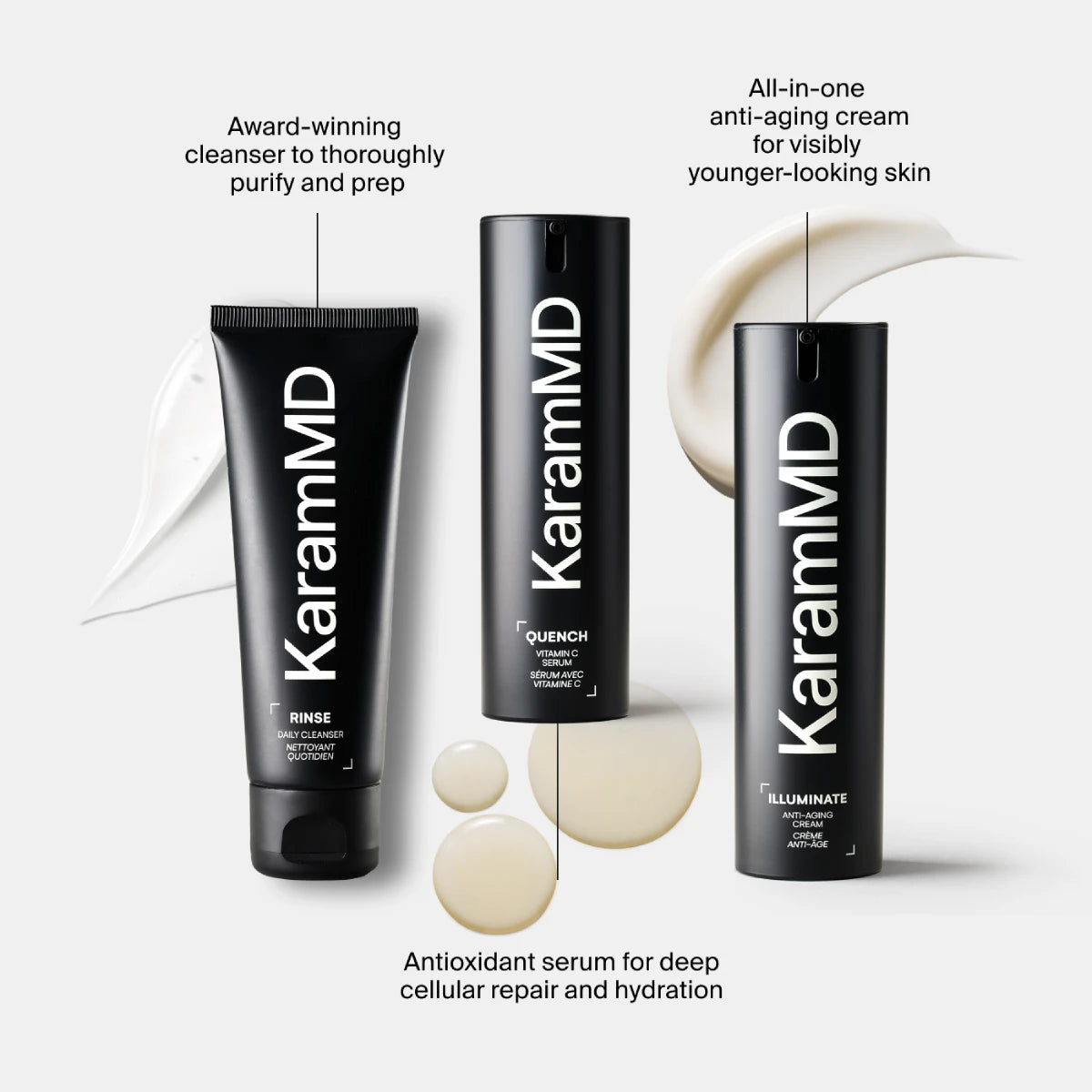
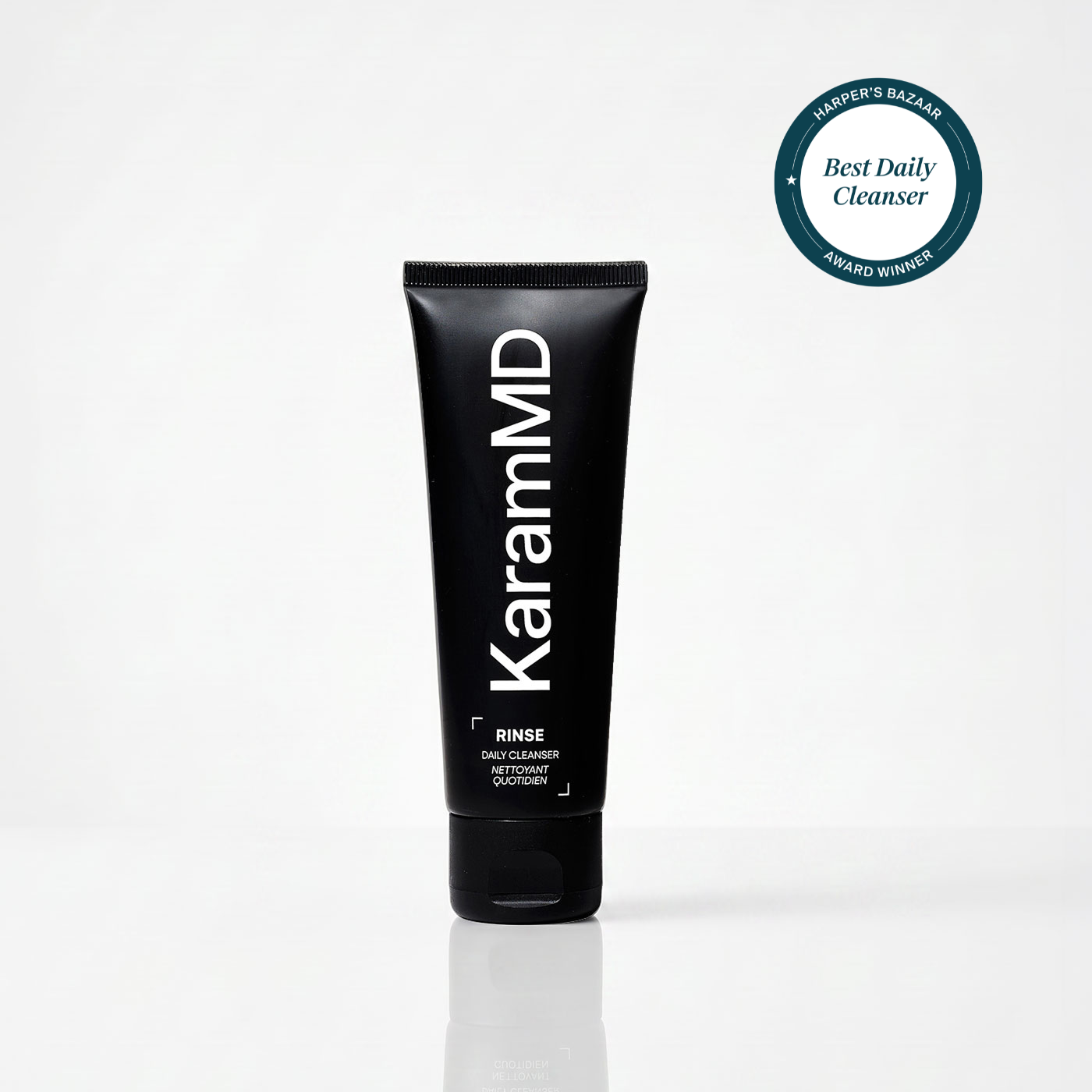
Hi Ludmilla—Thanks for your comment! The morning Rinse helps remove excess oil, sweat, or product residue from the night before, giving your skin a fresh canvas so your serum and moisturizer can absorb more effectively. Think of it as prepping your skin rather than stripping it. Your natural barrier remains intact.
sonia
Hello Dr. Karam,
I follow you on Instagram .I truly love the transformation of some of the ladies on your page. I am 64 and not too wrinkle . But I know I will need some help by the time I turn 65. Do you have a page where I can check your fees? I am interested in fat transfer and would like more information on the vertical restore pricing too. Thank you!
———
KaramMD Skin replied:
Hi Sonia—Thanks for your comment! We’re thrilled you love the transformations. For detailed pricing on the Vertical Restore procedure, visit Dr. Karam’s page here: https://www.drkaram.com/getting-started/
Surendra prabhakar
Will I brand names
———
KaramMD Skin replied:
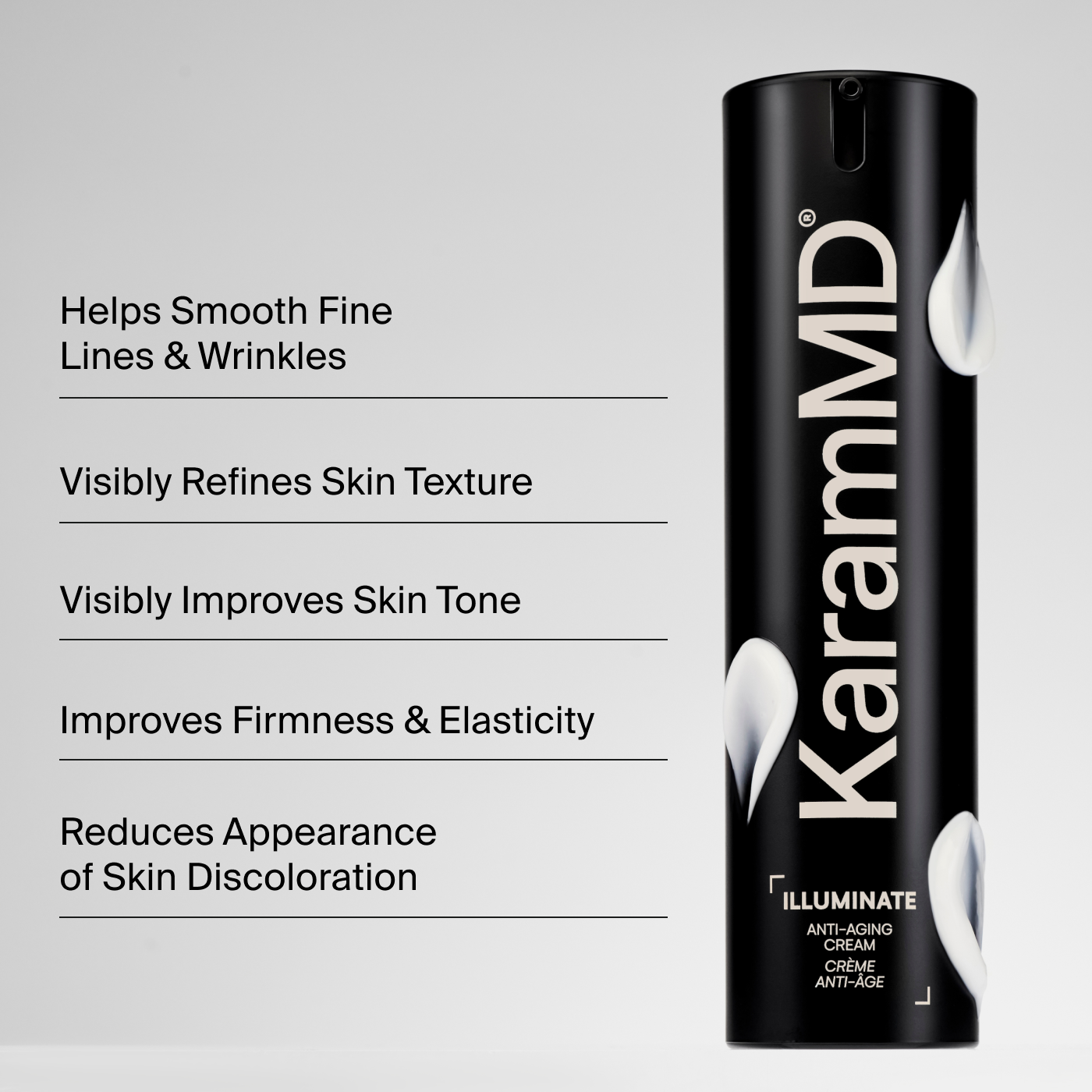
Hi Surendra—Thanks for your comment! Focusing on a simple, science-backed routine tailored to your skin’s needs is always a great starting point. Our KaramMD Illuminate uses a slow-release retinol system designed to support collagen production and improve skin tone while being gentle enough for regular use.
MICHELLE GARRETT
I always thought that using tretinoin would give you better results over retinol . Why aren’t you recommending this in your approach to skin care?
———
KaramMD Skin replied:
Hi Michelle—Thank you for your comment! Tretinoin wasn’t included here because it requires a prescription but we do have plans to cover it in a future journal article!
Leave a comment
All comments are moderated before being published.
This site is protected by hCaptcha and the hCaptcha Privacy Policy and Terms of Service apply.