


Understanding Pores on Your Skin
Let’s start by clearing up one of the biggest misconceptions: Everyone has pores. In fact, healthy skin depends on them.

Written by Founder, Amir Karam MD

One of the biggest mistakes I see is people constantly searching for a new treatment instead of committing to one good routine long enough for the skin to actually change.
If you’ve ever looked in the mirror and thought, “When did my pores get so big?” you’re certainly not alone. Enlarged pores are one of the most common concerns I hear from patients. They often point to their cheeks or nose and ask if there’s a laser, chemical peel, or another procedure that can make them disappear.
I understand why. Large, visible pores make the skin appear rough, uneven, and older. Even people with otherwise beautiful skin can become fixated on them because they’re often one of the first things they notice when looking closely in the mirror.
After treating facial aging for nearly three decades, however, I’ve come to believe that enlarged pores are one of the most misunderstood concerns in aesthetic medicine. Most people think they have a pore problem when they actually have a skin health problem. That may sound like semantics, but it completely changes how I approach treatment.
When we focus on the pore instead of the skin itself, we're solving the wrong issue, and that's why so many people never get the improvement they're hoping for.
Let’s start by clearing up one of the biggest misconceptions: Everyone has pores. In fact, healthy skin depends on them.

A pore is simply the opening of a hair follicle and its accompanying sebaceous gland. These tiny structures allow your skin’s natural oils, known as sebum, to reach the surface where they help lubricate the skin, support the skin barrier, and reduce moisture loss.
When patients tell me they want to “get rid of their pores,” I explain that we’re really trying to accomplish something different. The goal is to reduce the number of pores that become enlarged, and keep them healthy enough that you barely notice they’re there.
One of the easiest ways to understand enlarged pores is to compare youthful skin with aging skin. Young people have pores too, but they're far less noticeable because healthy skin has strong collagen support, efficient cell turnover, balanced hydration, and a resilient skin barrier. Enlarged pores happen when all of these systems stop working as well.
Here’s why pores often become enlarged:
01.
As we age, dead skin cells shed less efficiently. They begin accumulating around the opening of the follicle where they mix with sebum, sunscreen, makeup, pollution, and other microscopic debris.
Over time, this buildup partially obstructs the pore. Think of it as a drain that’s beginning to clog. Water may still flow through it, but not nearly as efficiently.
02.
While debris is accumulating near the surface, the sebaceous gland underneath continues producing oil. That oil has to go somewhere. As pressure builds within the follicle, the opening gradually stretches.
This doesn’t happen overnight. It’s a slow process that develops over months and years, which is why many people don’t notice enlarged pores until they suddenly compare their skin to old photographs.
03.
This is one of the biggest reasons pores become more visible with age. Collagen acts like the internal framework that supports the skin surrounding each follicle. As collagen declines, that support weakens. Imagine cutting a small hole into a brand-new piece of fabric versus an older piece that’s started to lose its strength. The older fabric stretches much more easily. The skin behaves in a remarkably similar way. The opening of the follicle becomes more susceptible to dilation because the surrounding tissue simply isn’t as supportive as it once was.
04.
Perhaps the biggest realization I’ve had is that enlarged pores aren’t simply a problem with the pore itself. They’re a reflection of overall skin health.
When the skin barrier isn’t functioning optimally, hydration declines, cell turnover slows, inflammation increases, oil production can become less balanced, and sun damage accumulates.
As skin health declines, pores become more visible. That’s why I’ve come to think of enlarged pores as a symptom of aging skin rather than an issue of the pore itself.
One thing that’s always been important to me throughout my career is setting realistic expectations. If I don’t believe a treatment is likely to produce a meaningful improvement, I tell my patients that before we ever begin.
Over the years, countless patients have asked me whether a deep laser resurfacing treatment, chemical peel, or microneedling procedure would finally get rid of their enlarged pores. My answer is always consistent: Treatments like laser resurfacing or chemical peels can absolutely improve certain aspects of skin quality—but don’t expect them to dramatically improve enlarged pores by themselves.
Instead of looking for a procedure to shrink pores, I begin by asking, “How do we restore healthier skin?” When the skin becomes healthier, pores often become less noticeable.
The most effective treatment for enlarged pores is surprisingly simple. Here’s the framework I use:
Step 1:
Throughout the day, your skin accumulates sunscreen, makeup, oxidized sebum, pollution, sweat, and microscopic environmental debris. If they’re allowed to remain on the skin day after day, that buildup can partially obstruct the pore.
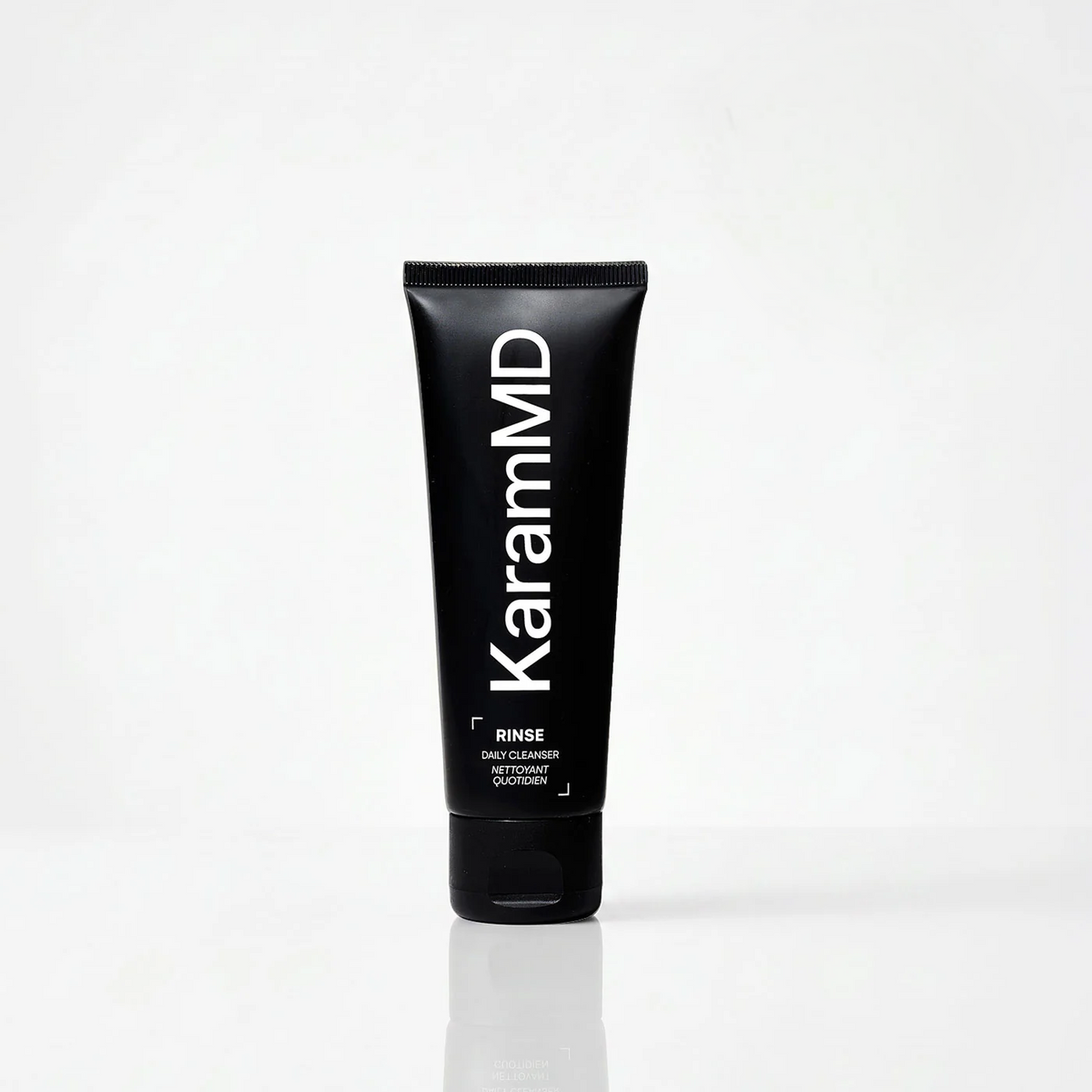
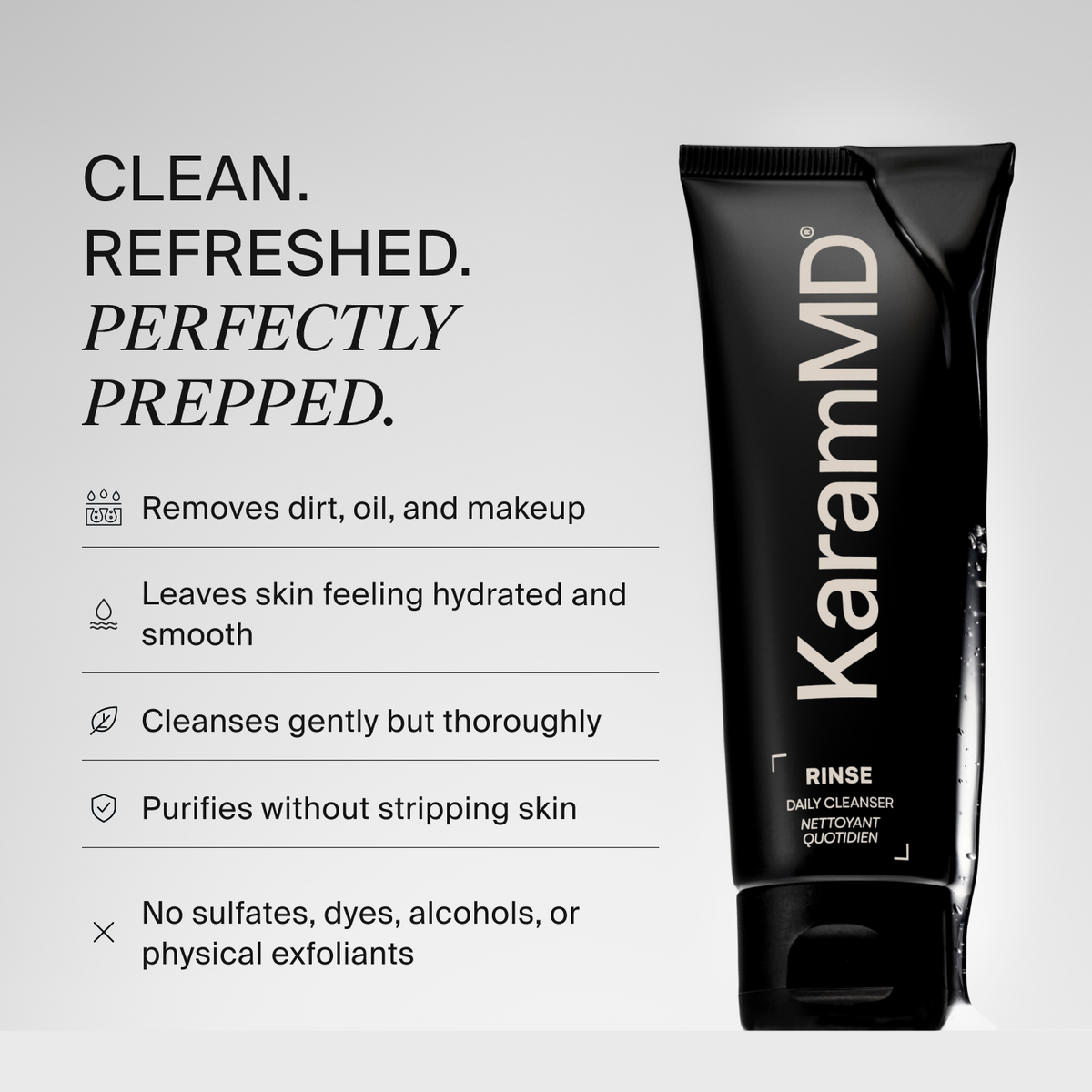
That’s why I recommend cleansing twice a day with a gentle, non-foaming cleanser.
One of the biggest mistakes I see is people using aggressive foaming cleansers. Many people think that tight, “squeaky clean” feeling means the cleanser is working, but it’s often a sign that you’ve removed too much of what your skin actually needs.
Healthy skin should never feel stripped. When we repeatedly remove the lipids that naturally protect the skin, we compromise the skin barrier. The skin loses moisture more easily, becomes more reactive, and simply doesn’t function as well.
Step 2:
The second step is helping the skin behave more like youthful skin. When we’re younger, dead skin cells are shed efficiently. As we mature, epidermal turnover slows and those cells linger longer on the surface. They begin accumulating around the opening of the follicle, making obstruction much more likely.
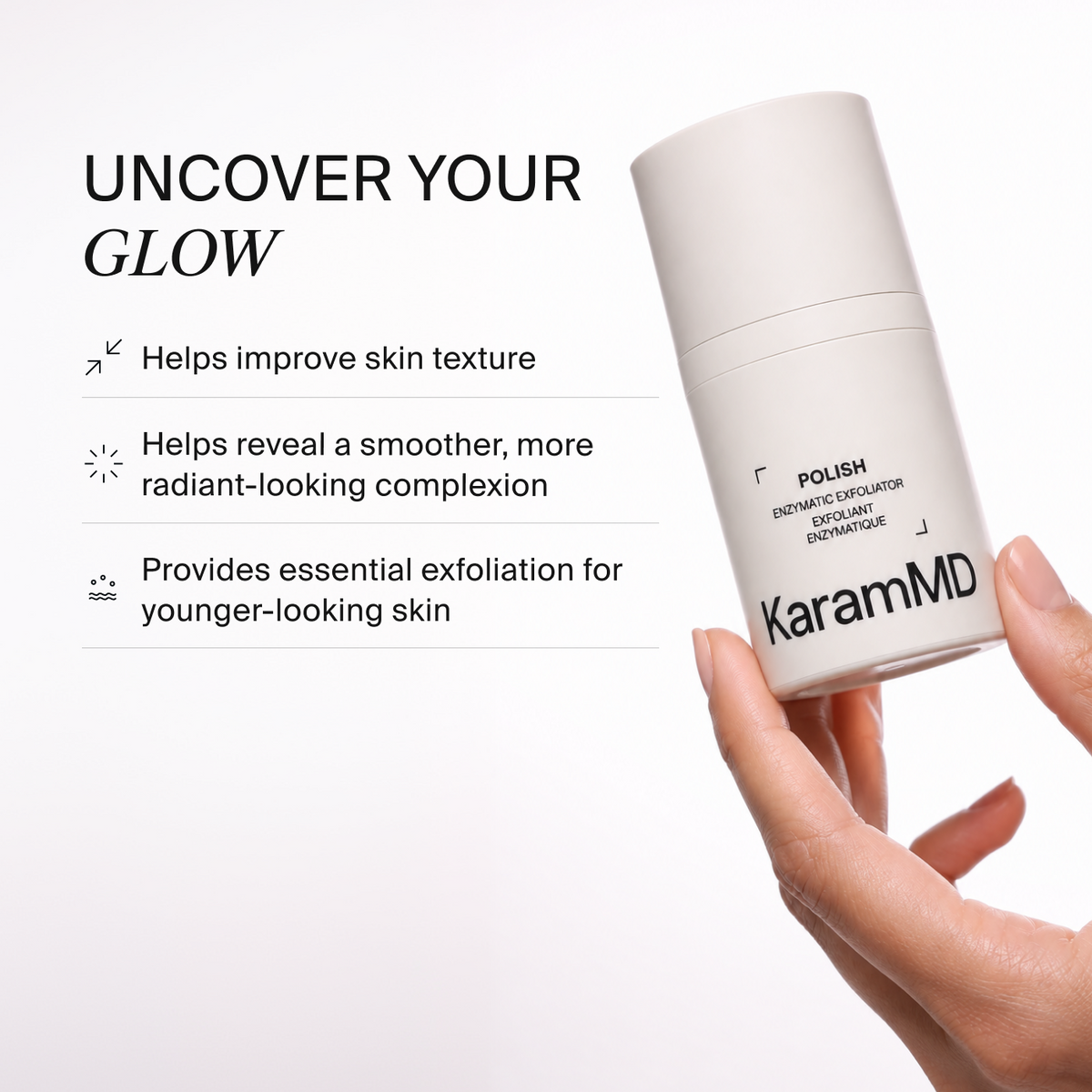
That’s why I believe regular exfoliation is such an important part of treating enlarged pores. Notice I didn’t say aggressive exfoliation. The goal isn’t to continually strip the skin. The goal is to restore a normal, healthy rate of renewal.
Ingredients like glycolic acid gently loosen the bonds between dead surface cells, making it easier for the skin to shed naturally. Retinoids complement that process by helping normalize epidermal turnover over time. Together they reduce the accumulation of dead skin around the follicle opening, making it easier for pores to function normally.
I often explain it this way to patients. Healthy skin is easier to keep clean. When dead skin isn’t continually building up around the pore, oil flows more normally, obstruction becomes less common, and pores are less likely to become chronically enlarged.
Step 3:
This is the step I think receives the least attention. Remember, one of the reasons pores become more noticeable as we age is that the surrounding skin loses structural support. Collagen gradually declines. Hydration decreases. The skin barrier becomes less efficient. The tissue surrounding each follicle simply isn’t as resilient as it once was.
Step 4:
The final step is protecting everything you’ve worked to build. When patients ask me which skincare step they should never skip, sunscreen is always on that list.
A significant amount of collagen loss comes from years of cumulative ultraviolet exposure. Daily sunscreen is one of the simplest ways to preserve the collagen that supports the skin surrounding each pore.
Step 5:
Finally, there’s one principle that ties everything together: Consistency.
One of the biggest mistakes I see is people constantly searching for a new treatment instead of committing to one good routine long enough for the skin to actually change.
Healthy skin isn’t created by one laser treatment or one peel. It’s built day by day.
That’s why I often tell patients: “Consistency beats intensity.” That’s true single time.
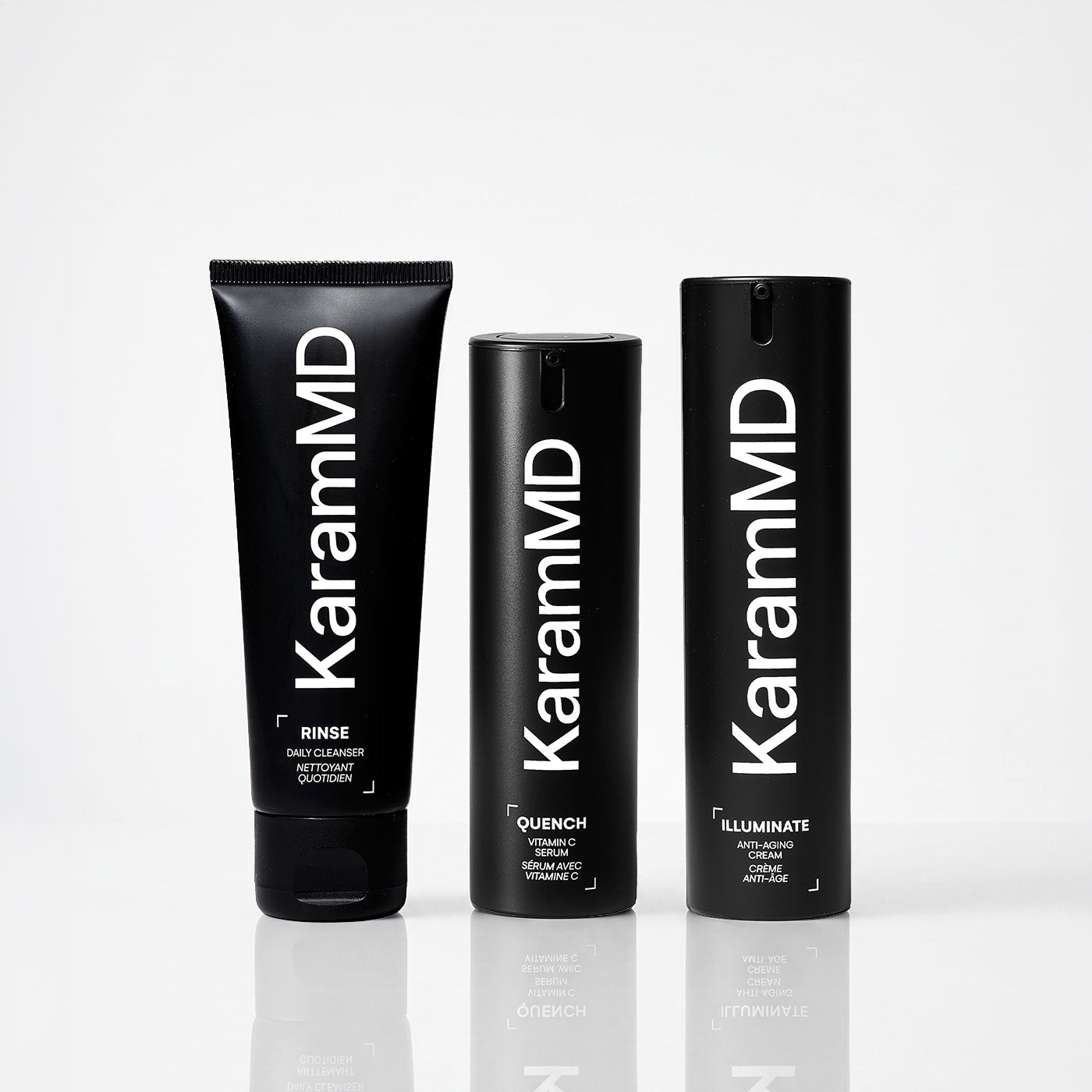
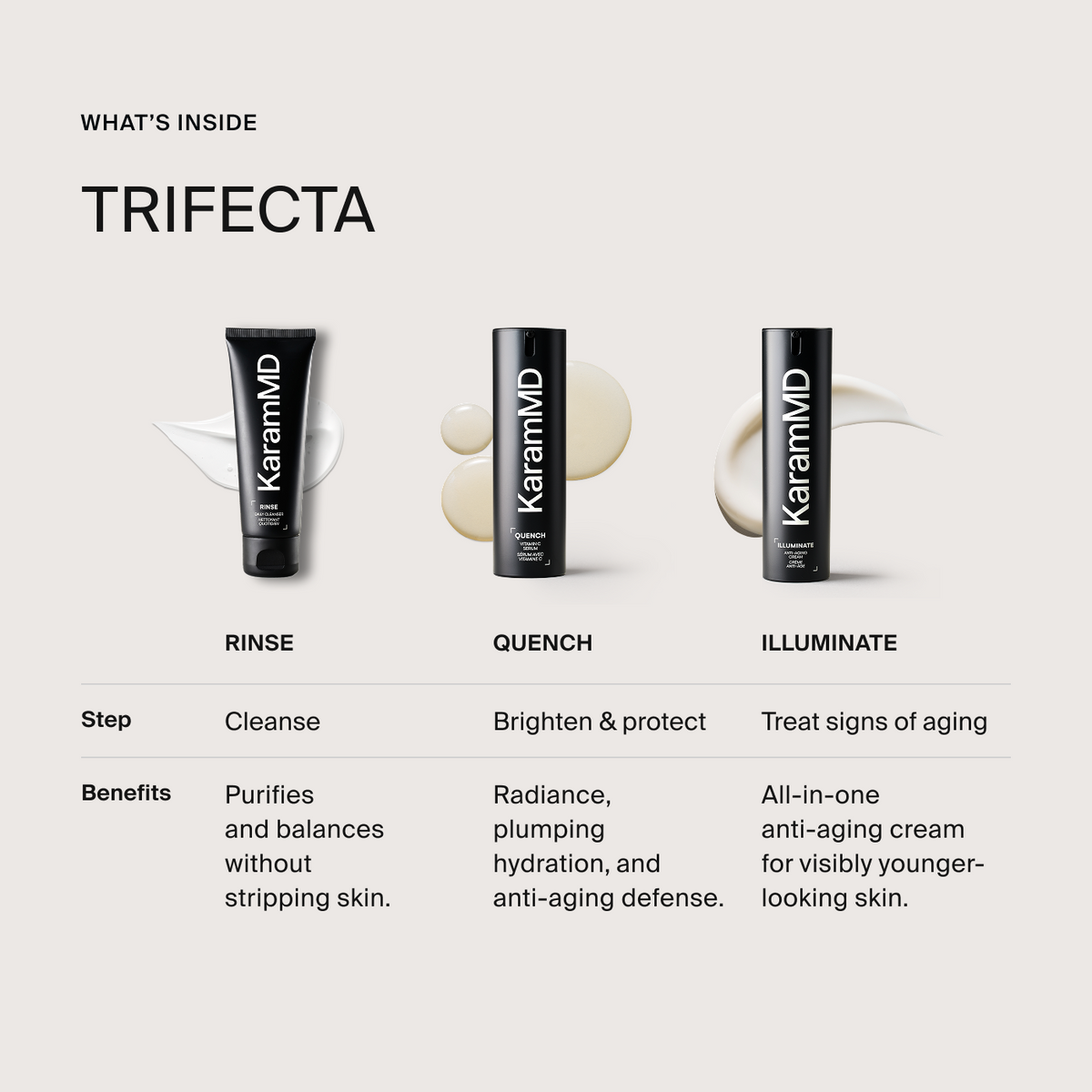
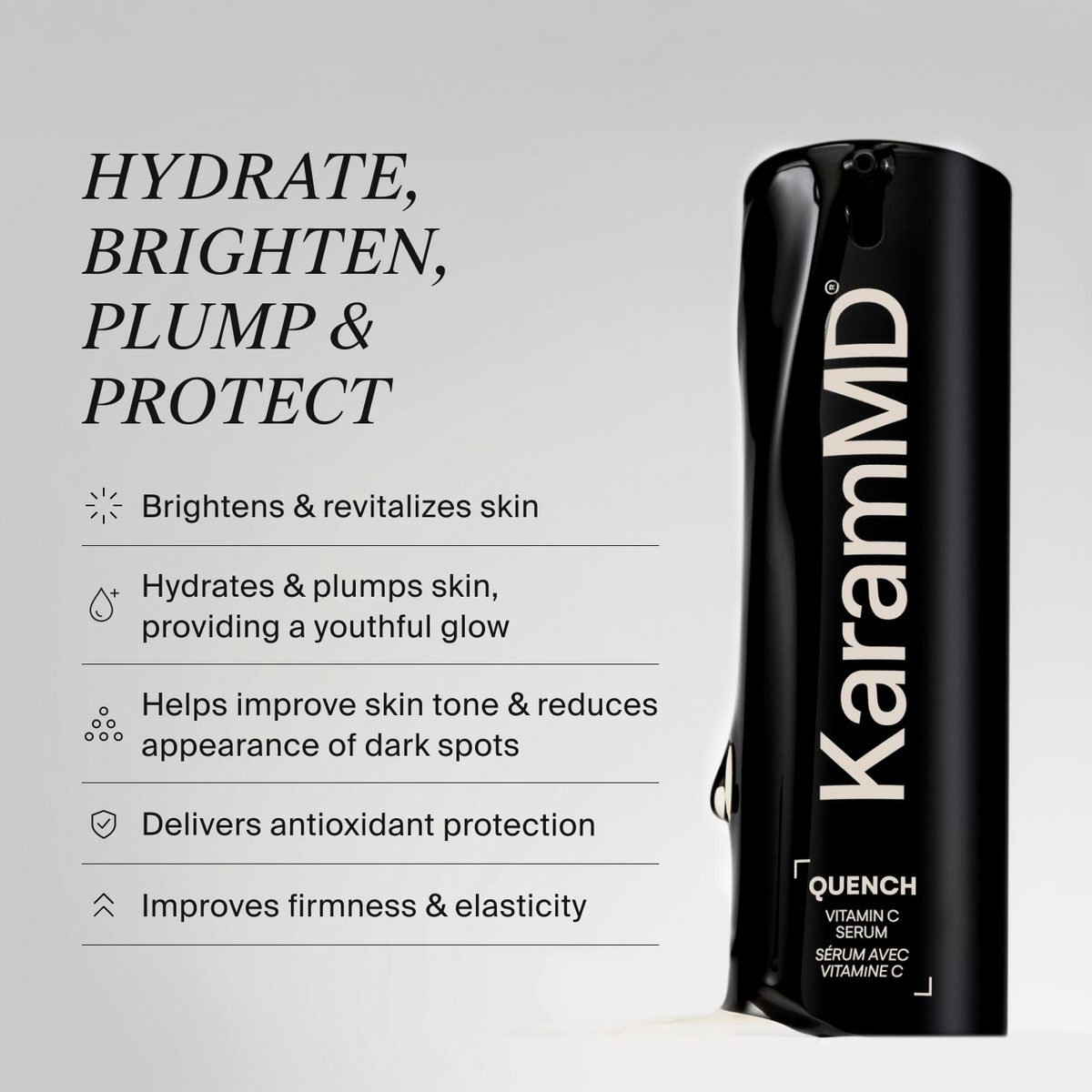
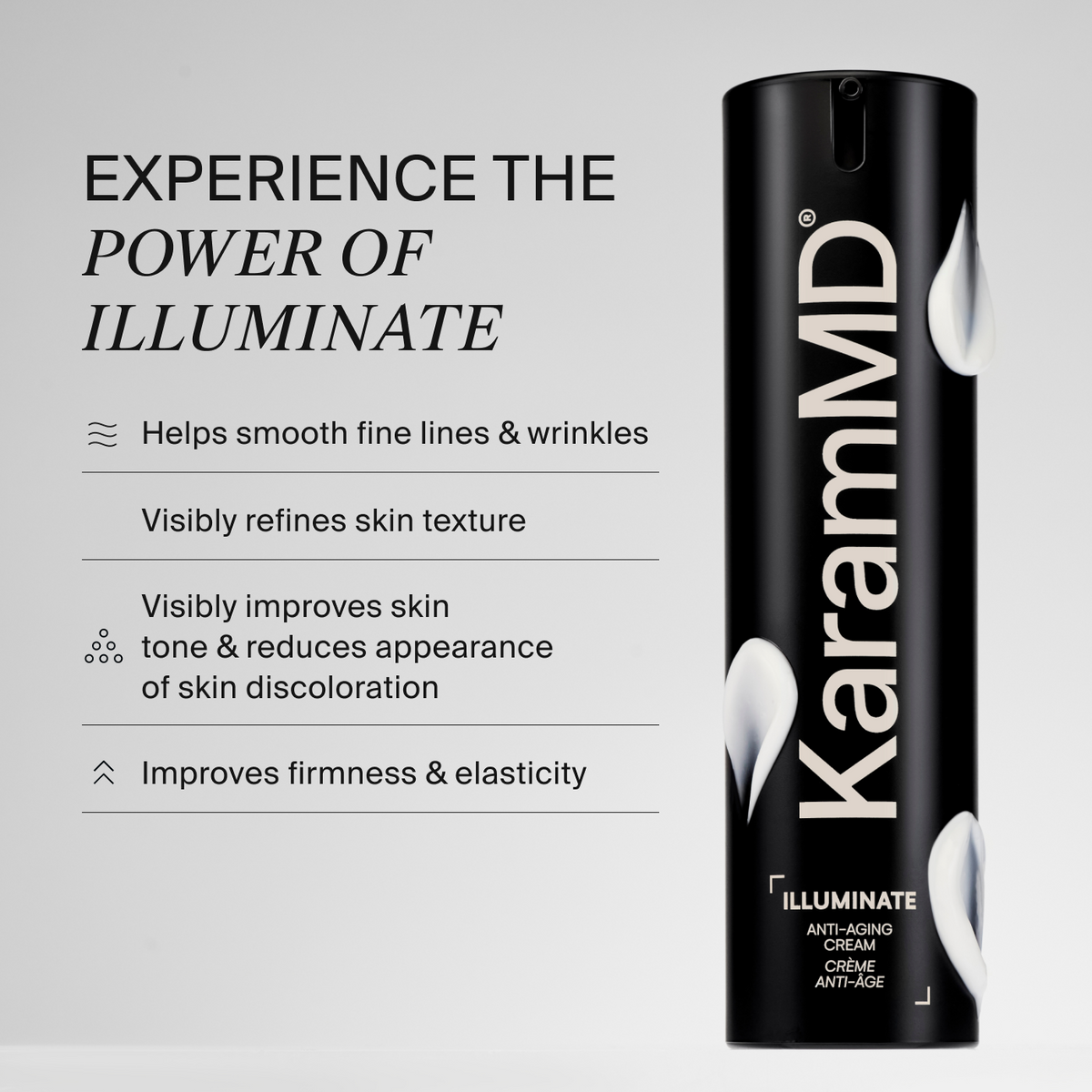
I didn’t develop the KaramMD Trifecta to treat enlarged pores in particular. My focus was much broader. I wanted to create a skincare routine that addressed the major changes responsible for skin aging.
At the time, I honestly wasn’t thinking about enlarged pores at all. Then something interesting began happening. Over the years, one of the most common comments I started hearing from long-term Trifecta users was that one unexpected improvement was the appearance of their pores.
After hearing the same feedback from countless long-term users over many years, I started asking myself why. The answer became surprisingly obvious.
Everything that contributes to enlarged pores was being addressed—not by targeting the pore directly, but by improving the biology of the skin surrounding it:
None of those ingredients were selected because they “shrink pores.” They were chosen because they support healthier skin, but as skin health improved, enlarged pores became less noticeable. That experience fundamentally changed the way I think about treating enlarged pores.
In my experience, when you consistently improve the health of your skin, enlarged pores often become one of many visible improvements that naturally follow. And ultimately, that’s what I’ve always believed great skincare should do. Not simply improve one concern. Help your skin function the way it was designed to.
What are Dr. Karam’s Four Essentials for healthier, less noticeable pores?
1. Cleanse Gently
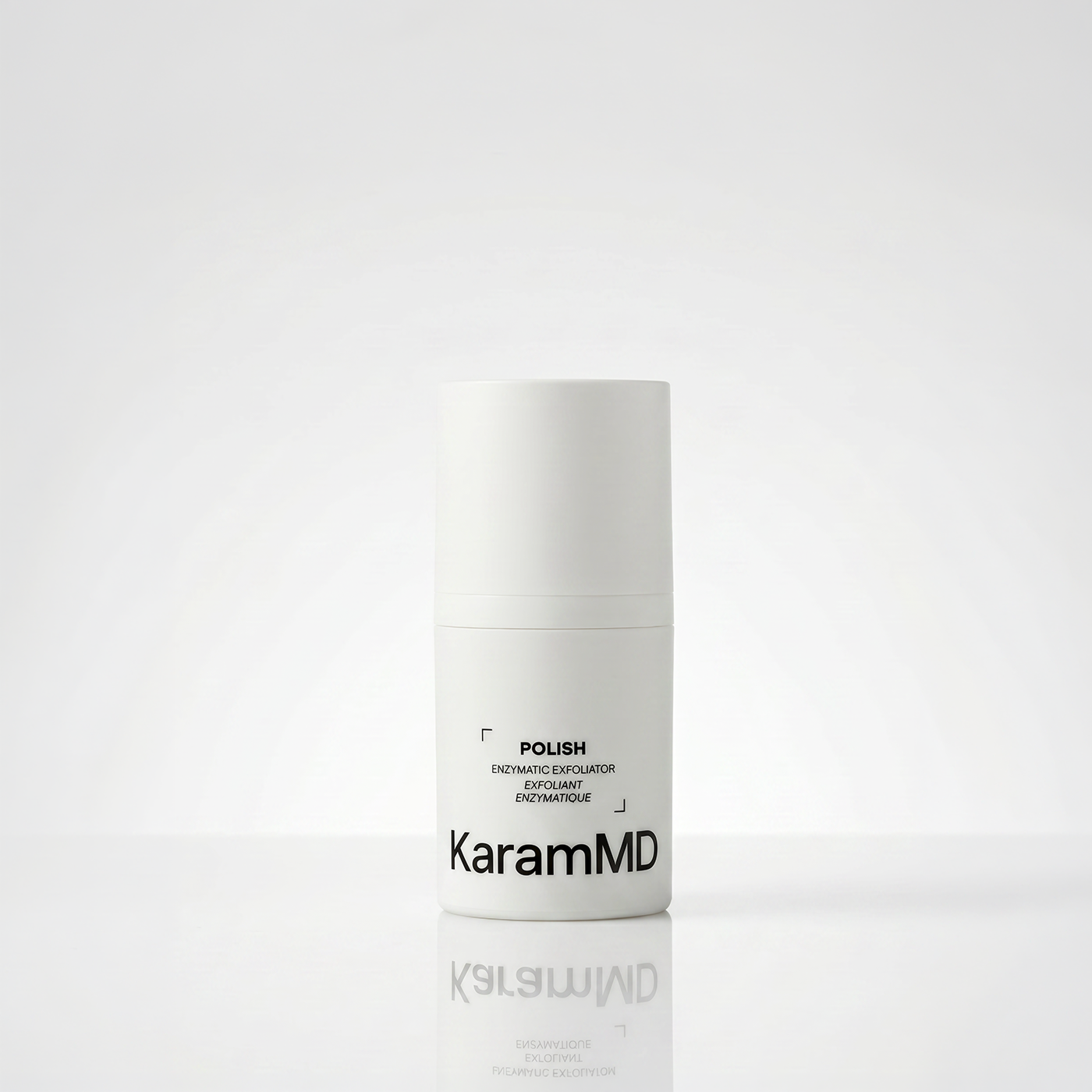
2. Restore Healthy Cell Turnover
3. Strengthen the Skin
4. Protect Your Results
Can you permanently shrink enlarged pores?
Not permanently. Your genetics largely determine your baseline pore size. However, consistent skincare can significantly reduce how enlarged and noticeable many pores become by improving the health of the surrounding skin and reducing obstruction.
Why do pores become larger as we age?
Several changes occur simultaneously. Cell turnover slows, collagen declines, hydration decreases, the skin barrier becomes less efficient, and years of sun exposure weaken the skin’s structural support. Together, these changes make pores more likely to become clogged, stretched, and visible.
Can you actually get rid of pores?
No—and you wouldn’t want to.
Everyone has pores. They’re a normal and essential part of healthy skin because they allow natural oils to reach the skin’s surface. The goal isn’t to eliminate pores. It’s to keep them healthy enough that they remain small and difficult to notice.
Do lasers permanently improve enlarged pores?
Fractional laser resurfacing and other collagen-stimulating procedures can produce modest improvements in overall skin texture and may soften the appearance of enlarged pores in some patients. In my experience, however, they rarely produce the dramatic improvement people expect when enlarged pores are the primary concern.
Does microneedling help enlarged pores?
Microneedling and RF microneedling may provide modest improvement by stimulating collagen remodeling, particularly when enlarged pores are associated with mild skin laxity. However, I don’t consider them primary treatments for enlarged pores. I believe consistent daily skincare has a greater long-term impact for most people.
What skincare ingredients help enlarged pores the most?
Rather than relying on one ingredient, I recommend a comprehensive approach:
Each addresses a different part of the biology that contributes to enlarged pores.
Can oily skin cause enlarged pores?
Excess oil can contribute to enlarged pores because it increases the likelihood of obstruction and gradual stretching of the follicle opening. The solution isn’t to strip the skin of all its oil, but to support a healthy skin barrier so oil production remains better balanced.
Can dry skin also contribute to enlarged pores?
Yes. As skin matures, the skin barrier often becomes less efficient, making it harder to retain moisture. This can lead to dehydration and less healthy skin function. While dry skin doesn’t automatically produce more oil, restoring hydration and barrier function helps create a healthier environment that allows pores to function more normally.
Can you open and close your pores?
No.
Pores don’t have muscles that allow them to open and close. What people perceive as “smaller pores” is actually healthier skin with less obstruction and less dilation of the pore opening.
What's the Most Effective Treatment for Enlarged Pores?
After nearly thirty years of treating facial aging, I believe the most effective long-term approach is improving the overall health of the skin. Gentle cleansing, consistent exfoliation, retinoids, proper hydration, barrier repair, daily sunscreen, and long-term consistency work together to create healthier skin—and healthier skin naturally develops fewer enlarged, noticeable pores.


8 comments
Sabby
Is HALO or any other laser treatment good for atrophic rolling scars? Kindly suggest!
———
KaramMD Skin replied:
Hi Sabby— Thanks for your comment! For atrophic rolling scars, the best treatment depends on how deep the scars are, how much they’re tethered to the underlying tissue, and your skin type. It’s best to have a qualified dermatologist assess the scars before choosing a procedure. I hope this helps! Wishing you beautiful results!
Alice Lane
So does your skincare line contain glycolic?
———
KaramMD Skin replied:
Hi Alice—Thank you for your comment. Yes, our Rinse Daily Cleanser does contain glycolic acid. Our other products use different active ingredients. We’ve also shared a journal article from Dr. Karam that goes into more detail about glycolic acid and its benefits, which we hope you’ll find helpful! https://karammdskin.com/blogs/expert-advice/glycolic-acid-understanding-ahas-and-why-this-one-works?pos=1&_sid=c9c329f7f&ss=r
Farnaz Khorrami
Dr Karam, thx for live info on insta
I like to have consult with you about vertical resto
Will contact you in your web site
Thx
———
KaramMD Skin replied:
Hi Faranaz—Thank you for your comment and we’re glad you enjoyed the Instagram live. Dr. Karam’s team will be looking out for your consultation request.
Tiffany Malich
Thankyou for all of the helpful education
———
KaramMD Skin replied:
Megan Race
Do you recommend taking niacinamide orally? What supplements are good to take for beautiful skin? I am 62.
———
KaramMD Skin replied:
———
KaramMD Skin replied:
Hi Megan—Thanks for your question! Dr. Karam goes over his recommendation for supplements to support healthy skin in detail in this video! https://www.youtube.com/watch?v=HKUPb8zgeg0
Leave a comment
All comments are moderated before being published.
This site is protected by hCaptcha and the hCaptcha Privacy Policy and Terms of Service apply.